
 한국어
한국어 English
 日本語
日本語 中文(简体)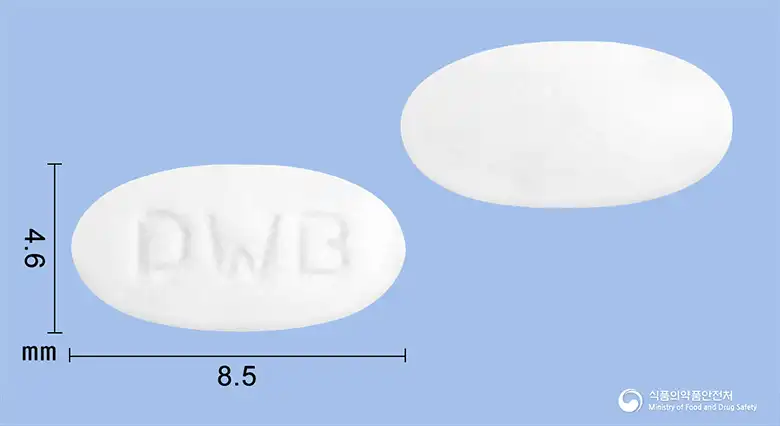
Summary
- Main use
- (Hypertension, Angina) Improvement of myocardial ischemia and reduction of risk of myocardial infarction and stroke in case of cardiovascular disease risk.
- Who takes it
- Adults
- Adult dose
- This medicine is only administered to adults, and the dosage should be individualized based on the effectiveness and tolerability of amlodipine/atorvastatin in each patient. Amlodipine (Es Amlodipine): 5 (2.5) mg is taken orally once daily and can be increased to a maximum of 10 (5) mg per day based on the patient's response. Atorvastatin: 1. For patients with primary hypercholesterolemia and mixed dyslipidemia: Recommended.
Ingredients
- Manufacturer
- 대웅바이오(주)
Efficacy & effects
(Hypertension, Angina) Improvement of myocardial ischemia and reduction of risk of myocardial infarction and stroke in case of cardiovascular disease risk.
- Hypertension
- fixed obstruction of arteries
- vasospasm
- vascular contraction
- myocardial ischemia
- angina
- cardiovascular diseases
- coronary heart disease
- multiple risk factors
- retinopathy
- albuminuria
- type 2 diabetes
View approved original textHide original text
This medicine is used for patients who need to take two drugs, amlodipine and atorvastatin, simultaneously. Amlodipine is useful for patients with coronary artery-related myocardial ischemia such as hypertension and stable or variant angina and helps reduce hospitalization risk and revascularization-related risks in patients with coronary heart disease without heart failure. Atorvastatin is effective in reducing cardiovascular disease risk and lowers the risk of myocardial infarction, stroke, angina, and hospitalization due to congestive heart failure. It also supports cardiovascular health by improving cholesterol and triglyceride levels in patients with dyslipidemia. Thus, the combination of these two drugs is effectively used in the prevention and treatment of cardiovascular diseases.
How to take
Adult dose
This medicine is only administered to adults, and the dosage should be individualized based on the effectiveness and tolerability of amlodipine/atorvastatin in each patient. Amlodipine (Es Amlodipine): 5 (2.5) mg is taken orally once daily and can be increased to a maximum of 10 (5) mg per day based on the patient's response. Atorvastatin: 1. For patients with primary hypercholesterolemia and mixed dyslipidemia: Recommended.
Precautions
This medicine should not be administered to certain patients. For example, patients who are allergic to this medicine or similar medications, those with severe liver dysfunction, pregnant or breastfeeding women, patients with severe muscle diseases, patients with severe aortic stenosis, patients in shock, patients within a month after a myocardial infarction, patients with unstable angina, and those taking certain antiviral drugs should not use this medication. Additionally, patients with very poor kidney function, the elderly, alcoholics, those with a history of liver diseases, patients at risk of muscle diseases, patients with acute heart failure, patients in hypertensive crises, patients with slightly impaired liver function, and those with severe myasthenia gravis should use this drug with caution. This drug is used for the treatment of hypertension and hyperlipidemia and can generally be used safely in most patients, but some side effects may occur. Common side effects may include flushing, fatigue, swelling, heart palpitations, dizziness, headache, drowsiness, abdominal pain, and nausea. Rarely, muscle pain, skin rash, liver dysfunction, or allergic reactions may occur, so immediate consultation with a doctor is advised if such symptoms appear. This drug can affect liver function; therefore, regular liver function tests should be conducted before and during treatment. If liver dysfunction is found, the dosage may need to be adjusted or the medication may be discontinued. Women who are pregnant or may become pregnant should not take this medication, and if pregnancy is confirmed during use, the medication should be stopped immediately and the doctor should be notified. Furthermore, breastfeeding women should avoid taking this medication. Safety and efficacy for children and the elderly haven't been sufficiently confirmed, so special caution is needed. In case of overdose, severe hypotension, shock, or heart problems may occur; thus, immediate emergency treatment is necessary, and appropriate treatment should be administered as directed by a physician. This medicine may interact with several other drugs, so if you are taking other medications, you must inform your doctor or pharmacist, especially when taking certain antibiotics, antifungals, immunosuppressants, blood pressure medications, and antidiabetic agents. It is important to have regular health check-ups and blood tests to monitor for adverse reactions while taking this medication. Finally, this medicine should be stored out of reach of children and should not be transferred to another container for safety.
Side effects and when to seek care immediately
Serious side effects
Hives, severe swelling (edema), chest tightness, difficulty breathing, cold sweat, pallor, severe allergic reactions, severe rash with fever, blisters, peeling skin, pain in lips/eyes mucous membranes, severe skin reactions, difficulty breathing or shortness of breath, asthma attacks, respiratory abnormalities with cough and fever, respiratory problems, jaundice (yellowing of skin or eyes), extreme lethargy, liver abnormalities (jaundice), sudden.
Mild side effects
- Flushing
- fatigue
- swelling
- palpitations
- dizziness
- headache
- drowsiness
- abdominal pain
- nausea
- weakness
Show 26 moreCollapse
- lethargy
- pain
- weight gain/loss
- hypotension
- vasculitis
- muscle tension
- sensory loss/abnormal sensations
- peripheral neuropathy
- fainting
- abnormal taste
- tremors
- extrapyramidal symptoms
- erectile dysfunction
- gynecomastia
- changes in bowel habits
- dry mouth
- dyspepsia
- gingival hypertrophy
- gum growth
- pancreatitis
- vomiting
- hyperglycemia
- joint pain
- low back pain
- muscle cramps
- muscle.
Not everyone experiences these, and they can vary from person to person.
Storage
This medicine should be stored in a tightly closed container to prevent air or moisture from entering, and it is safe to store at room temperature between 1 degree and 30 degrees Celsius. By storing it this way, you can maintain the effectiveness of the medication and prevent deterioration.
Appearance and packaging
Appearance
White oval film-coated tablet
Package unit
30 tablets/bottle, 100 tablets/bottle
Questions about this medicine
No questions yet.
For anything that needs medical judgment, consult a doctor or pharmacist.