
 한국어
한국어 English
 日本語
日本語 中文(简体)
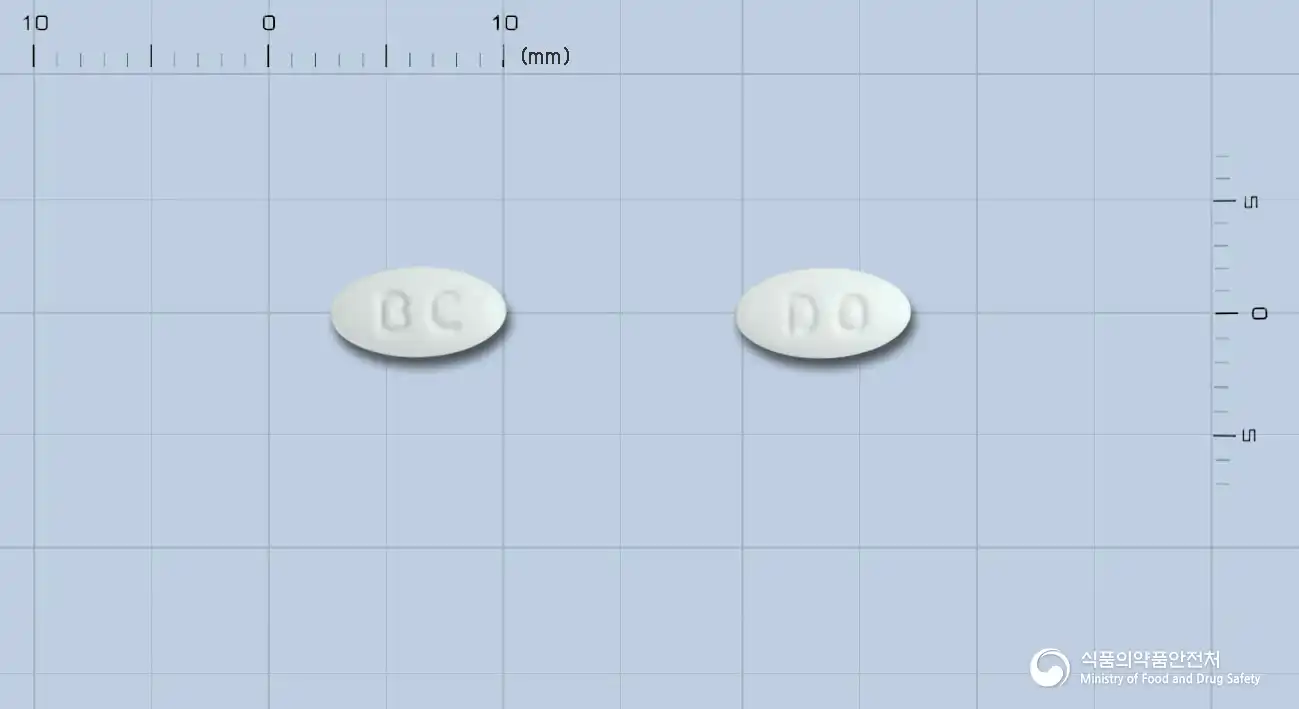 Viewing nowCombination
DuoMax Tablets
Atorvastatin Calcium Hydrate 10.85mg · Amlodipine Besylate 6.94mg
Tablet · Prescription medication · Combination
BC World Pharm Co., Ltd.
MFDS item code 200808268 · Notified 2008.07.31 · Insurance code 653102060
Improves myocardial ischemia and reduces the risk of cardiovascular diseases (hypertension, angina).
This medication is used in patients who require treatment with both amlodipine and atorvastatin. Amlodipine improves cardiovascular issues such as hypertension and stable or variant angina and reduces the risk of angina and vascular interventions in patients with coronary artery disease. Atorvastatin lowers the risk of cardiovascular diseases, particularly reducing the risk of myocardial infarction and stroke, and helps treat hypercholesterolemia and dyslipidemia. The two components work together to comprehensively improve heart and vascular health.
This medication is administered solely to adults, and the dosing should be individualized based on the efficacy and tolerance of the components amlodipine/atorvastatin for each patient. Amlodipine (Esamlodipine): Adults should take 5 (2.5) mg orally once daily, and the dose may be increased to a maximum of 10 (5) mg daily depending on the patient’s response. Adjustments should be made according to symptoms. Atorvastatin: For patients with primary hypercholesterolemia and mixed dyslipidemia, the initial recommended dose is 10 mg once daily, but it can be started at 20 mg or 40 mg once daily if greater reductions in LDL cholesterol are required (only when a reduction of over 45% in LDL cholesterol is needed). This medication is administered in a dose range of 10 mg to 80 mg once daily, and it can be taken at any time regardless of meals. The initial and maintenance doses of this drug should be individualized considering treatment goals and responses; lipid levels should be analyzed within 2 to 4 weeks after initiation and/or dose adjustment, and doses should be modified accordingly. For patients with homozygous familial hypercholesterolemia, dosing is 10 mg to 80 mg once daily, in combination with other lipid-lowering treatments (e.g., LDL apheresis), or if those treatments are not possible. For patients with kidney failure, kidney disease does not affect the plasma concentration or LDL cholesterol-lowering effect of atorvastatin, thus there's no need for dose adjustment. For elderly patients, the efficacy and safety for those aged 70 and above are similar to that of the general adult population.
This medication should not be used in certain patients. For example, patients who have had allergies or hypersensitivity reactions to this drug or similar ingredients should not take it. Patients with severely impaired liver function or active liver disease should also avoid this medication. Women who are pregnant or may become pregnant should generally avoid this drug to minimize risks to the fetus, except in special cases. Furthermore, nursing women should also refrain from taking this medication. Patients with muscle-related diseases, severe aortic stenosis, cardiac shock, or within one month of a myocardial infarction should also avoid this drug. This medication should be used cautiously in patients with severely impaired kidney function, elderly individuals, alcoholics, and those with a history of liver disease. In particular, those at risk of muscle damage should have their muscle enzyme levels checked prior to treatment and monitored carefully. Those with heart failure, hypertensive crisis, or mild to moderate liver dysfunction should also exercise caution. Generally, this medication is well tolerated, but symptoms such as fatigue, swelling, dizziness, headache, and dyspepsia may occur. Rarely, side effects such as myalgia, skin rash, and liver function abnormalities may arise, so it is essential to consult a doctor if symptoms occur. This drug may affect liver function, necessitating regular liver function tests before and during treatment. If muscle pain or weakness occurs, promptly notify healthcare professionals and discontinue the medication as necessary. This drug may interact with other medications; therefore, always inform your doctor or pharmacist about any other medications being taken, especially when using certain antibiotics, antifungals, immunosuppressants, and HIV treatments. Pregnant or nursing women should not use this medication and should immediately inform a doctor if pregnancy occurs during treatment. The safety and efficacy of this medication have not been sufficiently established in children and elderly individuals, so special caution is warranted in these age groups. In the event of an overdose, immediately visit a medical facility for appropriate treatment and closely monitor blood pressure and cardiac function. This medication should be kept out of reach of children, and transferring it to other containers may impair quality, so caution is advised.
Not everyone experiences these, and they can vary from person to person.
This medication should be stored at a temperature between 15 to 30 degrees Celsius, and it is important to keep it in a tightly sealed container to prevent air exposure. This helps maintain the drug's effectiveness and prevent degradation.
White oval film-coated tablets
30 tablets/bottle, 100 tablets/bottle
Even with the same ingredient, strength, dosage form and how it is taken can differ.
Viewing nowCombinationAtorvastatin Calcium Hydrate 10.85mg · Amlodipine Besylate 6.94mg
Tablet · Prescription medication · Combination
BC World Pharm Co., Ltd.
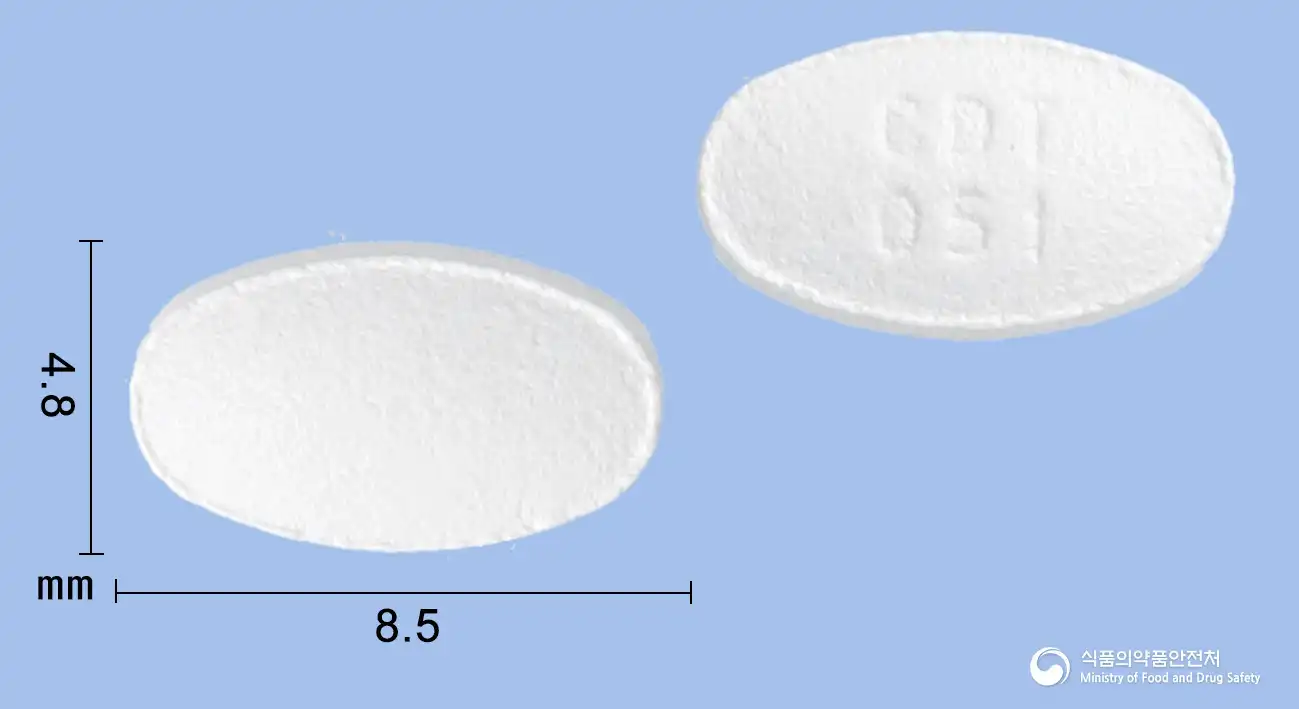 Combination
Atorvastatin Calcium Trihydrate 10.85mg · Amlodipine Besylate 6.94mg
Tablet · Prescription medication · Combination
Viatriss Korea Co., Ltd.
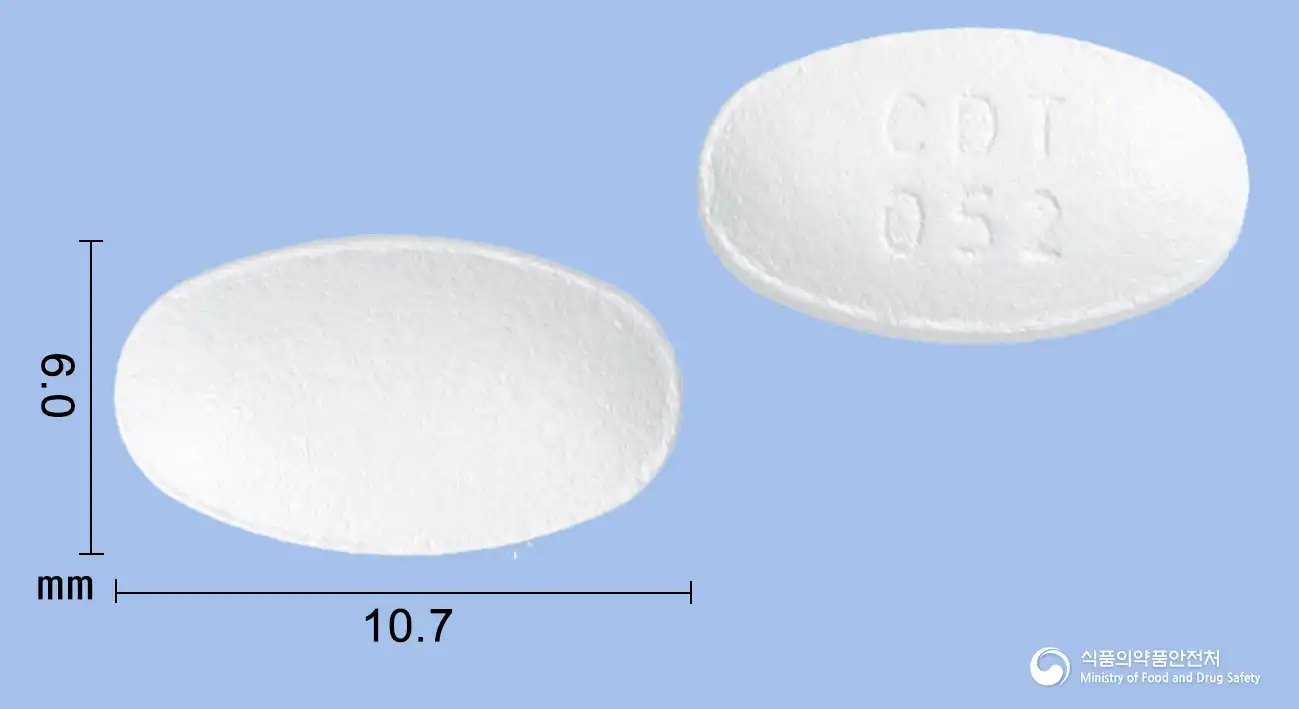 Combination
Atorvastatin Calcium Trihydrate 21.7mg · Amlodipine Besylate 6.94mg
Tablet · Prescription medication · Combination
Viatrise Korea Co., Ltd.
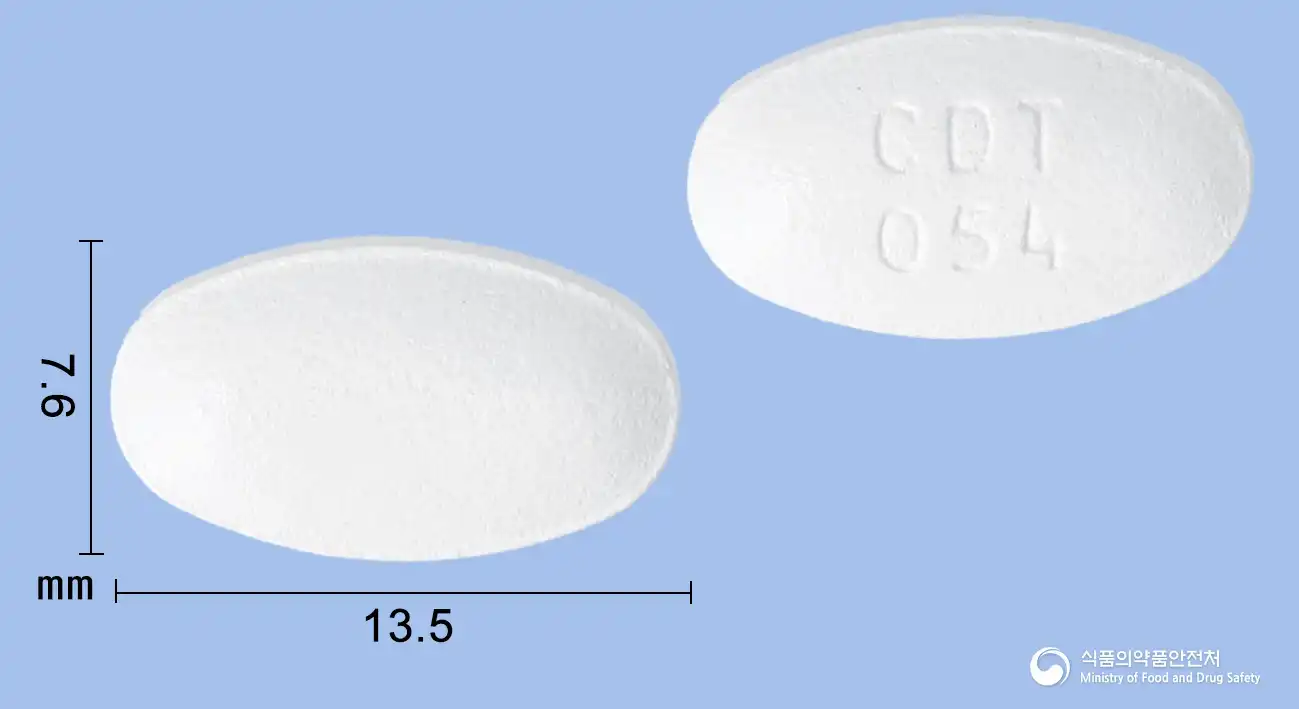 Combination
Atorvastatin Calcium Trihydrate 43.4mg · Amlodipine Besylate 6.94mg
Tablet · Prescription medication · Combination
Viatris Korea Co., Ltd.
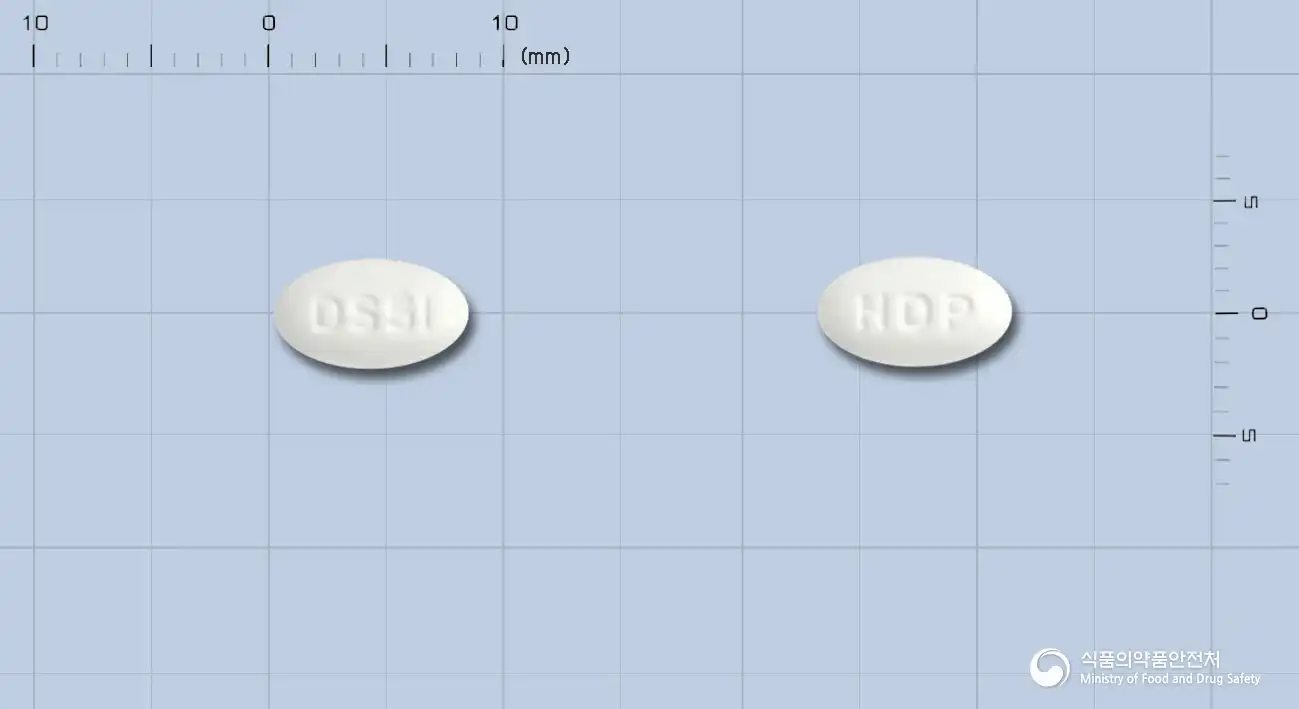 Combination
Atorvastatin Calcium Hydrate 10.85mg · Amlodipine Besylate 6.94mg
Tablet · Prescription medication · Combination
Hyundai Pharmaceutical Co., Ltd.
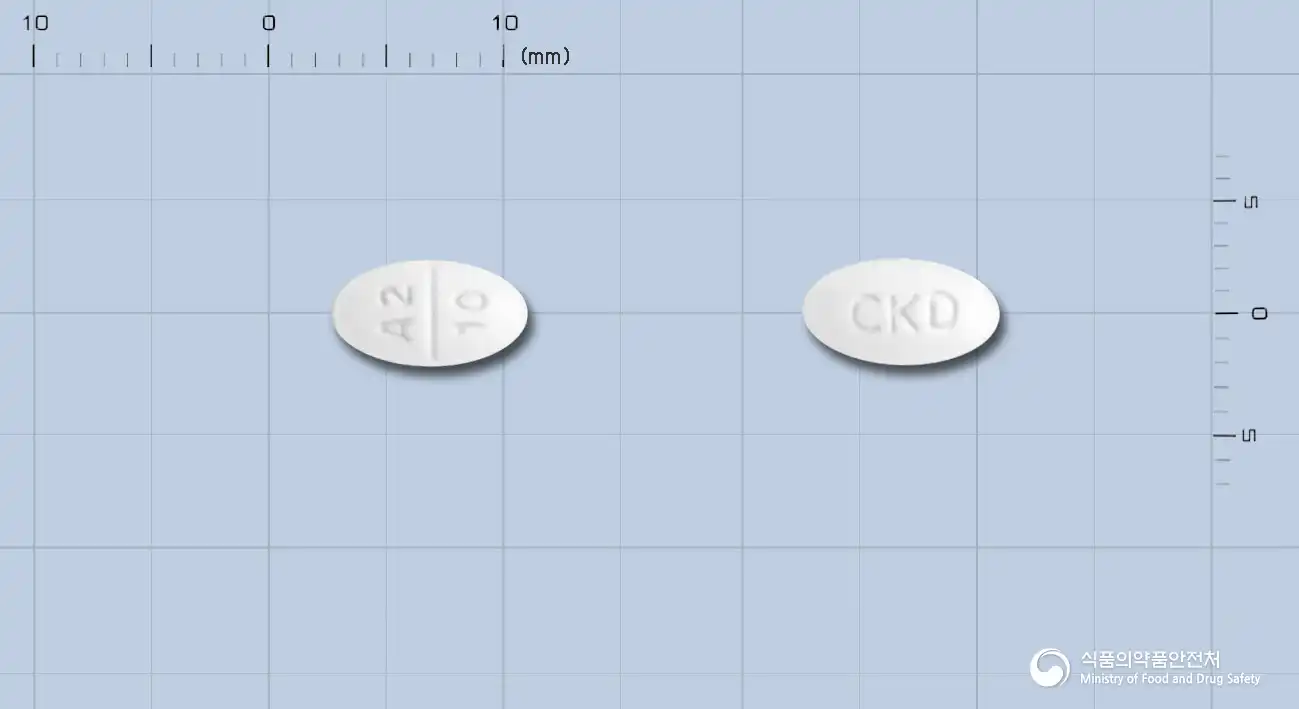 Combination
Amlodipine Besylate 6.94mg · Atorvastatin Calcium Trihydrate 10.36mg
Tablet · Prescription medication · Combination
Jongkundang Co., Ltd.
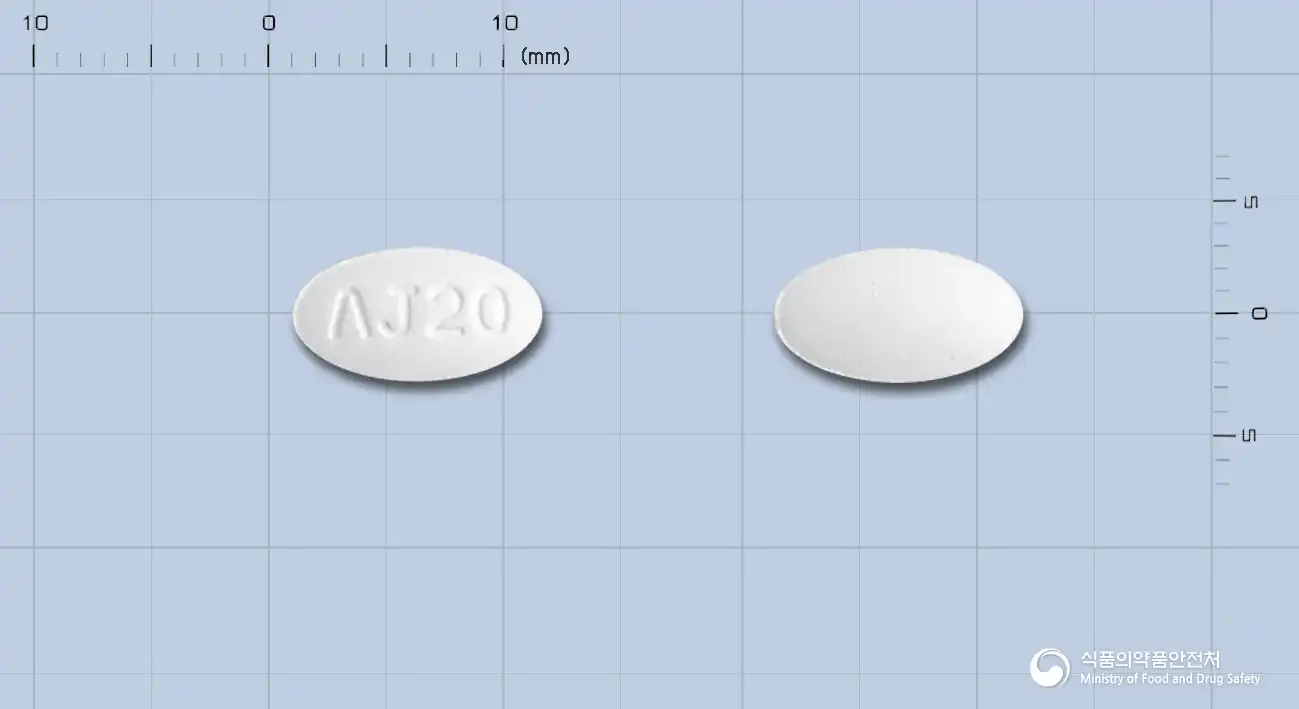 Combination
Atorvastatin Calcium 20.72mg · Amlodipine Besylate 6.94mg
Tablet · Prescription medication · Combination
Aju Pharmaceuticals Co., Ltd.
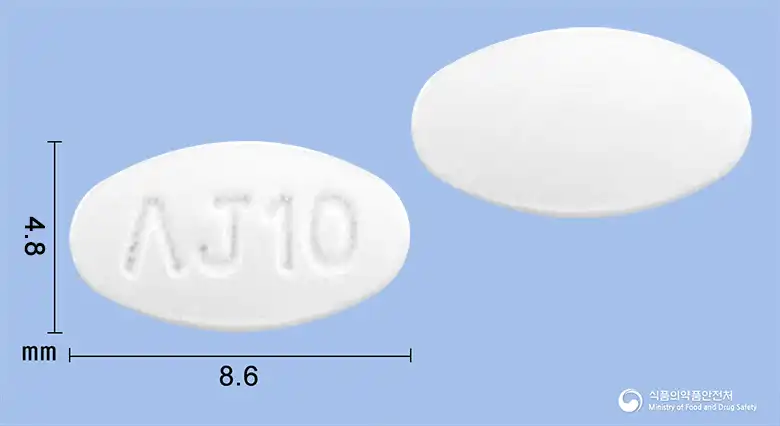 Combination
Atorvastatin Calcium 10.36mg · Amlodipine Besylate 6.94mg
Tablet · Prescription medication · Combination
Aju Pharmaceuticals Co., Ltd.
Even with the same ingredient, the dose and directions can differ by strength and dosage form. Talk to a doctor or pharmacist before switching from a medication you are already taking.
No questions yet.
For anything that needs medical judgment, consult a doctor or pharmacist.
This drug information is based on data provided by the Korea Ministry of Food and Drug Safety.
Consult a doctor or pharmacist for accurate dosage, administration, and usage instructions.