
 한국어
한국어 English
 日本語
日本語 中文(简体)
 Viewing nowCombination
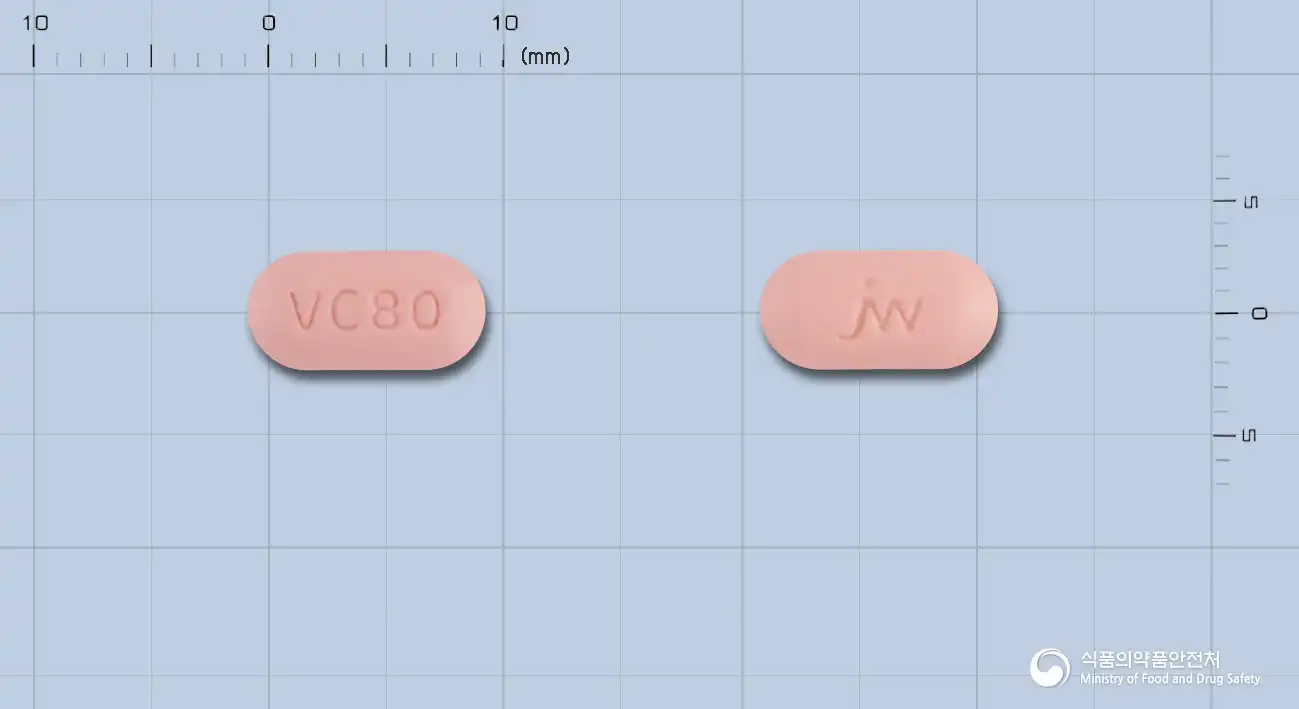
Covalasect Tablet 80/12.5 mg (Valsartan, Hydrochlorothiazide)
Valsartan 80mg · Hydrochlorothiazide 12.5mg
Tablet · Prescription medication · Combination
JW Pharmaceutical Co., Ltd.
MFDS item code 200807813 · Notified 2008.07.15 · Insurance code 644912390
Improvement in blood pressure control in essential hypertension
This medication is used to effectively control blood pressure in patients with essential hypertension whose blood pressure is not adequately controlled with monotherapy.
One tablet contains 80 mg of Valsartan/12.5 mg of Hydrochlorothiazide, taken once daily irrespective of meals, with a small amount of water. Prescribing 160 mg of Valsartan/12.5 mg of Hydrochlorothiazide is applicable if prescribed for blood pressure reduction. In cases of renal impairment: Dosage adjustment is not needed for patients with mild to moderate renal impairment (creatinine clearance 30)
This medication can cause serious harm to the fetus, especially when taken during the second and third trimesters of pregnancy, so it should be discontinued immediately if pregnancy is confirmed. It should not be used in patients who are allergic to any of its ingredients or have certain liver or kidney disorders. Patients with electrolyte imbalances such as hypokalemia, hyponatremia, or hypercalcemia, or severe renal or liver dysfunction should use this medication with caution. This medication may cause dizziness or drowsiness, so caution is required when driving or operating machinery. Potassium supplements or potassium-containing foods should not be taken without consulting a physician, and blood electrolyte levels should be monitored regularly. This medication may interact with other antihypertensive drugs, diuretics, lithium, and nonsteroidal anti-inflammatory drugs (NSAIDs), so patients must inform their doctor about any other medications they are taking. The hydrochlorothiazide component can increase sensitivity to sunlight and raise the risk of skin cancer, so sun exposure should be minimized and thorough sun protection should be practiced. Rarely, serious side effects such as angioedema, hepatitis, renal failure, hyperkalemia, hyponatremia, and shock may occur, so any abnormal symptoms should be promptly discussed with a healthcare provider. Safety and effectiveness in children have not been established, and caution is advised in the elderly based on renal function and other considerations. In case of overdose, hypotension, arrhythmias, and electrolyte abnormalities may occur, so immediate emergency treatment is required. This medication should be kept out of reach of children and stored in its original container away from moisture.
Hives, severe swelling (angioedema), chest tightness, difficulty breathing, cold sweat, pallor, severe rash with fever, blisters, skin peeling, pain in oral/eye mucous membranes, shortness of breath or difficulty breathing, asthma attacks, respiratory abnormalities accompanied by cough and fever, yellowing of the skin or eyes (jaundice), extreme lethargy, sudden and severe headache, thunderclap headache, seizures, confusion, visual disturbances, paralysis,
Not everyone experiences these, and they can vary from person to person.
This medication is sensitive to air and moisture, so it should be stored in a tightly closed container. The storage temperature should be kept below 30 degrees Celsius, and areas with high humidity should be avoided.
Bright orange oval film-coated tablets
30 tablets (10 tablets/PTP*3)
Even with the same ingredient, strength, dosage form and how it is taken can differ.
Viewing nowCombinationValsartan 80mg · Hydrochlorothiazide 12.5mg
Tablet · Prescription medication · Combination
JW Pharmaceutical Co., Ltd.
 Combination
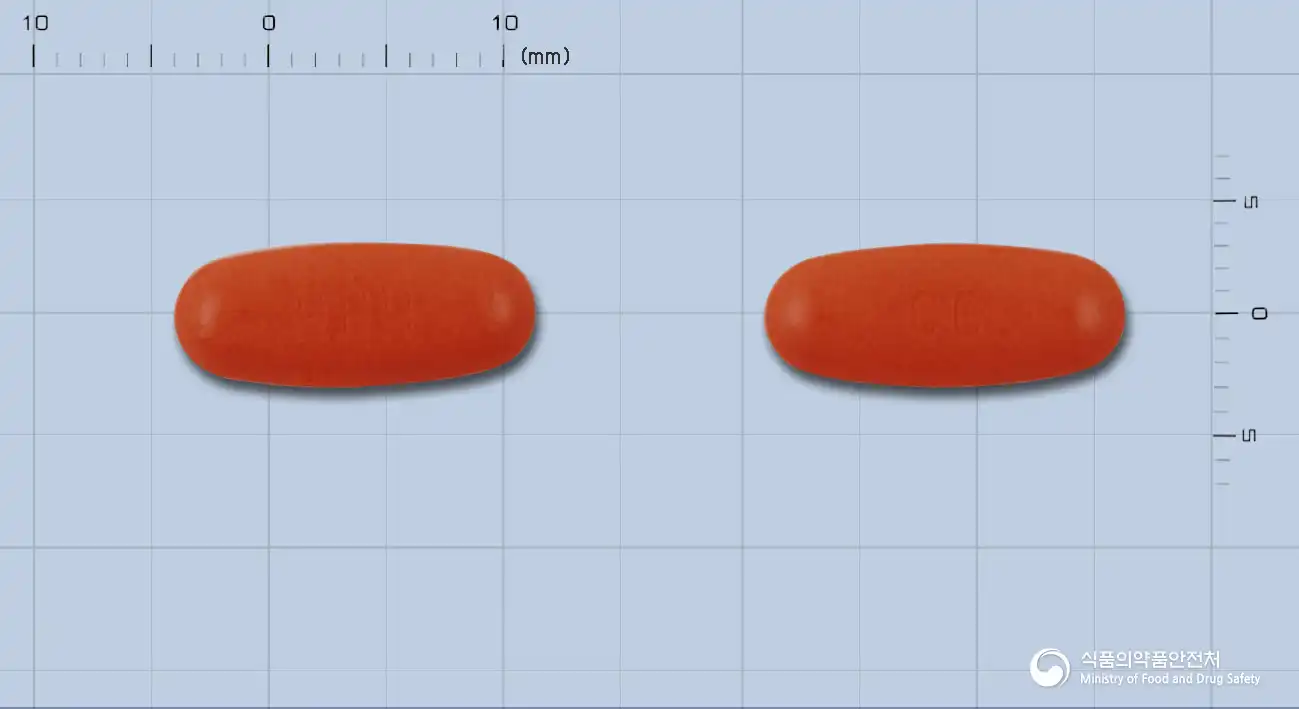
Valsartan 160mg · Hydrochlorothiazide 12.5mg
Tablet · Prescription medication · Combination
Novartis Korea Co., Ltd.
Valsartan · Hydrochlorothiazide
Prescription medication · Combination
Sandoz Korea Co., Ltd.
Valsartan · Hydrochlorothiazide
Prescription medication · Combination
Sandoz Korea Co., Ltd.
 Combination
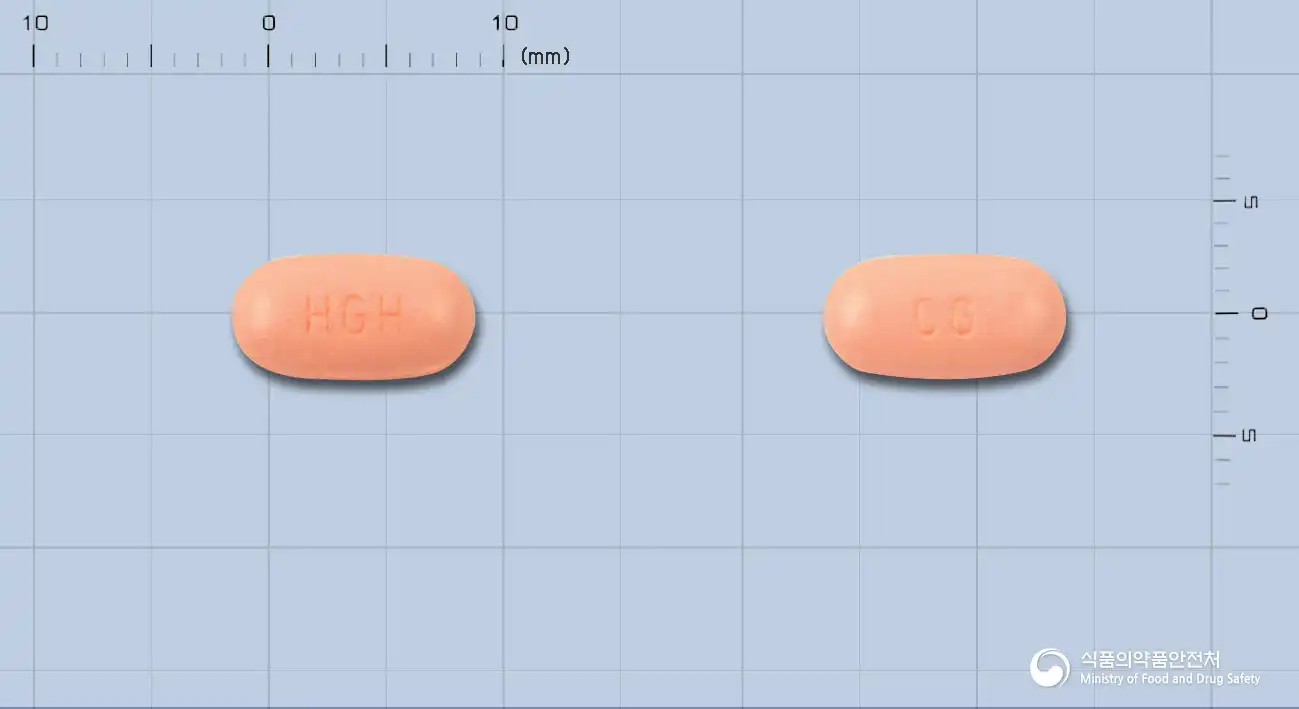
Valsartan 80mg · Hydrochlorothiazide 12.5mg
Tablet · Prescription medication · Combination
Novartis Korea Co., Ltd.
 Combination
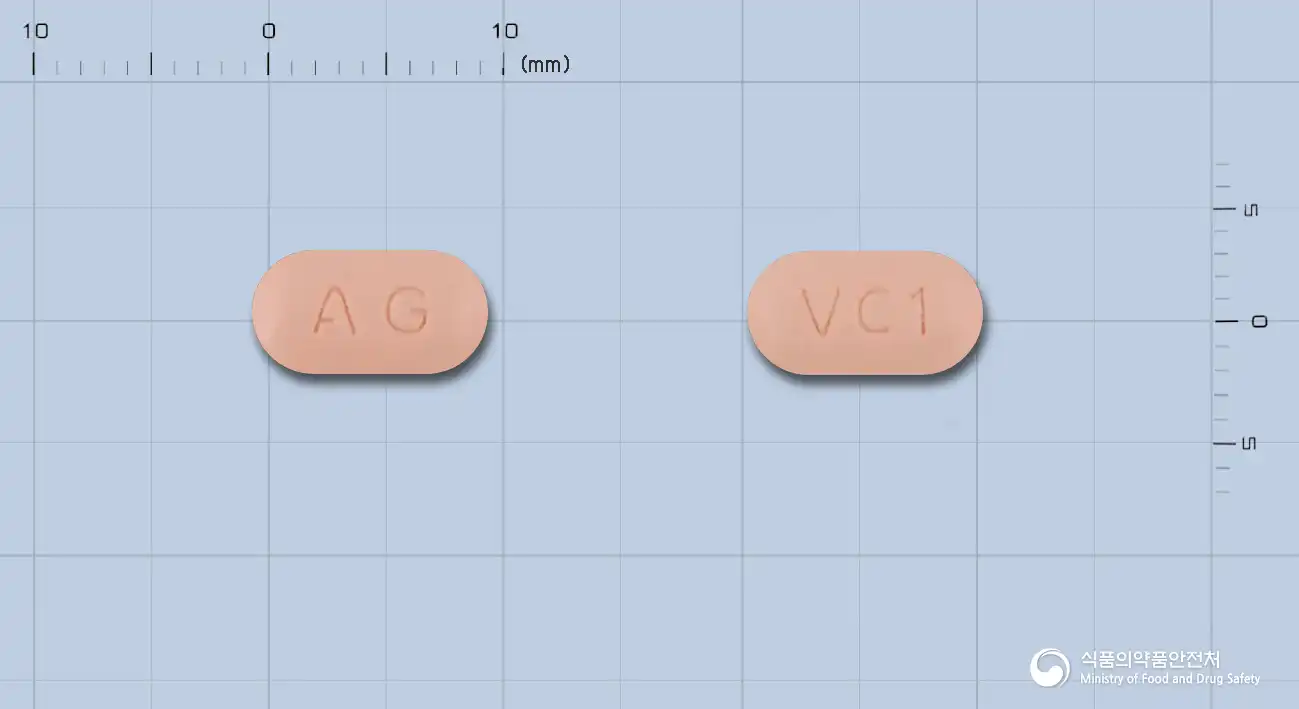
Valsartan 80mg · Hydrochlorothiazide 12.5mg
Tablet · Prescription medication · Combination
Anguk Pharmaceutical Co., Ltd.
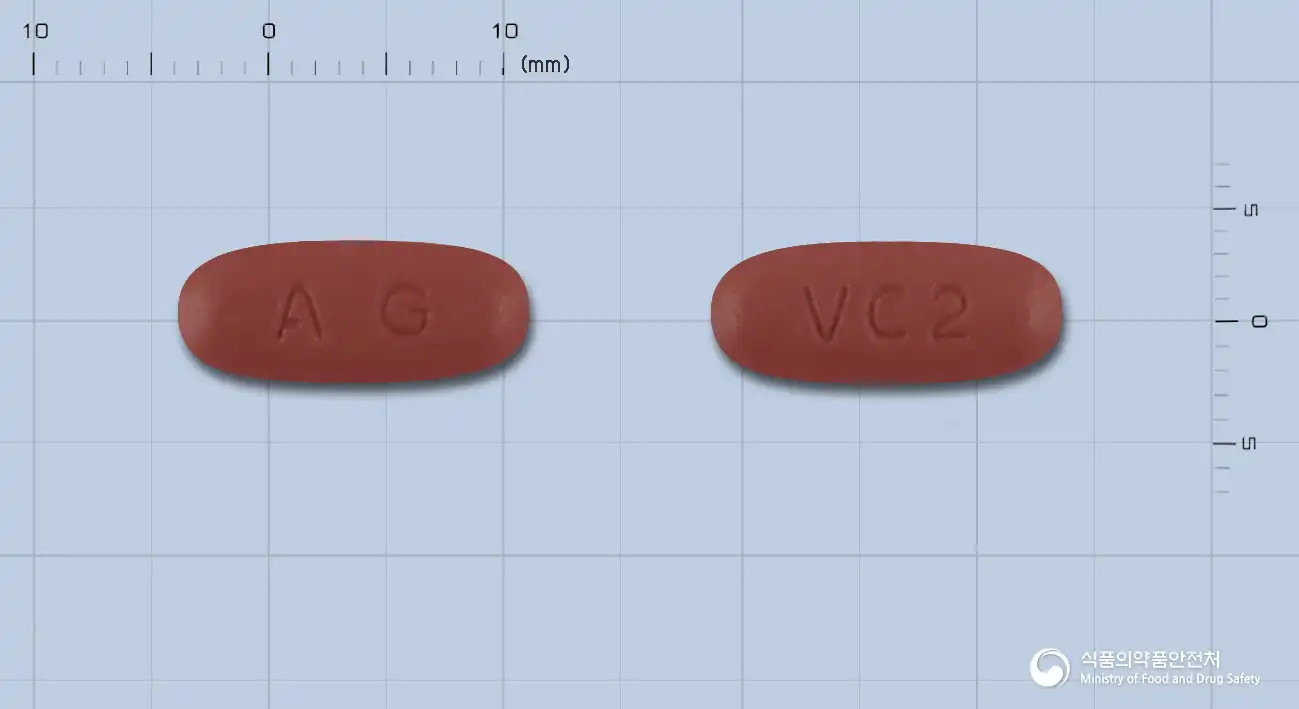 Combination
Valsartan 160mg · Hydrochlorothiazide 12.5mg
Tablet · Prescription medication · Combination
Anguk Pharmaceutical Co., Ltd.
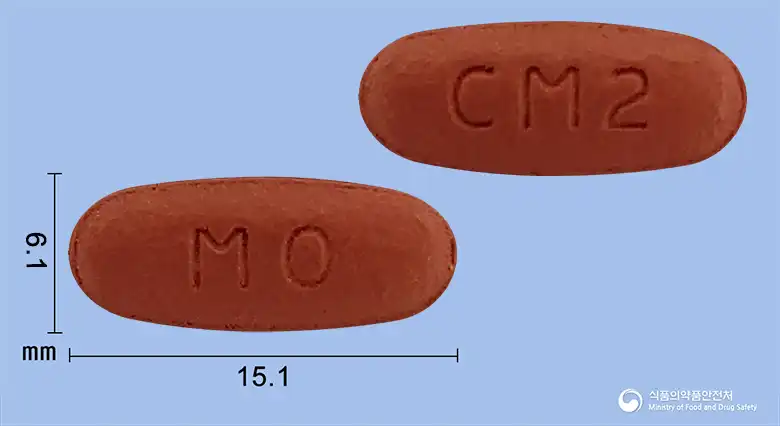 Combination
Valsartan 160mg · Hydrochlorothiazide 12.5mg
Tablet · Prescription medication · Combination
Albozen Korea Co., Ltd.
Even with the same ingredient, the dose and directions can differ by strength and dosage form. Talk to a doctor or pharmacist before switching from a medication you are already taking.
No questions yet.
For anything that needs medical judgment, consult a doctor or pharmacist.
This drug information is based on data provided by the Korea Ministry of Food and Drug Safety.
Consult a doctor or pharmacist for accurate dosage, administration, and usage instructions.