
 한국어
한국어 English
 日本語
日本語 中文(简体)
 Viewing nowCombination
Ivertan Duo Tablet 150/12.5 mg
Irbesartan 150mg · Hydrochlorothiazide 12.5mg
Tablet · Prescription medication · Combination
BC World Pharmaceutical Co., Ltd.
MFDS item code 200807710 · Notified 2008.07.11 · Insurance code 653102120
Control and treatment effect of essential hypertension
This medication is used to control blood pressure in patients with essential hypertension. It is administered when blood pressure cannot be adequately controlled with monotherapy, or in the case of moderate to severe hypertension when it is necessary to use a combination therapy as an initial treatment. This helps to effectively lower blood pressure and reach treatment goals. As a result, it is used to reduce the risk of complications from hypertension and improve health.
This medication is administered once daily, regardless of meals. 1. For patients whose blood pressure is not sufficiently controlled with monotherapy, administer 1 tablet of Irbesartan 150 mg/Hydrochlorothiazide 12.5 mg once daily. 2. For patients whose blood pressure is not adequately controlled with Irbesartan 300 mg/Hydrochlorothiazide 12.5 mg, administer 1 tablet once daily. 3. Irbesartan 300 mg/Hydrochlorothiazide 25 mg should be administered once daily to patients whose blood pressure is not adequately controlled with Irbesartan 300 mg/Hydrochlorothiazide 12.5 mg. Doses exceeding Irbesartan 300 mg/Hydrochlorothiazide 25 mg are not recommended. If necessary, this medication may be combined with other antihypertensives. 2. When considering initial therapy for patients with moderate or severe hypertension (stage 2), individualization should take into account baseline blood pressure, target treatment blood pressure, and expected increases in achieving treatment goals compared to monotherapy. Typically, treatment starts with 1 tablet of Irbesartan 150 mg/Hydrochlorothiazide 12.5 mg once daily, and if blood pressure control is needed, it can be increased to a maximum of Irbesartan 300 mg/Hydrochlorothiazide 25 mg after 1 to 2 weeks. It is not recommended to initiate this medication in patients with intravascular volume depletion. ○ Patients with Kidney Disability Due to the hydrochlorothiazide component, this medication is not recommended for patients with severe kidney impairment (creatinine clearance < 30 mL/min). Loop diuretics are preferred for these patient groups. No dosage adjustment is needed for patients with creatinine clearance above 30 mL/min. ○ Patients with Volume Depletion If sodium and/or fluid loss has occurred, equilibrium should be established before administering this medication. ○ Patients with Liver Disability This medication is not used in patients with severe liver impairment. Thiazide-type medications should be used cautiously in patients with liver impairment. No dose adjustment is needed for mild to moderate liver impairment patients. ○ Elderly Patients No dose adjustments are needed for elderly patients. ○ Pediatric Patients The safety and efficacy of this medication have not been established in pediatric and adolescent patients under 18 years of age.
This medication can cause serious harm to the fetus or newborn if taken during pregnancy, especially in the second and third trimesters, so it should be stopped immediately upon confirmation of pregnancy. Patients who are pregnant or may become pregnant, nursing mothers, patients with specific kidney or liver diseases, and patients with hypersensitivity to certain drugs should not take this medication. Side effects such as dizziness, fatigue, nausea, and vomiting may occur, and in rare cases, symptoms like skin rash, blood pressure drop, and kidney function abnormalities may also arise, so it is necessary to consult a healthcare provider if unusual symptoms occur. During treatment with this medication, it is important to regularly monitor kidney function and electrolyte levels through blood tests, particularly noting potassium levels to ensure they do not become too high or low. Avoid strong sunlight or UV exposure when taking this medication, as it can cause increased sensitivity to sunlight, and it is advisable to use sunscreen when going outdoors. Dizziness or fatigue may occur, and caution is advised when driving or operating machinery. If there is a risk of low blood pressure, be mindful of salt intake and hydration. It may interact with other antihypertensive medications or specific drugs, so inform your healthcare provider of any medications you are taking. This medication is not recommended for use in pregnant or nursing women, as well as in children or adolescents. Elderly patients may require dosage adjustments, so they should take it according to the instructions of a healthcare provider. In case of overdose, symptoms such as low blood pressure, electrolyte imbalance, or dehydration may occur, so seek medical attention immediately if unusual symptoms appear. This medication should be kept out of reach of children and stored in its original container to prevent misuse or quality degradation.
Urticaria, severe swelling (edema), chest tightness, difficulty breathing, cold sweat, pallor, severe rash with fever, blisters, skin shedding, pain in mouth/eye mucous membranes, shortness of breath or difficulty breathing, asthma attacks, respiratory abnormalities accompanied by coughing and fever, yellowing of skin or eyes (jaundice), extreme lethargy, sudden and severe headache, thunderclap headache, seizures, confusion, visual disturbances, paralysis,
Dizziness, fatigue, nausea/vomiting, abnormal urination, increased BUN, elevated creatine kinase, increased creatinine, orthostatic dizziness, headache, tachycardia, flushing, diarrhea, dyspepsia, taste disturbances, sexual dysfunction, changes in libido, hepatitis, abnormal liver function, gastrointestinal disturbances (nausea, vomiting, frequent urination, tachycardia, etc.), joint pain, muscle pain, tinnitus, decreased serum potassium and sodium, hyperkalemia, angioedema, rash, urticaria,
Not everyone experiences these, and they can vary from person to person.
This medication may be sensitive to air or moisture, so it must be stored in a tightly closed container. It is recommended to keep it at room temperature between 1 degree and 30 degrees Celsius. This will help maintain the effectiveness of the medication and prevent degradation.
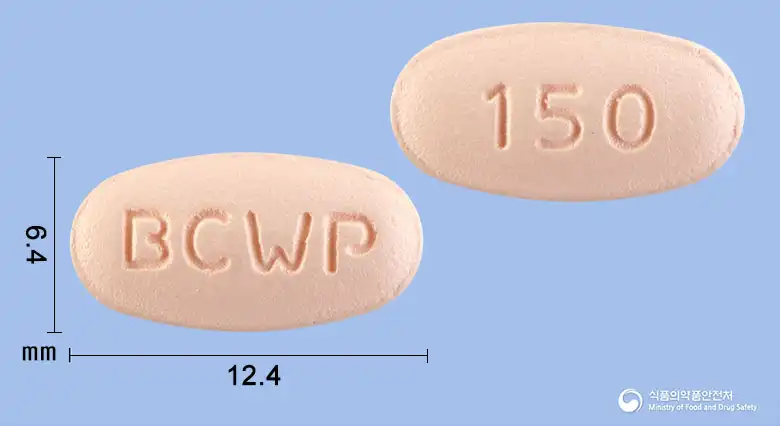
Pink, biconvex, rectangular film-coated tablets
30 tablets/bottle, 100 tablets/bottle
Even with the same ingredient, strength, dosage form and how it is taken can differ.
Viewing nowCombinationIrbesartan 150mg · Hydrochlorothiazide 12.5mg
Tablet · Prescription medication · Combination
BC World Pharmaceutical Co., Ltd.
 Combination
Irbesartan 300mg · Hydrochlorothiazide 12.5mg
Tablet · Prescription medication · Combination
Handok Co., Ltd.
 Combination
Irbesartan 150mg · Hydrochlorothiazide 12.5mg
Tablet · Prescription medication · Combination
Handok Co., Ltd.
 Combination
Irbesartan 150mg · Hydrochlorothiazide 12.5mg
Tablet · Prescription medication · Combination
Samchundang Pharmaceutical Co., Ltd.
Irbesartan 150mg · Hydrochlorothiazide 12.5mg
Tablet · Prescription medication · Combination
Shinil Pharmaceutical Co., Ltd.
Irbesartan 150mg · Hydrochlorothiazide 12.5mg
Tablet · Prescription medication · Combination
Dongwha Pharmaceutical Co., Ltd.
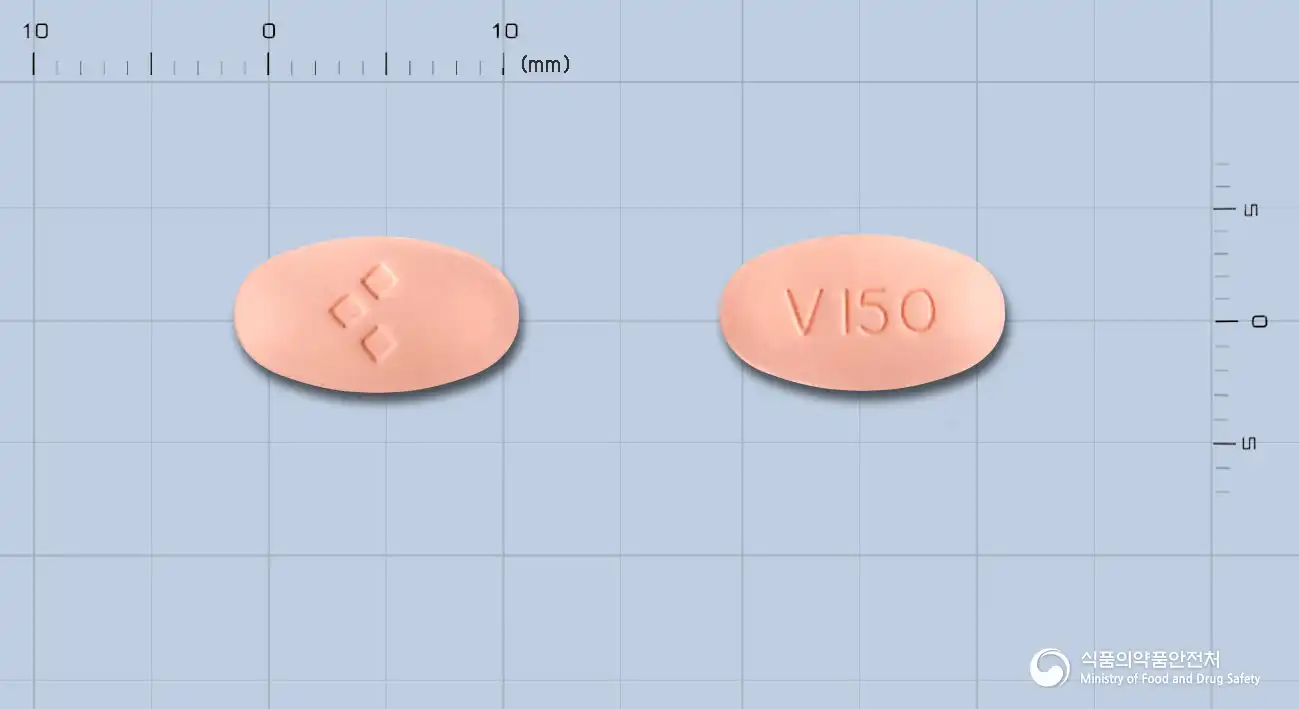 Combination
Irbesartan 150mg · Hydrochlorothiazide 12.5mg
Tablet · Prescription medication · Combination
Myungin Pharmaceutical Co., Ltd.
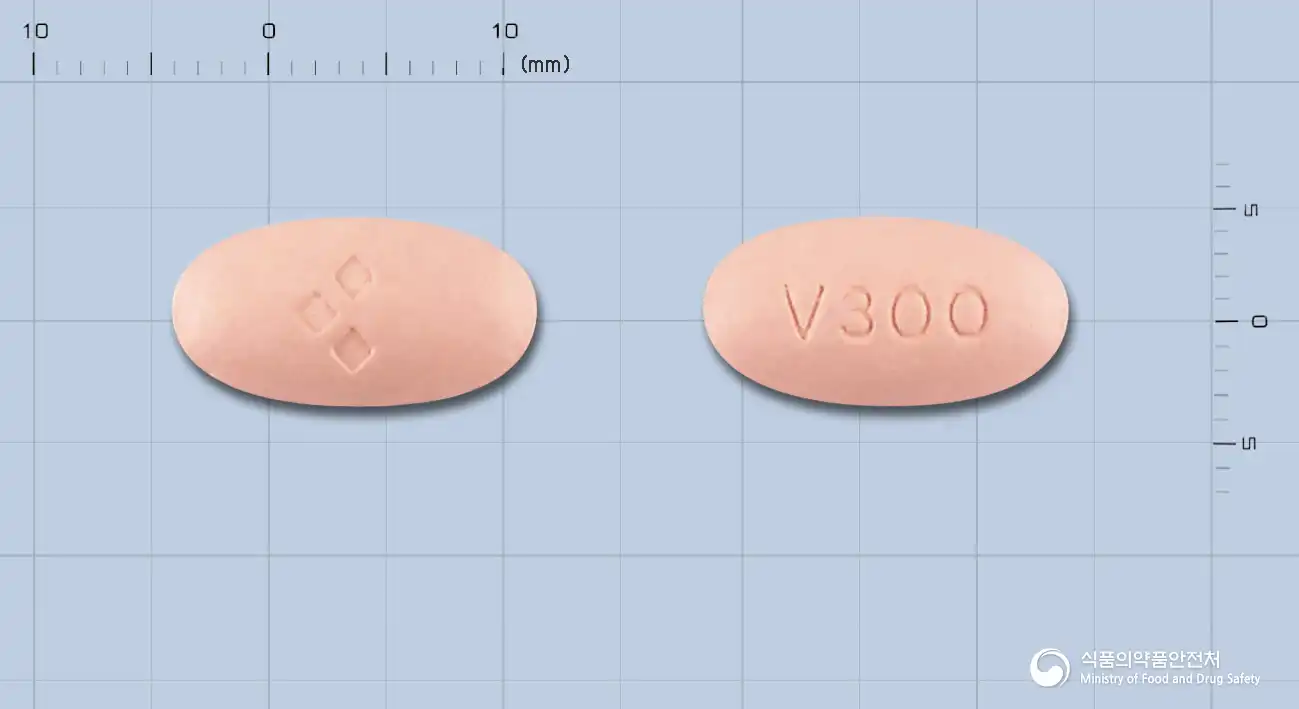 Combination
Irbesartan 300mg · Hydrochlorothiazide 12.5mg
Tablet · Prescription medication · Combination
Myungin Pharmaceutical Co., Ltd.
Even with the same ingredient, the dose and directions can differ by strength and dosage form. Talk to a doctor or pharmacist before switching from a medication you are already taking.
No questions yet.
For anything that needs medical judgment, consult a doctor or pharmacist.
This drug information is based on data provided by the Korea Ministry of Food and Drug Safety.
Consult a doctor or pharmacist for accurate dosage, administration, and usage instructions.