
 한국어
한국어 English
 日本語
日本語 中文(简体)
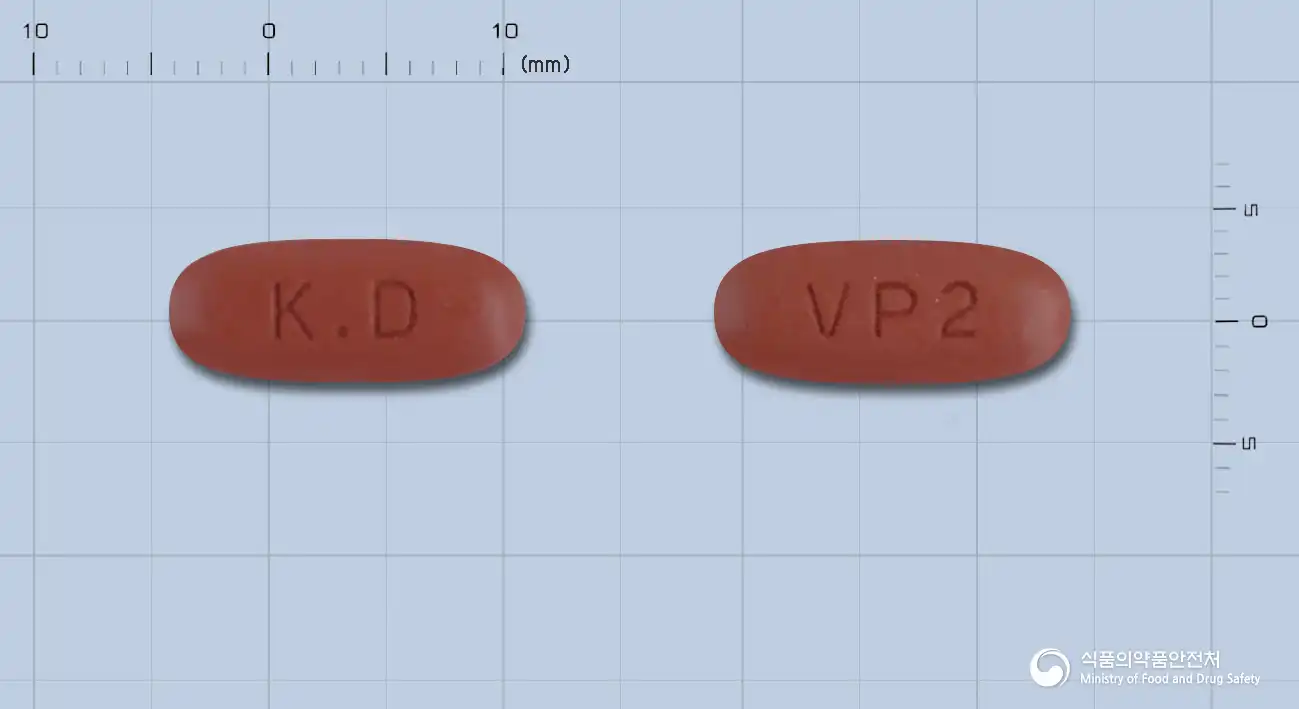 Viewing nowCombination
Viban Plus Tablet 160/12.5 mg
Valsartan 160mg · Hydrochlorothiazide 12.5mg
Tablet · Prescription medication · Combination
Kwangdong Pharmaceutical Co., Ltd.
MFDS item code 200807634 · Notified 2008.07.10 · Insurance code 641805050
Improvement in blood pressure control for essential hypertension
This medication is used to effectively lower blood pressure in patients with essential hypertension who do not achieve adequate blood pressure control with monotherapy.
The recommended dosage is one tablet of Valsartan 80 mg/Hydrochlorothiazide 12.5 mg once daily, which can be taken with or without food and should be swallowed with a small amount of water. Valsartan 160 mg/Hydrochlorothiazide 12.5 mg is applicable when prescribed for blood pressure reduction. No dosage adjustment is necessary for patients with mild to moderate renal impairment (creatinine clearance of 30 mL/min or greater).
This medication poses a serious risk of harm or death to the fetus, especially in the second and third trimesters of pregnancy, so it should be discontinued immediately upon confirmation of pregnancy. Patients with allergies to the ingredients in this medication or to sulfonamide drugs should not take it, nor should it be used in patients with severe liver impairment or significantly reduced kidney function. Furthermore, this medication can cause electrolyte imbalances such as hypokalemia, hyponatremia, and hypercalcemia, so patients with unstable electrolyte status should use it with caution. In elderly patients or those with heart failure or post-myocardial infarction who may have compromised kidney function, renal function should be monitored regularly during treatment. The hydrochlorothiazide component may increase the risk of skin cancer due to photosensitivity, so sun protection and regular observation of skin condition is crucial during treatment. Dizziness or drowsiness may occur with this medication, so caution is advised when driving or operating machinery. Do not take potassium supplements or potassium-containing salts without consulting a physician, and report to healthcare providers immediately if blood pressure becomes excessively low. This medication may interact with other drugs, so consultation with a physician is essential, especially when taking lithium, NSAIDs, potassium-sparing diuretics, or diabetes medications concurrently. It is advisable for pregnant or nursing women to avoid taking this medication, and it is not used in pediatric patients as safety and efficacy have not been established. In case of overdose, symptoms such as hypotension, arrhythmias, and electrolyte abnormalities may occur, so the dosage should be strictly adhered to and any abnormal symptoms should prompt immediate consultation with a healthcare provider. Store the medication out of reach of children, and keep it in the original container to protect it from moisture, avoiding transferring it to another container.
Hives, severe swelling, chest tightness, difficulty breathing, cold sweat, pallor, severe rash with high fever, blisters, peeling skin, pain in mucous membranes of mouth/eyes, shortness of breath or difficulty breathing, asthma attack, respiratory disturbances accompanied by cough and fever, yellowing of skin or eyes (jaundice), severe fatigue, sudden and severe headaches, thunderclap headaches, seizures, altered consciousness, visual disturbances, paralysis, changes in urine output,
Not everyone experiences these, and they can vary from person to person.
This medication is sensitive to air and moisture, so it should be stored in a tightly closed container in a cool place. It is particularly recommended to store it in a location where the temperature is below 30 degrees Celsius.
Dark red oval film-coated tablet
30 tablets, 100 tablets/bottle
Even with the same ingredient, strength, dosage form and how it is taken can differ.
Viewing nowCombinationValsartan 160mg · Hydrochlorothiazide 12.5mg
Tablet · Prescription medication · Combination
Kwangdong Pharmaceutical Co., Ltd.
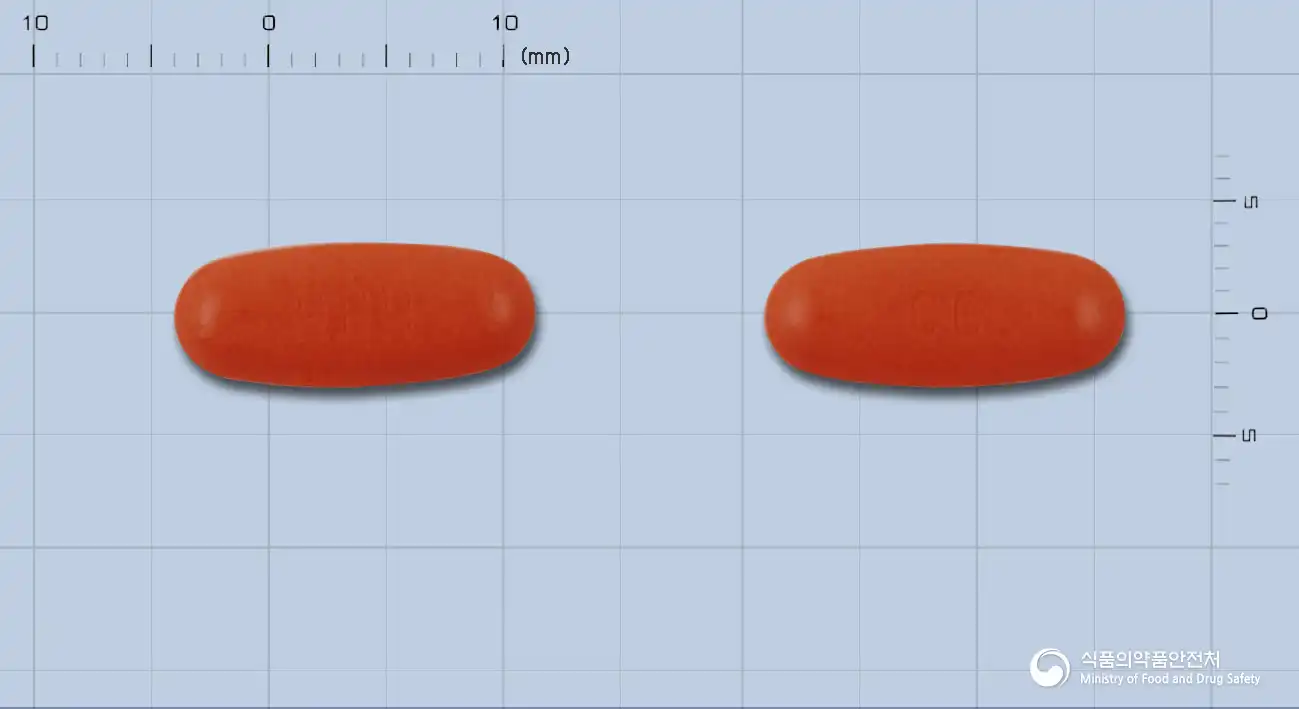 Combination
Valsartan 160mg · Hydrochlorothiazide 12.5mg
Tablet · Prescription medication · Combination
Novartis Korea Co., Ltd.
Valsartan · Hydrochlorothiazide
Prescription medication · Combination
Sandoz Korea Co., Ltd.
Valsartan · Hydrochlorothiazide
Prescription medication · Combination
Sandoz Korea Co., Ltd.
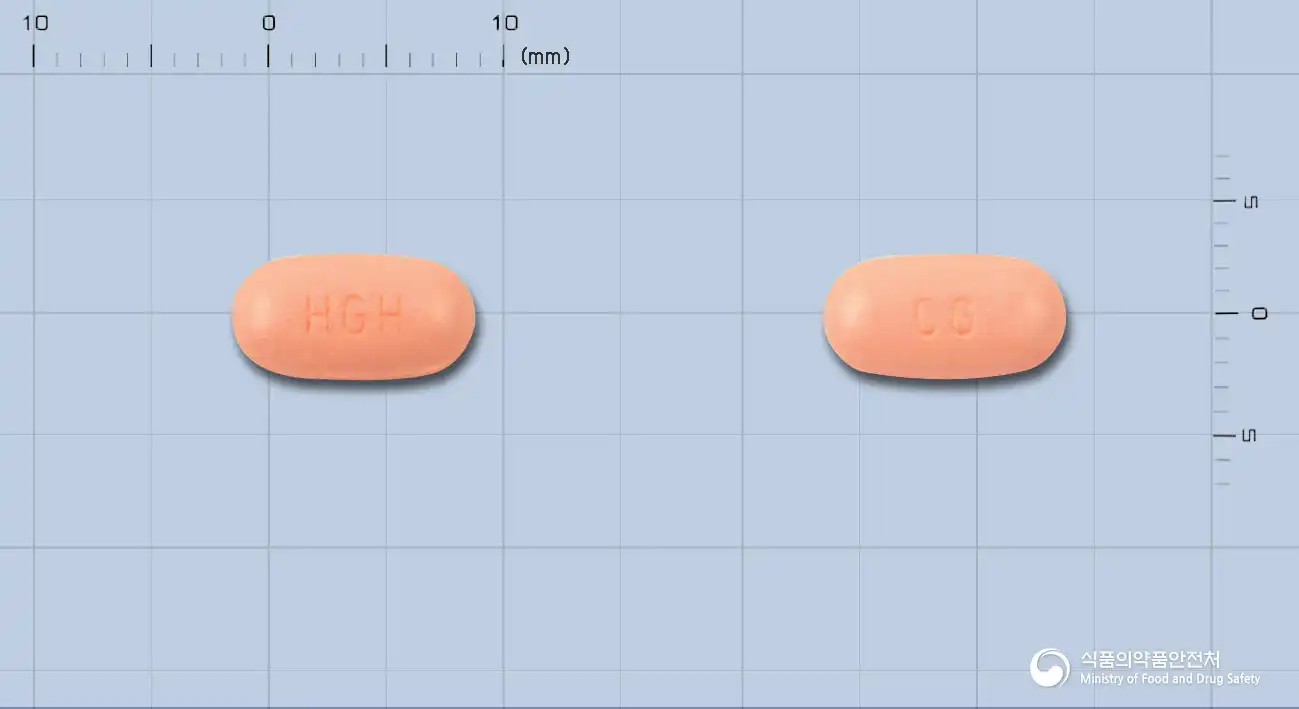 Combination
Valsartan 80mg · Hydrochlorothiazide 12.5mg
Tablet · Prescription medication · Combination
Novartis Korea Co., Ltd.
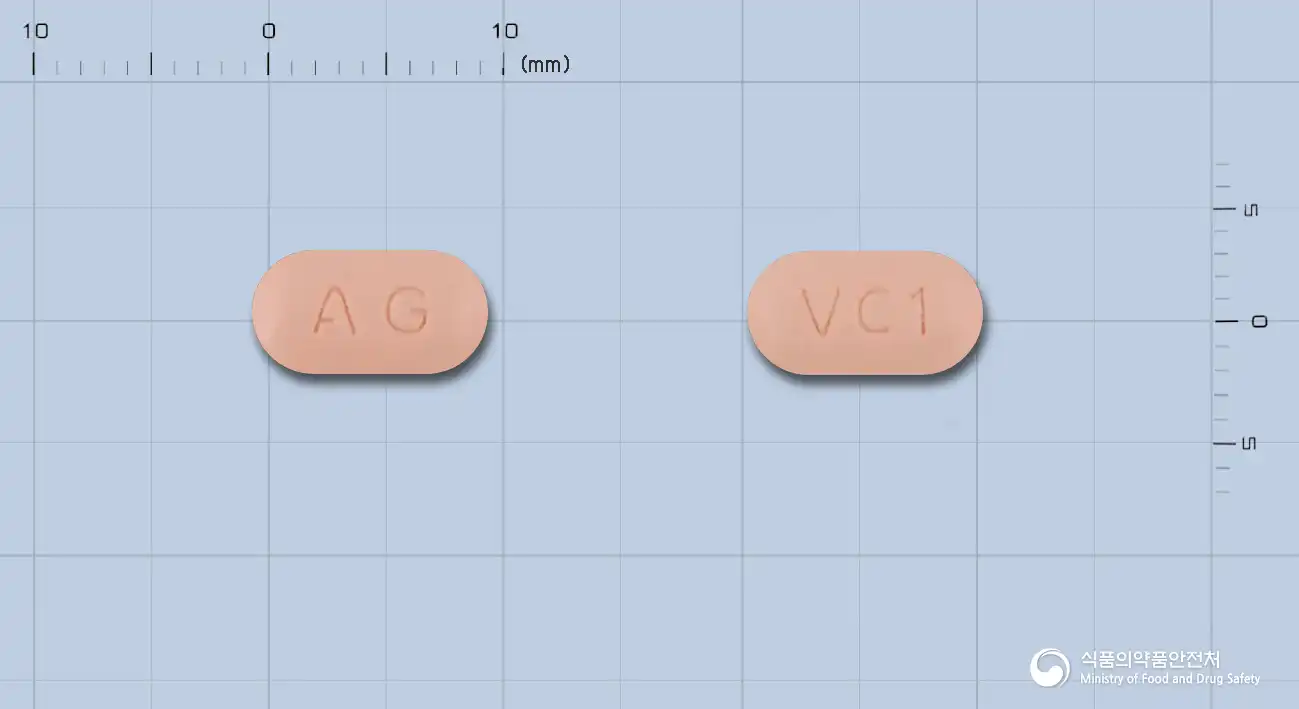 Combination
Valsartan 80mg · Hydrochlorothiazide 12.5mg
Tablet · Prescription medication · Combination
Anguk Pharmaceutical Co., Ltd.
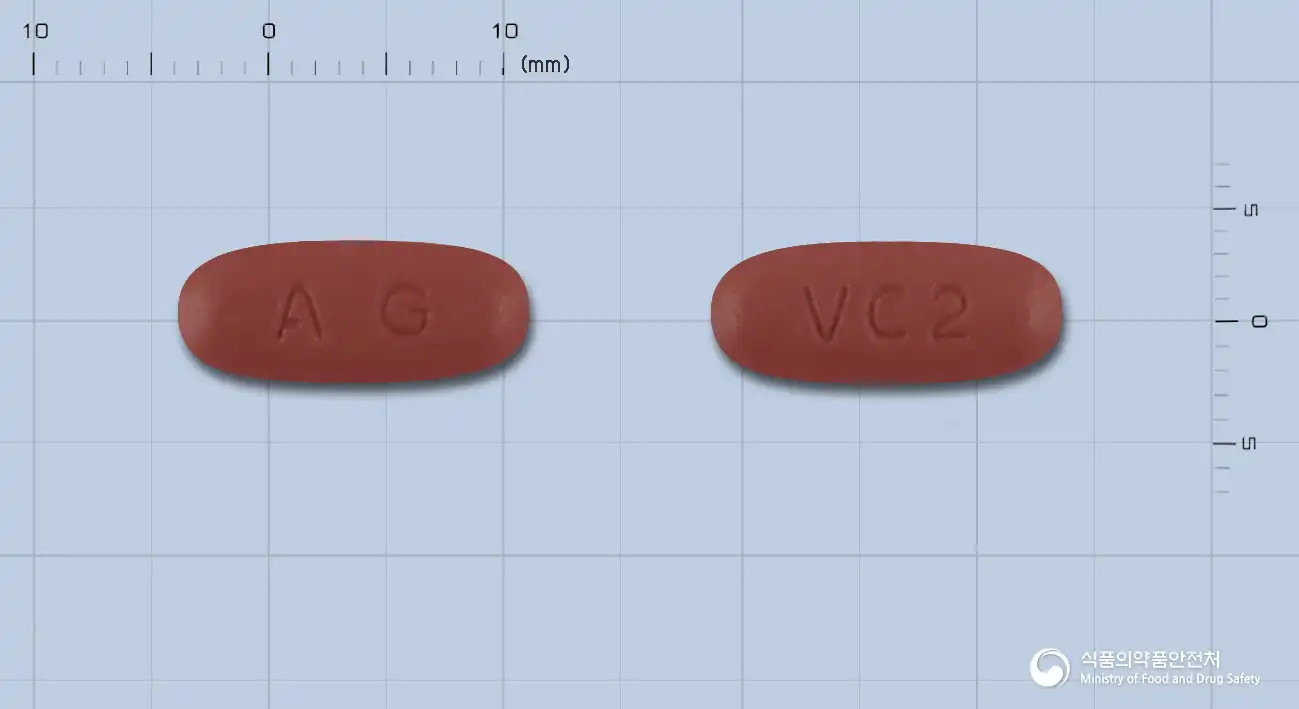 Combination
Valsartan 160mg · Hydrochlorothiazide 12.5mg
Tablet · Prescription medication · Combination
Anguk Pharmaceutical Co., Ltd.
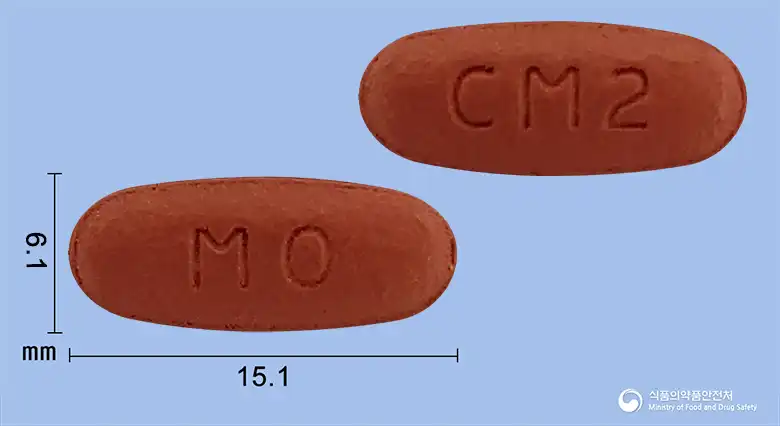 Combination
Valsartan 160mg · Hydrochlorothiazide 12.5mg
Tablet · Prescription medication · Combination
Albozen Korea Co., Ltd.
Even with the same ingredient, the dose and directions can differ by strength and dosage form. Talk to a doctor or pharmacist before switching from a medication you are already taking.
No questions yet.
For anything that needs medical judgment, consult a doctor or pharmacist.
This drug information is based on data provided by the Korea Ministry of Food and Drug Safety.
Consult a doctor or pharmacist for accurate dosage, administration, and usage instructions.