
 한국어
한국어 English
 日本語
日本語 中文(简体)
 Viewing nowCombination
Cozaar Plus Pro Tablet
Losartan Potassium 100mg · Hydrochlorothiazide 12.5mg
Tablet · Prescription medication · Combination
Korea Organon Co., Ltd.
MFDS item code 200807526 · Notified 2008.07.07 · Insurance code 073100360
Improvement of blood pressure control in hypertension inadequately managed by monotherapy
This medication is used to effectively lower and control blood pressure in patients with hypertension where adequate control is not achieved by monotherapy.
Losartan Potassium 50 mg/Hydrochlorothiazide 12.5 mg once daily as one tablet. A dose exceeding Losartan Potassium 100 mg/Hydrochlorothiazide 25 mg per day is not advisable. - Patients whose blood pressure is not controlled with Losartan or Hydrochlorothiazide monotherapy should begin treatment with Losartan Potassium 50 mg/Hydrochlorothiazide 12.5 mg once daily; if blood pressure remains uncontrolled after 3 weeks, the maximum dose may be 1.
There is no experience with use in children and adolescents, hence it should not be administered.
This medication can pose a serious risk to the fetus and newborn during pregnancy, so it should be discontinued immediately upon confirmation of pregnancy. Pregnant women or those who may become pregnant should not use this medication as it can affect the development of the fetus's lungs or skeleton. This medication should not be administered to patients with certain conditions, such as anuria, severe hepatic or renal impairment, hyperuricemia, or severe electrolyte disturbances. Additionally, those with hypersensitivity to this medication or allergies to sulfonamide drugs should avoid its use. Patients with hypotension, impaired kidney function, liver disease, cerebrovascular disease, or diabetes should use this medication cautiously and have their condition regularly monitored while on treatment. The hydrochlorothiazide component may cause electrolyte imbalances, so electrolyte levels should be regularly checked through blood tests. This medication can lower blood pressure, so dizziness or drowsiness may occur at the beginning of treatment or when adjusting the dose; caution is advised when driving or operating machinery. There may be interactions with other medications, so special care should be taken to avoid concurrent use with potassium supplements or potassium-sparing diuretics. It is advisable to avoid grapefruit juice while taking this medication, and exposure to sunlight should be limited since the risk of skin cancer may increase; skin condition should be periodically monitored. This medication has not been studied in children and adolescents, so it should not be administered to them. Elderly patients may experience adverse reactions more frequently, hence caution is required. If any unusual symptoms occur during treatment, consult a healthcare professional immediately, and discuss with a doctor if pregnant or planning to become pregnant. Finally, this medication should be stored out of reach of children and securely stored in its original container.
Urticaria, severe swelling (edema), angioedema (swelling of lips and eyelids and facial rash), angioedema (swelling of the airway causing potential laryngeal/pharyngeal edema, swelling of the face/lips/pharynx/tongue). Severe cutaneous adverse reactions: Severe rashes with fever, blisters, skin peeling, pain in oral/ocular mucous membranes (e.g., mucocutaneous syndrome (Stevens-Johnson syndrome), toxic epidermal necrolysis (Lyell's syndrome)). Respiratory issues: Shortness of breath.
General: Abdominal pain, weakness/fatigue, diarrhea, nausea, headache, malaise, chest pain, facial swelling, fever, orthostatic hypotension, syncope. Cardiovascular: Palpitations, angina, arrhythmias (atrial fibrillation, sinus bradycardia, tachycardia, ventricular tachycardia, ventricular fibrillation), hypotension, myocardial infarction, secondary atrioventricular block. Gastrointestinal: Anorexia, constipation, toothache, dry mouth, dyspepsia, flatulence, gastritis, vomiting, hepatitis, pancreatitis, sialadenitis, gastric irritation. Hematological: Anemia, regeneration.
Not everyone experiences these, and they can vary from person to person.
This medication should be stored in a light-resistant container due to sensitivity to light. Additionally, it should be kept at room temperature between 1°C and 30°C. Storing in this manner will help maintain the medication's efficacy and safety.
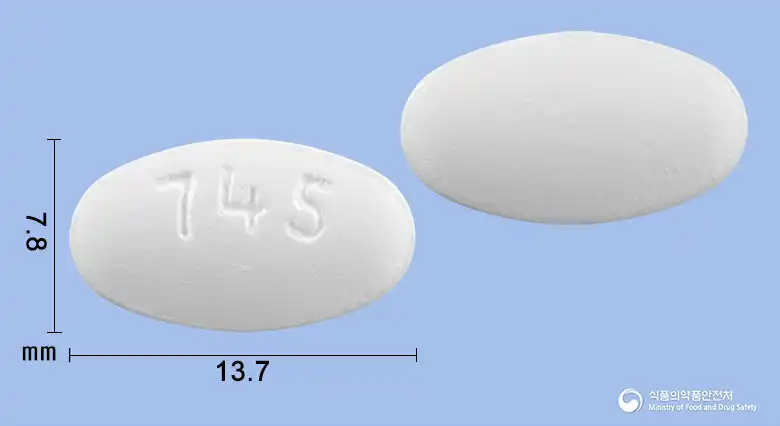
An oval film-coated tablet ranging from white to grayish-white with “745” engraved on one side.
30 tablets (10 tablets/PTP x 3 PTP), 100 tablets (100 tablets/bottle)
Even with the same ingredient, strength, dosage form and how it is taken can differ.
Viewing nowCombinationLosartan Potassium 100mg · Hydrochlorothiazide 12.5mg
Tablet · Prescription medication · Combination
Korea Organon Co., Ltd.
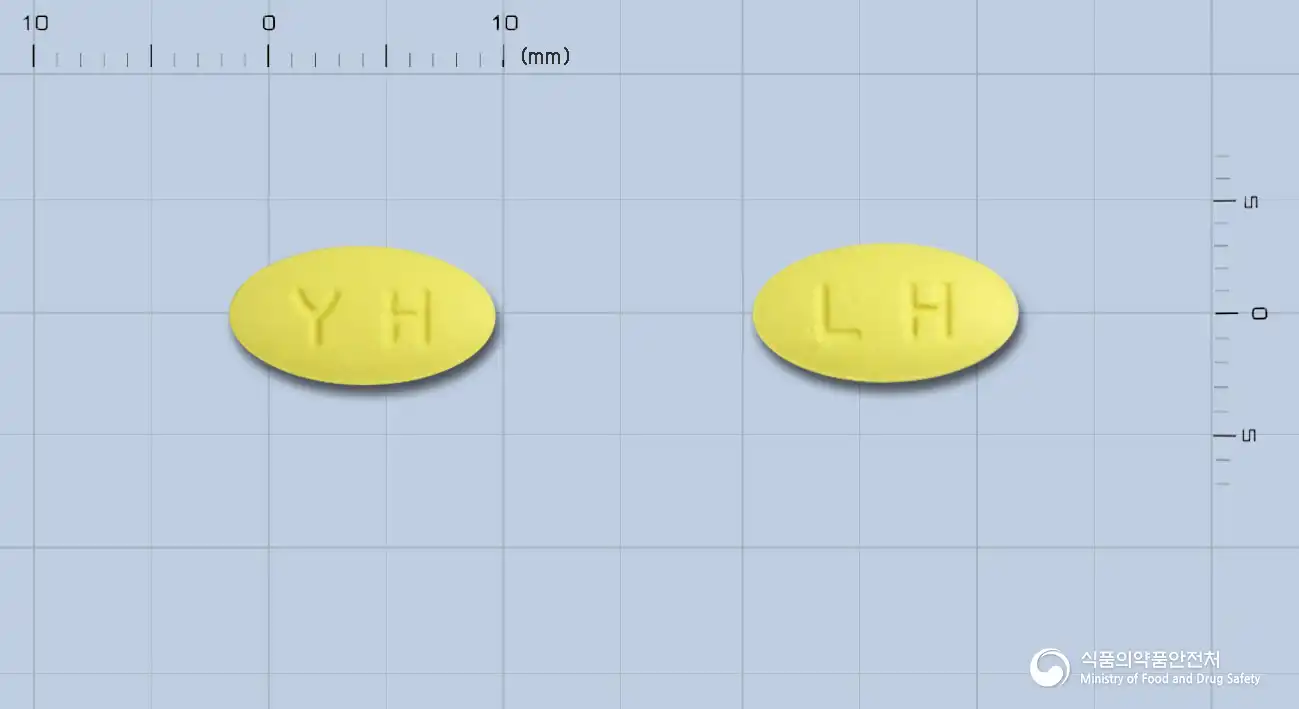 Combination
Losartan Potassium 50mg · Hydrochlorothiazide 12.5mg
Tablet · Prescription medication · Combination
(Co., Ltd.) Yuhan
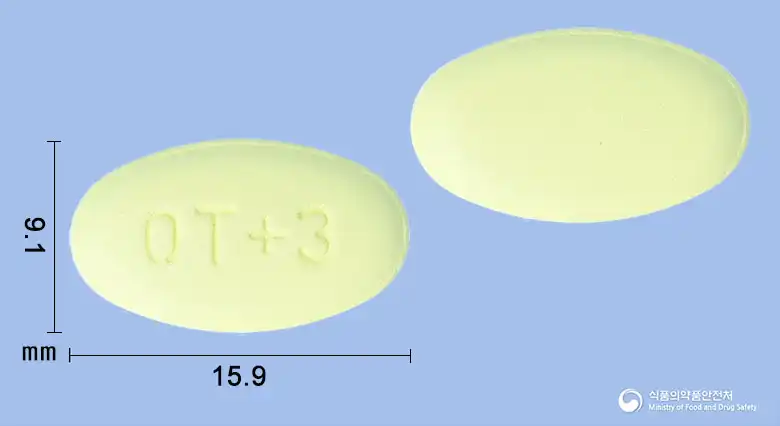 Combination
Losartan Potassium 100mg · Hydrochlorothiazide 25mg
Tablet · Prescription medication · Combination
Hanmi Pharmaceutical Co., Ltd.
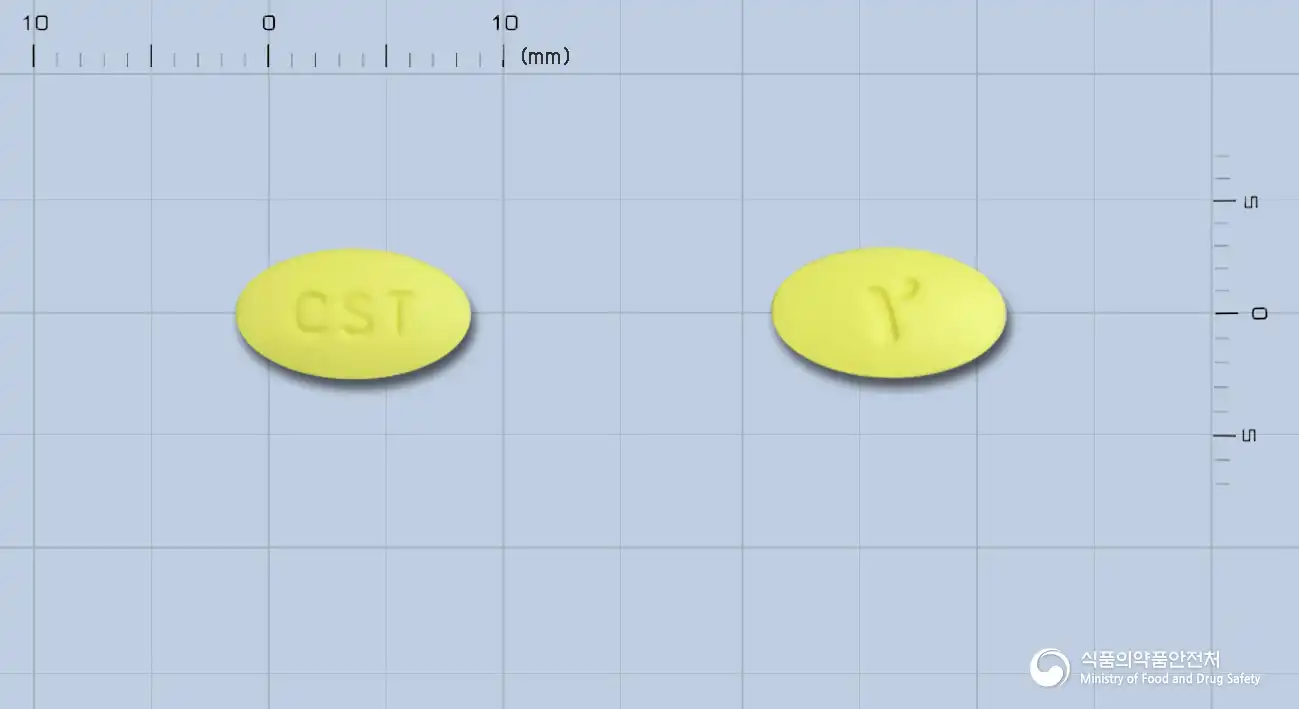 Combination
Losartan Potassium 50mg · Hydrochlorothiazide 12.5mg
Tablet · Prescription medication · Combination
(Co., Ltd. ) Yuyoung Pharmaceutical
 Combination
Losartan Potassium 50mg · Hydrochlorothiazide 12.5mg
Tablet · Prescription medication · Combination
Youngpoong Pharmaceutical Co., Ltd.
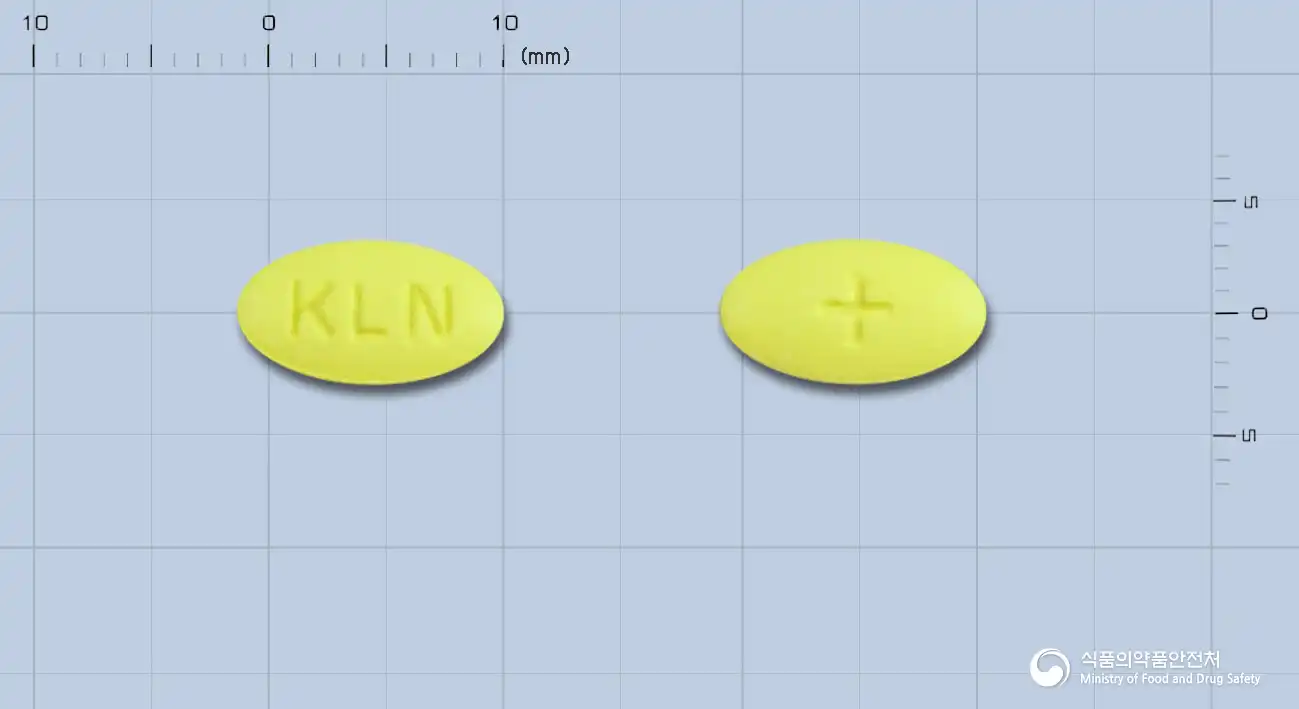 Combination
Losartan Potassium 50mg · Hydrochlorothiazide 12.5mg
Tablet · Prescription medication · Combination
Kolon Pharmaceutical Co., Ltd.
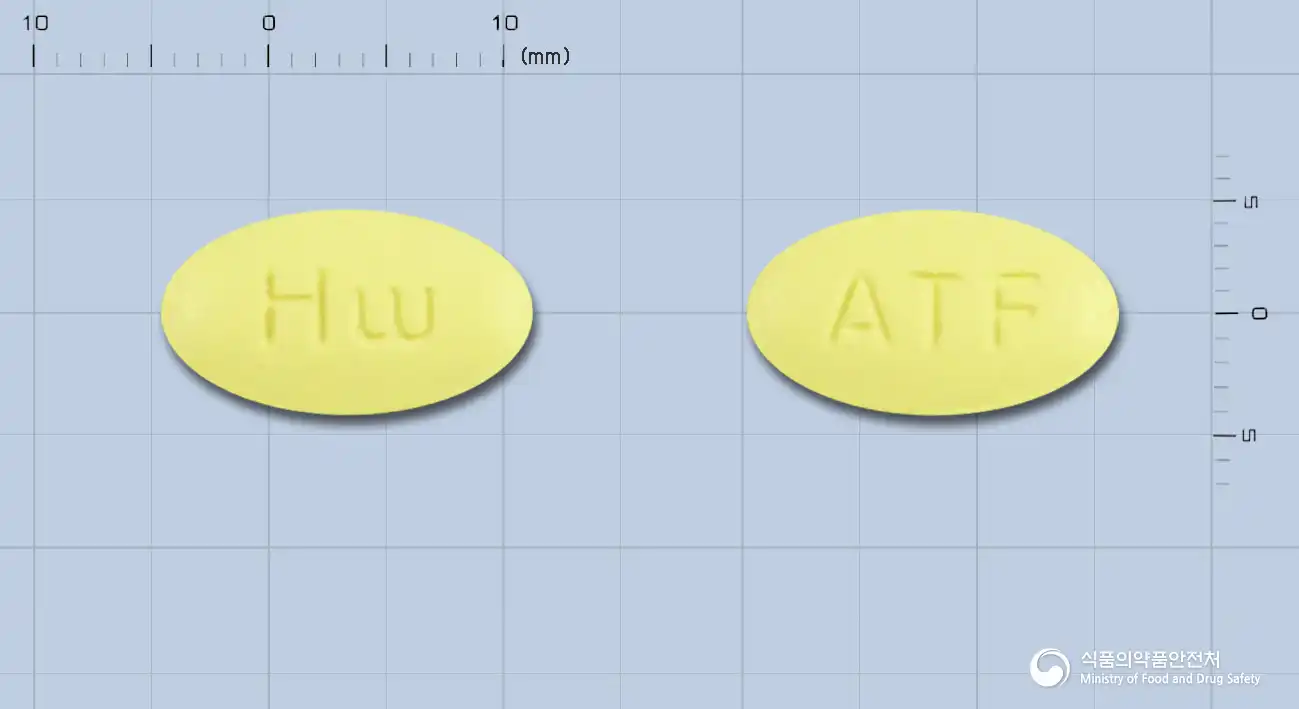 Combination
Losartan Potassium 100mg · Hydrochlorothiazide 25mg
Tablet · Prescription medication · Combination
NBK Pharmaceutical Co., Ltd.
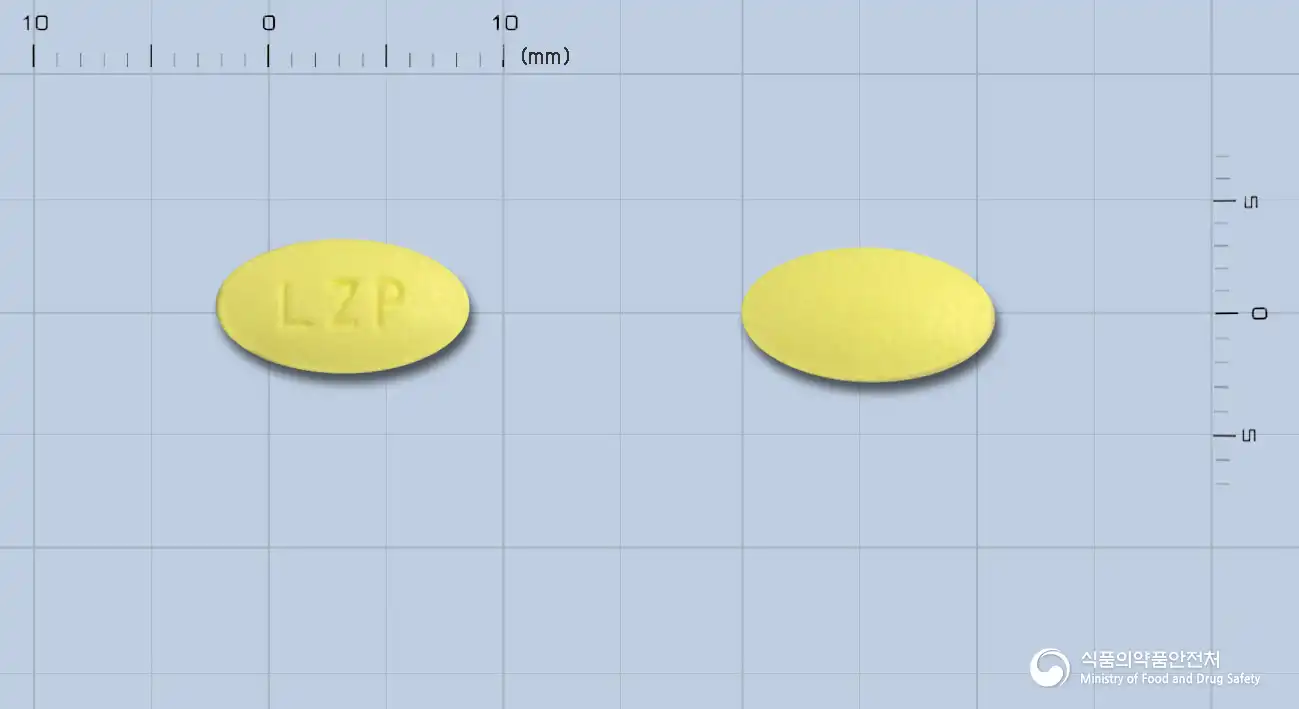 Combination
Losartan Potassium 50mg · Hydrochlorothiazide 12.5mg
Tablet · Prescription medication · Combination
Dongkwang Pharmaceutical Co., Ltd.
Even with the same ingredient, the dose and directions can differ by strength and dosage form. Talk to a doctor or pharmacist before switching from a medication you are already taking.
No questions yet.
For anything that needs medical judgment, consult a doctor or pharmacist.
This drug information is based on data provided by the Korea Ministry of Food and Drug Safety.
Consult a doctor or pharmacist for accurate dosage, administration, and usage instructions.