
 한국어
한국어 English
 日本語
日本語 中文(简体)
 Viewing nowCombination
Cozaplus F Tablets
Losartan Potassium 100mg · Hydrochlorothiazide 25mg
Tablet · Prescription medication · Combination
Korea Organon Co., Ltd.
MFDS item code 200807469 · Notified 2008.07.07 · Insurance code 073100350
Improvement in blood pressure control when hypertension is poorly controlled by monotherapy
This medication is used for patients with hypertension whose blood pressure is not adequately controlled with monotherapy. It effectively lowers blood pressure, reducing the burden on the cardiovascular system and helping to prevent complications.
The usual dose for this medication is one tablet of Losartan Potassium 50 mg/Hydrochlorothiazide 12.5 mg once daily. A dose exceeding Losartan Potassium 100 mg/Hydrochlorothiazide 25 mg per day is not recommended. 1. Start therapy with Losartan Potassium 50 mg/Hydrochlorothiazide 12.5 mg once daily; if blood pressure remains uncontrolled after three weeks of use, the maximum dose of Losartan Potassium 100 mg/Hydrochlorothiazide 25 mg once daily may be used for increase. 2. Patients whose blood pressure is not controlled with single therapy of Losartan or Hydrochlorothiazide: start with Losartan Potassium 50 mg/Hydrochlorothiazide 12.5 mg once daily; if blood pressure remains uncontrolled after three weeks, the dose may be increased to Losartan Potassium 100 mg/Hydrochlorothiazide 25 mg once daily. 3. For patients whose blood pressure is not controlled with a single therapy of Losartan Potassium 100 mg: Start with Losartan Potassium 100 mg/Hydrochlorothiazide 12.5 mg once daily; if blood pressure is still not controlled after three weeks, the dose may be increased to Losartan Potassium 100 mg/Hydrochlorothiazide 25 mg once daily. 4. For patients whose blood pressure is not controlled with 25 mg of Hydrochlorothiazide once daily or who exhibit hypokalemia at this dose: start with Losartan Potassium 50 mg/Hydrochlorothiazide 12.5 mg once daily, which can reduce the overall antihypertensive effect without decreasing Hydrochlorothiazide dosage. If blood pressure remains uncontrolled after three weeks, the dose may be increased to Losartan Potassium 100 mg/Hydrochlorothiazide 25 mg once daily. ○ For patients with renal impairment For patients with a creatinine clearance of 30 mL/min or more, the usual dose may be administered. For more severe renal impairment, it is preferable to use loop diuretics rather than thiazide medications, so administration in these patients is not recommended. ○ For patients with liver impairment The initial dose of 25 mg of Losartan Potassium for patients with liver impairment requiring dose adjustment cannot be given with this medication, so administration in these patients is not recommended. ○ For children (under 18 years old) There is no experience in using this medication in children and adolescents, so the combination of Losartan and Hydrochlorothiazide is not to be given to children and adolescents.
There is no experience in using this medication in children and adolescents, so the combination of Losartan and Hydrochlorothiazide is not to be given to children and adolescents.
This drug can cause serious harm to the fetus if taken during pregnancy, especially in the second and third trimesters, so it must be discontinued immediately upon confirmation of pregnancy. There is a risk of complications for the fetus during pregnancy, such as decreased lung development, skeletal malformations, decreased skull formation, and renal failure, which can even lead to neonatal death. This medication should not be administered to patients with certain conditions, for example, those with anuria, severe liver dysfunction, severe kidney dysfunction, or allergies to sulfonamide drugs. Patients with electrolyte imbalances, such as hyperuricemia, gout, hypokalemia, hypercalcemia, and hyponatremia, should be careful. Elderly patients and those with cardiovascular diseases, cerebrovascular disorders, or diabetes may experience excessive hypotensive effects or worsening conditions, so treatment should be cautious. This medication affects potassium concentration, so taking it with potassium supplements or potassium-sparing diuretics may be dangerous; consultation with a doctor is required before taking. During treatment, blood pressure, kidney function, and electrolyte levels should be regularly monitored to ensure no abnormalities occur. Dizziness or drowsiness may occur while taking this medication, so caution is necessary when driving or operating machinery. If any abnormal skin reactions or new skin lesions appear, inform medical personnel immediately, and avoid sun exposure and ensure adequate UV protection. In the case of overdose, symptoms may include hypotension and arrhythmias, and medical attention should be sought immediately. This drug is not to be used in children and adolescents due to insufficient experience. Breastfeeding women should stop breastfeeding or consult with a doctor before using this medication, as it may be transmitted through breast milk. It is advisable to avoid grapefruit juice during treatment, and potential drug interactions should be discussed with healthcare providers if other medications are being taken. Finally, store this medication out of the reach of children and keep it in its original container to prevent misuse or quality deterioration.
Hives, severe swelling (edema), chest tightness, shortness of breath, cold sweat, paleness, severe rash with high fever, blisters, skin peeling, pain in oral/eye mucosa, difficulty breathing or shortness of breath, asthma attack, respiratory issues accompanied by cough and fever, jaundice (yellowing of the skin or eyes), extreme lethargy, sudden and severe headache, thunderclap headache, seizures, confusion of consciousness, changes in vision, paralysis, urination issues
Abdominal pain, swelling, palpitations, back pain, dizziness, cough, sinusitis, upper respiratory infection, weakness/fatigue, diarrhea, nausea, headache, bronchitis, pharyngitis, angioedema (swelling of the lips and eyelids and facial rash), palm skin peeling, hemolysis, chest pain, facial swelling, fever, orthostatic hypotension, fainting, angina, arrhythmia, hypotension, myocardial infarction, secondary atrioventricular block, loss of appetite, constipation, toothache, dry mouth, indigestion
Not everyone experiences these, and they can vary from person to person.
This medication is sensitive to light, so it should be stored in a container that protects it from light. Additionally, it is best to store the medication in a cool room at a temperature between 1 degree and 30 degrees Celsius.
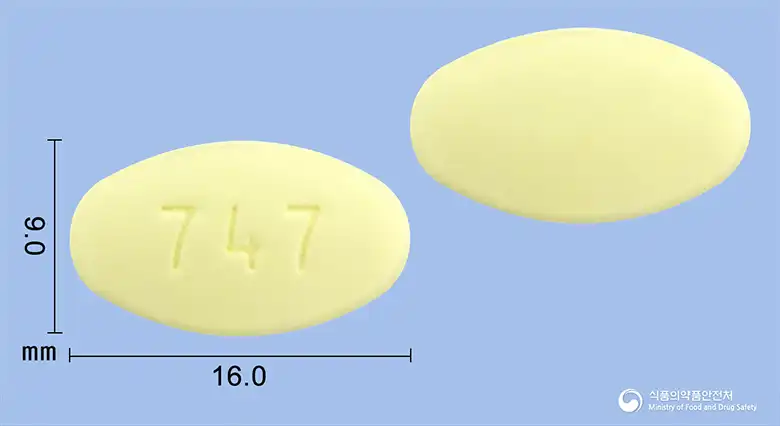
Light yellow oval film-coated tablets, engraved with '747' on one side.
30 tablets (10 tablets/PTP x 3 PTP), 100 tablets (100 tablets/bottle)
Even with the same ingredient, strength, dosage form and how it is taken can differ.
Viewing nowCombinationLosartan Potassium 100mg · Hydrochlorothiazide 25mg
Tablet · Prescription medication · Combination
Korea Organon Co., Ltd.
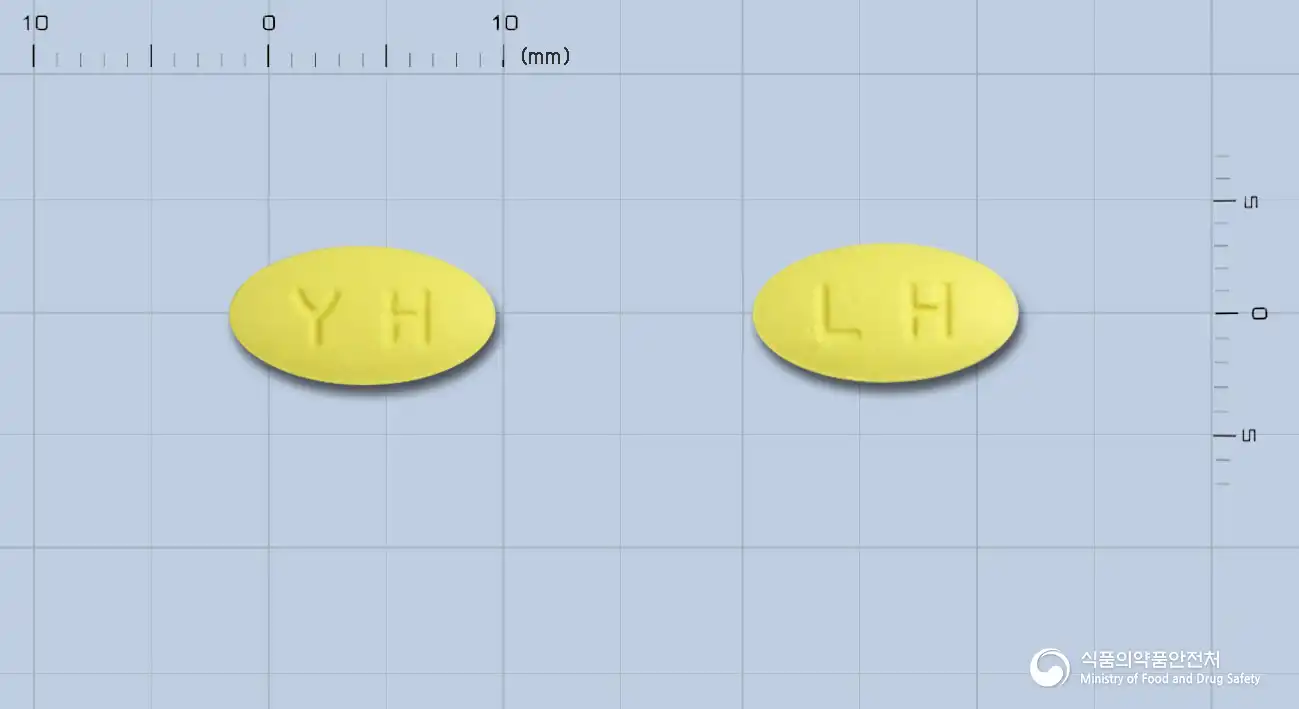 Combination
Losartan Potassium 50mg · Hydrochlorothiazide 12.5mg
Tablet · Prescription medication · Combination
(Co., Ltd.) Yuhan
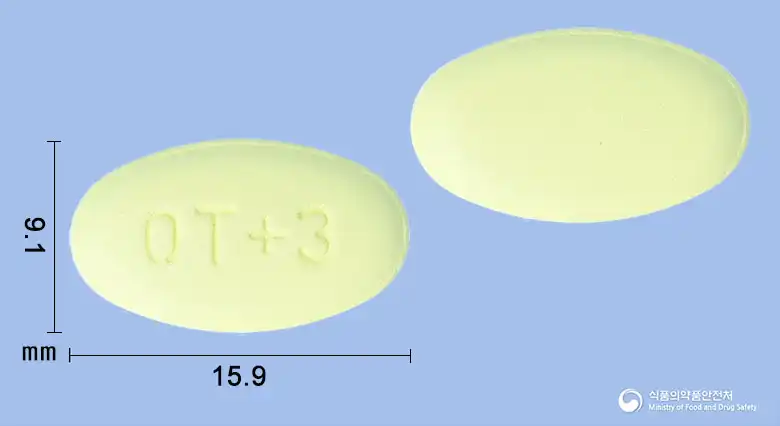 Combination
Losartan Potassium 100mg · Hydrochlorothiazide 25mg
Tablet · Prescription medication · Combination
Hanmi Pharmaceutical Co., Ltd.
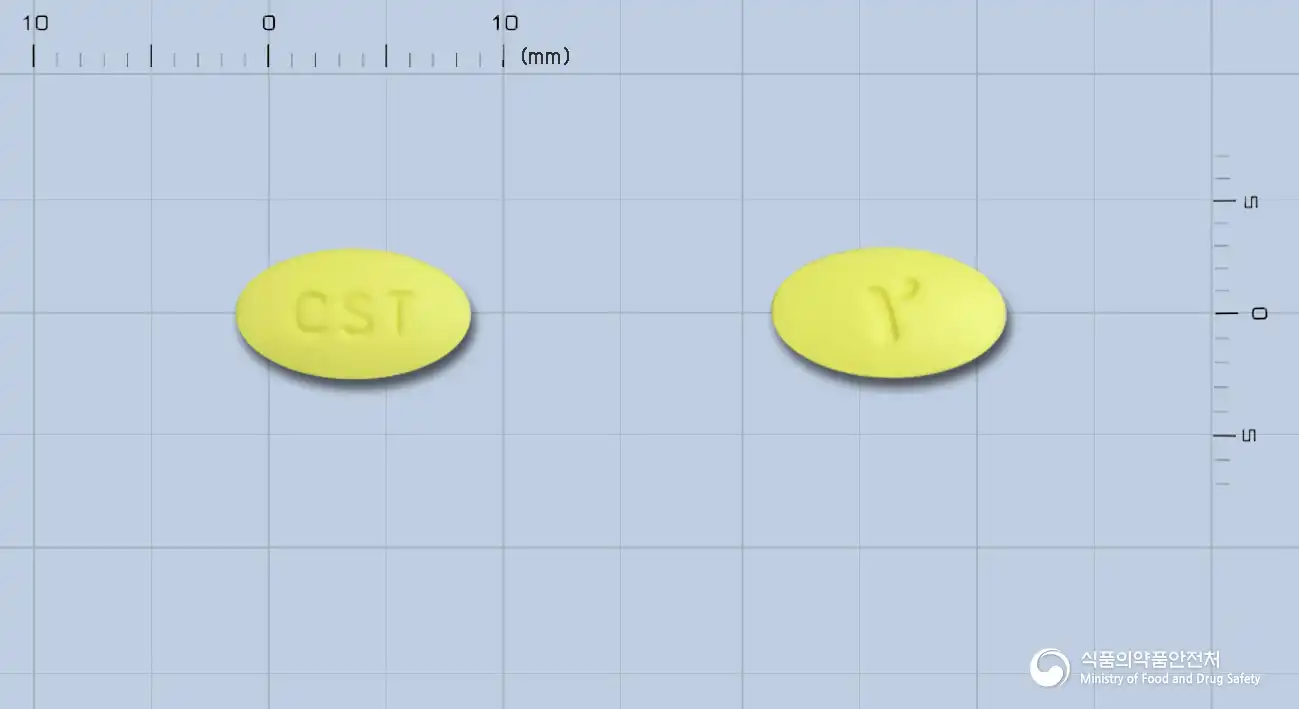 Combination
Losartan Potassium 50mg · Hydrochlorothiazide 12.5mg
Tablet · Prescription medication · Combination
(Co., Ltd. ) Yuyoung Pharmaceutical
 Combination
Losartan Potassium 50mg · Hydrochlorothiazide 12.5mg
Tablet · Prescription medication · Combination
Youngpoong Pharmaceutical Co., Ltd.
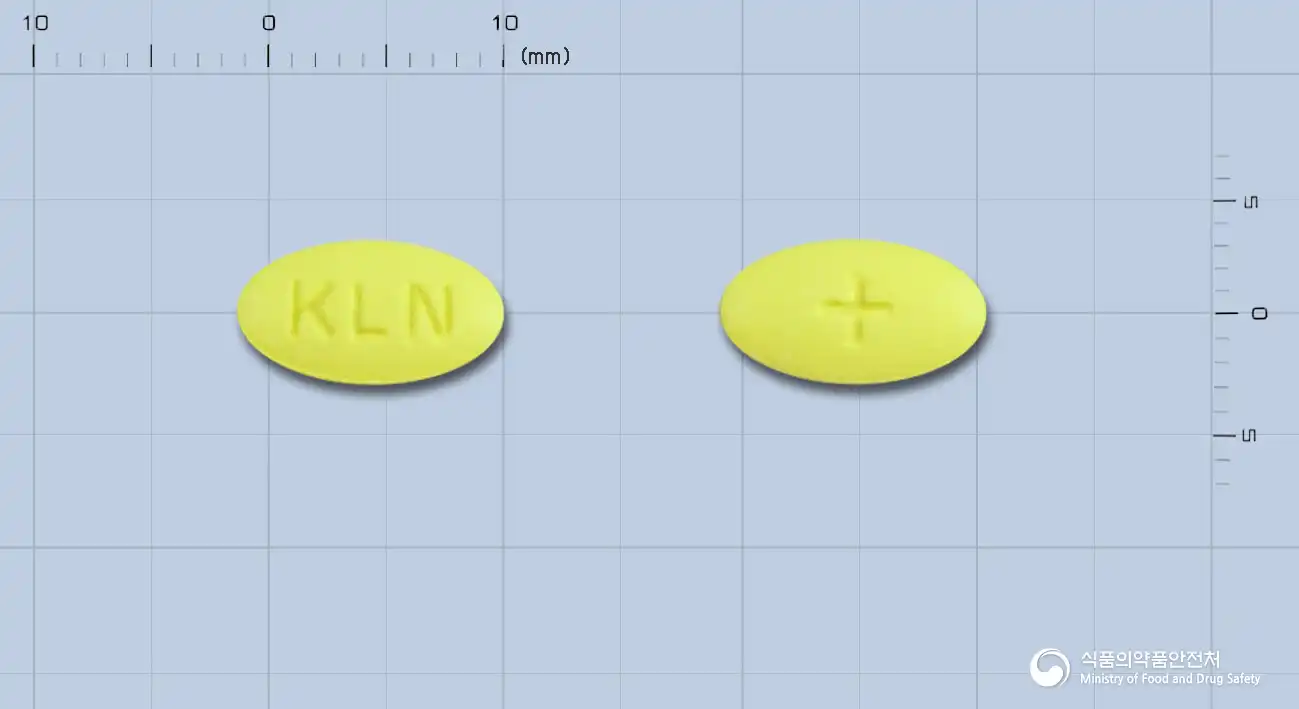 Combination
Losartan Potassium 50mg · Hydrochlorothiazide 12.5mg
Tablet · Prescription medication · Combination
Kolon Pharmaceutical Co., Ltd.
 Combination
Losartan Potassium 100mg · Hydrochlorothiazide 25mg
Tablet · Prescription medication · Combination
NBK Pharmaceutical Co., Ltd.
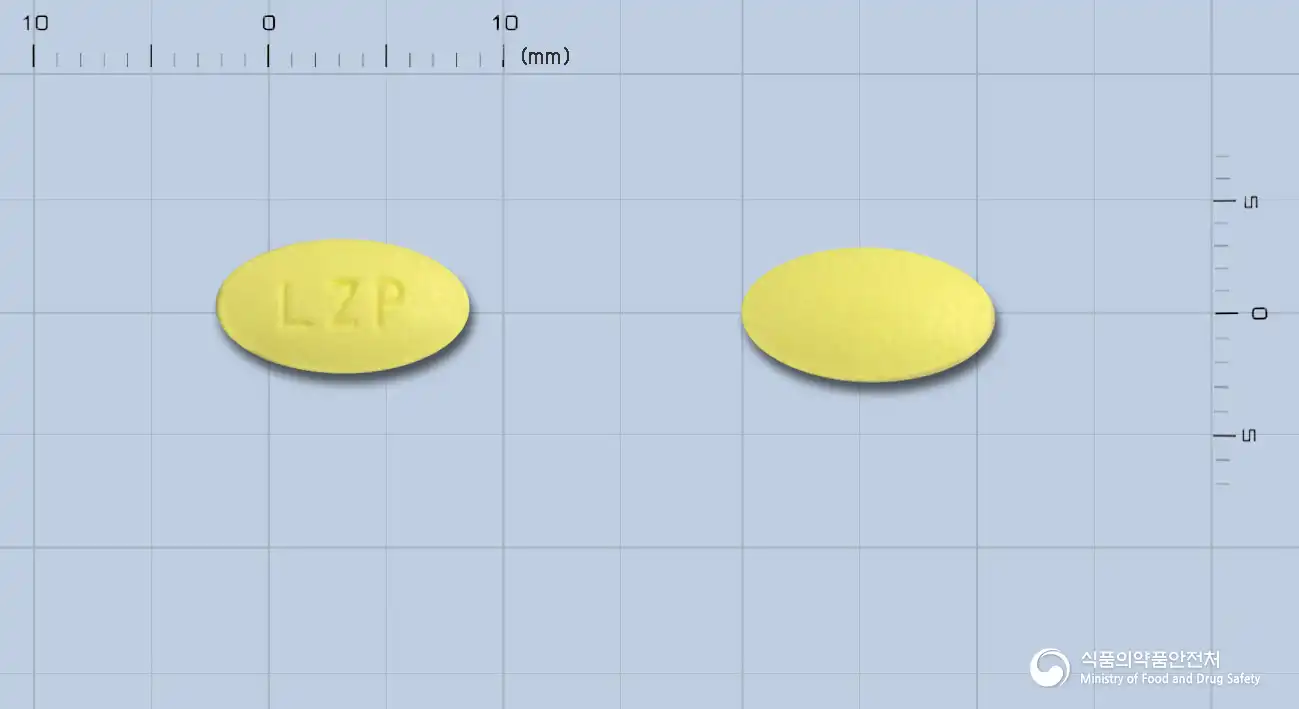 Combination
Losartan Potassium 50mg · Hydrochlorothiazide 12.5mg
Tablet · Prescription medication · Combination
Dongkwang Pharmaceutical Co., Ltd.
Even with the same ingredient, the dose and directions can differ by strength and dosage form. Talk to a doctor or pharmacist before switching from a medication you are already taking.
No questions yet.
For anything that needs medical judgment, consult a doctor or pharmacist.
This drug information is based on data provided by the Korea Ministry of Food and Drug Safety.
Consult a doctor or pharmacist for accurate dosage, administration, and usage instructions.