
 한국어
한국어 English
 日本語
日本語 中文(简体)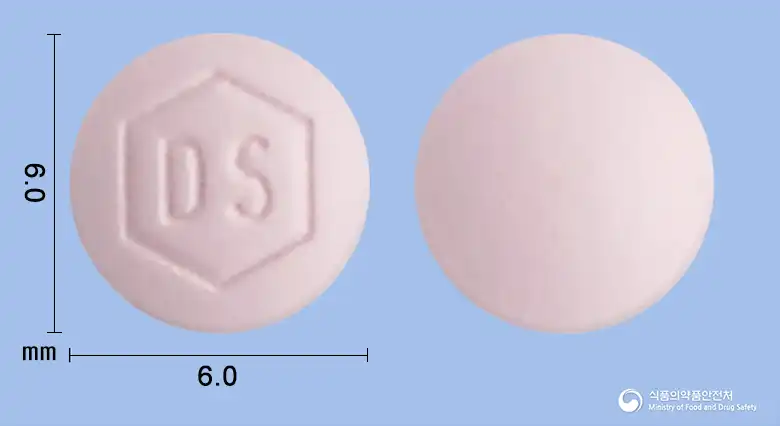
Summary
- Main use
- Female contraception and treatment of premenstrual dysphoric disorder and dysmenorrhea
- Who takes it
- Adults
- Adult dose
- This drug should be taken once daily with 24 light pink active tablets and 4 white placebo tablets per menstrual cycle. It can be started on day 1 of the menstrual cycle (day 1 start) or the first Sunday after the start of the menstrual cycle (Sunday start). The light pink tablets are taken for 24 days, followed by the white tablets for 4 days. This drug must be taken exactly as directed with intervals not exceeding 24 hours.
Ingredients
- Importer
- 바이엘코리아(주)
Efficacy & effects
Female contraception and treatment of premenstrual dysphoric disorder and dysmenorrhea
- Symptoms of premenstrual dysphoric disorder
- moderate acne
- dysmenorrhea
View approved original textHide original text
This medication is used to assist in effective contraception in women, and to alleviate symptoms of premenstrual dysphoric disorder and dysmenorrhea. Additionally, it can help treat moderate acne in women aged 14 years and older, for whom contraception is not contraindicated. Overall, it contributes to healthy menstruation and improved skin condition in women.
How to take
Adult dose
This drug should be taken once daily with 24 light pink active tablets and 4 white placebo tablets per menstrual cycle. It can be started on day 1 of the menstrual cycle (day 1 start) or the first Sunday after the start of the menstrual cycle (Sunday start). The light pink tablets are taken for 24 days, followed by the white tablets for 4 days. This drug must be taken exactly as directed with intervals not exceeding 24 hours.
Precautions
This medication requires special caution in women who smoke. Smoking may increase the risk of serious cardiovascular side effects such as thrombosis when taking this drug. Especially, women over 35 years old who smoke 15 or more cigarettes a day should not take this drug. The ingredient drospirenone contained in this medication can pose a risk of hyperkalemia, so it should not be used in patients with renal, hepatic, or adrenal insufficiency. Furthermore, patients taking medications that can increase serum potassium levels must have their potassium levels checked during the initial period of taking this medication. This medication is intended for use only in women who have menstruated and are 14 years or older, and should not be taken by premenstrual women. It should not be used for purposes other than contraception. In cases of cardiovascular risks, especially if thrombosis-related symptoms occur, it should be discontinued immediately. This medication should be ceased for a certain period before and after surgery, and it is advisable not to start taking it within 4 weeks postpartum. Patients with a history of estrogen-dependent tumors or thromboembolic disorders, severe hypertension, serious hepatic or renal dysfunction, women who are pregnant or may become pregnant, and women who are breastfeeding should not take this medication. Additionally, patients with genetic issues such as lactose intolerance should also refrain from using this medication. Women over 40 years old or those with a history of epilepsy, breast cancer, depression, renal and cardiac failure, gallbladder disease, endometriosis, asthma, headaches, etc. should take this medication with caution. Side effects such as nausea, vomiting, gastrointestinal symptoms (upper abdominal cramping and bloating), persistent bleeding, spotting, changes in menstrual cycle, amenorrhea, temporary infertility after discontinuation, edema, ongoing melasma, changes in breast (breast pain, enlargement, discharge, tenderness, breast secretions), weight changes (increase or decrease), changes in the uterus, decrease in milk production shortly after childbirth, jaundice, migraines, rash (allergic), mental depression, decrease in glucose tolerance, vaginal issues may occur, so if there are unusual symptoms, consult a healthcare professional. Before starting oral contraceptives, it is important to have a thorough discussion with healthcare professionals and to undergo regular health check-ups, including blood pressure, breast, and cervical cell tests. To reduce the risk of thrombosis and cardiovascular disease, it is essential to avoid smoking, and the decision to take this medication should consider individual risk factors.
Side effects and when to seek care immediately
Serious side effects
Venous thrombosis, arterial or venous thromboembolism, pulmonary embolism, myocardial infarction, cerebral hemorrhage, cerebral thrombosis, hypertension, gallbladder disease, hepatic adenoma and benign hepatic tumors, mesenteric thrombosis, retinal thrombosis, urticaria, severe swelling (edema), chest pain, difficulty breathing, cold sweat, pallor, severe allergic reactions, yellowing of the skin or eyes (jaundice), extreme lethargy, liver abnormalities (jaundice), sudden and severe headaches.
Mild side effects
Nausea, vomiting, gastrointestinal symptoms (upper abdominal cramping and bloating), persistent bleeding, spotting, changes in menstrual cycle, amenorrhea, temporary infertility after stopping treatment, swelling, persistent melasma, changes in breast (breast pain, enlargement, discharge, tenderness, breast secretions), weight changes (increase or decrease), changes in the uterus, decrease in milk production shortly after childbirth, jaundice, migraines, rash (allergic), mental depression, decrease in glucose tolerance, vaginal issues
Not everyone experiences these, and they can vary from person to person.
Storage
This medication must be stored in a tightly sealed container to avoid exposure to air or moisture, and it is important to keep it in a cool place below 25 degrees Celsius. Storing it this way will help maintain its effectiveness for a longer period.
Appearance and packaging
Appearance
Round film-coated tablets in light pink and round film-coated tablets in white
Package unit
28 tablets/PTP
Questions about this medicine
No questions yet.
For anything that needs medical judgment, consult a doctor or pharmacist.