
 한국어
한국어 English
 日本語
日本語 中文(简体)
 Viewing now
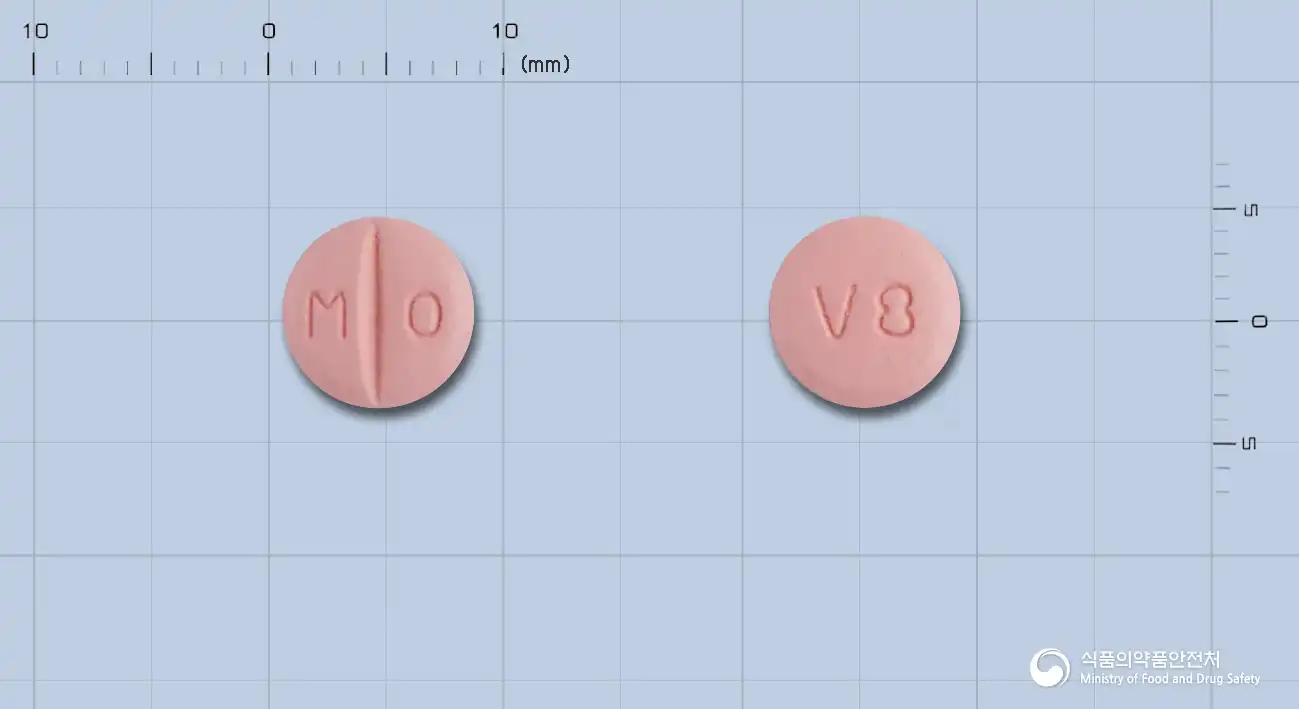
Maxdio Tablet 80 mg (Valsartan)
Valsartan 80mg
Tablet · Prescription medication
Albozen Korea Co., Ltd.
MFDS item code 200807361 · Notified 2008.07.03 · Insurance code 652601720
Treatment of essential hypertension and heart failure (intolerance to ACE inhibitors), reduction of mortality risk after myocardial infarction
This medication is used to treat essential hypertension, heart failure, and to reduce the risk of mortality after myocardial infarction. It is particularly suitable for heart failure patients who are intolerant to ACE inhibitors and reduces the risk of death in stable myocardial infarction patients with left ventricular failure or reduced contractility. Therefore, it is effective in treating hypertension and heart-related diseases.
Essential Hypertension: Take with water during meals or between meals. It is recommended to take it at the same time every day (e.g., in the morning). The recommended oral dose of valsartan is 80 mg once daily. If blood pressure control is difficult, the dose may be increased to 160 mg daily or combined with a diuretic, and can be adjusted up to a maximum of 320 mg. Elderly patients (75 years and older) should start with 40 mg once daily.
Safety and efficacy in children and adolescents under 18 years have not been established.
This medication can cause serious harm to the fetus during pregnancy, so it should be discontinued immediately if pregnancy is confirmed. This medication should not be administered to individuals with allergies to this drug or its components, women who are pregnant or breastfeeding, and patients with severe liver or kidney disease. Caution should be exercised in elderly patients, those with elevated potassium levels, those with impaired liver function, and patients with heart or vascular issues while using this medication. As this medication lowers blood pressure, it may cause sudden drops in blood pressure leading to dizziness or fainting upon initial use, so caution is necessary. Particularly, patients with low bodily fluids or sodium levels may be at risk for hypotension, so their condition should be verified before use. This medication can raise blood potassium levels, thus caution is required for patients with hyperkalemia or those taking potassium supplements. When combined with other antihypertensives, diuretics, or non-steroidal anti-inflammatory drugs (NSAIDs), interactions may occur and a consultation with a physician is necessary. During the use of this medication, side effects such as headaches, dizziness, fatigue, cough, dyspepsia may occur, so if symptoms persist, medical personnel should be informed. Patients with heart failure or post-myocardial infarction may experience kidney function changes, requiring regular check-ups, and co-administration of this medication with beta-blockers or ACE inhibitors is not recommended. Use during pregnancy is prohibited, and breastfeeding individuals should also avoid taking it. Safety and efficacy in children and adolescents under 18 years have not been established. In cases of overdose, symptoms such as severe hypotension and decreased consciousness may occur; therefore, immediate medical attention is required, and inducing vomiting or dialysis may not be helpful. This medication should be stored out of reach of children, and transferring it to other containers is not advised for quality maintenance. Caution is necessary when driving or operating machinery as dizziness may occur during the use of this medication.
Rash, severe swelling (angioedema), chest tightness, difficulty breathing, cold sweat, paleness, severe rash with high fever, blisters, peeling skin, pain in oral/ocular mucosa, shortness of breath or difficulty breathing, asthma attack, respiratory abnormalities with cough and fever, yellowing of the skin or eyes (jaundice), extreme fatigue, sudden and severe headache, lightning headache, seizures, altered consciousness, vision abnormalities, paralysis.
Not everyone experiences these, and they can vary from person to person.
This medication should be stored in a tightly closed container to prevent air and moisture from entering. Additionally, to maintain its efficacy, it is recommended to be kept in a cool place below 30 degrees Celsius.
Pale pink, round, biconvex film-coated tablet
30 tablets/bottle, 100 tablets/bottle
Even with the same ingredient, strength, dosage form and how it is taken can differ.
Viewing nowValsartan 80mg
Tablet · Prescription medication
Albozen Korea Co., Ltd.
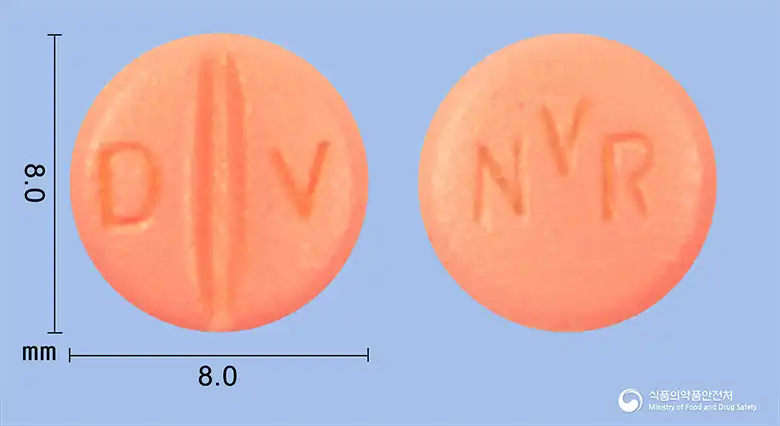
Valsartan 80mg
Tablet · Prescription medication
Novartis Korea Co., Ltd.
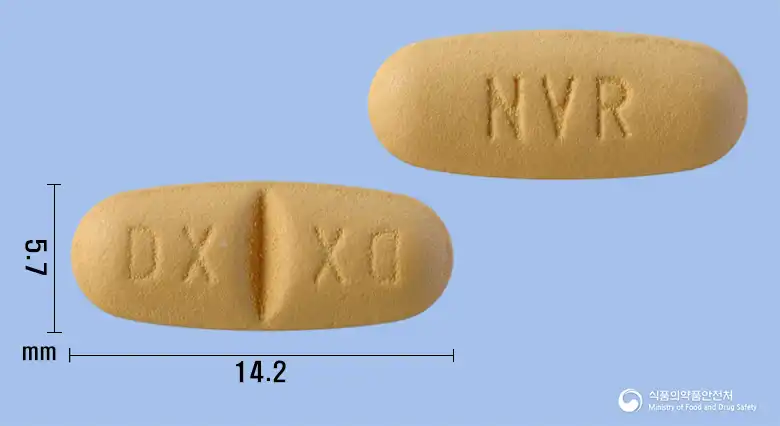
Valsartan 160mg
Tablet · Prescription medication
Novartis Korea Co., Ltd.
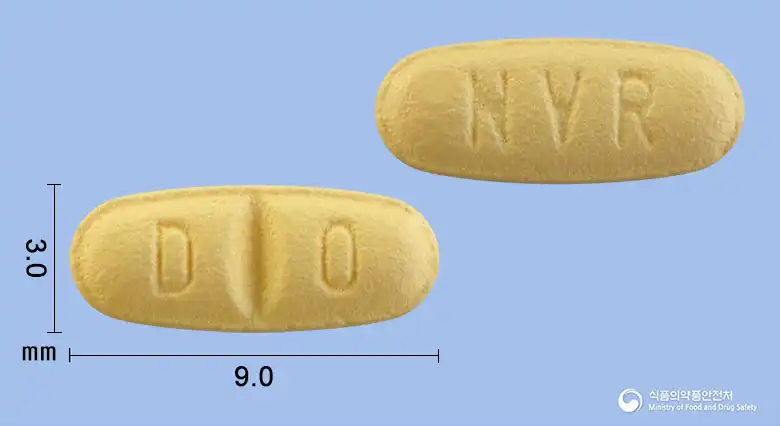
Valsartan 40mg
Tablet · Prescription medication
Samsung Novartis Co., Ltd.
Valsartan
Prescription medication
Korea Sandos Co., Ltd.
Valsartan
Prescription medication
Korea Sandos Co., Ltd.
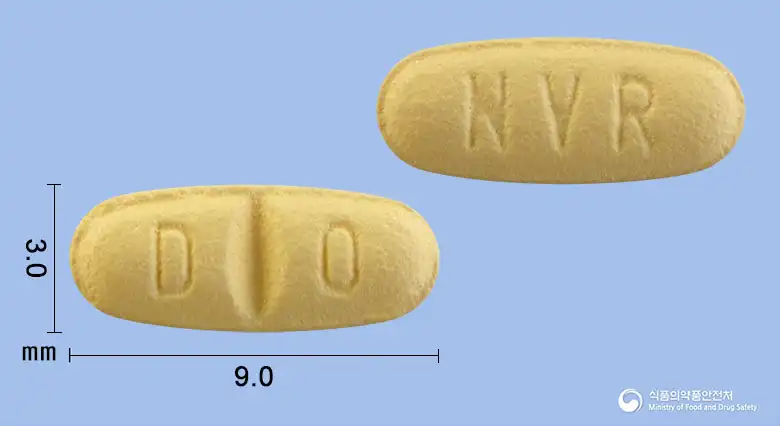
Valsartan
Prescription medication
Korea Sandos Co., Ltd.
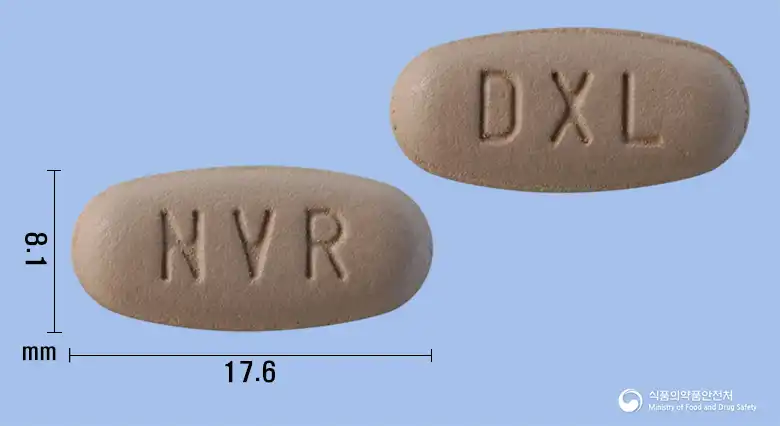
Valsartan 320mg
Tablet · Prescription medication
Novartis Korea Co., Ltd.
Even with the same ingredient, the dose and directions can differ by strength and dosage form. Talk to a doctor or pharmacist before switching from a medication you are already taking.
No questions yet.
For anything that needs medical judgment, consult a doctor or pharmacist.
This drug information is based on data provided by the Korea Ministry of Food and Drug Safety.
Consult a doctor or pharmacist for accurate dosage, administration, and usage instructions.