
 한국어
 English
 日本語
 中文(简体)
 Viewing now
Philogen Tablets (Pilocarpine Hydrochloride)
Pilocarpine Hydrochloride 5mg
Tablet · Prescription medication
CTC Bio, Inc.
MFDS item code 200807208 · Notified 2008.06.27 · Insurance code 669500950
Treatment of dry mouth after head and neck radiotherapy and oral and ocular dryness associated with Sjögren's syndrome
This medication is used to alleviate xerostomia occurring due to decreased salivary gland function from radiation therapy for head or neck cancer. It is also effective in treating xerostomia and dry eyes in patients with Sjögren's syndrome. In other words, it helps improve the dryness of the mouth and eyes, thus enhancing the quality of life for patients.
1) Patients with head or neck cancer Administer 1 tablet (5㎎) orally 3 times daily as the initial dose. The usual daily dose is 3~6 tablets (15~30㎎, dose per administration: 2 tablets). Even if improvement occurs early in treatment, a beneficial response is achieved when treatment is continued as maintenance therapy for at least 12 weeks. In general, the frequency of adverse effects increases as the dose is increased. Use the lowest dose that is both tolerated and effective as the maintenance dose. 2) Patients with Sjögren's syndrome Administer 1 tablet orally 4 times daily for 6 weeks.
This medication should be administered under the careful observation of a physician to patients with severe heart problems because it may cause irregular blood flow or heartbeats. Direct use in the eyes may particularly impair vision or cause blurriness at night, so caution is advised during nighttime driving or performing dangerous tasks in low light conditions. This medication can tighten the muscles in the bronchi and increase secretion, so it should be used with caution in patients with asthma or chronic lung disease. It should not be used in patients with asthma, those who are hypersensitive to this medication, or patients with certain types of glaucoma. Various side effects such as sweating, nausea, diarrhea, dizziness, headache, dyspepsia, visual disturbances may occur during use, so if symptoms become severe, consult a physician immediately. In particular, prolonged use may pose serious issues such as myocardial infarction or syncope in patients with heart disease, so caution is necessary. Patients with gallstones or biliary tract diseases should use this medication cautiously as it may affect biliary function. Those with kidney stones should be cautious as this medication may worsen pain. This medication can affect the central nervous system, so it should be used with caution in patients with unstable mental states. While taking this medication, especially at night, visual disturbances may occur, so it is advisable to avoid driving or operating machinery. In situations where adequate hydration is difficult, taking this medication may lead to dehydration due to excessive sweating, so caution is needed. Severe cardiovascular and respiratory issues may occur with overdose; if an overdose is suspected, immediate treatment at a medical institution is necessary. Patients with moderate to severe liver dysfunction should have their dosage adjusted, and it is not recommended for patients with severe liver disease. This medication may interact with other heart-related medications; if any medications are being taken, the physician should be informed. During pregnancy, as it may affect the fetus, it should only be used when the benefits outweigh the risks, and during breastfeeding, careful consideration is also needed. The safety and efficacy for pediatric use have not been sufficiently confirmed, so it is advisable not to use it in children. Elderly patients may be at higher risk for side effects, so extra caution should be exercised during administration. This medication should be kept out of the reach of children, and it is safest to store it in its original container to prevent accidents or deterioration in quality.
sweating, nausea, rhinitis, diarrhea, chills, flushing, frequent urination, dizziness, weakness, headache, indigestion, watery discharge, swelling, abdominal pain, amblyopia, vomiting, pharyngitis, hypertension, visual disturbances, conjunctivitis, dysphagia, congestion, myalgia, pruritus, rash, sinusitis, tachycardia, taste disturbances, tremor, voice changes, body odor, hypothermia, mucosal abnormalities, bradycardia, ECG abnormalities, palpitations, syncope, loss of appetite, increased appetite, esophagitis, gastrointestinal disorders, tongue disorders, leukopenia, lymphadenopathy, anxiety, confusion, depression, hyperactivity, sensory reduction, nervousness, sensory abnormalities, speech disorders, spasms, increased sputum, wheezing, yawning, sialorrhea, hearing loss, eye pain, glaucoma, urination disorders, uterine bleeding, urinary disorders, body odor, hypothermia, mucosal abnormalities, chest pain, cysts, death, moniliasis, cervical pain, cervical rigidity, phototoxic reactions, angina, arrhythmia, hypotension, intracranial hemorrhage, migraine, myocardial infarction, decreased appetite, hyperbilirubinemia, cholelithiasis, colitis, dry mouth, belching, gastritis, gastroenteritis, gastrointestinal abnormalities, gingivitis, hepatitis, abnormal liver function tests, bleeding, nausea, pancreatitis, parotid enlargement, salivary gland enlargement, increased sputum, loss of taste, tongue abnormalities, dental abnormalities, hematuria, lymph node disorders, platelet abnormalities, thrombocythemia, thrombocytopenia, thrombosis, leukocyte abnormalities, peripheral edema, hypoglycemia, joint pain, arthritis, bone abnormalities, spontaneous fractures, pathological fractures, myasthenia gravis, tendon disorders, dental disorders, aphasia, depression, abnormal dreams, emotional instability, insomnia, leg cramps, abnormal sensations, abnormal thoughts, bronchitis, dyspnea, hiccups, laryngeal spasms, laryngitis, pneumonia, viral infections, alopecia, contact dermatitis, dry skin, eczema, nodular erythema, exfoliative dermatitis, herpes simplex, skin ulcers, maculopapular rash, cataracts, dry eyes, otitis, otalgia, ocular diseases, ocular bleeding, watery eye diseases, retinal diseases, visual disturbances, constipation, increased cough, chills, facial swelling, fever, flatulence, glossitis, chemical hematological urine analysis abnormalities, drowsiness, gastritis, tinnitus, urinary incontinence, urinary tract infections, vaginitis, vomiting, breast pain, dysuria, mastitis, menorrhagia, ovarian disorders, pyuria, salpingitis, urethral pain, vaginal bleeding, vagina, moniliasis
Not everyone experiences these, and they can vary from person to person.
This medication may be sensitive to air or moisture, so it should be stored in a tightly sealed container. The storage temperature should be maintained at room temperature between 1°C and 30°C. This will help preserve the drug's effectiveness and safety for a longer time.
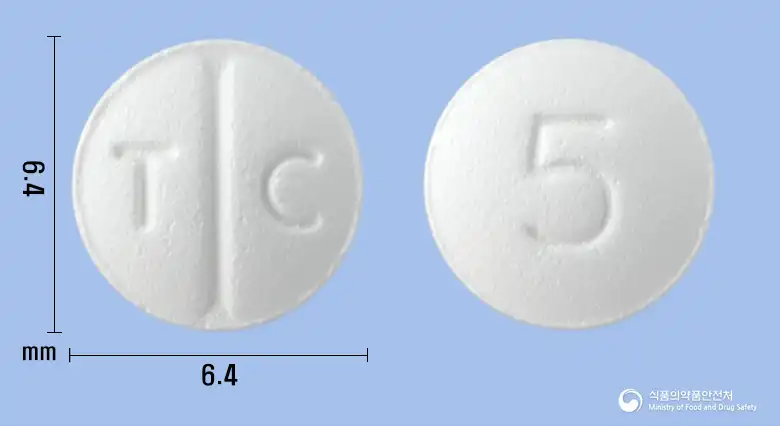
White, round film-coated tablets
30 tablets/bottle, 100 tablets/bottle
Even with the same ingredient, strength, dosage form and how it is taken can differ.
Viewing nowPilocarpine Hydrochloride 5mg
Tablet · Prescription medication
CTC Bio, Inc.
Pilocarpine Hydrochloride 20mg
Eye drops · Prescription medication
Samil Pharmaceutical Co., Ltd.
Pilocarpine Hydrochloride 20mg
Solution · Prescription medication
Korea Novartis Co., Ltd.
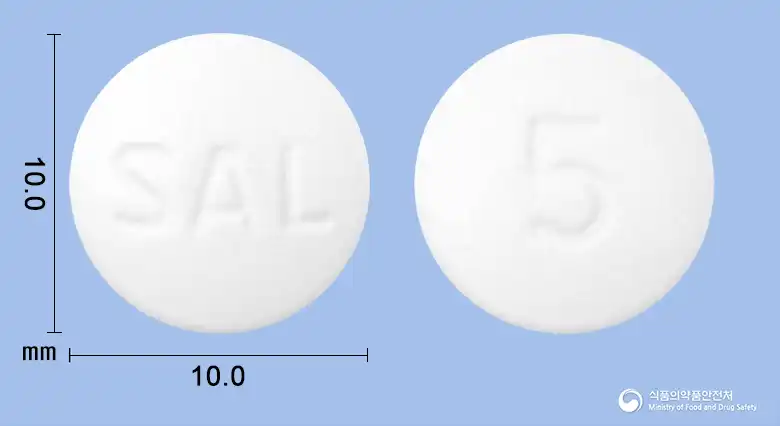
Pilocarpine Hydrochloride 5mg
Tablet · Prescription medication
Korea Ezij (Co., Ltd.)
Pilocarpine Hydrochloride 5mg
Tablet · Prescription medication
Boryeong Co., Ltd.
Pilocarpine Hydrochloride 10mg
Eye drops · Prescription medication
Daewoo Pharmaceutical Co., Ltd.
Even with the same ingredient, the dose and directions can differ by strength and dosage form. Talk to a doctor or pharmacist before switching from a medication you are already taking.
No questions yet.
For anything that needs medical judgment, consult a doctor or pharmacist.
This drug information is based on data provided by the Korea Ministry of Food and Drug Safety.
Consult a doctor or pharmacist for accurate dosage, administration, and usage instructions.