
 한국어
 English
 日本語
 中文(简体)
 Viewing now
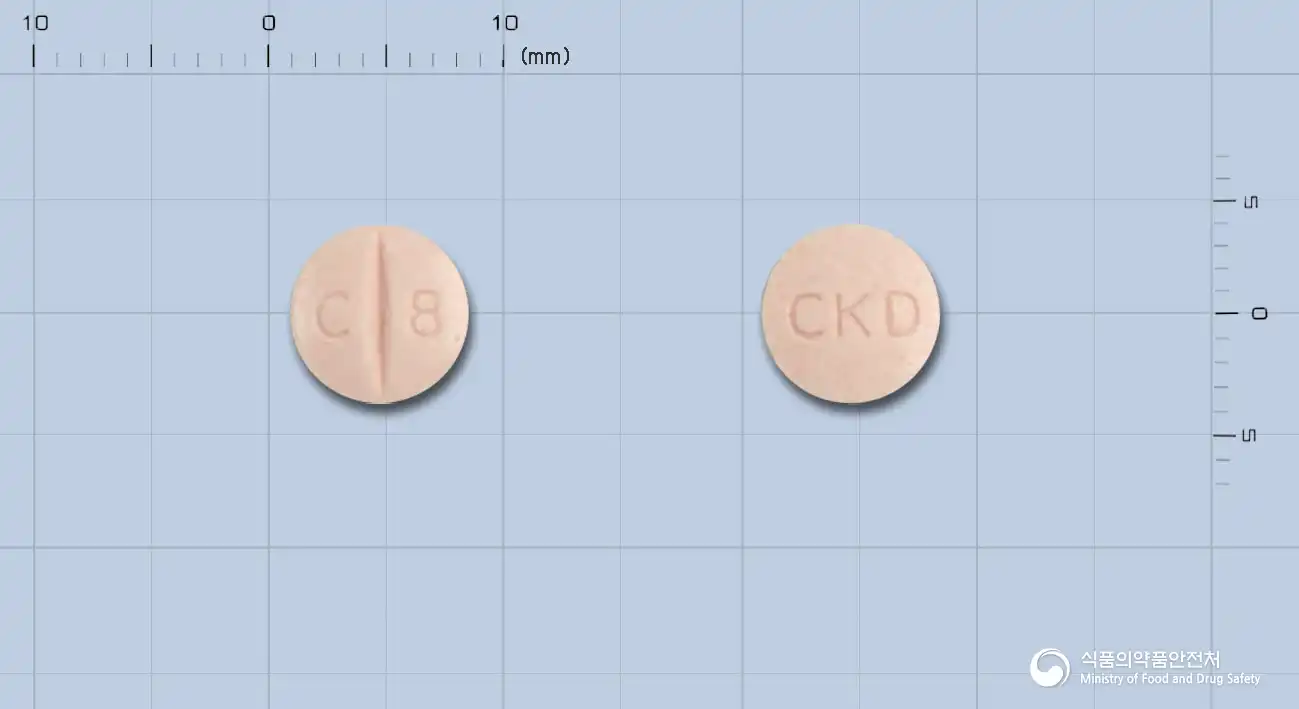
Candeamor Tablets 8 mg (Candesartan Cilexetil)
Candesartan Cilexetil 8mg
Tablet · Prescription medication
Jong Kun Dang Co., Ltd.
MFDS item code 200807205 · Notified 2008.06.27 · Insurance code 643304840
Treatment of essential hypertension and heart failure with left ventricular systolic dysfunction
This medication helps control blood pressure in patients with essential hypertension, reducing the risk of cardiovascular complications. Additionally, in heart failure patients with impaired left ventricular systolic function, this drug is used as an adjunct treatment, especially when monotherapy with ACE inhibitors is insufficient or intolerable, improving cardiac function. This medication helps alleviate heart failure symptoms and enhance the patient's daily living abilities. Therefore, it is effectively used for the treatment of both essential hypertension and heart failure.
This medicine should be taken at the same time each day, regardless of meals. 1. Essential hypertension 1) Adults: The recommended initial and maintenance dose is 8 ∼ 16 mg of candesartan cilexetil orally once daily. If blood pressure is not adequately controlled after 4 weeks of treatment with 16 mg once daily, the dose may be increased to a maximum of 32 mg once daily. If blood pressure is still not controlled at this dose, other treatment should be considered. The maximum effect is achieved within 4 weeks of starting treatment. 2) Elderly patients: No initial dose adjustment is necessary. 3) Patients with intravascular volume depletion: In patients at high risk of hypotension, such as those with reduced intravascular volume, administer an initial dose of 4 mg with careful monitoring. 4) Patients with renal impairment: The initial dose in patients with renal impairment, including those undergoing hemodialysis, is 4 mg; adjust the dose according to the patient's response. Experience with use in patients with severe or end-stage renal impairment (creatinine clearance < 15 mL/min) is limited. 5) Patients with hepatic impairment: The initial dose in patients with mild or moderate hepatic impairment is 2 mg once daily; adjust the dose according to the patient's response. There is no experience with use in patients with severe hepatic impairment. 2. Heart failure 1) Adults: The recommended initial dose is 4 mg once daily. The dose may be doubled at intervals of at least 2 weeks, up to a maximum of 32 mg once daily, depending on the patient's tolerability. 2) Elderly patients, patients with intravascular volume depletion, patients with renal impairment, and patients with mild ∼ moderate hepatic impairment: No initial dose adjustment is necessary.
Pediatric essential hypertension: Safety and efficacy have not been established in adolescents and children 18 years of age or younger. Pediatric heart failure: Safety and efficacy have not been established in adolescents and children 18 years of age or younger.
This medication can cause serious harm to the fetus and newborn when administered during pregnancy, especially in the second and third trimesters, so it should be discontinued immediately upon confirmation of pregnancy. This medication should not be used by individuals with a known allergy to this drug or its components, pregnant or nursing women, patients with severe liver dysfunction, or those with hereditary angioedema. Elderly patients, patients with hyperkalemia, liver dysfunction, cardiovascular diseases, and impaired renal function should use this medication with caution and require regular monitoring. During treatment, side effects may occur, such as dizziness, back pain, and respiratory infections, and serious side effects, though rare, such as blood abnormalities, liver function abnormalities, skin rashes, and renal dysfunction may also arise, necessitating immediate consultation with a physician if unusual symptoms occur. Heart failure patients, kidney transplant patients, and patients on dialysis need to closely monitor blood pressure and renal function while using this medication, and it is safer to start with a lower initial dose and gradually increase it. The blood pressure-lowering effects may be enhanced when used with other antihypertensive medications, so it is advised to consult with a physician or pharmacist regarding interactions with other medicines being taken. Women who are capable of becoming pregnant should confirm their pregnancy status before taking this medication and should take precautions not to become pregnant during treatment, while it is advisable to avoid using this medication while breastfeeding. The safety and efficacy of this medication in children and adolescents have not been adequately established, therefore its use in individuals under 18 years of age is not recommended. In the case of overdose, hypotension, dizziness, and rapid heart rate may occur, and in such cases, immediate medical attention is required. This medication should be stored out of the reach of children, and it is safer not to transfer it to another container. Caution is required when driving or operating machinery as dizziness or drowsiness may occur.
Not everyone experiences these, and they can vary from person to person.
This medication is sensitive to air and moisture, so it should be stored in a tightly sealed container. It is best to maintain a storage temperature between 1 and 30 degrees Celsius.
Bright pink, biconvex round tablets
30 tablets/bottle, 100 tablets/bottle
Even with the same ingredient, strength, dosage form and how it is taken can differ.
Viewing nowCandesartan Cilexetil 8mg
Tablet · Prescription medication
Jong Kun Dang Co., Ltd.
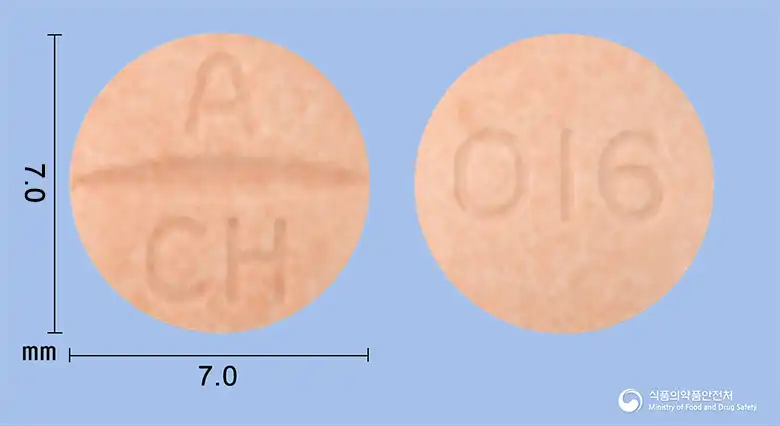
Candesartan Cilexetil 16mg
Tablet · Prescription medication
Yuhans Chemical Co., Ltd.
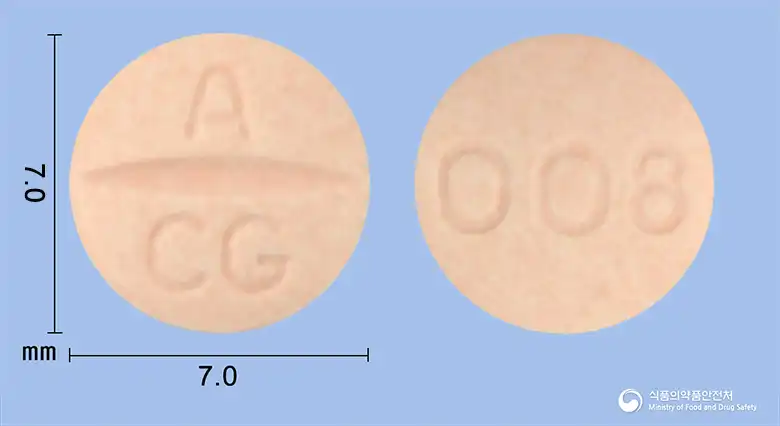
Candesartan Cilexetil 8mg
Tablet · Prescription medication
Yuhan Corporation
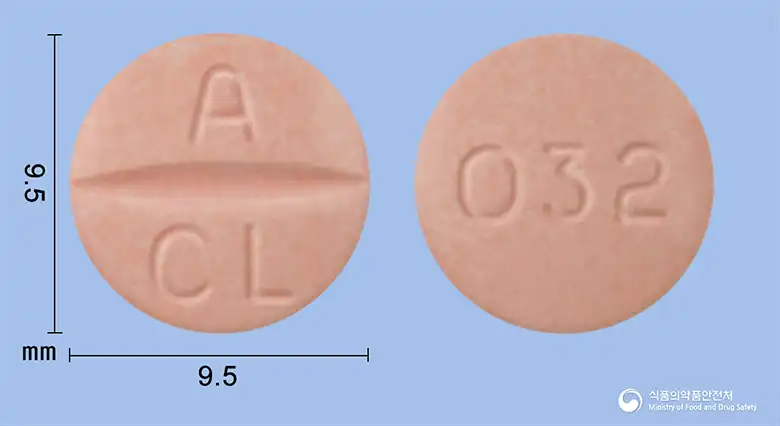
Candesartan Cilexetil 32mg
Tablet · Prescription medication
DKSH Korea Co., Ltd.
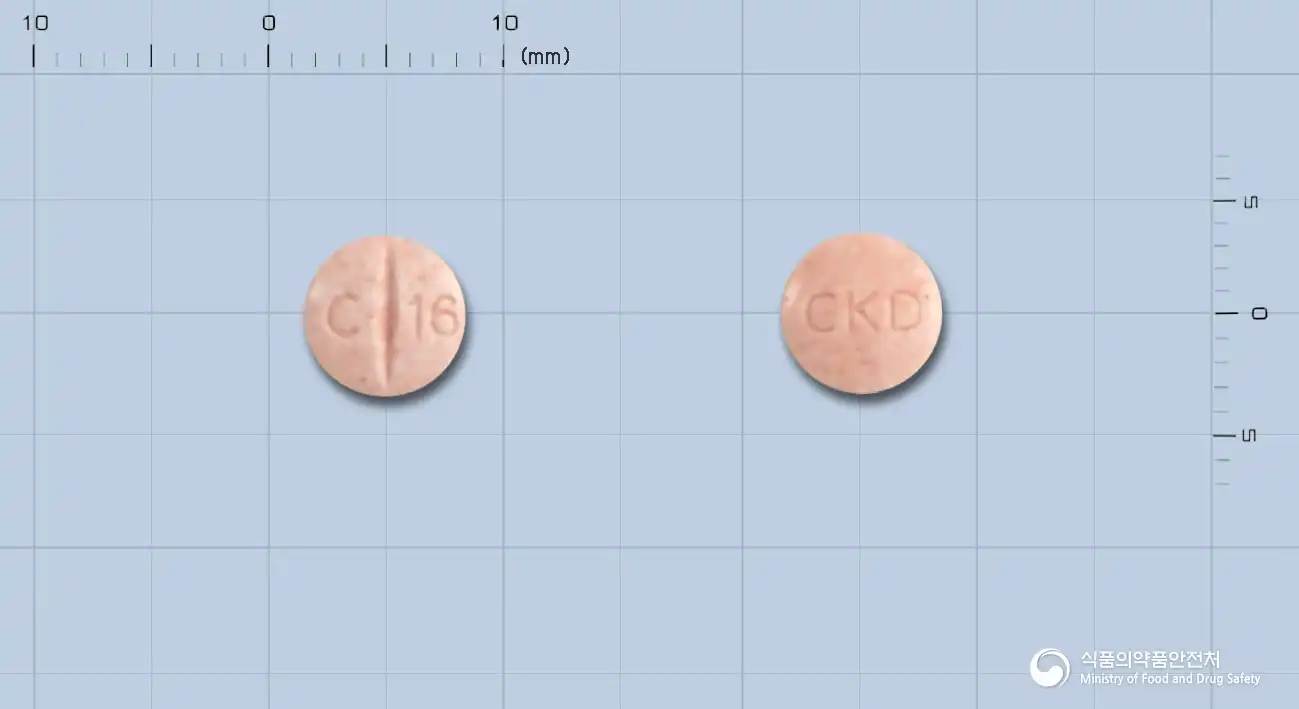
Candesartan Cilexetil 16mg
Tablet · Prescription medication
Jongkundang Co., Ltd.
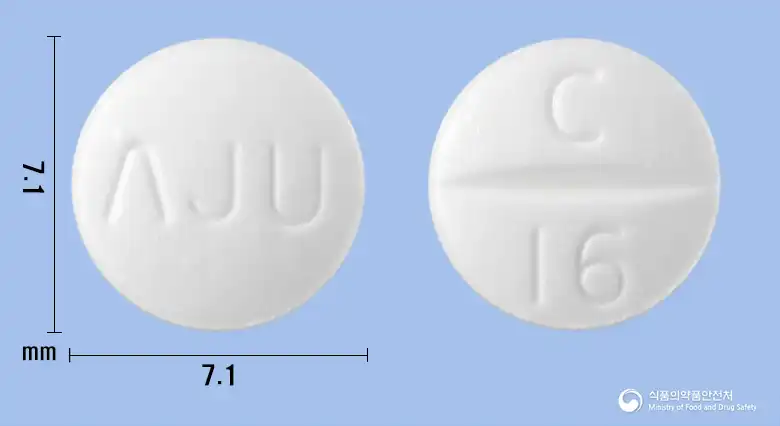
Candesartan Cilexetil 16mg
Tablet · Prescription medication
Ajou Pharmaceutical Co., Ltd.
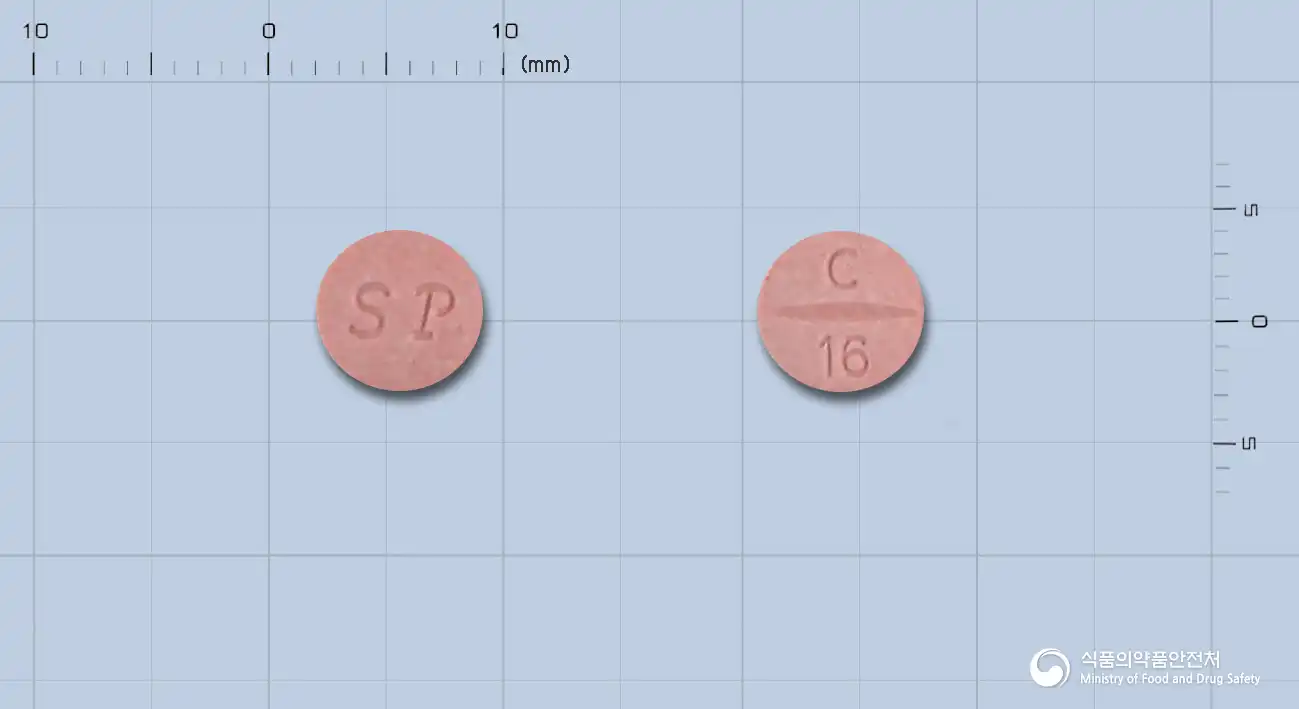
Candesartan Cilexetil 16mg
Tablet · Prescription medication
ShinPoong Pharmaceutical Co., Ltd.
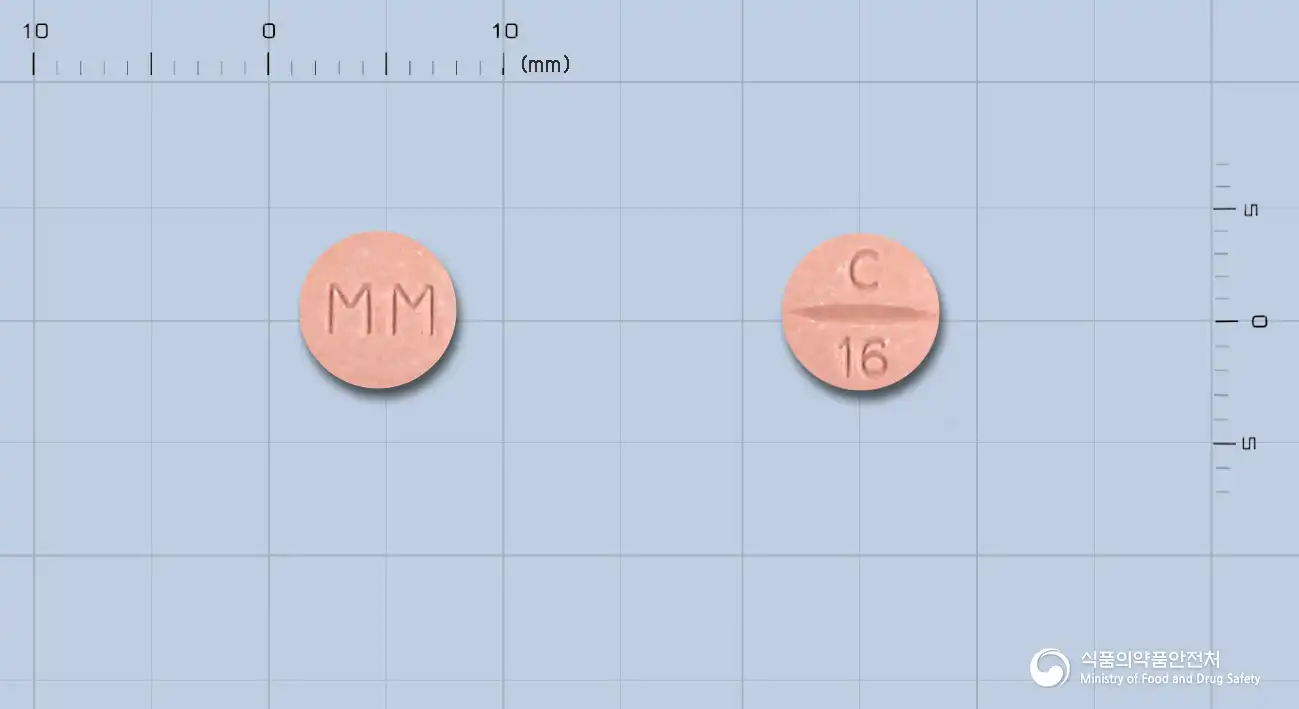
Candesartan Cilexetil 16mg
Tablet · Prescription medication
Myungmoon Pharmaceutical Co., Ltd.
Even with the same ingredient, the dose and directions can differ by strength and dosage form. Talk to a doctor or pharmacist before switching from a medication you are already taking.
No questions yet.
For anything that needs medical judgment, consult a doctor or pharmacist.
This drug information is based on data provided by the Korea Ministry of Food and Drug Safety.
Consult a doctor or pharmacist for accurate dosage, administration, and usage instructions.