
 한국어
 English
 日本語
 中文(简体)
 Viewing nowCombination
Dirotan Plus Tablet
Valsartan 80mg · Hydrochlorothiazide 12.5mg
Tablet · Prescription medication · Combination
IYOUN Pharmaceutical Co., Ltd.
MFDS item code 200807090 · Notified 2008.06.26 · Insurance code 658602040
Treatment of essential hypertension not controlled by monotherapy
This medication is used for patients with essential hypertension who have difficulty controlling blood pressure with monotherapy. Essential hypertension refers to high blood pressure that occurs without a specific cause, and it is important to manage blood pressure appropriately. This medication effectively lowers blood pressure, helping to reduce the risk of cardiovascular complications. Consistent use and regular blood pressure monitoring contribute to maintaining health.
○ Adults The recommended dose is 1 tablet of valsartan 80 mg/hydrochlorothiazide 12.5 mg once daily. It may be taken with or without food, with a small amount of water. Valsartan 160 mg/hydrochlorothiazide 12.5 mg is for patients prescribed valsartan 160 mg/hydrochlorothiazide 12.5 mg to lower blood pressure. The maximum blood pressure-lowering effect is achieved after 2 ~ 4 weeks. ○ Patients with renal impairment No dose adjustment is necessary in patients with mild ~ moderate renal impairment (creatinine clearance 30 mL/min or higher). ○ Patients with hepatic impairment In patients with mild ~ moderate hepatic impairment without cholestasis, do not use more than 80 mg of valsartan per day.
This medication can seriously harm the fetus if taken during pregnancy, especially in the second and third trimesters, so it must be discontinued immediately if pregnancy is confirmed. Avoid use if there is an allergic reaction to any ingredients in this medication or to sulfonamide medications, or if pregnant. Patients with severe liver or kidney dysfunction should not take this medication, and caution is needed for patients with specific liver or kidney diseases. Patients with electrolyte imbalance, fluid depletion, liver disease, kidney disease, heart failure, or cerebrovascular disorders should use this medication with increased caution. This medication lowers blood pressure, so dizziness or hypotensive symptoms may occur at the beginning of treatment or during changing conditions, which should be watched for. Due to its potential impact on potassium levels, potassium supplements or potassium-containing medications should not be taken without consulting a physician. It is important to regularly monitor electrolytes and kidney function through blood tests during the use of this medication. The hydrochlorothiazide component may cause sensitivity to sunlight, increasing the risk of skin cancer, so exposure to sunlight should be limited and protective measures should be taken. Dizziness or drowsiness may occur while driving or operating machinery, so caution is needed. This medication may interact with other drugs, so if you are taking any other medications, be sure to inform your doctor or pharmacist. In the case of overdose, symptoms such as hypotension or electrolyte abnormalities may occur, requiring immediate medical attention. Keep out of reach of children and store in the original container away from moisture.
Headache, dizziness, nasopharyngitis, fatigue, low back pain, cough, upper respiratory infection, diarrhea, joint pain, abdominal pain, upper abdominal pain, blurred vision, visual disturbances, anxiety, arthritis, bronchitis, acute bronchitis, chest pain, orthostatic dizziness, dry mouth, dyspepsia, dyspnea, erectile dysfunction, enteritis, hyperhidrosis, sensory loss, insomnia, hypokalemia, hypotension, influenza, muscle cramps, myalgia, nausea, nasal congestion, nasal bleeding, neck pain, otitis media, limb pain, paresthesia, throat pain, fever, sinus congestion, sinusitis, drowsiness, leg cramps, increased urination, palpitations, rash, ligament sprain, syncope, tachycardia, tinnitus, urinary tract infection, viral infection, edema, peripheral edema, weakness, angioedema, pruritus, serum sickness, vasculitis, hair loss, kidney function impairment, myalgia, anaphylactic-like symptoms, hepatitis, renal failure, hyperkalemia, hyponatremia, shock, loss of consciousness, agranulocytosis, leukopenia, thrombocytopenia, aplastic anemia, hemolytic anemia, necrotizing vasculitis, toxic epidermal necrolysis, interstitial pneumonia, pulmonary edema, systemic lupus erythematosus flare-up, hypoglycemia, rhabdomyolysis, elevated AST, palpitations, edema, weakness, hypertriglyceridemia, increased creatine kinase, decreased hemoglobin, decreased hematocrit, increased serum potassium, dizziness, vasculitis, elevated liver function tests, angioedema, rash, vesicular dermatitis, renal failure, urticaria, photosensitivity reactions, cutaneous lupus erythematosus, recurrence of cutaneous lupus erythematosus, loss of appetite, vomiting, constipation, gastrointestinal discomfort, pancreatitis, intrahepatic cholestasis, jaundice, orthostatic hypotension, cardiac arrhythmia, sensory loss, sedation, sleep disorders, depression, paresthesia, visual impairment, thrombocytopenia, leukopenia, bone marrow dysfunction, hemolytic anemia, acute respiratory distress syndrome, hypersensitivity reactions, pneumonia, pulmonary edema, acute renal failure, renal impairment, erythema multiforme, fever, muscle cramps, acute closed-angle glaucoma, choroidal effusion, dizziness, drowsiness, symptomatic hypotension, muscle spasm, hypovolemia, arrhythmia, muscle weakness, incomplete paralysis, ECG changes, decreased serum sodium, increased serum calcium levels, acute transient myopia, acute closed-angle glaucoma, choroidal effusion, acute respiratory distress syndrome, pulmonary edema, dyspnea, fever, worsening lung condition, hypotension, intestinal vascular edema, abdominal pain, nausea, vomiting, diarrhea
Not everyone experiences these, and they can vary from person to person.
This medication should be stored in a tightly closed container to protect it from air and moisture and kept in a cool place below 30 degrees Celsius. Proper storage will help maintain the medication's effectiveness over time.
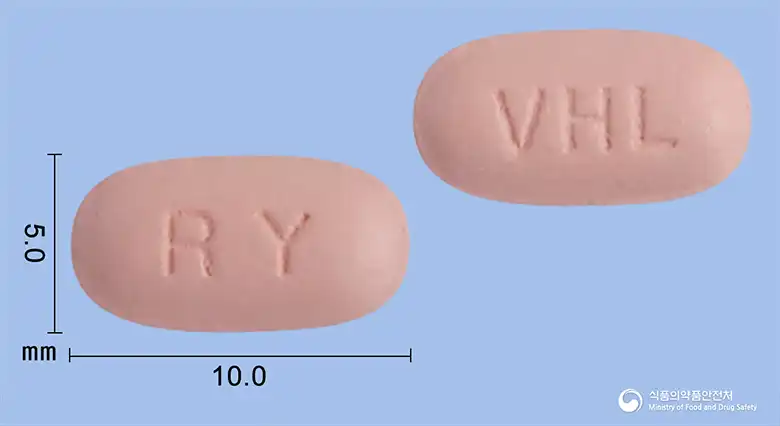
Pink oval film-coated tablet
28 tablets (14 tablets/PTP × 2), 100 tablets/bottle
Even with the same ingredient, strength, dosage form and how it is taken can differ.
Viewing nowCombinationValsartan 80mg · Hydrochlorothiazide 12.5mg
Tablet · Prescription medication · Combination
IYOUN Pharmaceutical Co., Ltd.
 Combination
Valsartan 160mg · Hydrochlorothiazide 12.5mg
Tablet · Prescription medication · Combination
Novartis Korea Co., Ltd.
Valsartan · Hydrochlorothiazide
Prescription medication · Combination
Sandoz Korea Co., Ltd.
Valsartan · Hydrochlorothiazide
Prescription medication · Combination
Sandoz Korea Co., Ltd.
 Combination
Valsartan 80mg · Hydrochlorothiazide 12.5mg
Tablet · Prescription medication · Combination
Novartis Korea Co., Ltd.
 Combination
Valsartan 80mg · Hydrochlorothiazide 12.5mg
Tablet · Prescription medication · Combination
Anguk Pharmaceutical Co., Ltd.
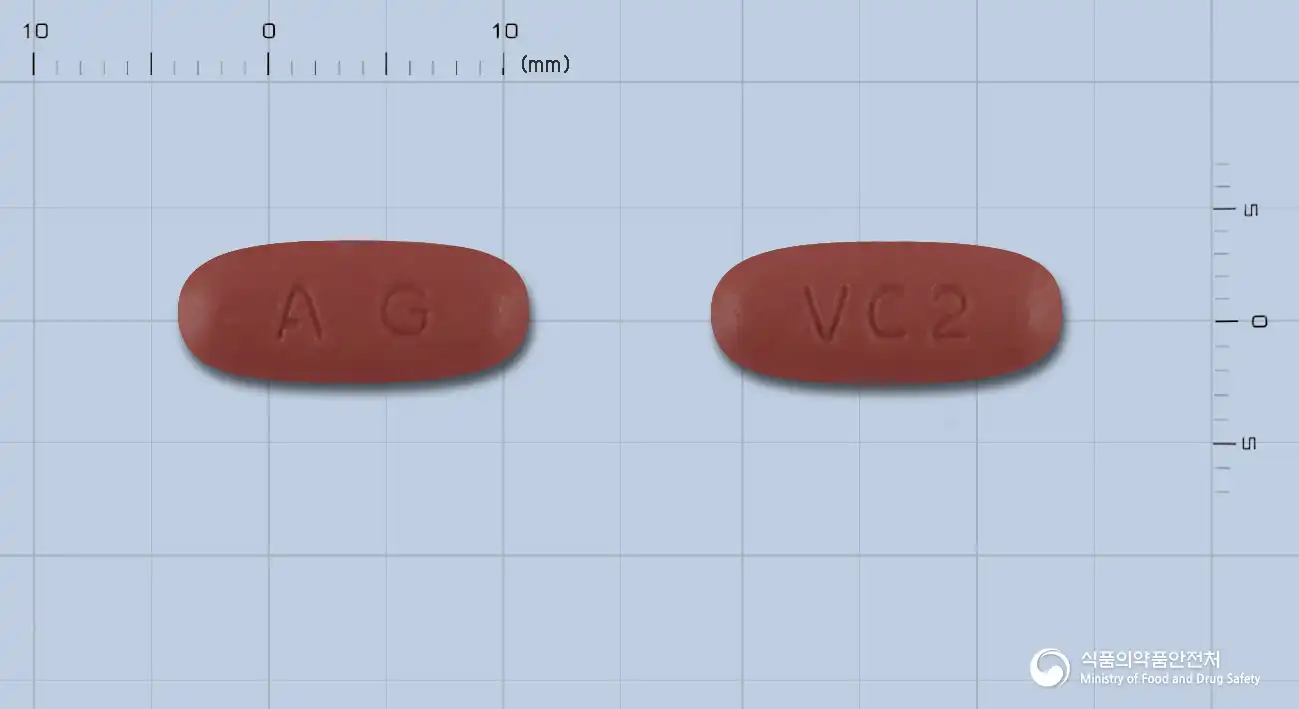 Combination
Valsartan 160mg · Hydrochlorothiazide 12.5mg
Tablet · Prescription medication · Combination
Anguk Pharmaceutical Co., Ltd.
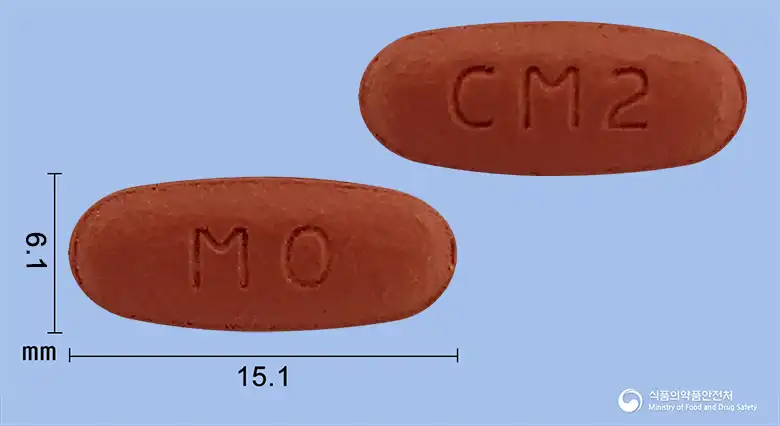 Combination
Valsartan 160mg · Hydrochlorothiazide 12.5mg
Tablet · Prescription medication · Combination
Albozen Korea Co., Ltd.
Even with the same ingredient, the dose and directions can differ by strength and dosage form. Talk to a doctor or pharmacist before switching from a medication you are already taking.
No questions yet.
For anything that needs medical judgment, consult a doctor or pharmacist.
This drug information is based on data provided by the Korea Ministry of Food and Drug Safety.
Consult a doctor or pharmacist for accurate dosage, administration, and usage instructions.