
 한국어
한국어 English
 日本語
日本語 中文(简体)
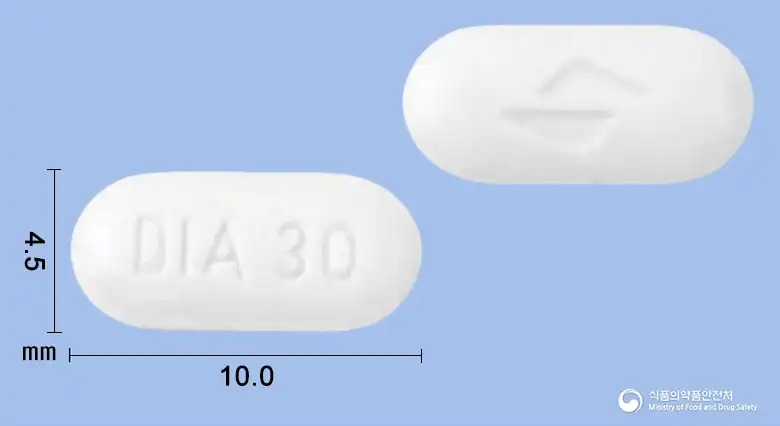 Viewing now
Diamicron MR (Gliclazide)
Gliclazide 30mg
Tablet · Prescription medication
Korea Servier Co., Ltd.
MFDS item code 200806454 · Approved 2008.06.12 · Insurance code 676300040
Improvement in blood glucose control for type 2 diabetes
This medication is used for patients with type 2 diabetes who have difficulty controlling their blood sugar through diet and exercise alone. It helps effectively lower blood glucose, contributing to preventing the progression of diabetes and reducing the risk of complications. Continuous use facilitates blood sugar management and helps maintain a healthy lifestyle. When used appropriately according to the patient's condition, it significantly aids in blood sugar control, hence it is used for the treatment of diabetes.
Adults: Administer gliclazide at a dose of 30 to 120 mg once daily in the morning, adjusted according to blood glucose levels. It is recommended to swallow the medication whole without breaking or chewing it. If a dose is missed, do not double the next day's dose. The initial recommended dose is 30 mg daily. If blood glucose control is unsatisfactory, it may be gradually increased to 60, 90, or 120 mg at least one month apart.
This medication is a sulfonylurea, which can cause hypoglycemia; therefore, blood glucose levels must be closely monitored while taking it. It should not be administered to certain patients such as those with diabetic ketoacidosis, type 1 diabetes, severe liver or kidney dysfunction, severe infections, and patients undergoing surgery, nor should it be taken by pregnant or breastfeeding women. During the use of this medication, a decrease in food intake or gastrointestinal disturbances such as vomiting or diarrhea can increase the risk of hypoglycemia, so caution is necessary. Elderly patients or those with compromised kidney or liver function, as well as patients with poor nutrition or irregular eating habits, should also use it cautiously. Symptoms of hypoglycemia may include lethargy, headache, tremors, confusion, drowsiness, and in severe cases may lead to altered consciousness, seizures, or coma, hence immediate consultation with medical personnel is required. This medication may interact with other drugs; therefore, blood glucose fluctuations should be closely observed when taken concurrently with miconazole, alcohol, certain anti-inflammatory drugs, antihypertensives, antibiotics, etc. Women who are pregnant or planning to become pregnant are advised to use insulin therapy instead, and breastfeeding women should also avoid using this medication. Safety for children has not been established; hence, its use is not recommended. Overdose may lead to hypoglycemia, and if symptoms appear, immediate glucose intake or emergency measures should be taken. During the initial dosing phase, it is important to be well informed about hypoglycemia symptoms and to be cautious when driving or operating machinery. Store this medication out of reach of children, and do not transfer it to another container.
Not everyone experiences these, and they can vary from person to person.
This medication may be sensitive to air or moisture, so it should be stored in a tightly closed container. It is recommended to maintain the storage temperature between 1 and 30 degrees Celsius.
White oblong modified-release tablet
500 tablets/bottle, 60 tablets (30 tablets/PTP x 2)
Even with the same ingredient, strength, dosage form and how it is taken can differ.
Viewing nowGliclazide 30mg
Tablet · Prescription medication
Korea Servier Co., Ltd.
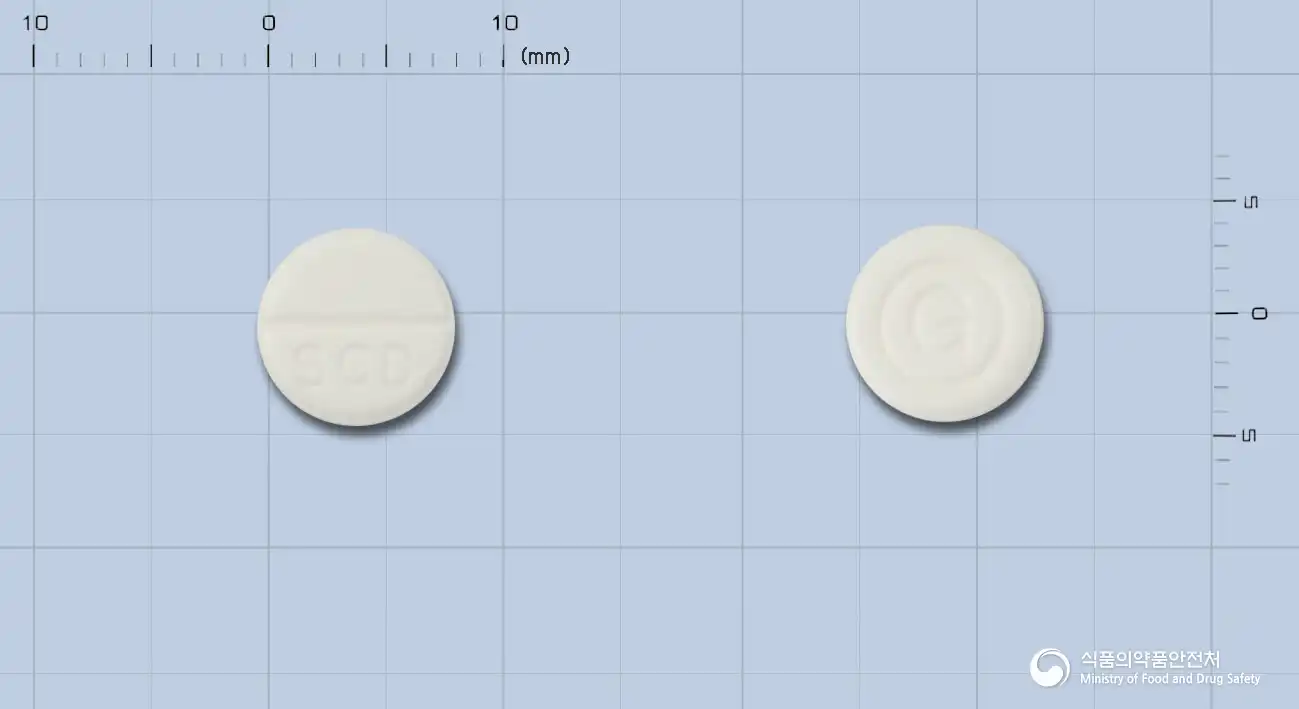
Gliclazide 80mg
Tablet · Prescription medication
(Samchundang Pharmaceuticals Co., Ltd.)
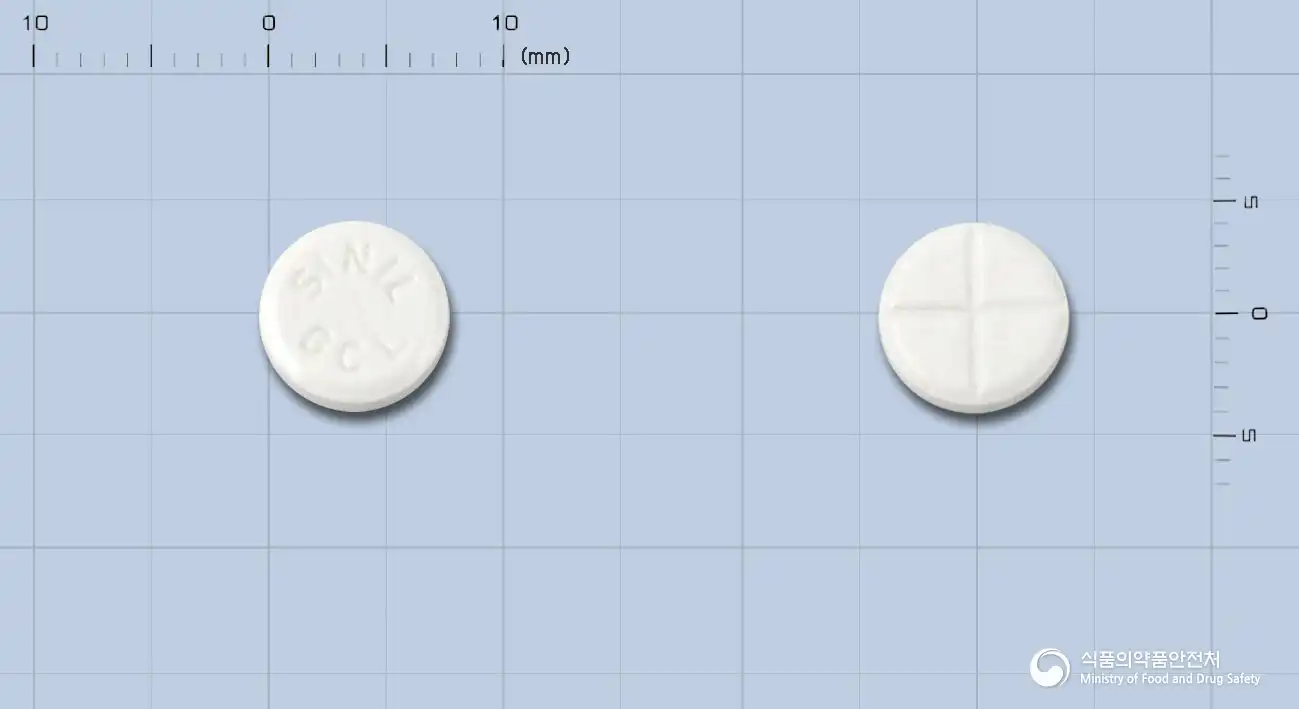
Gliclazide 80mg
Tablet · Prescription medication
(Shinil Pharmaceutical Co., Ltd.)
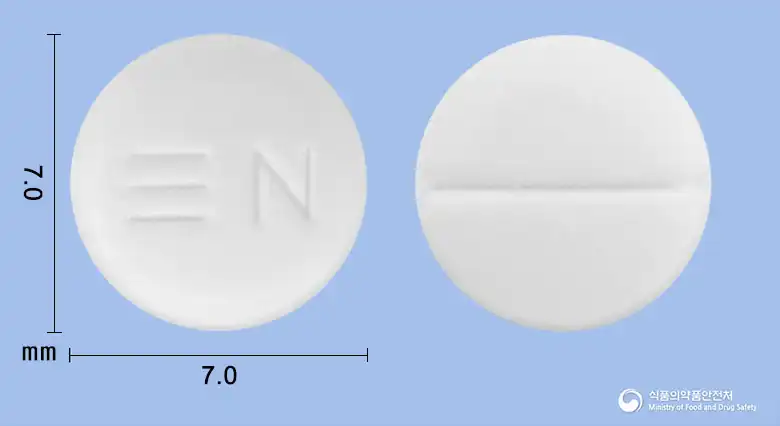
Gliclazide 80mg
Tablet · Prescription medication
(Samnam Pharmaceutical Co., Ltd.)
Gliclazide 80mg
Tablet · Prescription medication
SK Chemicals Co., Ltd.
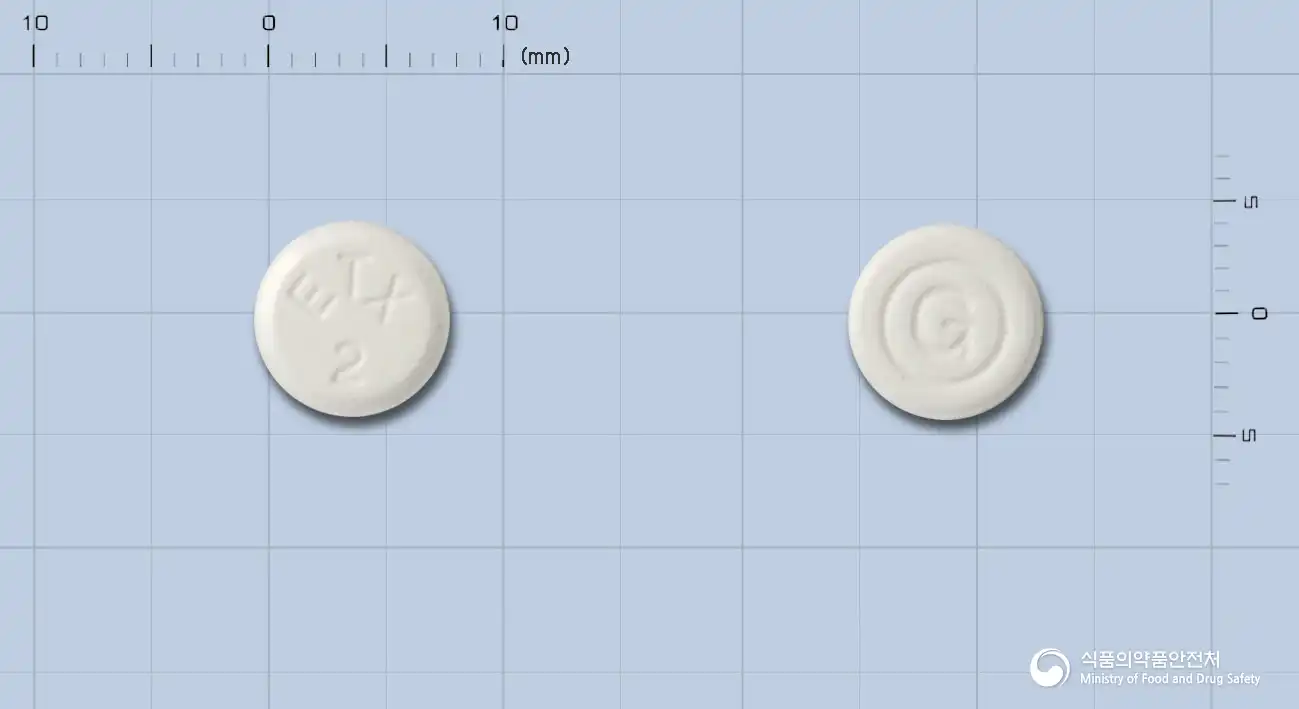
Gliclazide 80mg
Tablet · Prescription medication
Teragen Itex Co., Ltd.
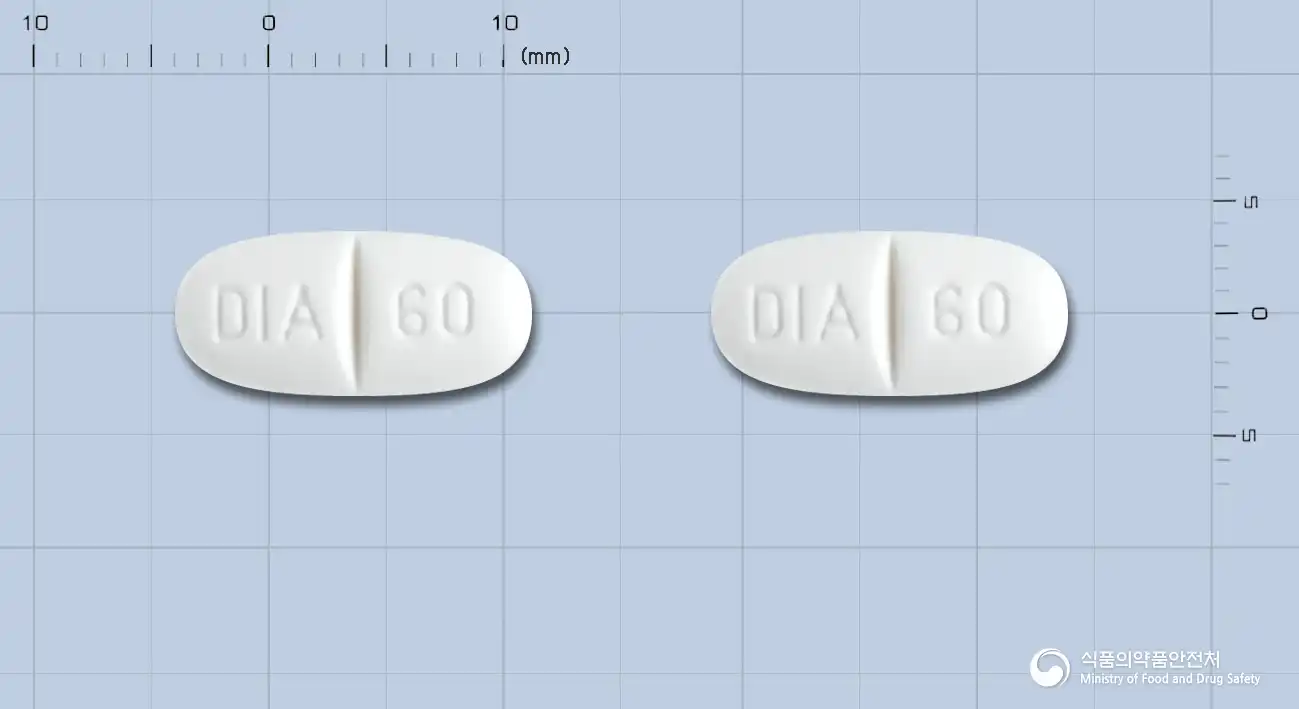
Gliclazide 60mg
Tablet · Prescription medication
Korea Servier Co., Ltd.
Even with the same ingredient, the dose and directions can differ by strength and dosage form. Talk to a doctor or pharmacist before switching from a medication you are already taking.
No questions yet.
For anything that needs medical judgment, consult a doctor or pharmacist.
This drug information is based on data provided by the Korea Ministry of Food and Drug Safety.
Consult a doctor or pharmacist for accurate dosage, administration, and usage instructions.