
 한국어
 English
 日本語
 中文(简体)
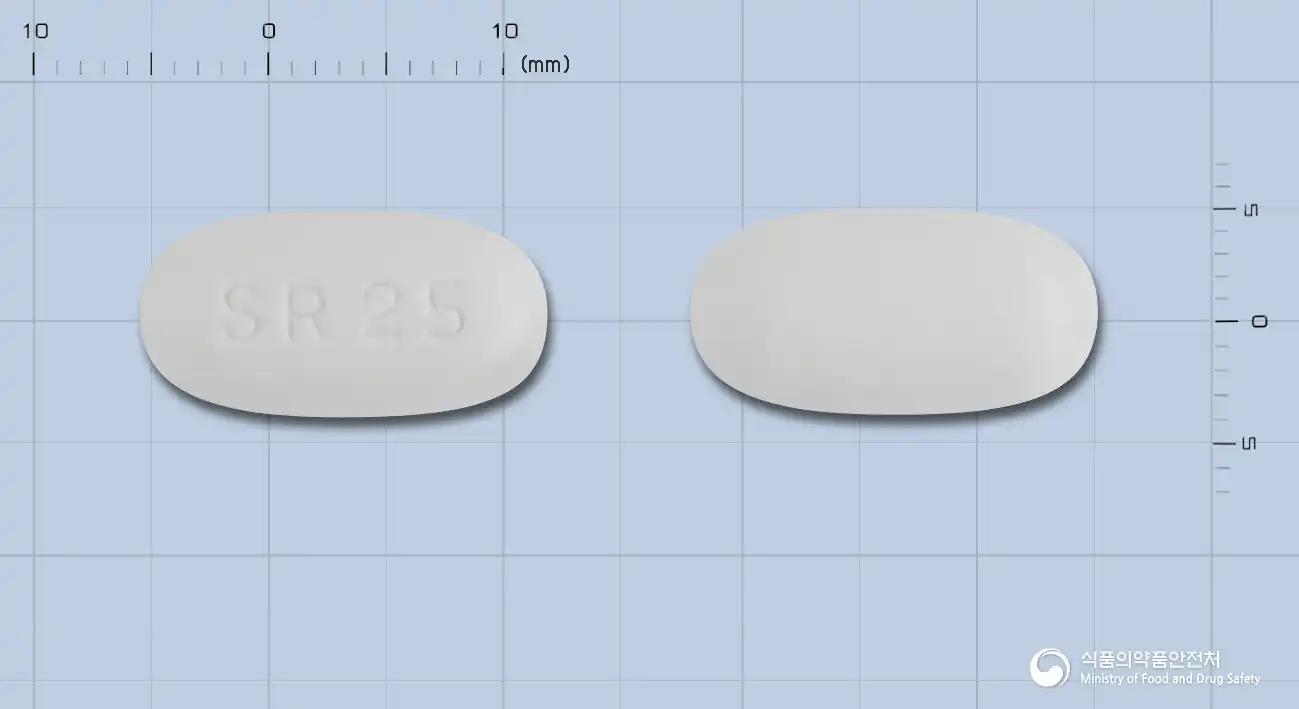 Viewing nowCombination
Amaryl-Mex Extended Release Tablet 2/500 mg
Metformin Hydrochloride 500mg · Glimepiride 2mg
Tablet · Prescription medication · Combination
Handok Co., Ltd.
MFDS item code 200805555 · Approved 2008.05.16 · Insurance code 652103870
Improvement of glycemic control in type 2 diabetes mellitus
This medication is used to assist blood sugar control in patients with type 2 diabetes by using gliclazide and metformin together. When taken with dietary therapy and exercise therapy, it can effectively manage blood sugar levels. Regular use helps maintain stable blood sugar levels. Therefore, it is effectively used for the treatment of type 2 diabetes.
The dose of antidiabetic agents should be adjusted according to each patient's blood glucose level. Refer to the following when initiating this medicine at the lowest possible dose. 1) When blood glucose is not adequately controlled with existing sulfonylurea or metformin monotherapy: The usual initial dose is 2/500mg of glimepiride/metformin hydrochloride per day, and the dose may be adjusted based on the patient's current medications and blood glucose level. If a long-acting sulfonylurea (e.g., chlorpropamide) was used before starting this medicine, monitor the patient carefully to prevent hypoglycemia due to excessive pharmacologic effects. 2) When used as a substitute for combination therapy: Administer the same dose as the existing daily doses of glimepiride and metformin hydrochloride. If needed, increase the dose based on each patient's current treatment regimen, efficacy, and tolerability, without exceeding the maximum recommended doses of each component: glimepiride 8mg and metformin 2000mg. Appropriate blood glucose monitoring should be performed for this purpose. Glimepiride generally provides little additional benefit at doses above 4mg, although some patients have achieved better metabolic control with an increase to 6mg (or 8mg). Administer this medicine once daily immediately before or with breakfast or the main meal. If a dose is missed, do not take more than a single dose at the next scheduled administration. This medicine is an extended-release formulation; swallow it whole without crushing or chewing it. (See Precautions.)
This medication is used to treat diabetes and helps in controlling blood sugar. When taking this medication, kidney function is important, so a kidney function test must be performed before starting treatment. If kidney function is impaired, the medication may accumulate in the body and pose a risk; therefore, the administration should be discontinued or adjusted if kidney function worsens. This drug can cause severe side effects such as hypoglycemia or lactic acidosis, and if these symptoms occur, it is vital to inform a doctor immediately. It is particularly important to temporarily discontinue the medication and consult a physician if there are symptoms like dehydration, severe diarrhea, vomiting, fever, etc. Patients with cardiovascular diseases or who have experienced recent myocardial infarction require careful evaluation before using this medication. Pregnant or breastfeeding women should not take this medication, and if planning to become pregnant, they must consult a doctor. During treatment, it is essential to maintain regular meals and exercise, and to regularly check blood sugar and kidney function to monitor the condition. This medication may interact with other drugs, so it is important to inform medical personnel if taking other medications or about to take new ones. Do not crush or chew the tablets; swallow them whole, and the shell of the tablet may appear in the stool, which is normal. Symptoms of hypoglycemia can include headache, dizziness, trembling, and severe hunger; immediate intake of sugar is required if symptoms occur. If this medication is taken in excess, consult medical personnel immediately and receive any necessary treatments, as there is a risk of hypoglycemia or lactic acidosis. Elderly or patients with reduced kidney function require careful dosage adjustments and regular monitoring. Inform your doctor immediately if any adverse effects or allergic reactions occur during medication.
Lactic acidosis, hypoglycemia, diarrhea, nausea, vomiting, abdominal swelling, distension, loss of appetite, discomfort, metallic taste, visual impairment, taste disorders, itching, urticaria, rash, thrombocytopenia, leukopenia, hemolytic anemia, peripheral neuropathy, megablastic anemia, increase in liver enzymes, liver damage, bile secretion disorder, jaundice, hepatitis, allergic vasculitis, photosensitivity, decreased serum sodium concentration, decreased thyroid-stimulating hormone levels, magnesium deficiency due to diarrhea, encephalopathy, hair loss, weight gain, upper abdominal pain, abdominal discomfort, abnormal bowel sounds, constipation, dyspepsia, hyperkalemia, hypertension, flushing
Not everyone experiences these, and they can vary from person to person.
This medication can be sensitive to air or moisture, so it should be stored in a tightly closed container. Additionally, it is recommended to store it at room temperature, preferably between 1 to 30 degrees Celsius, avoiding extreme temperatures.
White oblong film-coated tablet
30 tablets/bottle
Even with the same ingredient, strength, dosage form and how it is taken can differ.
Viewing nowCombinationMetformin Hydrochloride 500mg · Glimepiride 2mg
Tablet · Prescription medication · Combination
Handok Co., Ltd.
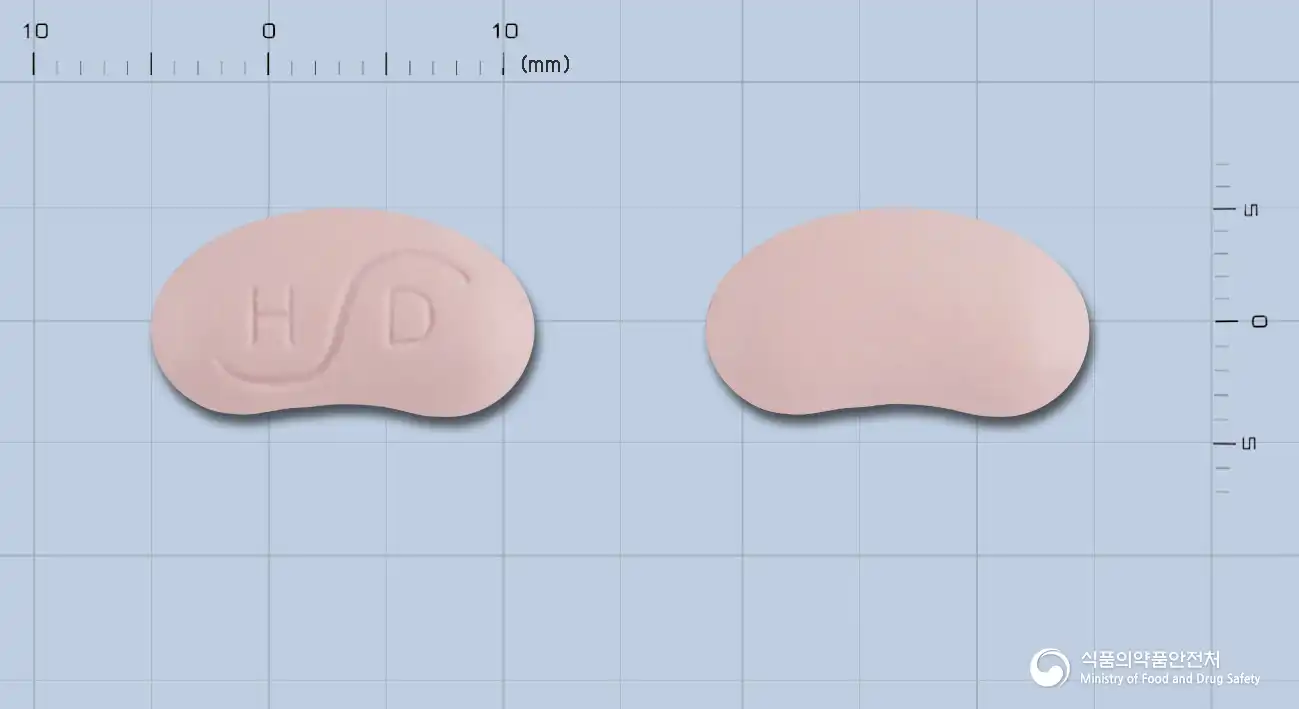 Combination
Metformin Hydrochloride 500mg · Glimepiride 1mg
Tablet · Prescription medication · Combination
Hanmi Pharmaceutical Co., Ltd.
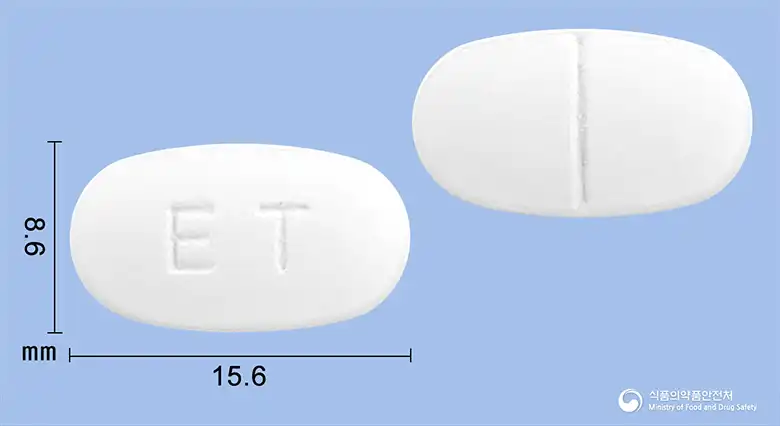 Combination
Metformin Hydrochloride 500mg · Glimepiride 2mg
Tablet · Prescription medication · Combination
Teragen Etex Co., Ltd.
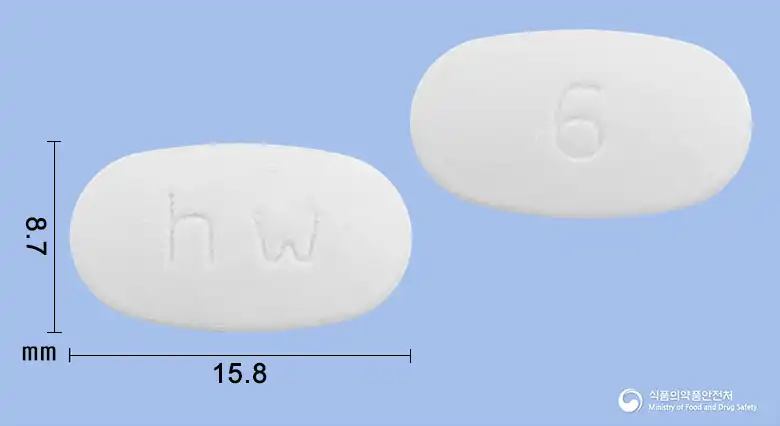 Combination
Glimepiride 2mg · Metformin Hydrochloride 500mg
Tablet · Prescription medication · Combination
Hawon Pharmaceutical Co., Ltd.
Metformin Hydrochloride 500mg · Glimepiride 2mg
Tablet · Prescription medication · Combination
TDS Pharm Co., Ltd.
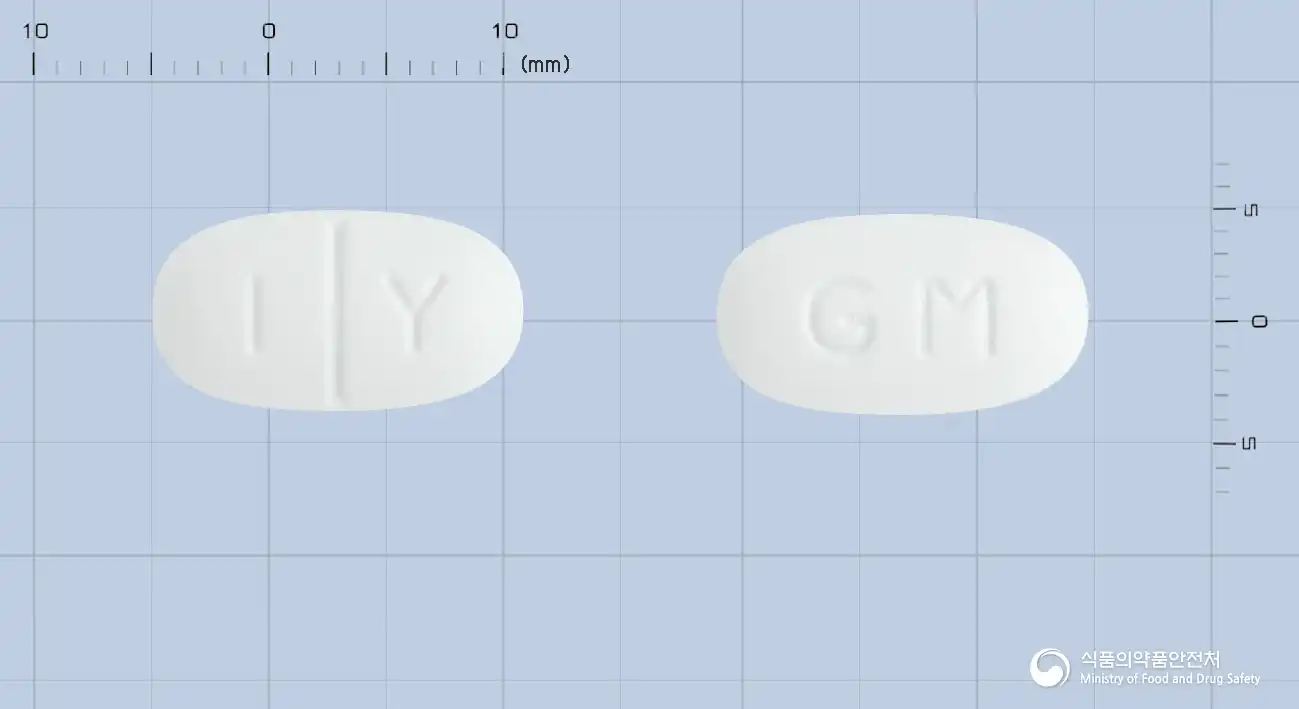 Combination
Glimepiride 2mg · Metformin Hydrochloride 500mg
Tablet · Prescription medication · Combination
Il Yang Pharmaceutical Co., Ltd.
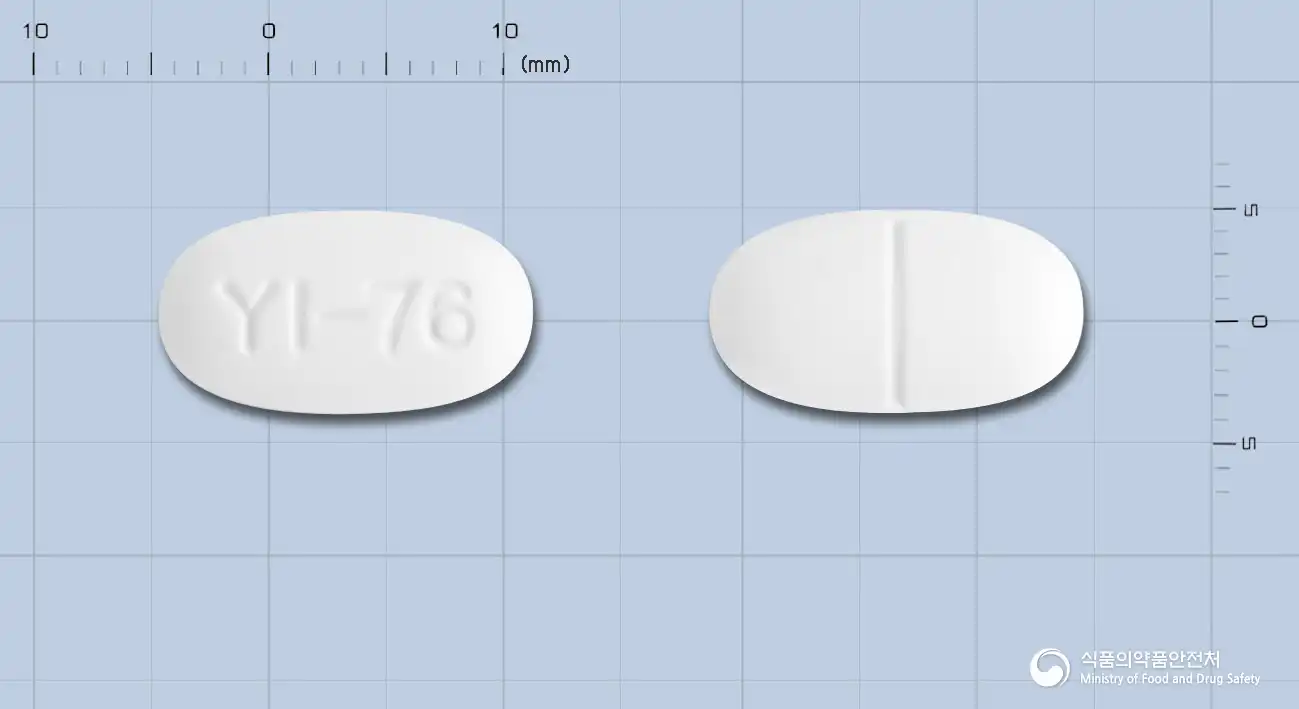 Combination
Glimepiride 2mg · Metformin Hydrochloride 500mg
Tablet · Prescription medication · Combination
Youngil Pharmaceutical Co., Ltd.
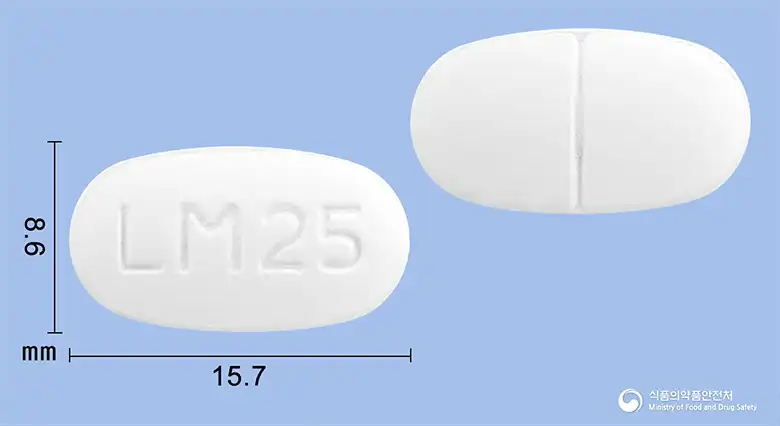 Combination
Glimepiride 2mg · Metformin Hydrochloride 500mg
Tablet · Prescription medication · Combination
Albozen Korea Co., Ltd.
Even with the same ingredient, the dose and directions can differ by strength and dosage form. Talk to a doctor or pharmacist before switching from a medication you are already taking.
No questions yet.
For anything that needs medical judgment, consult a doctor or pharmacist.
This drug information is based on data provided by the Korea Ministry of Food and Drug Safety.
Consult a doctor or pharmacist for accurate dosage, administration, and usage instructions.