
 한국어
한국어 English
 日本語
日本語 中文(简体)
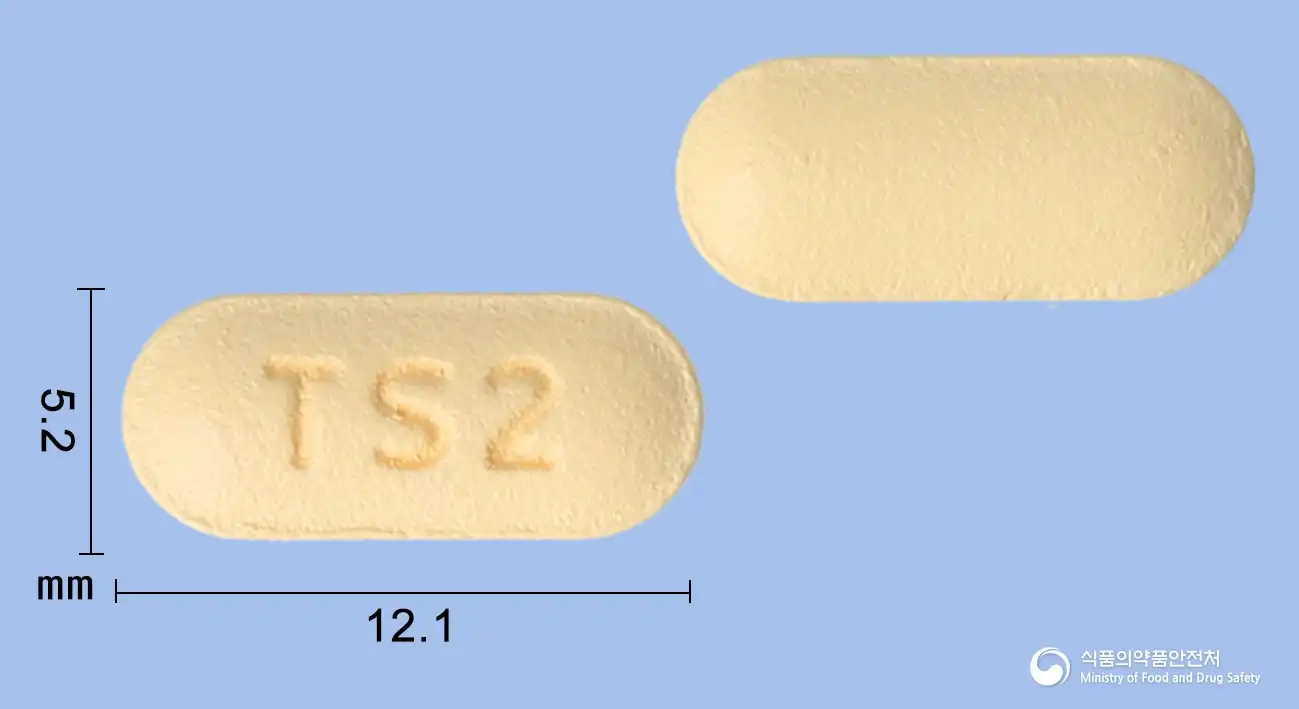 Viewing nowCombination
Trossetsemi Tablet
Tramadol Hydrochloride 18.75mg · Acetaminophen 162.5mg
Tablet · Prescription medication · Combination
Seoul Pharmaceutical Co., Ltd.
MFDS item code 200805386 · Notified 2008.05.13 · Insurance code 652902170
Relief of moderate to severe acute and chronic pain
This medication is used to relieve acute and chronic pain from moderate to severe.
Children aged 12 and older and adults: Dose should be adjusted based on the patient's pain level and therapeutic response. The initial dose recommended is 4 tablets, after which the dosing interval should be at least 6 hours apart, but should not exceed 16 tablets per day. Administer the lowest effective dose for the shortest duration possible. Avoid administering this medication for prolonged periods unnecessarily, and if prolonged therapy is required due to the nature and severity of the disease, regular monitoring should be conducted to verify the continued use of this medication. Elderly Administer the usual adult dosage. However, for elderly patients over 75 years old, when tramadol is taken orally, the half-life elimination of tramadol increases by 17%, so administration should occur at intervals of at least 6 hours. Renal impairment For moderate renal impairment (creatinine clearance of 10-30 ml/min), extend the dosing interval to 12 hours. For severe renal impairment (creatinine clearance of less than 10 ml/min), administration is not recommended. Tramadol is very slowly removed during hemodialysis and filtration, so there is no need for re-administration of this medication after dialysis to maintain analgesic effect. Liver impairment For moderate liver impairment, it should be carefully considered to extend the dosing interval. For severe liver impairment, this medication should not be administered.
Children aged 12 and older and adults: Dose should be adjusted based on the patient's pain level and therapeutic response. The initial dose recommended is 4 tablets, after which the dosing interval should be at least 6 hours apart, but not exceeding 16 tablets per day.
This medication can burden the liver, so those who regularly consume alcohol beyond a certain amount every day should consult a doctor or pharmacist before taking it. During the intake of this medication, severe skin reactions such as rash or pustules may occur, so if any of these symptoms arise, medication should be discontinued immediately and medical personnel should be notified. The tramadol component of this medication can increase the risk of seizures, so patients with a history of seizures or those at high risk should take it with caution. In addition, taking it with certain antidepressants or narcotic analgesics may increase the risk of seizures, so expert guidance must be followed when administered in combination. Patients with severe respiratory diseases, especially those with acute bronchial asthma, may find it even harder to breathe due to this medication and should only be administered in medical institutions equipped with specialized equipment. Taking this medication with alcohol or central nervous system depressants can lead to severe drowsiness, respiratory depression, or coma; therefore, co-administration should be avoided as much as possible. Patients with head injuries or increased intracranial pressure should be cautious as respiratory depression due to this medication may worsen their symptoms. This medication can cause psychological and physical dependence, so healthcare providers should closely monitor for dependence when used for a long time. Patients with poor liver function may experience liver damage due to the acetaminophen component in this medication, so it should be taken only after consulting a doctor. Patients who genetically metabolize this medication very rapidly may have an increased risk of respiratory depression; thus, dosage adjustments or alternative medications may be necessary in such cases. This medication should not be given to children under 12 years of age or to adolescents under 18 who have undergone tonsillectomy or adenoidectomy, and adolescents between the ages of 12 and 18 should also use it with caution. Patients with sleep apnea or hypoxemia may experience worsening symptoms after taking this medication, so changes in symptoms should be continuously monitored, and dosages should be adjusted if necessary. This medication can cause hyponatremia, so especially in the elderly or patients at risk of hyponatremia, it is advisable to regularly check serum sodium levels. This medication should not be administered to those with allergies to its components, those with central nervous system drug intoxication, severe respiratory depression, head injuries, or those currently taking certain medications. Women who are pregnant or may become pregnant should carefully consider the risks and benefits of taking this medication, and it is safest for nursing mothers not to take it. Caution should be taken when driving or operating machinery as this medication can cause drowsiness or dizziness; combining it with alcohol should be avoided. In case of overdose, severe respiratory depression, seizures, liver damage, among other effects, may occur; therefore, doses must be strictly observed and any abnormal symptoms must be reported to medical institutions immediately.
Hives, severe swelling (edema), chest tightness, difficulty breathing, cold sweat, pallor, severe rash with high fever, blisters, pain in mucous membranes of mouth/eyes, breathlessness or difficulty breathing, asthma attacks, respiratory abnormalities with cough and fever, yellowing of skin or eyes (jaundice), extreme lethargy, sudden and very severe headache, thunderclap headache, seizures, disorientation, visual disturbances, paralysis, urination
Not everyone experiences these, and they can vary from person to person.
This medication should be stored in a tightly sealed container to prevent air exposure, and it is best kept at room temperature between 1 to 30 degrees Celsius. This will help maintain the medication's efficacy and allow for safe use.
Pale yellow rectangular film-coated tablet
30 tablets/bottle, 300 tablets/bottle
Even with the same ingredient, strength, dosage form and how it is taken can differ.
Viewing nowCombinationTramadol Hydrochloride 18.75mg · Acetaminophen 162.5mg
Tablet · Prescription medication · Combination
Seoul Pharmaceutical Co., Ltd.
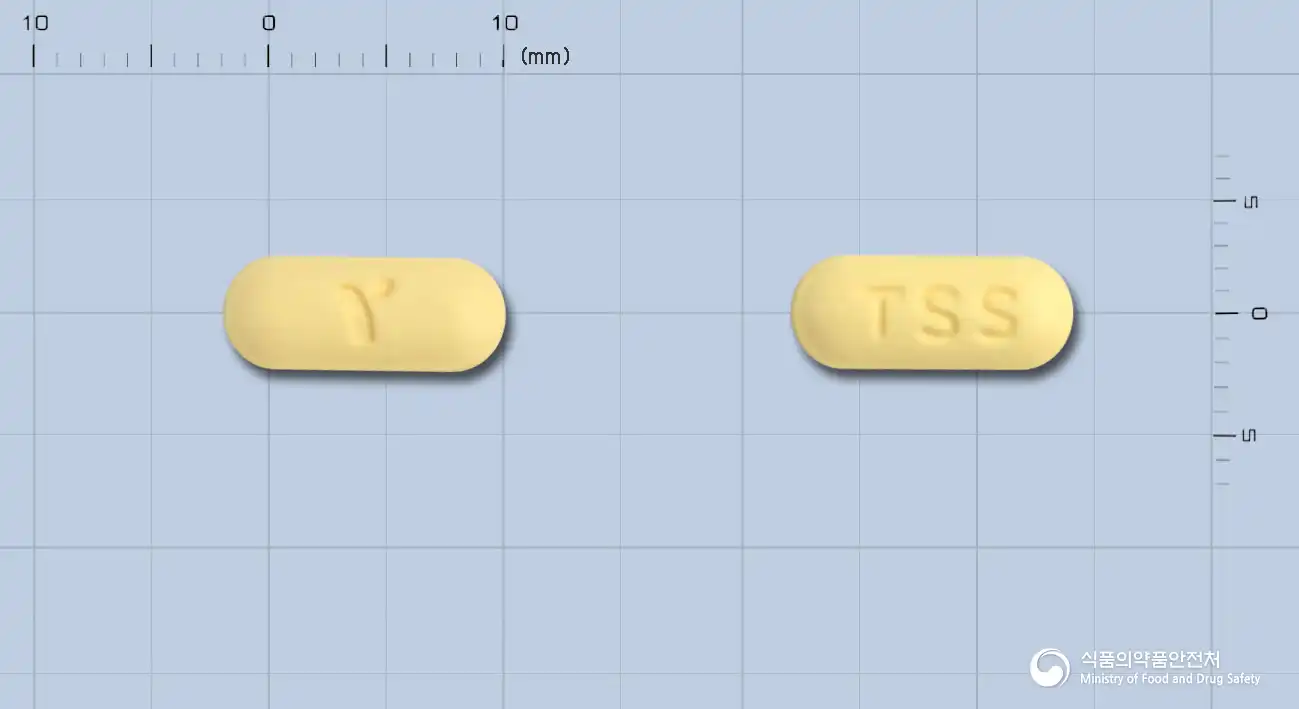 Combination
Acetaminophen 162.5mg · Tramadol Hydrochloride 18.75mg
Tablet · Prescription medication · Combination
Yuyoung Pharmaceutical Co., Ltd.
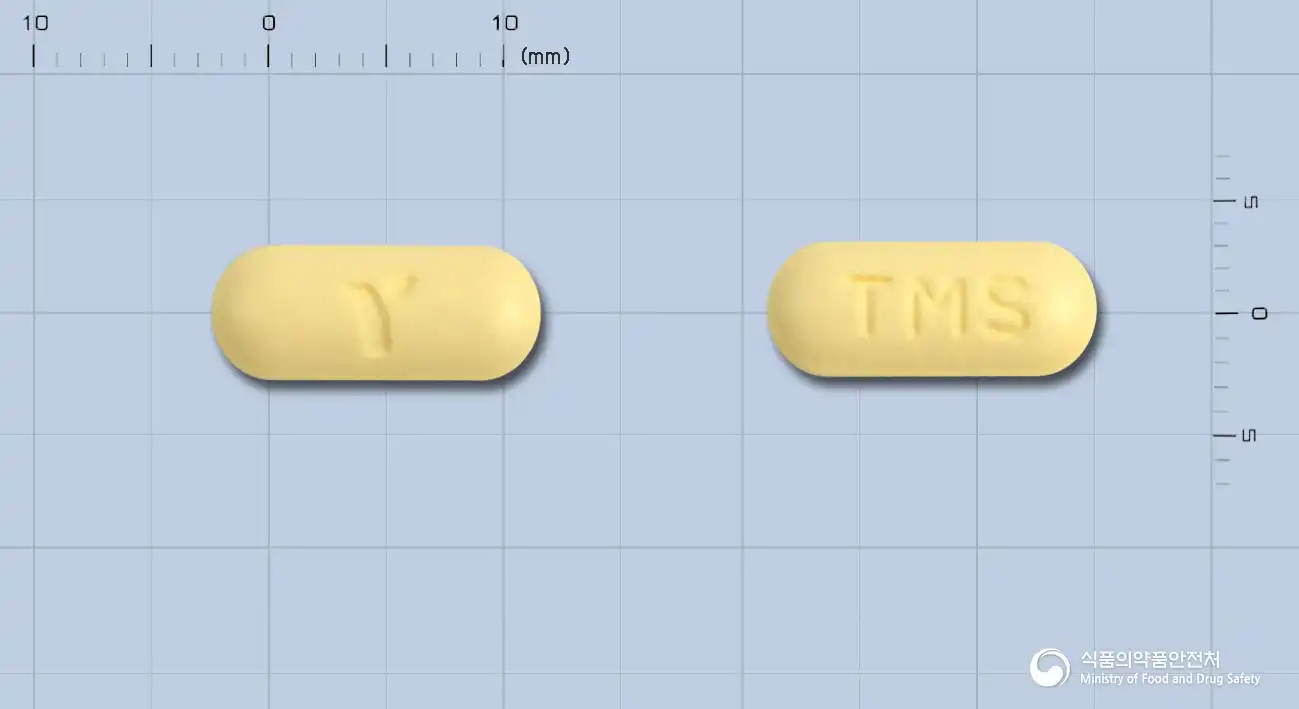 Combination
Acetaminophen 325mg · Tramadol Hydrochloride 37.5mg
Tablet · Prescription medication · Combination
Youyoung Pharmaceutical Co., Ltd.
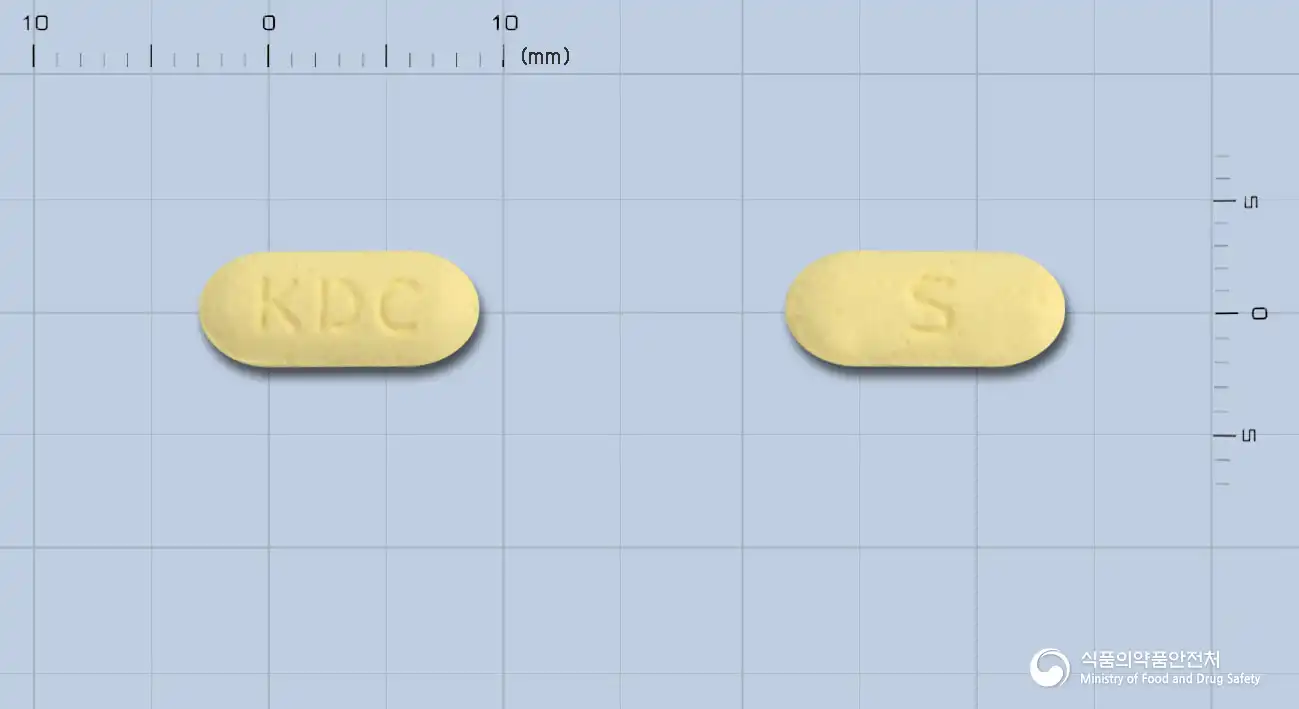 Combination
Tramadol Hydrochloride 18.75mg · Acetaminophen 162.5mg
Tablet · Prescription medication · Combination
Korea Pharmaceutical Co., Ltd.
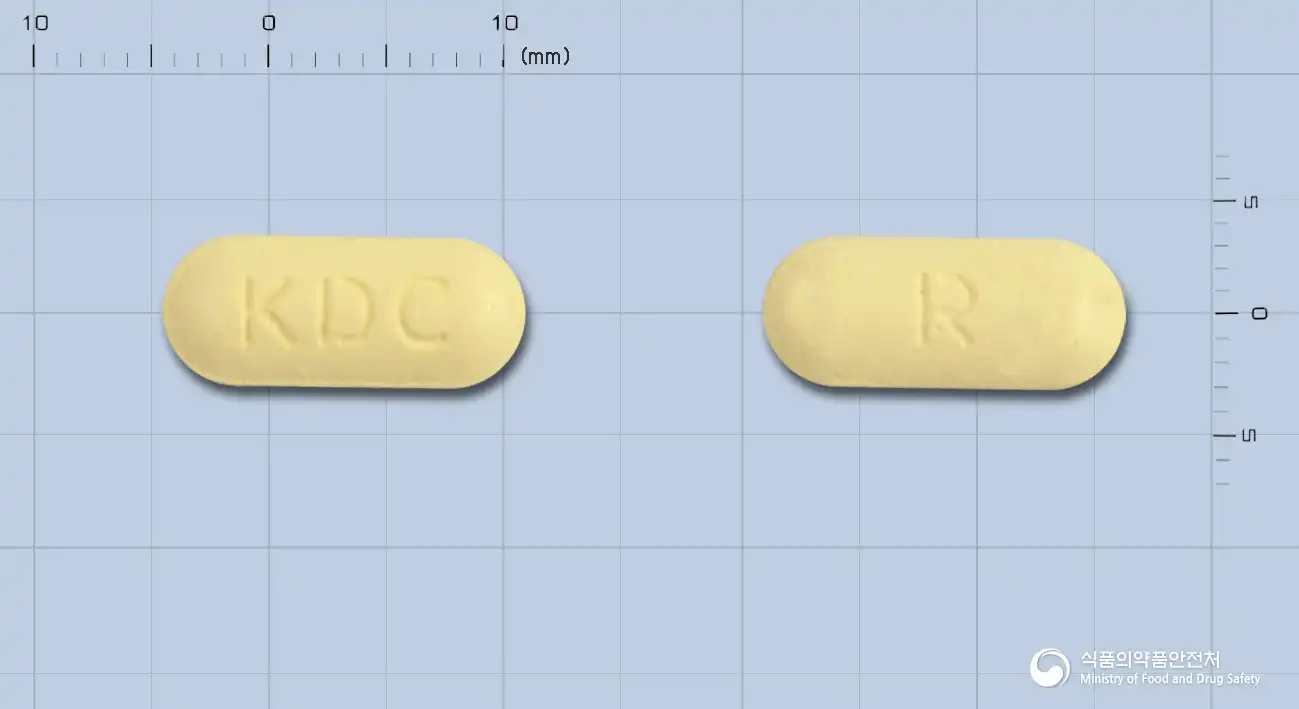 Combination
Tramadol Hydrochloride 37.5mg · Acetaminophen 325mg
Tablet · Prescription medication · Combination
Korea United Pharmaceutical Co., Ltd.
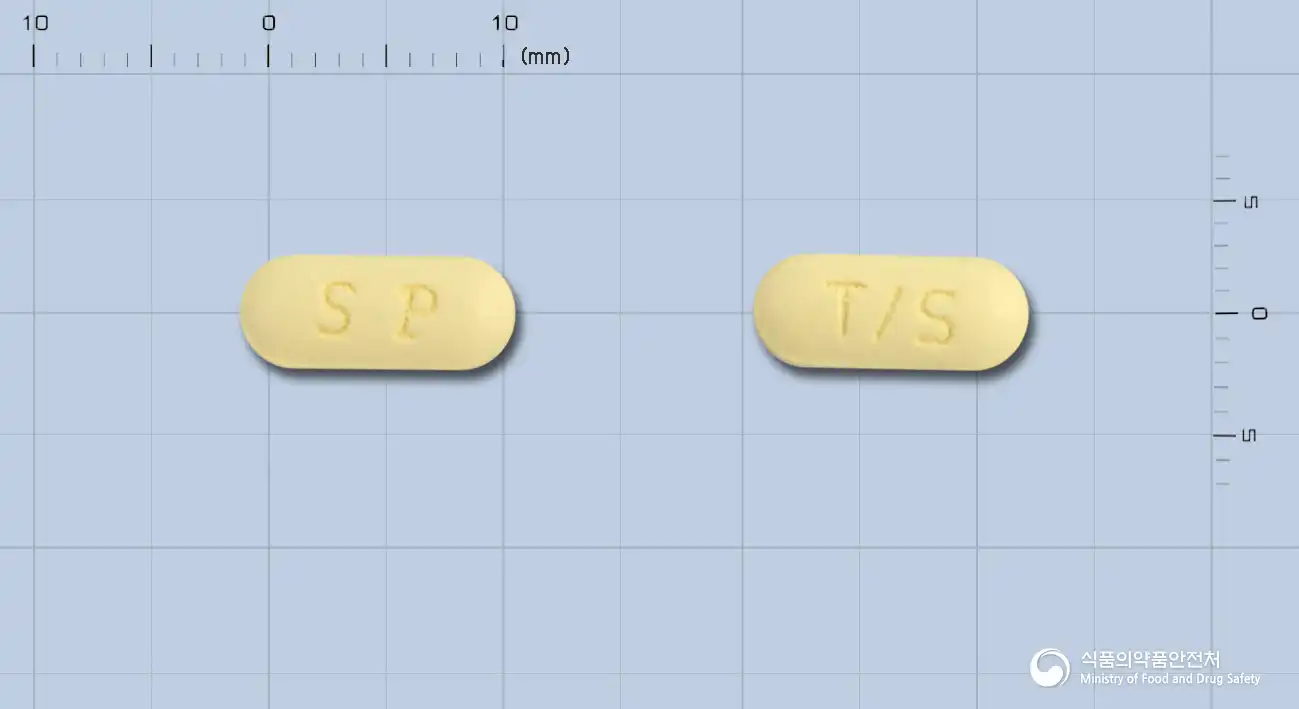 Combination
Acetaminophen 162.5mg · Tramadol Hydrochloride 18.75mg
Tablet · Prescription medication · Combination
Shinpoong Pharmaceutical Co., Ltd.
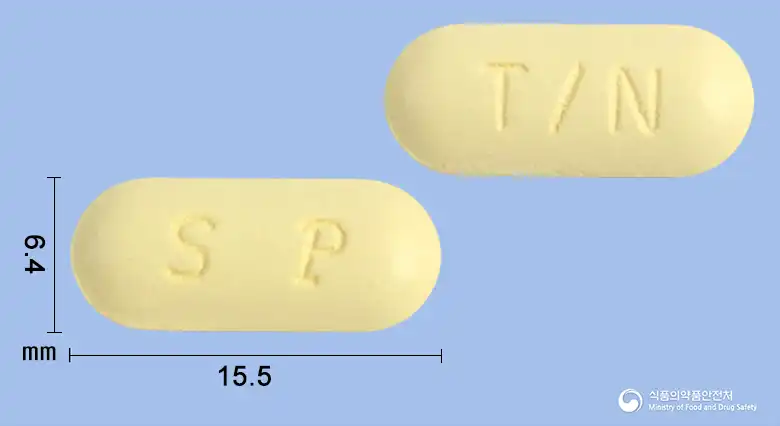 Combination
Acetaminophen 325mg · Tramadol Hydrochloride 37.5mg
Tablet · Prescription medication · Combination
Sinphong Pharmaceutical Co., Ltd.
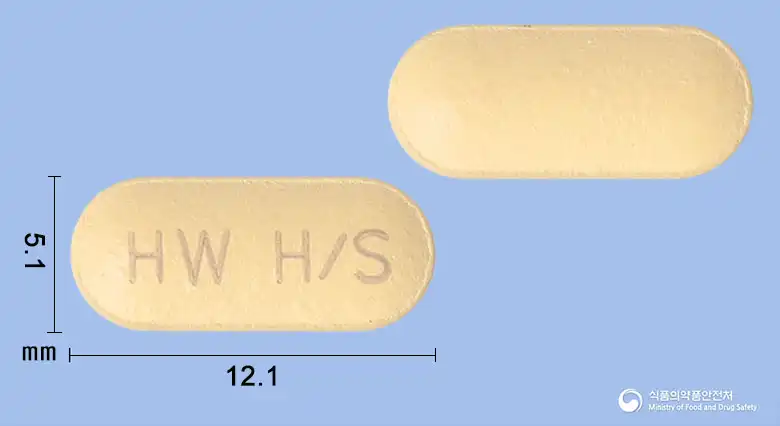 Combination
Acetaminophen 162.5mg · Tramadol Hydrochloride 18.75mg
Tablet · Prescription medication · Combination
Albozen Korea Co., Ltd.
Even with the same ingredient, the dose and directions can differ by strength and dosage form. Talk to a doctor or pharmacist before switching from a medication you are already taking.
No questions yet.
For anything that needs medical judgment, consult a doctor or pharmacist.
This drug information is based on data provided by the Korea Ministry of Food and Drug Safety.
Consult a doctor or pharmacist for accurate dosage, administration, and usage instructions.