
 한국어
한국어 English
 日本語
日本語 中文(简体)
 Viewing now
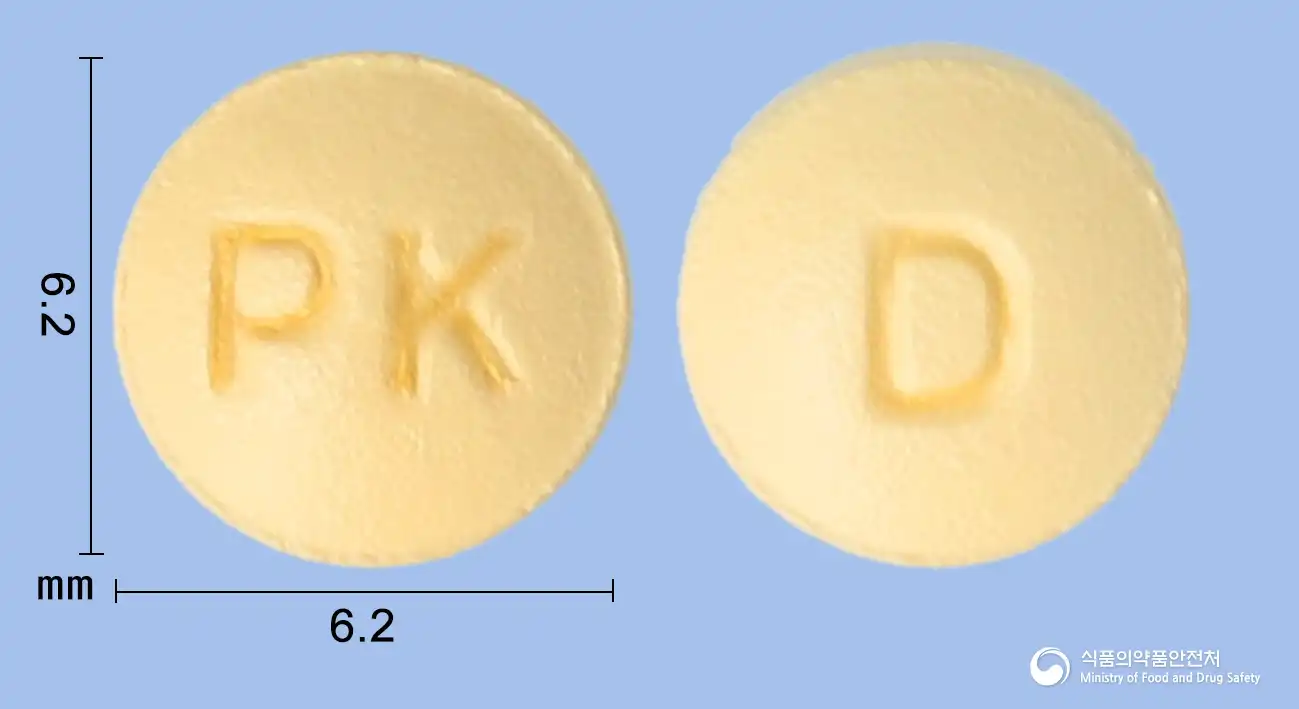
Ledopin Tablets (Lercanidipine Hydrochloride)
Lercanidipine Hydrochloride 10mg
Tablet · Prescription medication
Korea Pavise Pharmaceutical Co., Ltd.
MFDS item code 200805235 · Notified 2008.05.08 · Insurance code 621802210
Treatment of mild to moderate essential hypertension
This medication is used to treat essential hypertension categorized as mild to moderate.
For Lercanidipine Hydrochloride, take 5-10 mg orally once daily, at least 15 minutes before meals. The dosage may be increased up to 20 mg depending on the patient’s symptoms. Dose adjustments should be made gradually as the maximum antihypertensive effect typically takes two weeks to manifest. For elderly patients, dosage adjustments are not usually required, but caution is necessary at the start of treatment. For patients with mild to moderate liver or kidney impairment, special caution is needed during the initiation process.
This drug should not be used by certain patients. For example, patients with an allergy to this drug or similar drugs, pregnant or nursing women, patients with specific heart problems, patients with severe liver or kidney disease, those who have recently experienced a myocardial infarction, patients undergoing dialysis, and children and adolescents under 18 should not take this medication. This drug should be used with caution in some patients. Special caution is required for patients with heart function issues, slightly impaired kidney or liver function, past angina sufferers, those who consume alcohol frequently, and elderly individuals. When taking this medication, various side effects may occur. Symptoms may include flushing or swelling of the face, palpitations, headache, dizziness, indigestion, nausea, vomiting, altered liver function, frequent urination, inflammation of the mouth, skin rash, muscle pain, etc. If these symptoms occur, consult a physician. Sudden discontinuation of this medication may worsen symptoms, so it must be gradually reduced while closely monitoring the condition. Additionally, dizziness or drowsiness may occur during treatment, thus caution is needed while driving or operating machinery. As this medication is metabolized in the liver, the effectiveness can change when taken with certain medications. Caution is necessary when co-administering with drugs that inhibit or promote liver metabolism, and it is advisable to avoid grapefruit juice as it can elevate drug concentration. Alcohol can also enhance the blood pressure-lowering effect of this medication and should be avoided. Women who are pregnant or could become pregnant, as well as nursing women, should not take this medication and should use effective contraception. There is insufficient experience in using this medication for children and adolescents under 18, so it is considered safer not to prescribe it to them. For elderly patients, special caution is needed, but dosage adjustments are generally not required. In case of overdose, severe hypotension and rapid heartbeat may occur, for which appropriate medical treatment should be received. This medication is highly lipid-soluble, making removal through dialysis difficult, so the heart condition should be monitored for at least 24 hours in case of overdose. Finally, this medication should be stored out of reach of children, and transferring it to another container may compromise the quality of the product, so caution is advised.
Severe allergic reactions (hives, severe swelling, chest tightness, difficulty breathing, cold sweat, pallor), severe skin adverse reactions (rash with high fever, blisters, skin peeling, mucosal pain in mouth/eyes), respiratory problems (shortness of breath or difficulty breathing, asthma attacks, respiratory issues accompanied by cough and fever), liver abnormalities (yellowing of skin or eyes, extreme fatigue), severe neurological symptoms (sudden and
Not everyone experiences these, and they can vary from person to person.
This medication should be stored in a tightly closed container to prevent exposure to air or moisture. It is best to keep it at room temperature between 1°C and 30°C, avoiding extreme heat or cold.
Yellow round film-coated tablets
30 tablets/bottle, 500 tablets/bottle
Even with the same ingredient, strength, dosage form and how it is taken can differ.
Viewing nowLercanidipine Hydrochloride 10mg
Tablet · Prescription medication
Korea Pavise Pharmaceutical Co., Ltd.
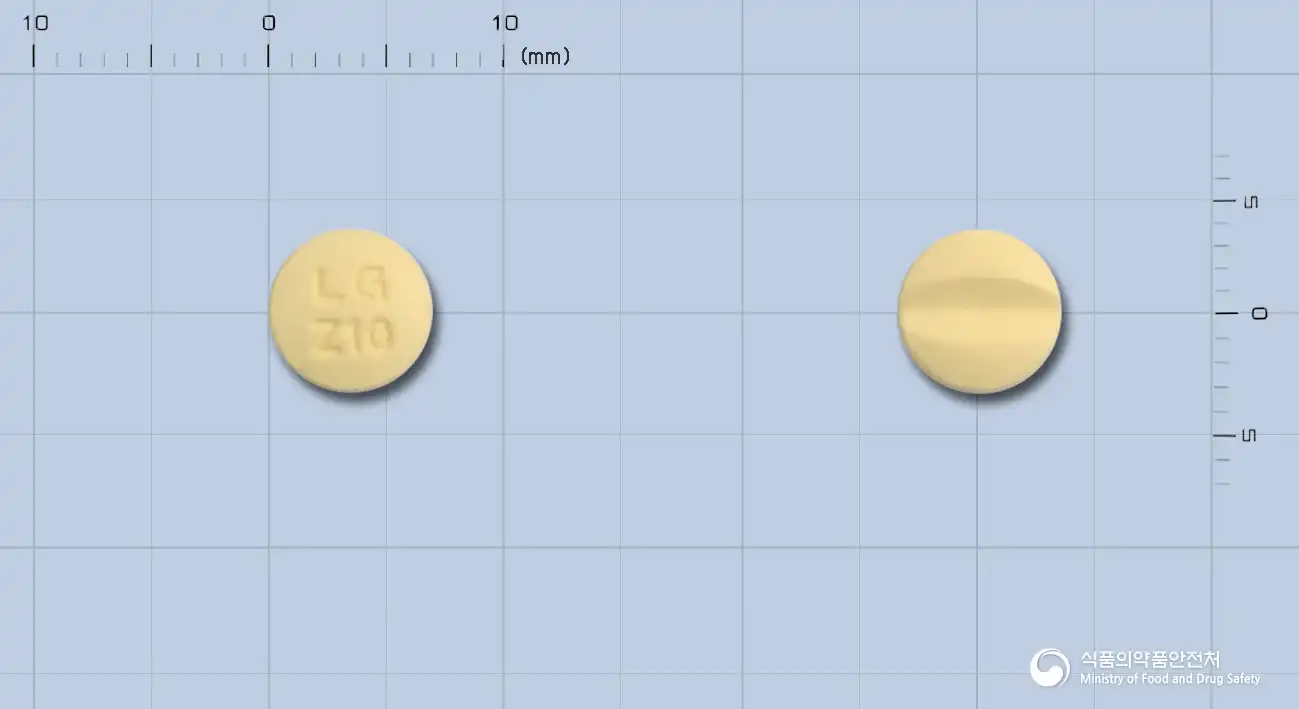
Lercanidipine Hydrochloride 10mg
Tablet · Prescription medication
LG Chem, Ltd.
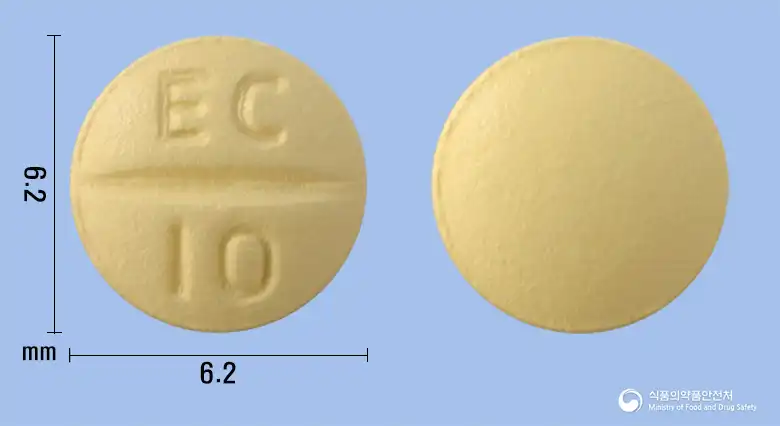
Lercanidipine Hydrochloride 10mg
Tablet · Prescription medication
Jongkundang Co., Ltd.
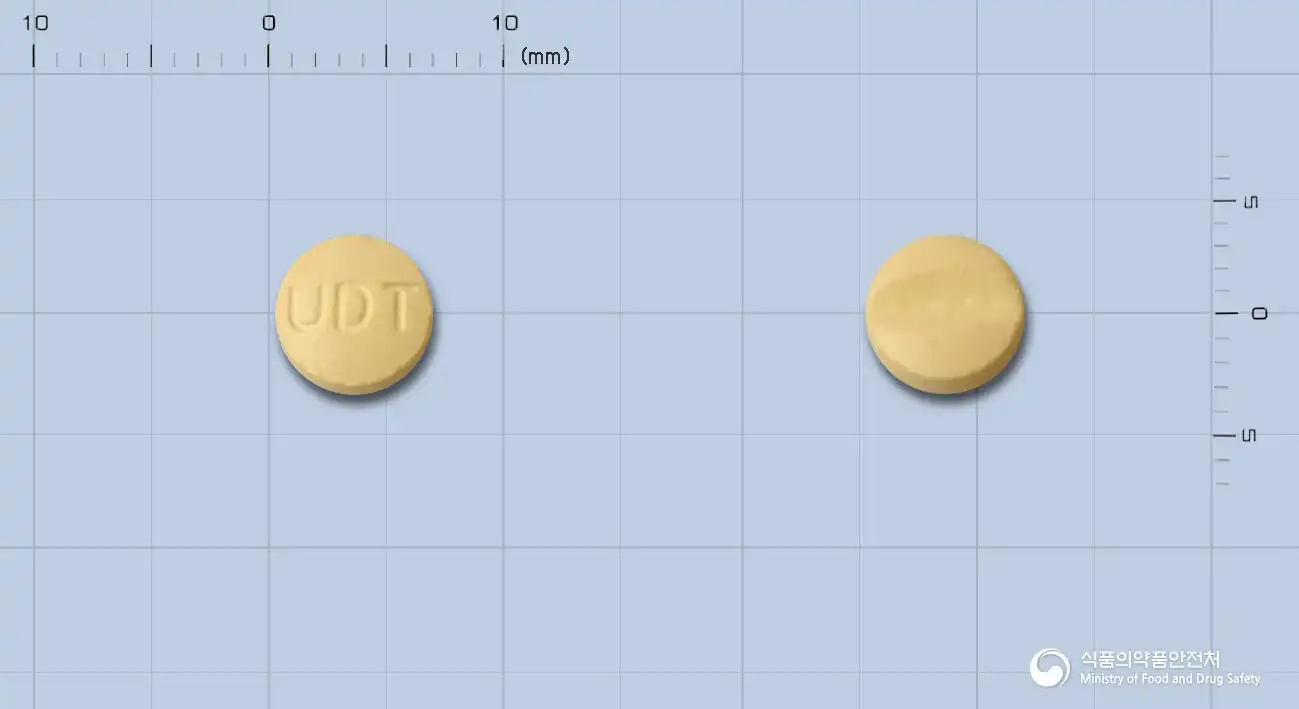
Lercanidipine Hydrochloride 10mg
Tablet · Prescription medication
Yuyu Pharmaceutical Co., Ltd.
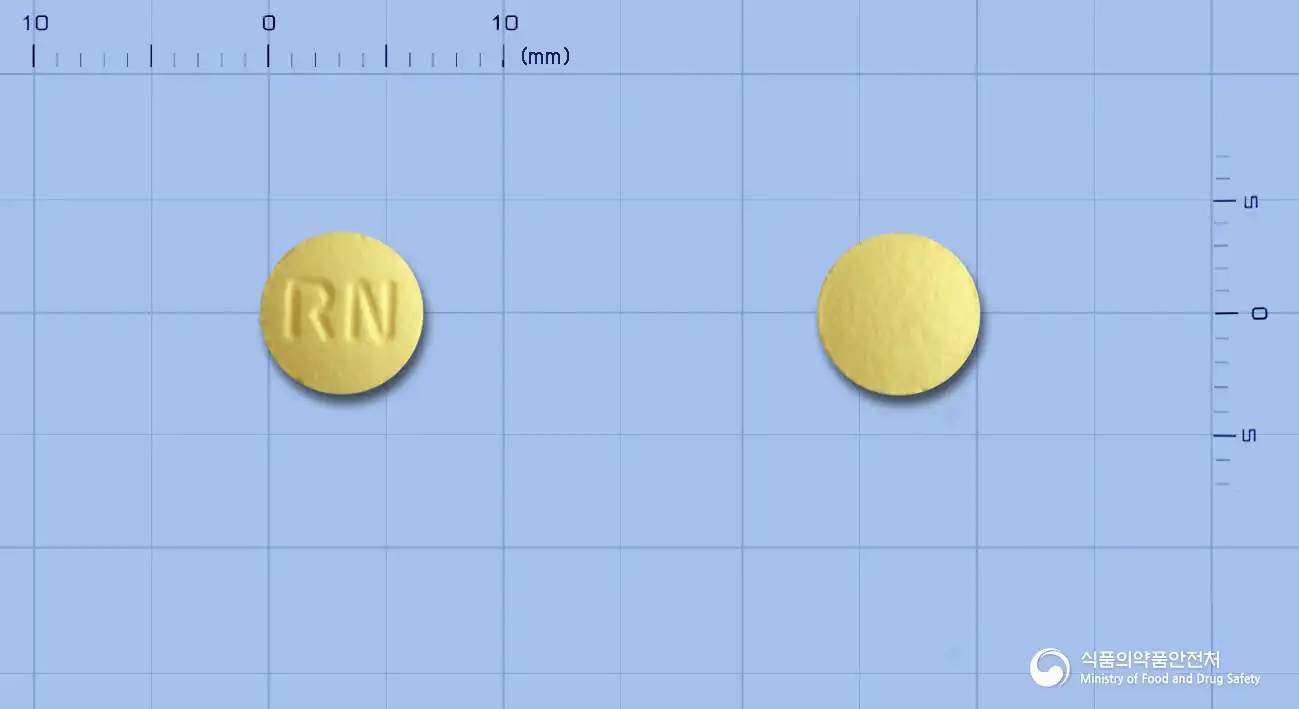
Lercanidipine Hydrochloride 10mg
Tablet · Prescription medication
Samsung Pharmaceutical Co., Ltd.
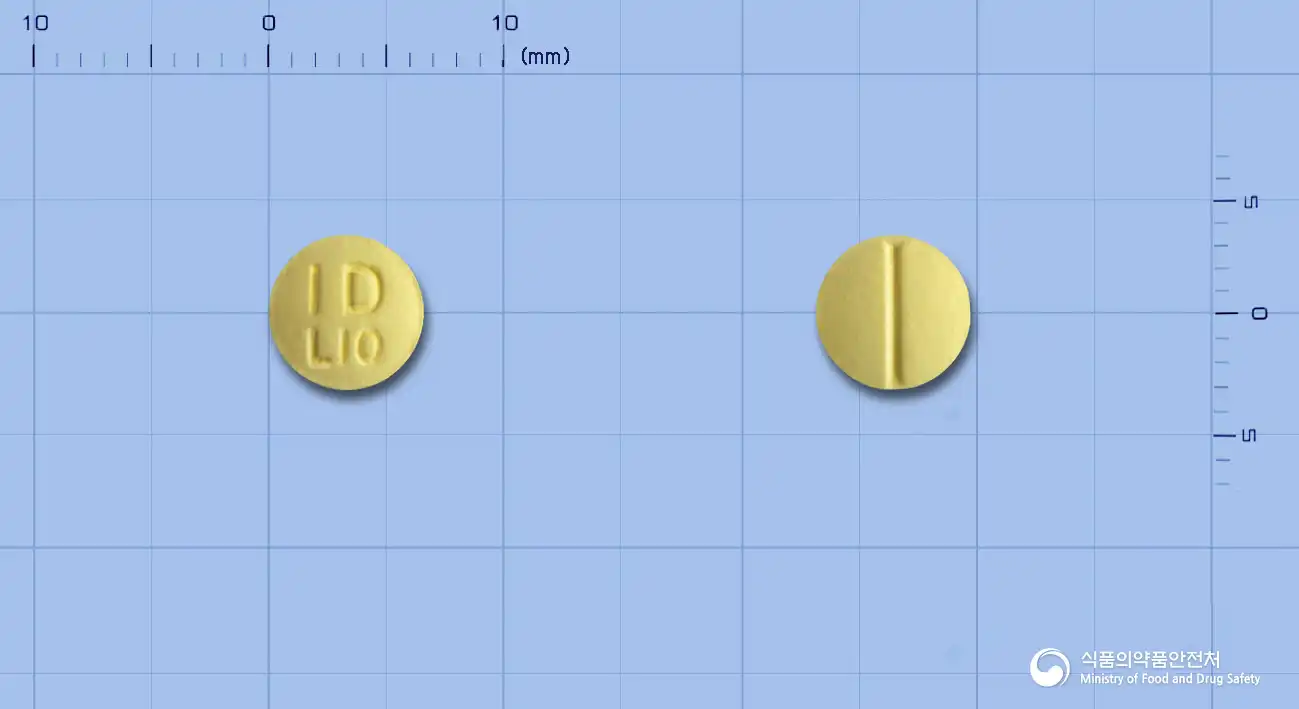
Lercanidipine Hydrochloride 10mg
Tablet · Prescription medication
Ildong Pharmaceutical Co., Ltd.
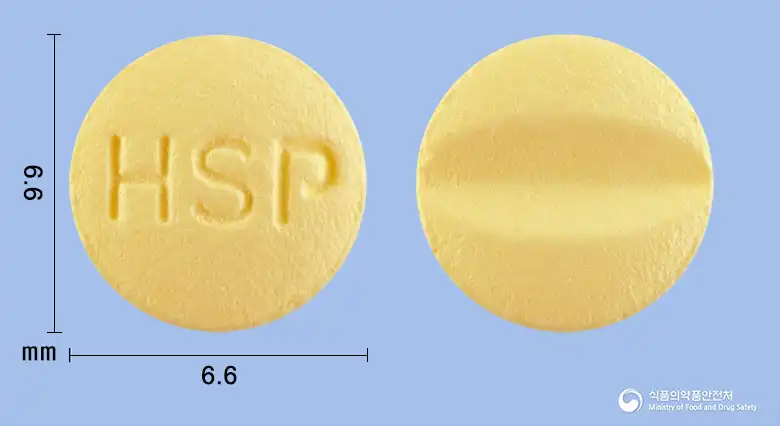
Lercanidipine Hydrochloride 10mg
Tablet · Prescription medication
Celltrion Pharmaceutical Co., Ltd.
Lercanidipine Hydrochloride 10mg
Tablet · Prescription medication
Yuhan Corporation
Even with the same ingredient, the dose and directions can differ by strength and dosage form. Talk to a doctor or pharmacist before switching from a medication you are already taking.
No questions yet.
For anything that needs medical judgment, consult a doctor or pharmacist.
This drug information is based on data provided by the Korea Ministry of Food and Drug Safety.
Consult a doctor or pharmacist for accurate dosage, administration, and usage instructions.