
 한국어
한국어 English
 日本語
日本語 中文(简体)
 Viewing nowCombination
Amino Forte Tablet
L-Leucine 17mg · L-Methionine 15mg +12 more
Tablet · OTC medication · Combination
Hanpung Pharmaceutical Co., Ltd.
MFDS item code 200804447 · Notified 2008.04.22
Nutritional support and improvement of weak constitution
This medication is used for nutritional enhancement and improvement of weak constitution, recovery from physical fatigue, nutritional supplementation during and after illness, improvement of gastrointestinal disorders and nutritional deficiencies, treatment of febrile consumptive diseases, and nutritional support during pregnancy and lactation.
Adolescents and adults aged 15 and older: 2 tablets at a time, to be taken 1 to 2 times a day
Children (ages 7 to 14): 1 tablet at a time, to be taken 1 to 2 times a day
This drug should not be used by individuals who are allergic to this drug or any of its components. Patients with severe renal dysfunction should also avoid this medication. It is not to be administered to children under 7 years of age. Additionally, since it contains lactose, it should not be used by patients with genetic lactose intolerance. Patients undergoing treatment by a physician or women who are pregnant or breastfeeding should consult with their doctor or pharmacist before taking this medication. If any symptoms such as stomach discomfort, diarrhea, constipation, skin rash or redness, nausea, vomiting, or loose stools occur while taking this medication, discontinue its use immediately and consult an expert. Furthermore, this medication may cause changes in the menstrual cycle, leading to prolonged or heavier bleeding. Women taking oral contraceptives containing estrogen or patients at risk of thrombosis should exercise caution as the vitamin E component in this medication may increase the risk of thrombosis. Long-term high-dose intake of pyridoxine may lead to neurological symptoms. High doses may worsen peptic ulcers or cause difficulties in blood sugar regulation, and can result in increased uric acid levels or liver damage, requiring caution. Strictly adhere to the prescribed dosage and administration, and supervision by a guardian is essential when children are taking this medication. If symptoms do not improve after one month of use, consult a doctor or pharmacist. This medication should not be taken with levodopa, as concomitant use may increase side effects. Taking this medication may cause the urine to appear yellow, which can affect clinical test results, so it is advisable to inform the testing personnel. When storing, keep it out of reach of children, avoid direct sunlight, and store in a cool, dry place with low humidity. Be sure to close the lid tightly, and it should be used within six months after opening. Do not take expired products. Also, do not transfer to another container, and avoid misuse or overuse.
Not everyone experiences these, and they can vary from person to person.
This medication should not be taken with levodopa. If taken together with oral contraceptives that contain estrogen, consult a doctor or pharmacist.
This medication should be stored in a sealed container to prevent exposure to air or moisture, and it is best to keep it at room temperature between 1 to 30 degrees Celsius. Storing it this way will help maintain the drug's efficacy and safety.
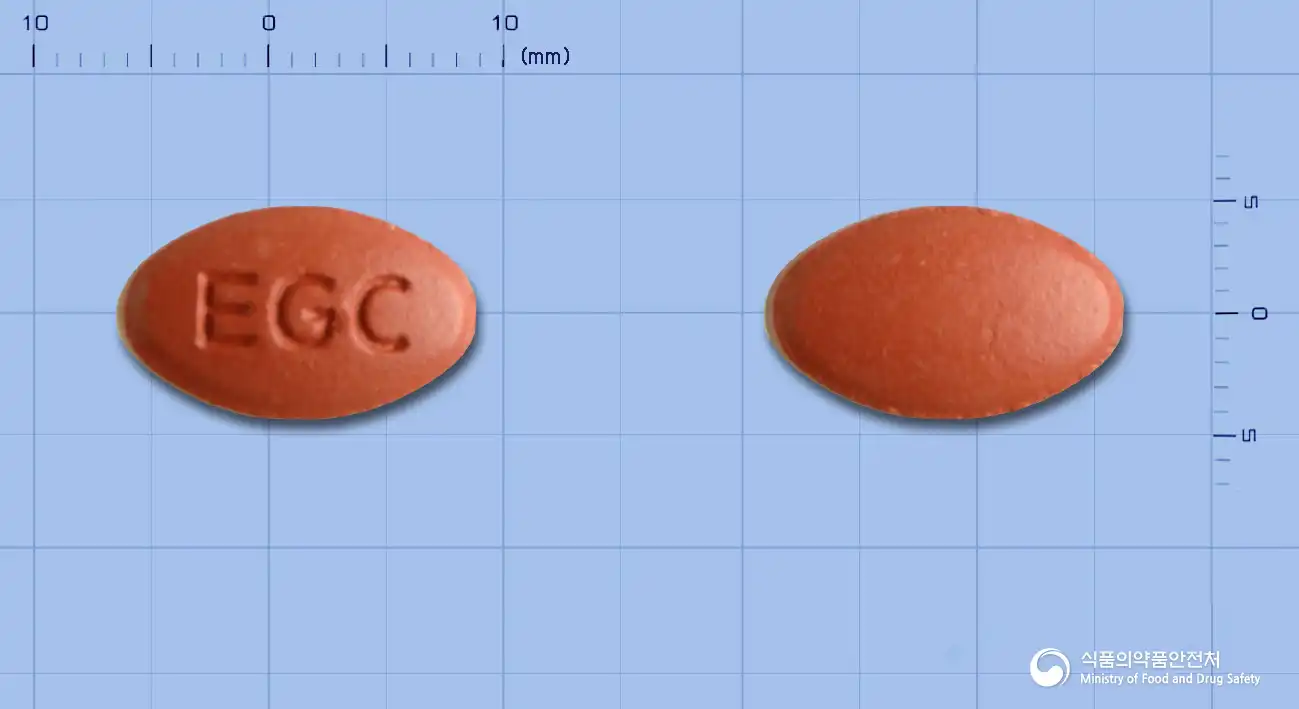
Oval film-coated tablets with a reddish-brown color
120 tablets (10 tablets/PTP X 12), 240 tablets ((10 tablets/PTP X 12) X 2)
Even with the same ingredient, strength, dosage form and how it is taken can differ.
Viewing nowCombinationL-Leucine 17mg · L-Methionine 15mg +12 more
Tablet · OTC medication · Combination
Hanpung Pharmaceutical Co., Ltd.
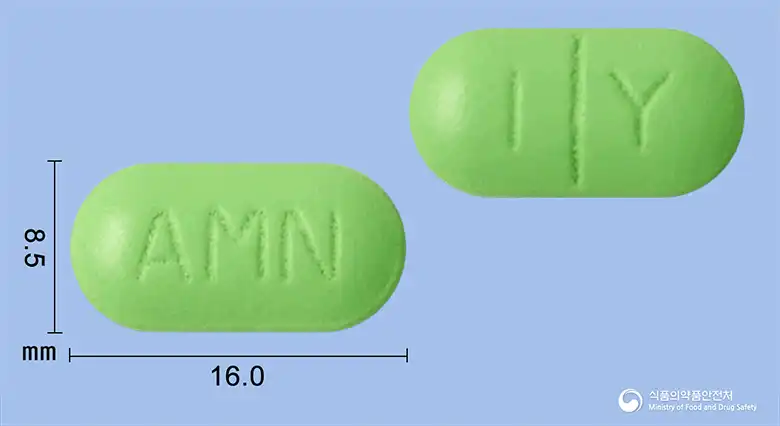 Combination
L-Leucine 17mg · L-Methionine 15mg +12 more
Tablet · OTC medication · Combination
Il Yang Pharmaceutical Co., Ltd.
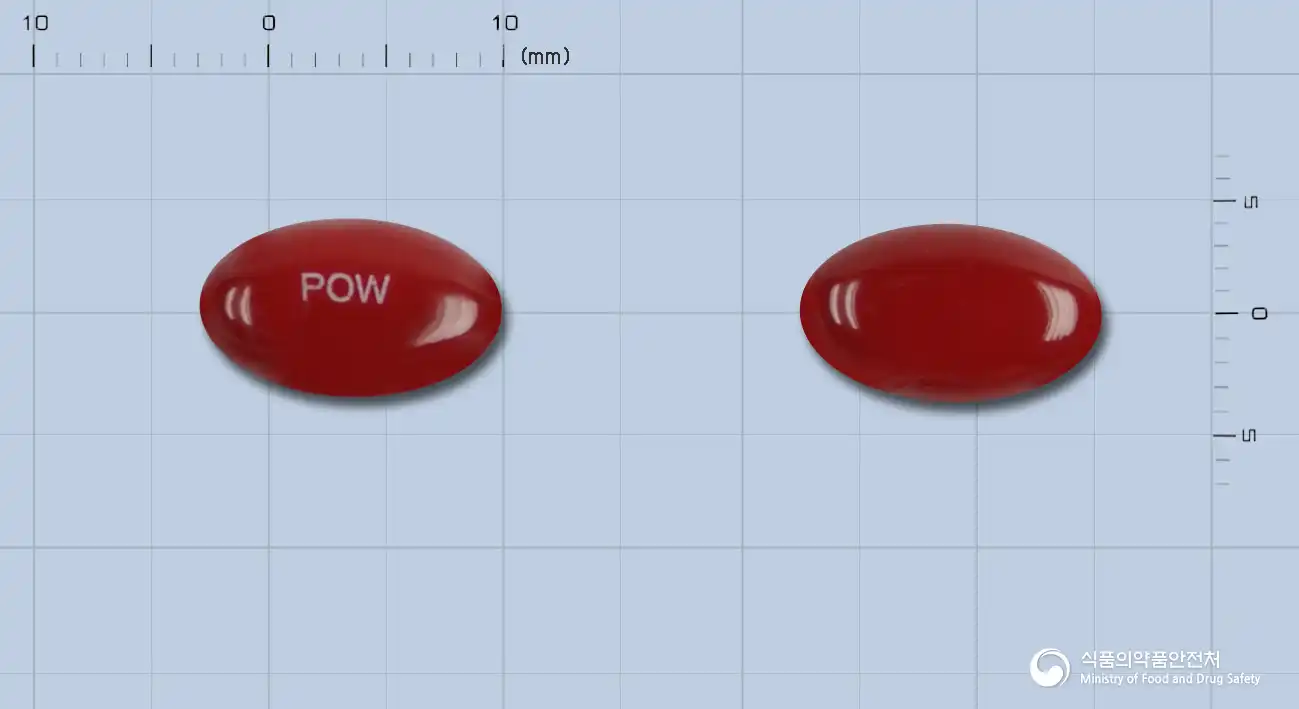 Combination
L-Tryptophan 5mg · L-Lysine Hydrochloride 18.75mg +12 more
Soft capsule · OTC medication · Combination
Il Yang Pharmaceutical Co., Ltd.
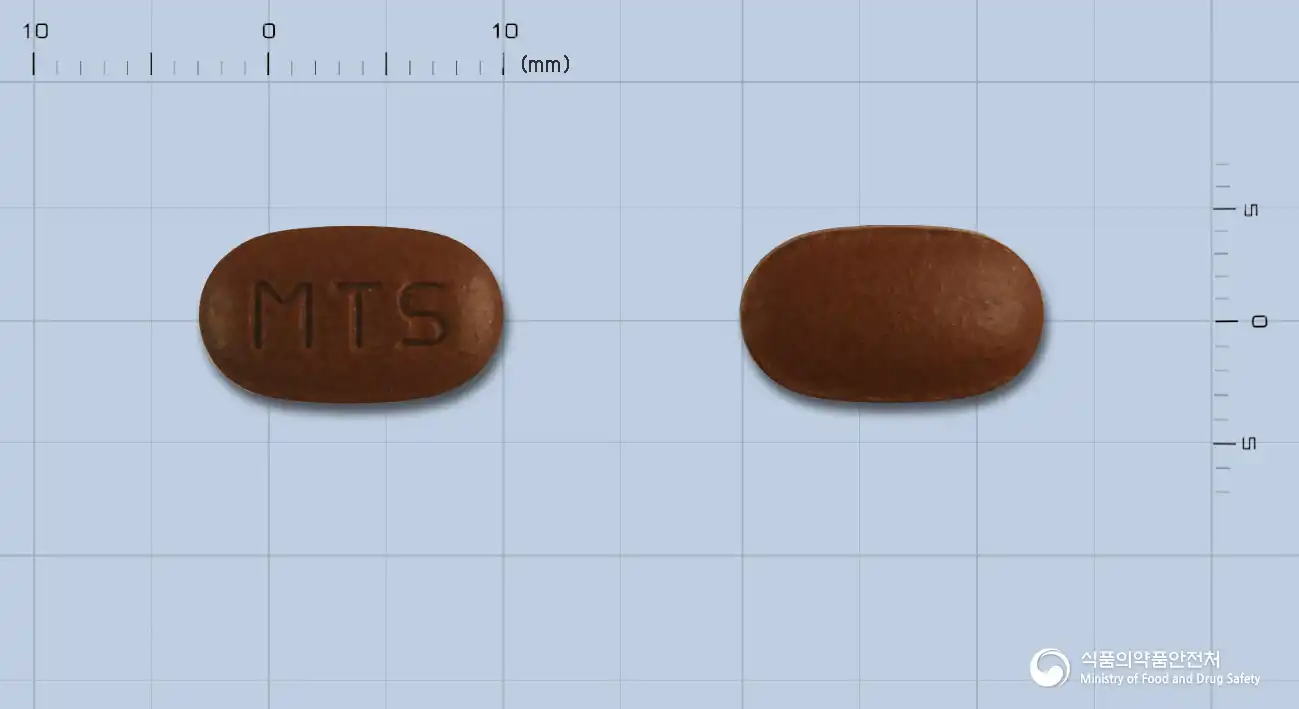 Combination
L-Leucine 17mg · L-Methionine 15mg +12 more
Tablet · OTC medication · Combination
Mothers Pharmaceutical Co., Ltd.
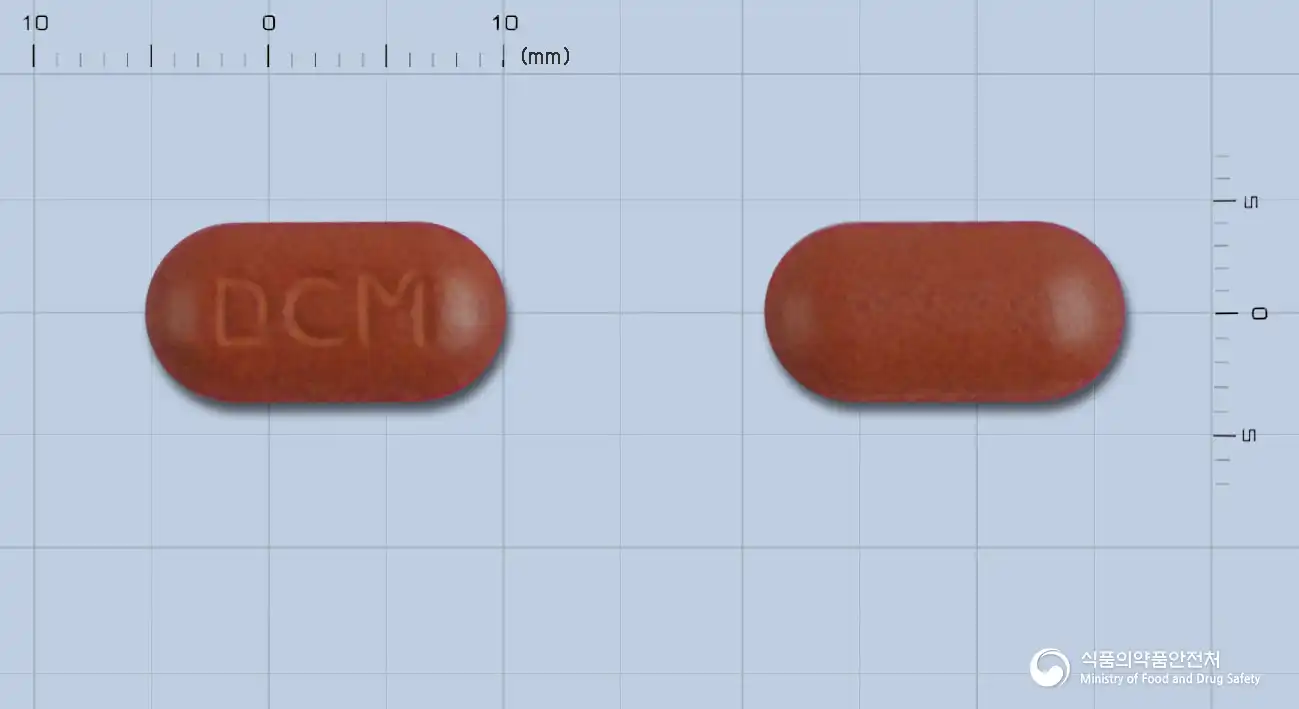 Combination
L-Leucine 17mg · L-Methionine 15mg +12 more
Tablet · OTC medication · Combination
Donggu Bio Pharmaceutical Co., Ltd.
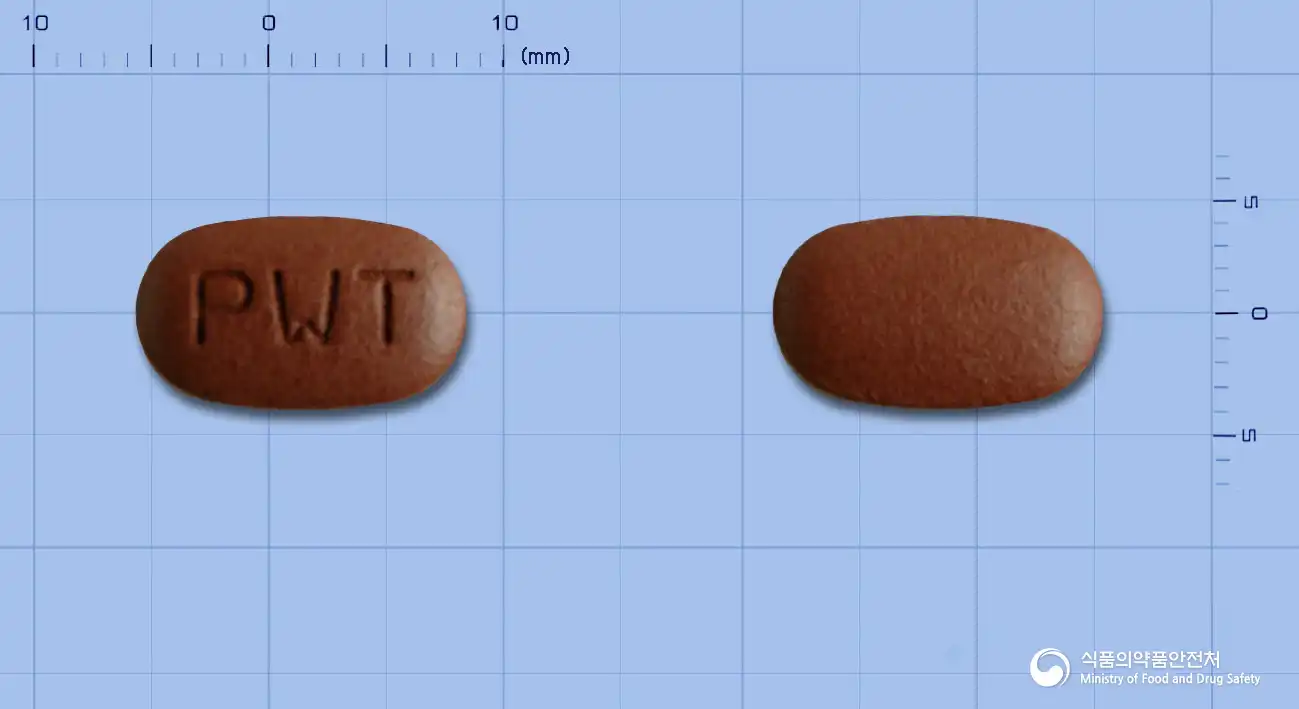 Combination
L-Leucine 17mg · L-Methionine 15mg +12 more
Tablet · OTC medication · Combination
Hwail Pharmaceutical Co., Ltd.
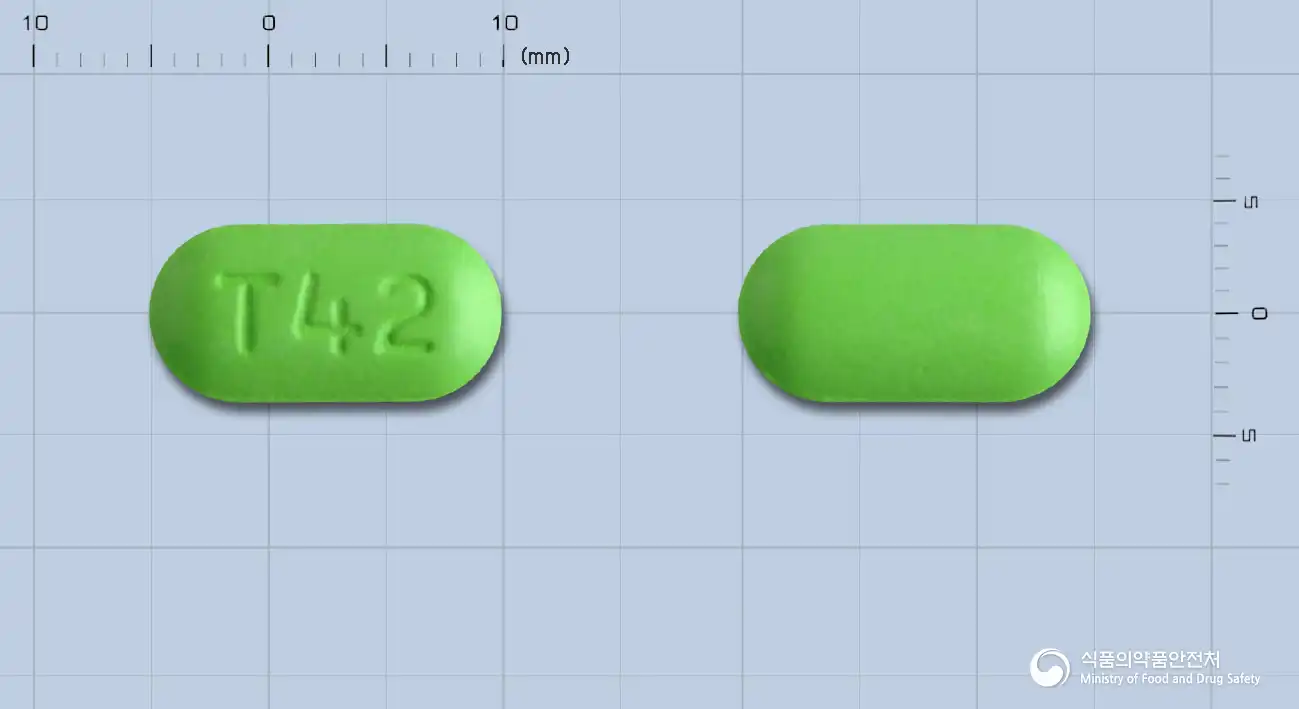 Combination
L-Leucine 17mg · L-Methionine 15mg +12 more
Tablet · OTC medication · Combination
IQure Co., Ltd.
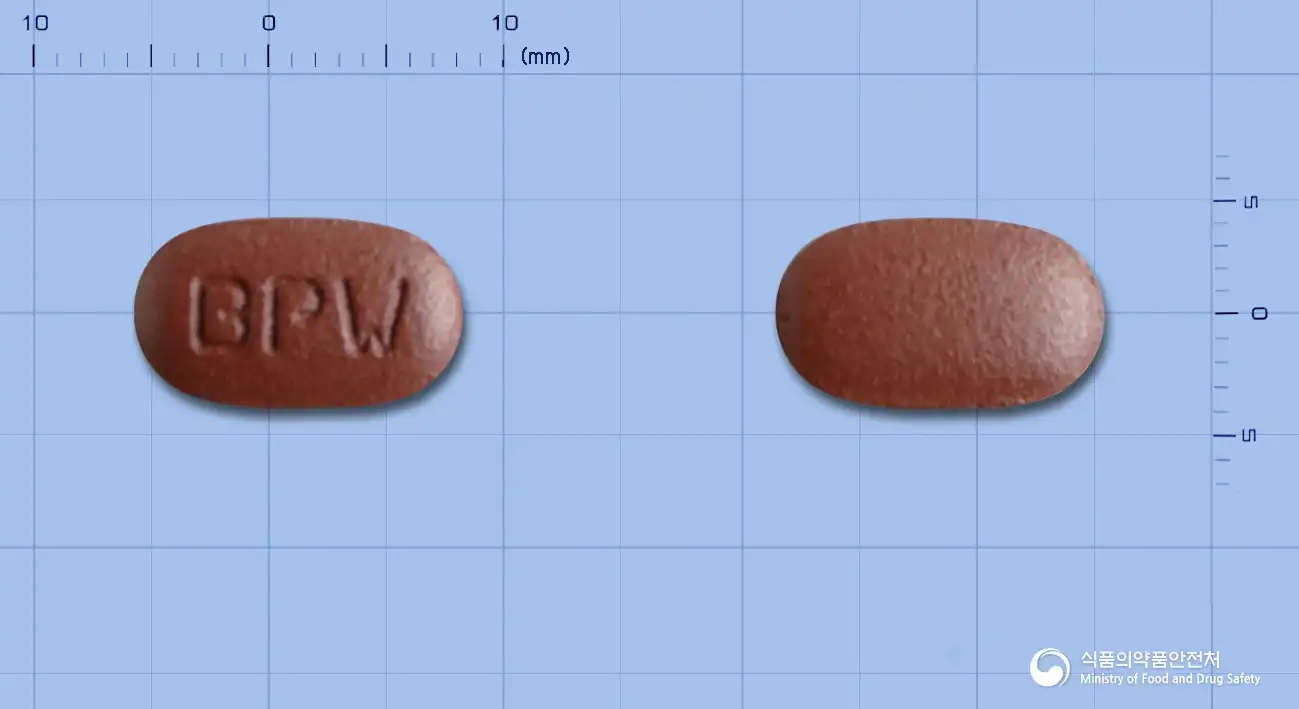 Combination
L-Leucine 17mg · L-Methionine 15mg +12 more
Tablet · OTC medication · Combination
Genupharm Co., Ltd.
Even with the same ingredient, the dose and directions can differ by strength and dosage form. Talk to a doctor or pharmacist before switching from a medication you are already taking.
No questions yet.
For anything that needs medical judgment, consult a doctor or pharmacist.
This drug information is based on data provided by the Korea Ministry of Food and Drug Safety.
Consult a doctor or pharmacist for accurate dosage, administration, and usage instructions.