
 한국어
한국어 English
 日本語
日本語 中文(简体)
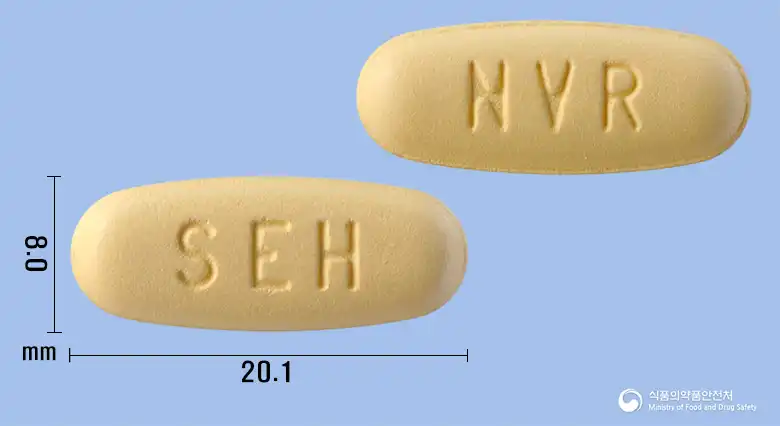 Viewing nowCombination
Gavsmate Tablet 50/850 mg
Vildagliptin 50mg · Metformin Hydrochloride 850mg
Tablet · Prescription medication · Combination
Korea Novartis Co., Ltd.
MFDS item code 200803516 · Approved 2008.03.31 · Insurance code 653601420
Improvement in blood glucose control in type 2 diabetes
This medication is used in combination with dietary and exercise therapy to enhance blood glucose control by administering vildagliptin and metformin in patients with type 2 diabetes.
In the treatment of patients with type 2 diabetes, the dosage of this medication should be individualized based on efficacy and tolerability, not exceeding 100 mg of vildagliptin and 2000 mg of metformin. 1. In cases where there has been no previous experience with antidiabetic drug treatment and monotherapy does not adequately control blood sugar: The initial dosage is 50/500 mg of this medication taken once daily, gradually increasing to 50/1000 mg.
This medication can cause serious lactic acidosis or hypoglycemia, so it should not be used in patients at high risk for these conditions. It should not be administered to patients with significantly reduced kidney function, heart failure, or renal impairment due to acute myocardial infarction or sepsis. If undergoing tests using radiologic iodinated contrast agents, this medication should be discontinued 48 hours before the test and resumed only after confirming normal kidney function. Patients with an allergy to this medication, type 1 diabetes, diabetic ketoacidosis, or metabolic acidosis such as lactic acidosis should not receive this medication. Avoid use in patients with severe infections, severe trauma, malnutrition, liver dysfunction, pulmonary embolism, severe pulmonary dysfunction, excessive alcohol consumption, pregnant or breastfeeding women. Caution should be exercised in cases of irregular meals, intense exercise, or interactions with other medications. During treatment, symptoms such as headache, dizziness, nausea, and hypoglycemia may occur, and if adverse reactions are severe, consultation with a physician is advised. Regular liver function tests should be performed to monitor liver function, and kidney function should also be regularly monitored. Special care is required for the elderly, as they may experience reduced kidney function, necessitating dose adjustment and caution. Alcohol intake may increase the risk of lactic acidosis, so it is advisable to avoid alcohol during treatment. It is necessary to discontinue this medication for a period before and after surgery, and appropriate measures should be taken immediately if hypoglycemic symptoms occur. Women who are pregnant or breastfeeding should not use this medication, and it is also not recommended for children and adolescents under 18 years of age. In case of overdose, supportive therapy is necessary, and hemodialysis may be beneficial. This medication should be kept out of reach of children and should not be transferred to another container.
Hives, angioedema, pancreatitis, hepatitis, blisters and exfoliative skin lesions, severe joint pain with disability, cutaneous vasculitis, cholecystitis, lactic acidosis, liver abnormalities (liver dysfunction and jaundice), severe hypoglycemia, severe edema, cardiovascular collapse (shock), acute myocardial infarction, sepsis, serious neurological symptoms (headache, confusion, visual disturbances, paralysis), respiratory problems (dyspnea, asthma attacks, accompanied by cough and fever).
Not everyone experiences these, and they can vary from person to person.
This medication is sensitive to air and moisture, so the container must be kept tightly sealed. Additionally, it is recommended to store the medication in a cool place below 30 degrees Celsius to maintain its efficacy.
Yellow oval film-coated tablet
60 tablets (10 tablets/PTP packaging × 6)
Even with the same ingredient, strength, dosage form and how it is taken can differ.
Viewing nowCombinationVildagliptin 50mg · Metformin Hydrochloride 850mg
Tablet · Prescription medication · Combination
Korea Novartis Co., Ltd.
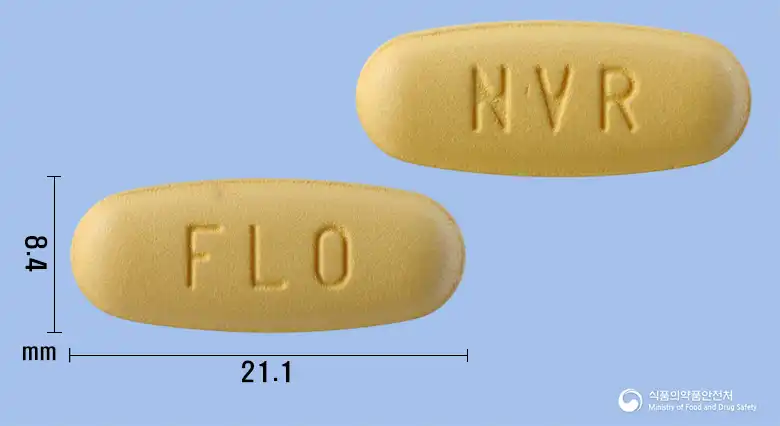 Combination
Vildagliptin 50mg · Metformin Hydrochloride 1000mg
Tablet · Prescription medication · Combination
Novartis Korea Co., Ltd.
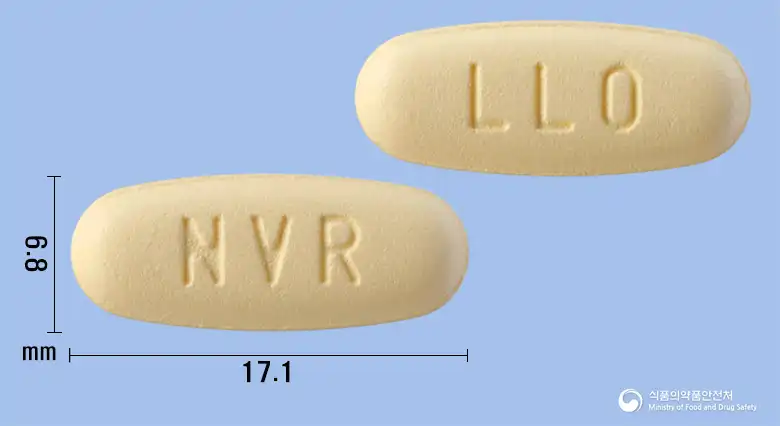 Combination
Vildagliptin 50mg · Metformin Hydrochloride 500mg
Tablet · Prescription medication · Combination
Novartis Korea Co., Ltd.
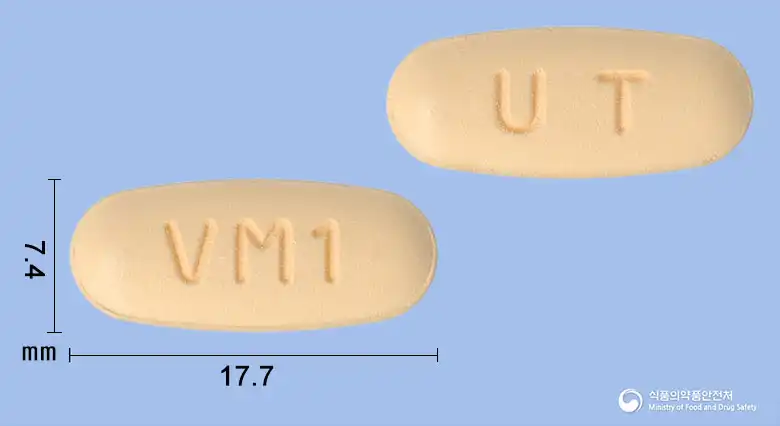 Combination
Vildagliptin 50mg · Metformin Hydrochloride 500mg
Tablet · Prescription medication · Combination
Korea United Pharm, Co., Ltd.
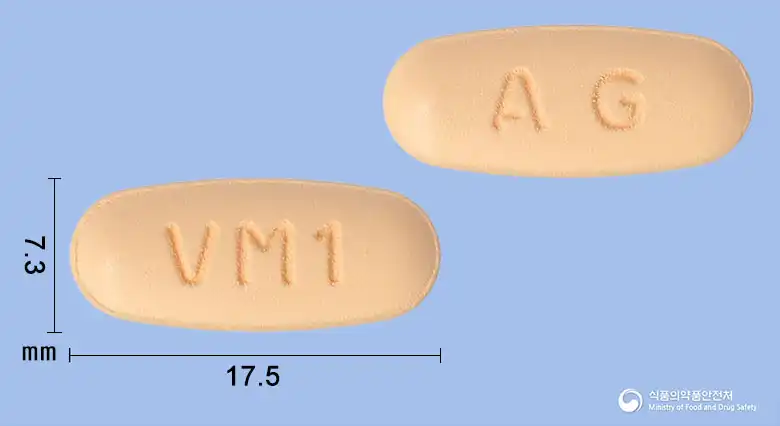 Combination
Vildagliptin 50mg · Metformin Hydrochloride 500mg
Tablet · Prescription medication · Combination
Ahn-Guk Pharmaceutical Co., Ltd.
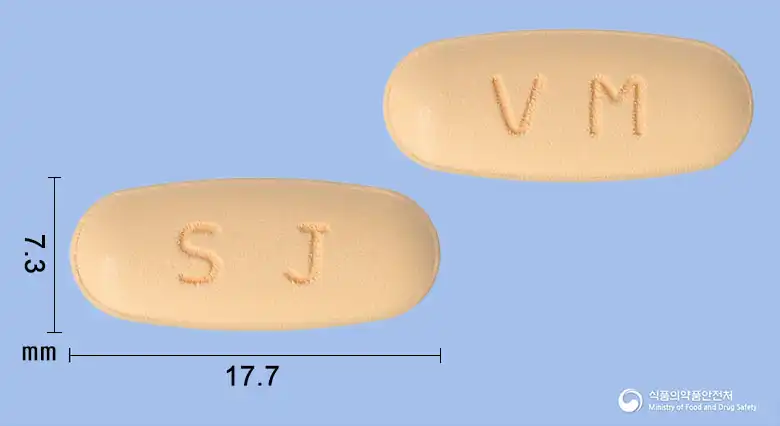 Combination
Vildagliptin 50mg · Metformin Hydrochloride 500mg
Tablet · Prescription medication · Combination
Samjin Pharmaceutical Co., Ltd.
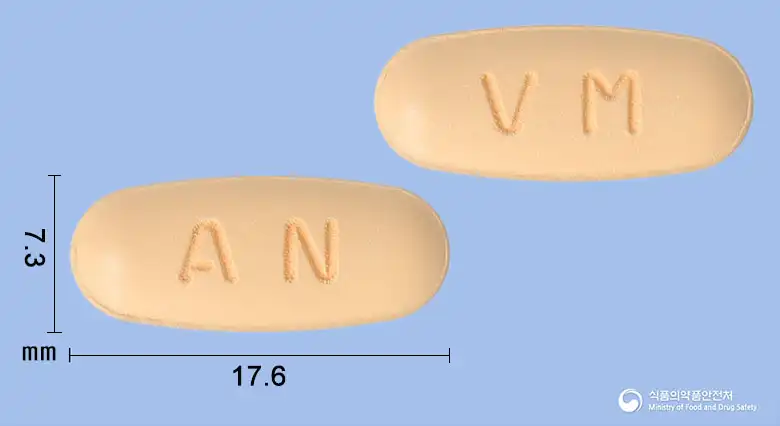 Combination
Vildagliptin 50mg · Metformin Hydrochloride 500mg
Tablet · Prescription medication · Combination
AhnGuk NewPharm Co., Ltd.
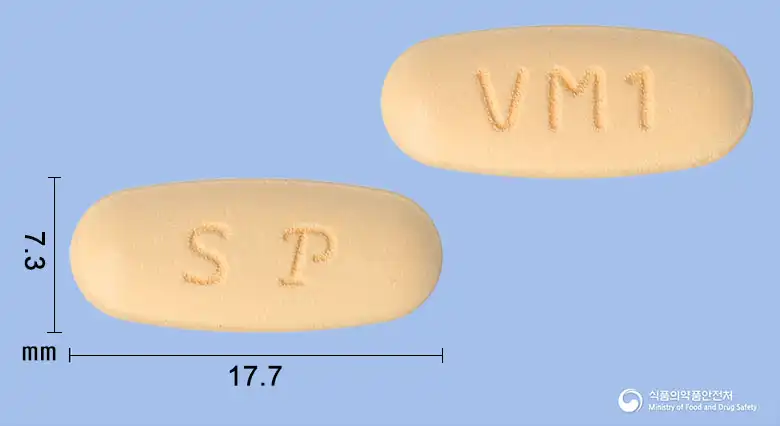 Combination
Vildagliptin 50mg · Metformin Hydrochloride 500mg
Tablet · Prescription medication · Combination
Sinphong Pharmaceutical Co., Ltd.
Even with the same ingredient, the dose and directions can differ by strength and dosage form. Talk to a doctor or pharmacist before switching from a medication you are already taking.
No questions yet.
For anything that needs medical judgment, consult a doctor or pharmacist.
This drug information is based on data provided by the Korea Ministry of Food and Drug Safety.
Consult a doctor or pharmacist for accurate dosage, administration, and usage instructions.