
 한국어
 English
 日本語
 中文(简体)
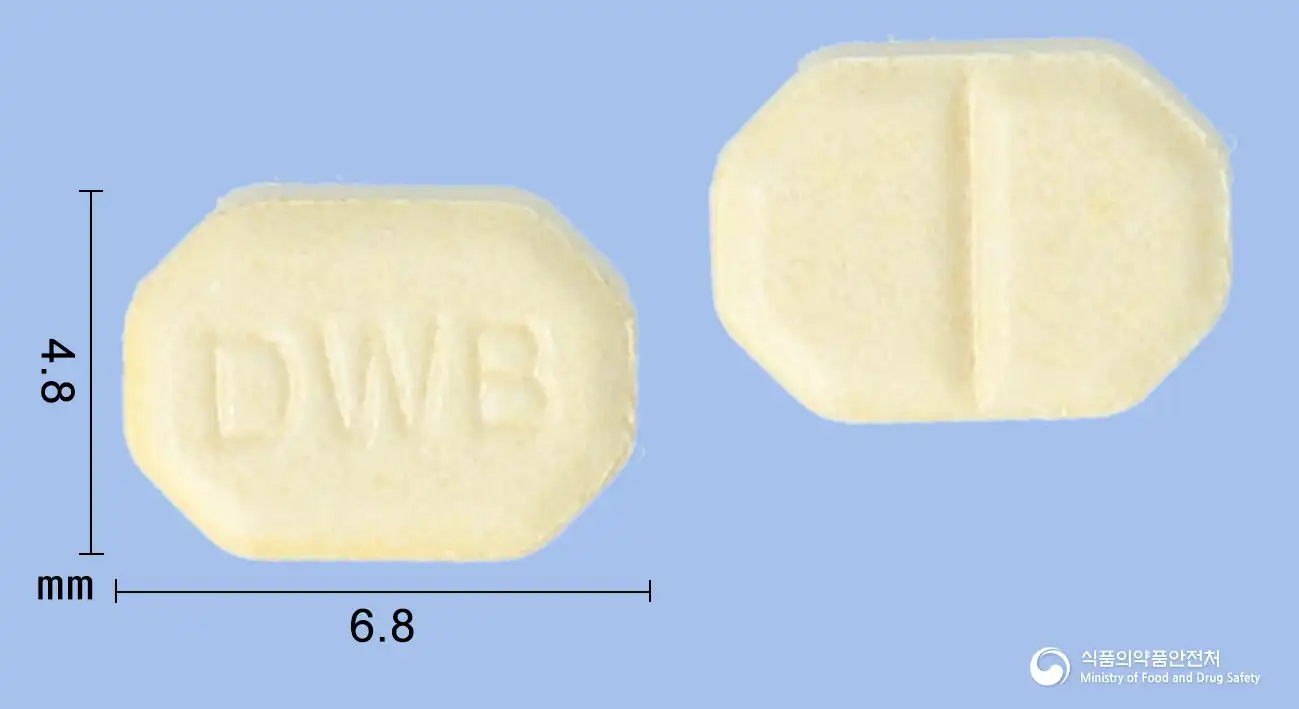 Viewing now
Beadipin S Tablets (Es-Amlodipine Besylate 2.5 Hydrate)
S-Amlodipine Besylate 2.5 Hydrate 3.69mg
Tablet · Prescription medication
Daewoong Bio Co., Ltd.
MFDS item code 200802930 · Notified 2008.03.18 · Insurance code 694000080
Treatment of hypertension and myocardial ischemia (including stable angina)
This medication is used to treat not only hypertension but also stable angina caused by fixed occlusion of the coronary arteries or myocardial ischemia due to vasospasm of the coronary vessels resulting in variant angina. It helps to dilate the blood vessels of patients to improve blood circulation and reduce the burden on the heart, alleviating symptoms. Thus, it helps to enhance the quality of life for patients with hypertension and angina.
Take this medication with plenty of water. Adults: Administer 2.5 mg of S-amlodipine orally once daily; the dose may be increased to a maximum of 5 mg daily according to the patient's response. Adjust the dose appropriately according to symptoms.
This medication should not be administered to certain patients. Individuals who have had an allergic reaction to this medication, its components, or similar types of medication should not use it. Women who are pregnant or may become pregnant, and those who are breastfeeding should also not take this medication. It is contraindicated in patients with serious heart problems, such as those in shock, severe aortic stenosis, unstable angina, and those who have recently experienced a myocardial infarction. Patients with very poor liver function and those with severely low blood pressure should also not use this medication. Additionally, this medication contains lactose, which may pose risks to patients with lactose intolerance or specific genetic metabolic disorders. Patients with severe renal impairment, the elderly, those with acute heart failure, hypertensive crises, and those with mildly to moderately impaired liver function should use this medication with caution. Various side effects may occur when taking this medication. Initially, there may be facial flushing, warmth, fatigue, or swelling. Symptoms such as palpitations, dizziness, headaches, and nausea may also occur. Rarely, dry mouth, excessive sweating, low blood pressure, fainting, skin rashes, and itching as allergic reactions may happen. This medication should not be suddenly discontinued as it may worsen symptoms; therefore, do not stop taking it without consulting a doctor. Patients with heart failure or poor liver function should take this medication with special care and monitor their condition to avoid excessive drops in blood pressure. This medication may interact with several other medications, so if you are taking any other drugs, make sure to inform your doctor or pharmacist. Especially avoid taking it with grapefruit juice as it may enhance the effects of the medication. It is advised not to use this medication during pregnancy or breastfeeding, as its safety is not well established. Efficacy has only been proven in children over the age of 6; it should not be used in children under 6 years old. The elderly may have increased levels of the drug in their bodies, so it should be started at a low dose, with close monitoring of their condition. In the case of an overdose, blood pressure may drop excessively, and arrhythmias may occur, necessitating immediate medical attention. This medication should be stored out of reach of children and should not be transferred to another container.
Not everyone experiences these, and they can vary from person to person.
This medication should be stored in a tightly closed container to protect it from air and moisture, at room temperature between 1 degree and 30 degrees Celsius. Proper storage will maintain the drug's effectiveness and ensure safe use.
Light yellow octagonal tablet with a score line
30 tablets/bottle, 300 tablets/bottle
Even with the same ingredient, strength, dosage form and how it is taken can differ.
Viewing nowS-Amlodipine Besylate 2.5 Hydrate 3.69mg
Tablet · Prescription medication
Daewoong Bio Co., Ltd.
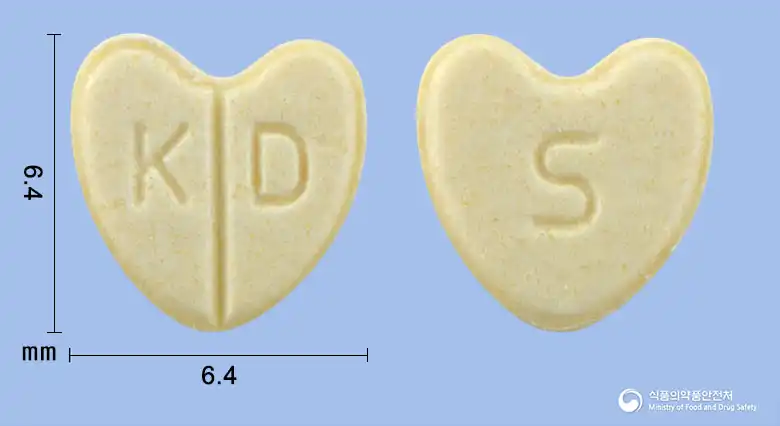
S-Amlodipine Besylate 2.5 Hydrate 3.74mg
Tablet · Prescription medication
Kwangdong Pharmaceutical Co., Ltd.
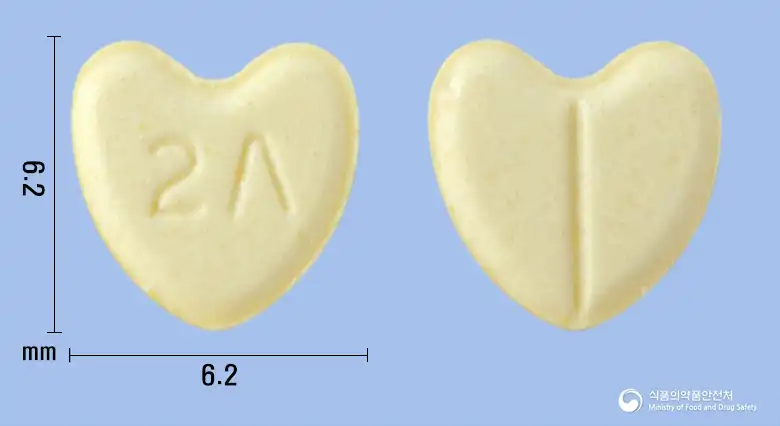
S-Amlodipine Besylate 2.5 Hydrate 3.74mg
Tablet · Prescription medication
Daiwon Pharmaceutical Co., Ltd.
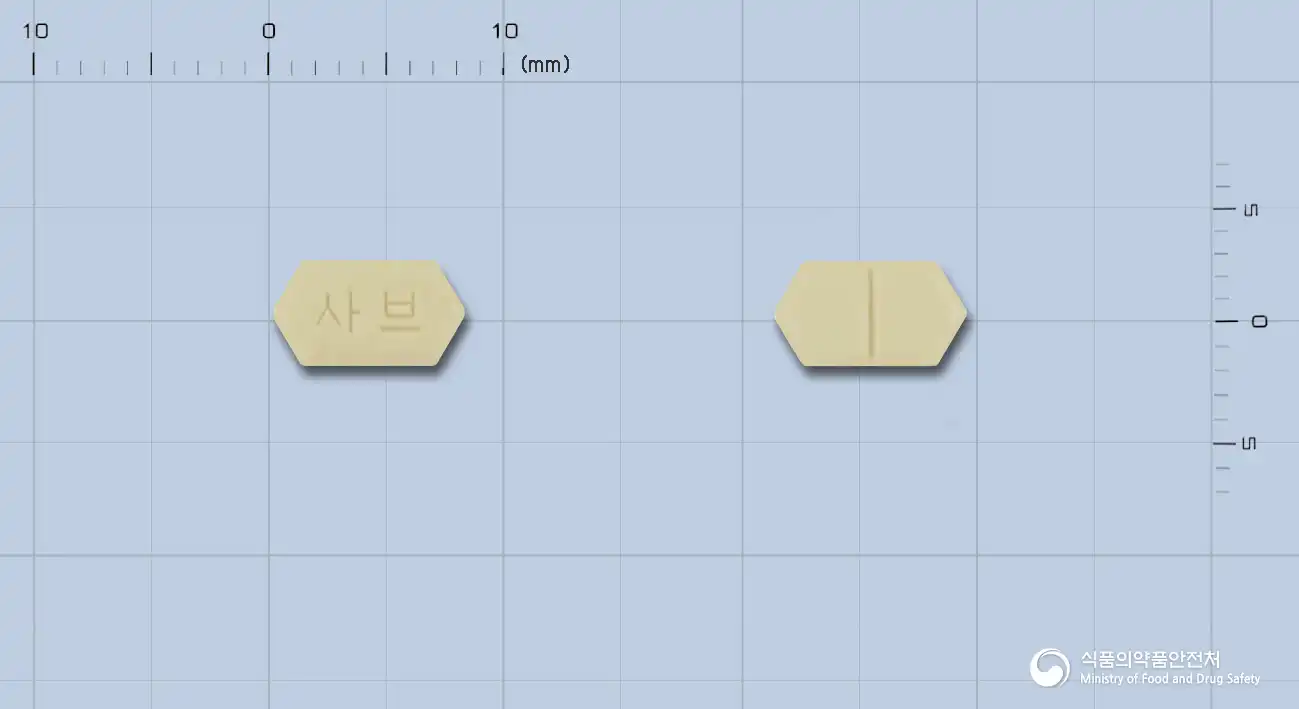
S-Amlodipine Besylate 2.5 Hydrate 3.74mg
Tablet · Prescription medication
Ilsung IS Co., Ltd.
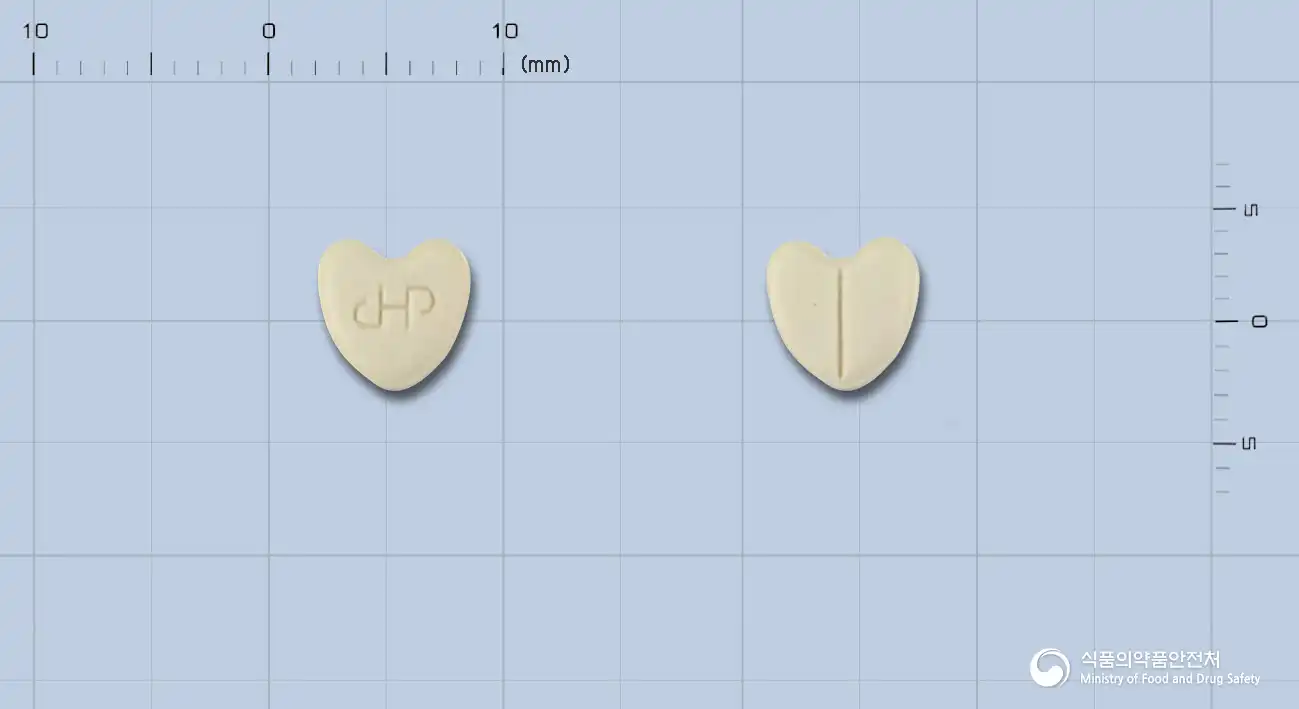
S-Amlodipine Besylate 2.5 Hydrate 3.74mg
Tablet · Prescription medication
Daehwa Pharmaceutical Co., Ltd.
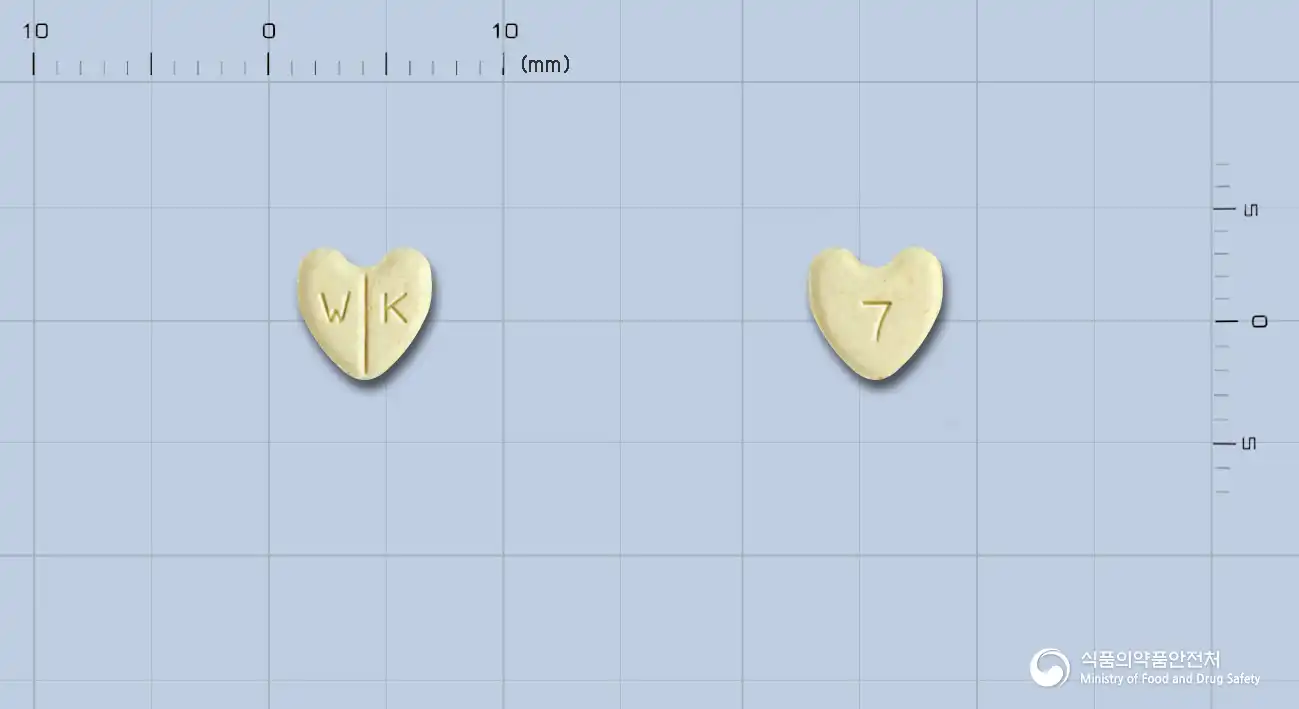
S-Amlodipine Besylate 2.5 Hydrate 3.74mg
Tablet · Prescription medication
Austin Pharmaceutical Co., Ltd.
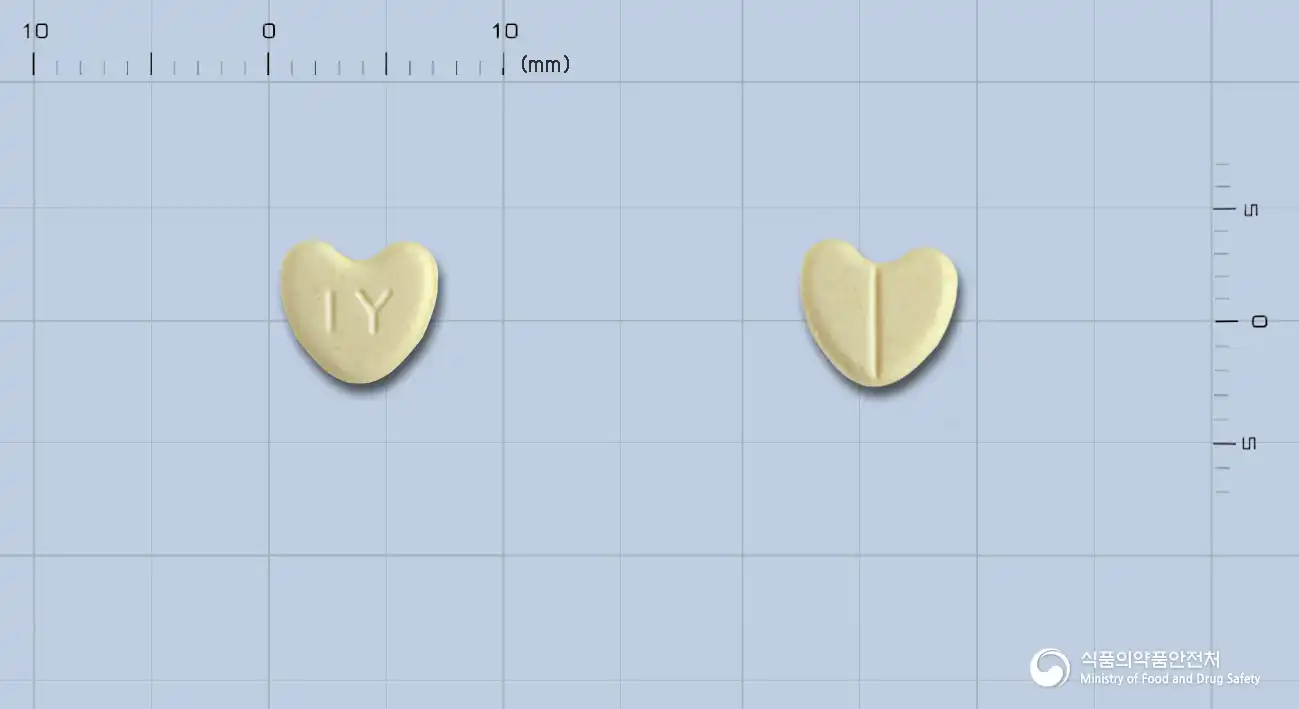
S-Amlodipine Besylate 2.5 Hydrate 3.74mg
Tablet · Prescription medication
Il Yang Pharmaceutical Co., Ltd.
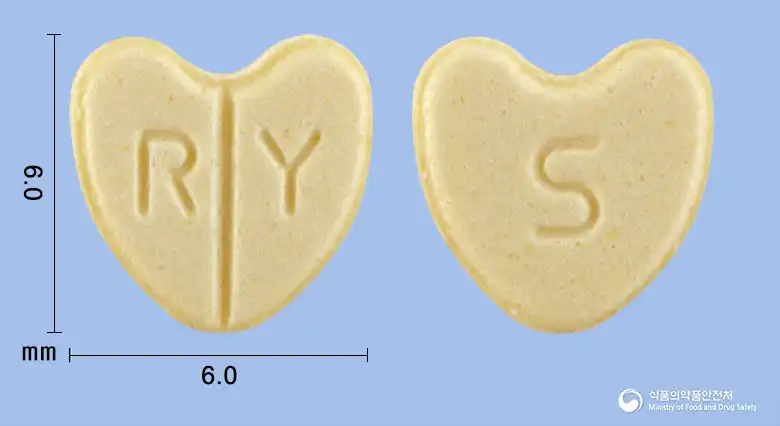
S-Amlodipine Besylate 2.5 Hydrate 3.74mg
Tablet · Prescription medication
IYON Pharmaceutical Co., Ltd.
Even with the same ingredient, the dose and directions can differ by strength and dosage form. Talk to a doctor or pharmacist before switching from a medication you are already taking.
No questions yet.
For anything that needs medical judgment, consult a doctor or pharmacist.
This drug information is based on data provided by the Korea Ministry of Food and Drug Safety.
Consult a doctor or pharmacist for accurate dosage, administration, and usage instructions.