
 한국어
한국어 English
 日本語
日本語 中文(简体)
 Viewing now
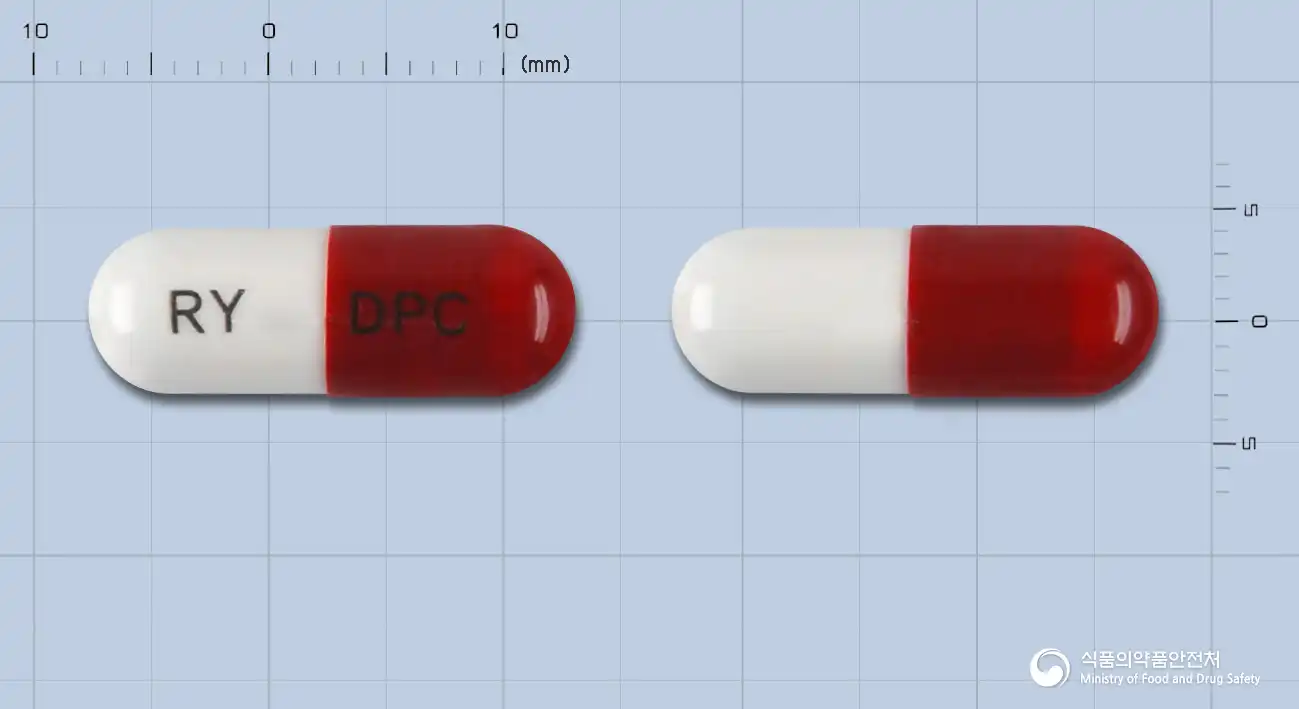
Drofacapsule (Cefadroxil Hydrate)
Cefadroxil Hydrate 500mg
Hard capsule · Prescription medication
IYun Pharmaceutical Co., Ltd.
MFDS item code 200802225 · Notified 2008.02.26 · Insurance code 658602510
Treatment of urinary infections (pyelonephritis, cystitis) and skin infections
This medication is effective against various bacteria such as beta-hemolytic streptococcus, staphylococcus (including penicillinase-producing strains), pneumococcus, Escherichia coli, Proteus mirabilis, and Klebsiella. It is primarily used for the treatment of urinary tract infections such as pyelonephritis, cystitis, and urethritis, as well as skin and soft tissue infections, pharyngitis, and tonsillitis. Thus, this medication helps treat diseases caused by various types of bacterial infections and improves health.
1) For urinary infections: For uncomplicated lower urinary infections (such as cystitis), administer 1 to 2 g (potency) of cefadroxil orally in 1 to 2 divided doses per day. For other urinary infections, administer 2 g (potency) in 2 divided doses per day. 2) For skin and soft tissue infections: Administer 1 g (potency) orally in 1 to 2 divided doses per day. 3) For pharyngitis and tonsillitis: For pharyngitis and tonsillitis caused by beta-hemolytic streptococcus, administer 1 g (potency) in 1 to 2 divided doses for 10 days.
1) For urinary infections and skin and soft tissue infections: Administer 30 mg (potency) per kg of body weight orally in two divided doses per day. 2) For pharyngitis and tonsillitis: Administer 30 mg (potency) per kg of body weight in 1 to 2 divided doses per day.
This medication should not be used in patients who have previously experienced a severe allergic reaction (shock) due to it. It should also not be administered to patients who have had an allergic reaction to cephalosporin antibiotics or those with infectious mononucleosis. Patients with a history of allergy to this medication should generally not use it, but in cases of necessity, it must be administered with extreme caution. Patients allergic to penicillin antibiotics should also use it with caution, as should those with a family history of allergic reactions such as bronchial asthma, skin rash, or urticaria. Patients with severely impaired kidney function, those who have difficulty in oral intake, the elderly, or those in poor general condition may have an increased risk of bleeding due to vitamin K deficiency; therefore, close monitoring during administration is required. Patients with a history of gastrointestinal diseases, especially colitis, also require caution. This medication contains a dye called Yellow No. 5, so it must be used with caution in patients allergic or sensitive to this component. Rarely, this medication can cause severe allergic reactions, blood disorders, liver dysfunction, kidney impairment, gastrointestinal issues, respiratory problems, skin diseases, and various side effects. If any adverse symptoms appear, usage should be discontinued immediately, and appropriate treatment should be sought. For long-term use, regular tests for blood, kidney, and liver function should be conducted to check for abnormalities, and dosage adjustments and patient condition monitoring are essential, particularly in patients with declining kidney function, as seizures may occur. Caution is required when using this medication in conjunction with other drugs that affect the kidneys due to an increased risk of kidney damage, and care must be taken as the body’s concentration of this medication may increase when used with certain drugs. Women who are pregnant or may become pregnant should only use this medication if the benefits of treatment outweigh potential risks, as its safety during pregnancy has not been fully confirmed; likewise, it should be used cautiously in breastfeeding women. The elderly may experience side effects more easily due to decreased physiological function and should have their dosage and administration intervals adjusted while being careful in observing their condition, as the risk of bleeding due to vitamin K deficiency is also higher. This medication may affect some clinical laboratory test results, so care should be taken during testing, and rare photosensitivity reactions may occur, requiring caution when going outdoors.
Not everyone experiences these, and they can vary from person to person.
This medication should be stored in a tightly closed container to protect it from air and moisture, ideally at room temperature between 1 and 30 degrees Celsius. Proper storage will help maintain the medication's effectiveness for a longer period.
A hard capsule with a red upper part and a white lower part containing a white to pale yellow crystalline powder
30 capsules/bottle, 100 capsules/bottle
Even with the same ingredient, strength, dosage form and how it is taken can differ.
Viewing nowCefadroxil Hydrate 500mg
Hard capsule · Prescription medication
IYun Pharmaceutical Co., Ltd.
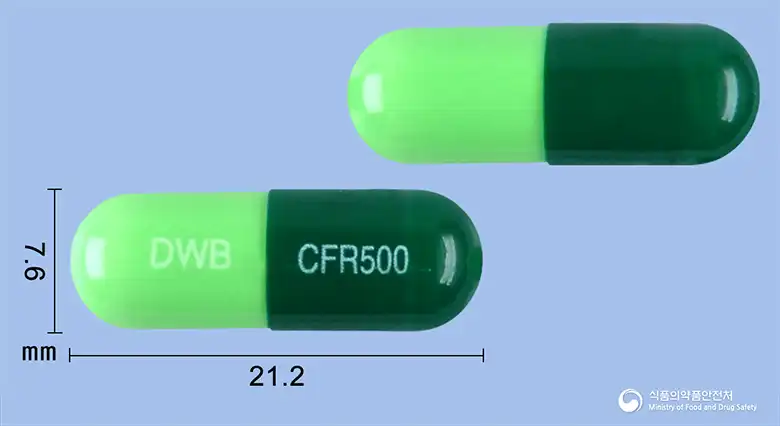
Cefadroxil Hydrate 500mg
Hard capsule · Prescription medication
Daewoong Bio Co., Ltd.
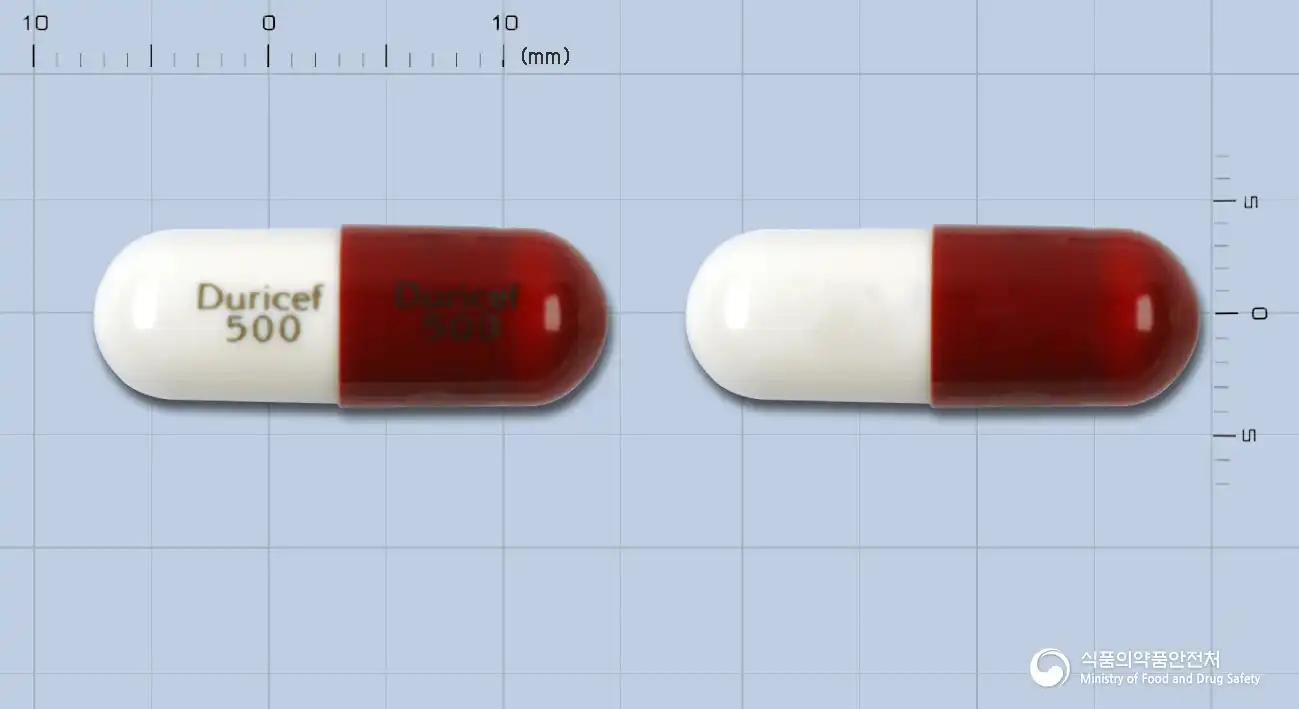
Cefadroxil Hydrate 500mg
Hard capsule · Prescription medication
Boryung Inc.
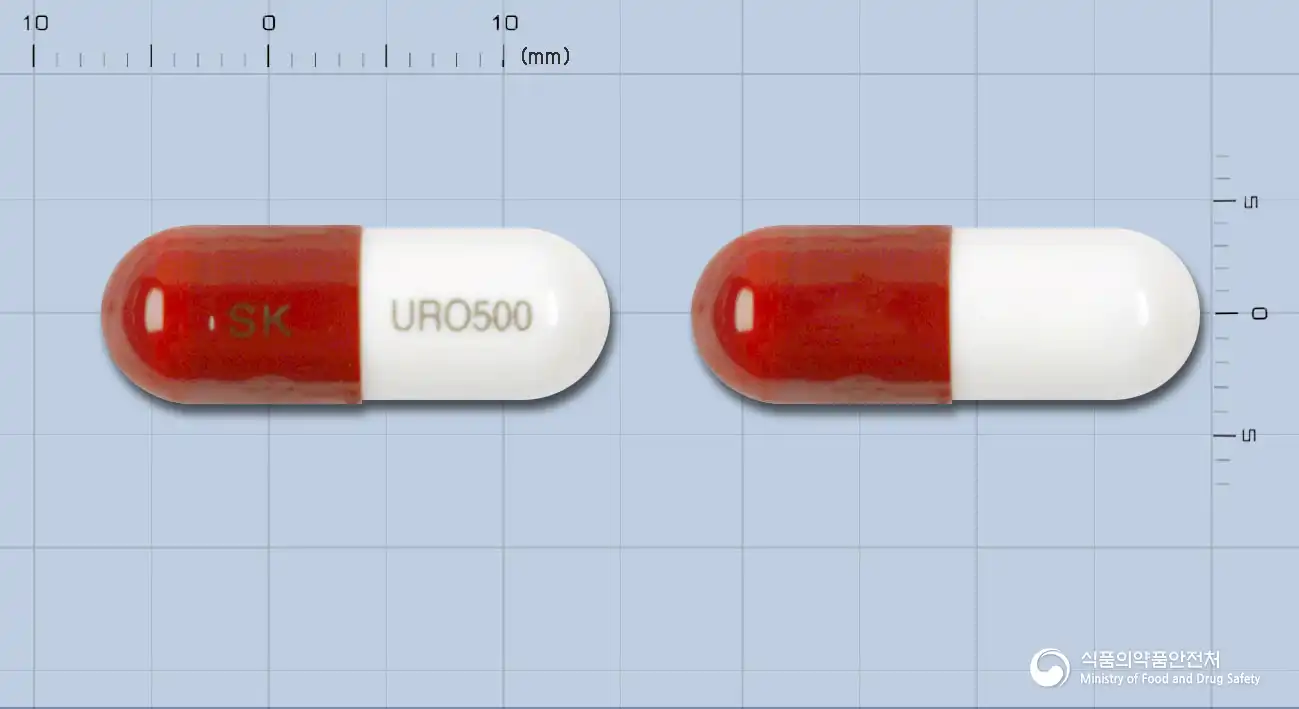
Cefadroxil Hydrate 500mg
Hard capsule · Prescription medication
SK Chemical Co., Ltd.
Cefadroxil Hydrate 9g
Prescription medication
Boryeong Co., Ltd.
Cefadroxil Hydrate 4.5g
Prescription medication
Boryeong Co., Ltd.
Cefadroxil Hydrate 500mg
Hard capsule · Prescription medication
Korea Pharmaceutical Co., Ltd.
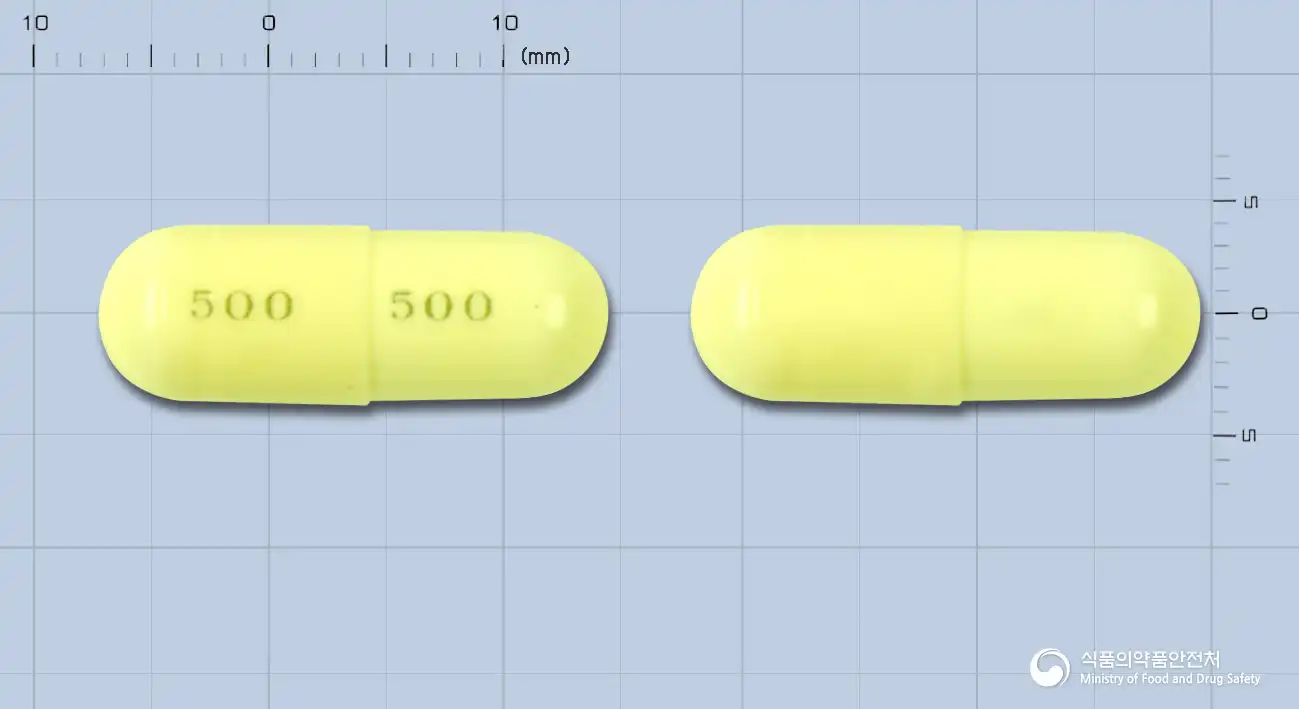
Cefadroxil Hydrate 500mg
Hard capsule · Prescription medication
Jongkundang Co., Ltd.
Even with the same ingredient, the dose and directions can differ by strength and dosage form. Talk to a doctor or pharmacist before switching from a medication you are already taking.
No questions yet.
For anything that needs medical judgment, consult a doctor or pharmacist.
This drug information is based on data provided by the Korea Ministry of Food and Drug Safety.
Consult a doctor or pharmacist for accurate dosage, administration, and usage instructions.