
 한국어
 English
 日本語
 中文(简体)
Summary
- Main use
- Acute treatment of migraine pain in adults and adolescents aged 15 years and older
- Who takes it
- Adults · Children
- Adult dose
- Adults : Take 1 tablet of this medicine at the onset of a migraine. If the migraine recurs within 24 hours, 1 tablet may be taken again. The repeat dose should be taken at least 2 hours after the initial dose. The total daily dose should not exceed 25 milligrams (2 tablets). Take this medicine with water. It may be taken with or without food. Do not take this medicine for the prevention of migraine. If there is no response to treatment after the initial dose of this medicine, do not take it again for the same episode. The safety of this medicine for treating an average of more than 4 migraine attacks over 30 days has not been established. Patients with renal impairment : No dose adjustment is necessary in patients with mild renal impairment. Patients with moderate or severe renal impairment should not take more than 1 tablet within 24 hours. Patients with hepatic impairment : Clinical and pharmacokinetic studies have not been conducted in patients with hepatic impairment.
- Child dose
- Adolescents aged 15 years and older : Take 1 tablet of this medicine at the onset of migraine.
Ingredients
- Manufacturer
- Yuhan Corporation
Efficacy & effects
Acute treatment of migraine pain in adults and adolescents aged 15 years and older
- Migraine
- migraine pain
View approved original textHide original text
This medication is used to treat acute pain from migraines in adults and adolescents aged 15 years and older. It is effective for adults with or without aura, and for adolescents it is used for migraines accompanied by aura or for those that persist for more than 4 hours without treatment. However, it should be noted that the efficacy of this medication has not been conclusively demonstrated for symptoms such as photophobia, phonophobia, and nausea associated with migraines. This medication primarily helps alleviate the pain of migraines.
How to take
Adult dose
Adults : Take 1 tablet of this medicine at the onset of a migraine. If the migraine recurs within 24 hours, 1 tablet may be taken again. The repeat dose should be taken at least 2 hours after the initial dose. The total daily dose should not exceed 25 milligrams (2 tablets). Take this medicine with water. It may be taken with or without food. Do not take this medicine for the prevention of migraine. If there is no response to treatment after the initial dose of this medicine, do not take it again for the same episode. The safety of this medicine for treating an average of more than 4 migraine attacks over 30 days has not been established. Patients with renal impairment : No dose adjustment is necessary in patients with mild renal impairment. Patients with moderate or severe renal impairment should not take more than 1 tablet within 24 hours. Patients with hepatic impairment : Clinical and pharmacokinetic studies have not been conducted in patients with hepatic impairment.
Child dose
Adolescents aged 15 years and older : Take 1 tablet of this medicine at the onset of migraine.
Precautions
This medication should only be used in patients diagnosed with migraines, and it is important not to take it if the diagnosis is uncertain. It is safe not to administer this medication to patients with cardiac diseases or cardiovascular risk factors. Specifically, it should not be used in cases of coronary artery spasm or symptoms of myocardial ischemia. This medication may cause myocardial infarction or cardiac adverse reactions in some patients, thus professional observation is needed during initial administration in a hospital or medical facility. Additionally, caution must be taken as this medication may carry a risk of serious issues such as cerebrovascular adverse reactions, for instance, stroke or cerebral hemorrhage. Patients with high blood pressure or a history of hypertension should use this medication carefully as it may cause an increase in blood pressure. While taking this medication, care should be taken not to use certain antidepressants or other migraine treatments concurrently, as severe side effects may arise; consultation with healthcare providers is necessary. If pregnant or breastfeeding, the safety of this medication has not been established, so it should be administered cautiously under a doctor's judgment. Use in children and adolescents under 15 years is not recommended due to the lack of confirmed safety and efficacy. The elderly may have decreased liver or kidney function, so dosage should be determined in consultation with healthcare providers before use. If chest pain, pressure, unusual sensations in the neck or jaw occur during use, immediate notification to healthcare providers is required, as further examination may be necessary. In case of overdose, seek immediate medical attention and monitor closely until symptoms resolve. This medication may cause side effects such as drowsiness or dizziness, so caution is needed when performing activities that require concentration, such as driving or operating machinery.
Side effects
- Myocardial infarction
- coronary artery spasm
- transient myocardial ischemia
- myocardial ischemia
- ventricular tachycardia
- ventricular fibrillation
- nausea
- drowsiness
- headache
- sensory disturbance
Show 112 moreCollapse
- dry mouth
- dizziness
- vomiting
- abdominal cramps
- abdominal pain
- weakness
- chills
- low back pain
- neck pain
- fatigue
- neck stiffness
- fever
- photosensitivity response
- vasodilation
- palpitations
- tachycardia
- hypertension
- syncope
- diarrhea
- indigestion
- colitis
- gastritis
- enteritis
- gastroesophageal reflux
- thirst
- increased salivation
- hyperglycemia
- increased creatine phosphokinase
- increased gamma-glutamyltransferase
- hypercholesterolemia
- myalgia
- muscle weakness
- arthralgia
- arthritis
- myopathy
- tremor
- vertigo
- anxiety
- sensory loss
- restlessness
- CNS stimulation
- insomnia
- unsteadiness
- changes in dreams
- concentration disorder
- cooperation disorder
- depression
- ecstasy
- hypersensitivity reaction
- hypertonia
- neuropathy
- nightmares
- eye twitching
- pharyngitis
- rhinitis
- dyspnea
- laryngospasm
- sinusitis
- bronchitis
- nosebleed
- hyperventilation
- laryngitis
- sneezing
- sweating
- dermatitis
- erythema
- itching
- rash
- otalgia
- conjunctivitis
- ocular irritation
- auditory hypersensitivity
- taste changes
- diplopia
- dry eyes
- eye pain
- otitis media
- abnormal olfaction
- scotoma
- tinnitus
- dysmenorrhea
- hypersensitivity reaction
- anaphylactic shock
- anaphylactic reaction
- confusion
- restlessness
- hemiplegia
- seizures
- visual impairment
- blurred vision
- eyelid spasms
- acute myocardial infarction
- coronary artery vasospasm
- angina
- palpitations
- abdominal discomfort
- upper abdominal pain
- oral sensory impairment
- tongue swallowing
- angioedema
- cold sweat
- hyperhidrosis
- bone pain
- limb pain
- mastalgia
- lethargy
- chest pain
- peripheral coldness
- throat tension
- feeling dizzy
- insomnia
- cold sweat
Not everyone experiences these, and they can vary from person to person.
Storage
This medication should be stored in a tightly closed container to avoid exposure to air or moisture. It is advisable to maintain a storage temperature between 1 to 30 degrees Celsius at room temperature.
Appearance and packaging
Appearance
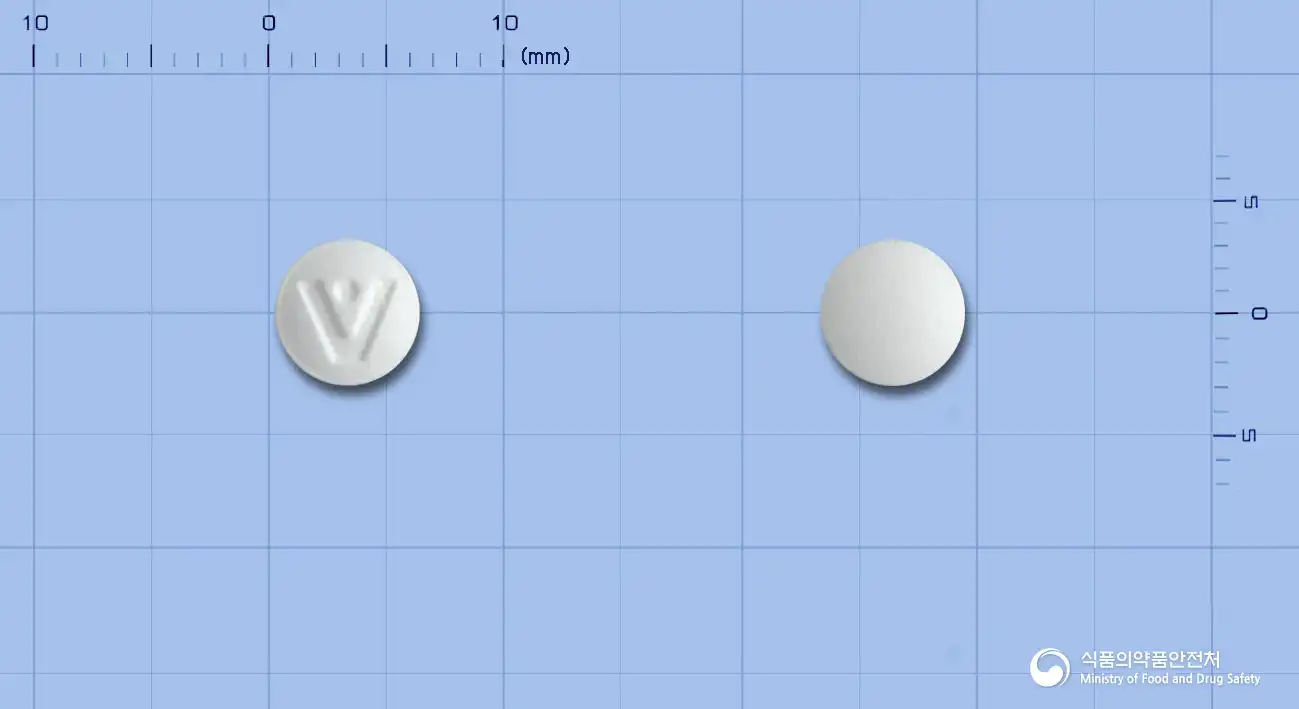
White round film-coated tablet
Package unit
4 tablets/box [4 tablets/PTP packaging x 1]
Questions about this medicine
No questions yet.
For anything that needs medical judgment, consult a doctor or pharmacist.