
 한국어
한국어 English
 日本語
日本語 中文(简体)
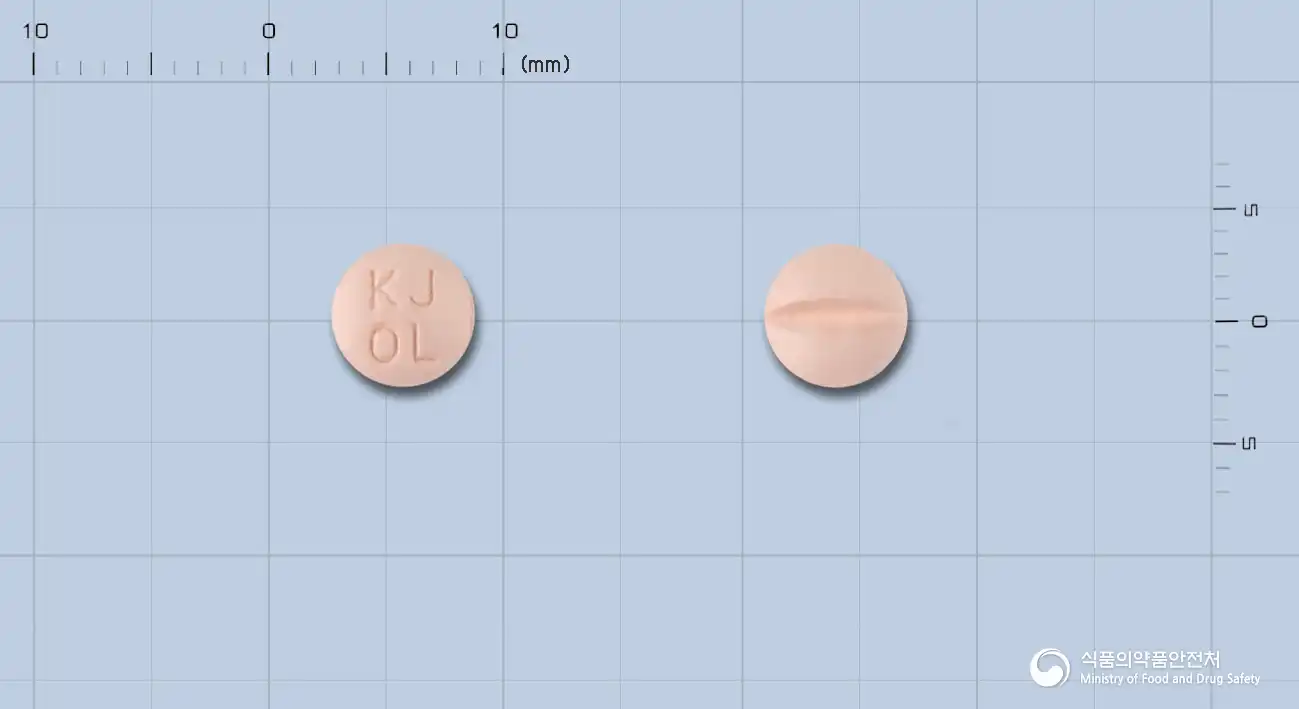 Viewing now
Alepadine Tablet (Olopatadine Hydrochloride)
Olopatadine Hydrochloride 5mg
Tablet · Prescription medication
International Pharmaceutical Co., Ltd.
MFDS item code 200801752 · Notified 2008.02.13 · Insurance code 643702960
Relief of allergic rhinitis and pruritus associated with skin conditions (eczema, dermatitis, etc.)
This medication is used for relieving allergic rhinitis, urticaria, and pruritus associated with various skin conditions in both adults and children. In particular, it treats pruritus due to skin conditions such as eczema, dermatitis, urticaria, pruritus, and psoriasis in adults. In children, it helps relieve pruritus caused by eczema, dermatitis, and pruritus. Therefore, this drug is used to improve pruritus associated with various allergic and skin-related diseases.
In general, adults should take 5mg of Olopatadine Hydrochloride orally twice a day (morning and before bedtime). Dosage may be adjusted appropriately based on age and symptoms.
Children over 10 years old should take 5mg of Olopatadine Hydrochloride orally twice a day (morning and before bedtime).
This drug contains lactose, and should not be used in patients with genetic disorders that cause lactose intolerance. Caution should be taken when using this drug in patients with impaired kidney function, elderly patients, or patients with liver function issues. This drug contains the pigment Yellow No. 5, so individuals with an allergy to this ingredient should exercise caution. This medication may cause side effects such as drowsiness, elevated liver enzymes, fatigue, dry mouth, and abdominal pain. In severe cases, hepatitis or hepatic impairment and jaundice may occur, so if any unusual symptoms arise, consult a doctor immediately. Drowsiness may occur while taking this medication, so driving or operating hazardous machinery should be avoided. Patients undergoing long-term steroid treatment should gradually reduce the dose of steroids when taking this medication. Women who are pregnant or may become pregnant should use this medication cautiously, and breastfeeding women should avoid it if possible or discontinue breastfeeding. Safety has not been confirmed for children under 10 years of age, so avoidance is recommended. Elderly individuals may exhibit more prominent adverse reactions due to weakened bodily functions and should start with a lower dose. This drug may affect the results of allergy tests if taken before testing, so it should not be taken prior to assessments. Store out of reach of children and do not transfer to other containers for safety. Moreover, instances of myocardial infarction have been reported rarely, so patients with heart conditions should proceed with caution.
Not everyone experiences these, and they can vary from person to person.
This medication should be stored in a tightly sealed container to protect it from air and light exposure. Additionally, it should be stored at a normal room temperature between 1 to 30 degrees Celsius, avoiding extremes of hot or cold.
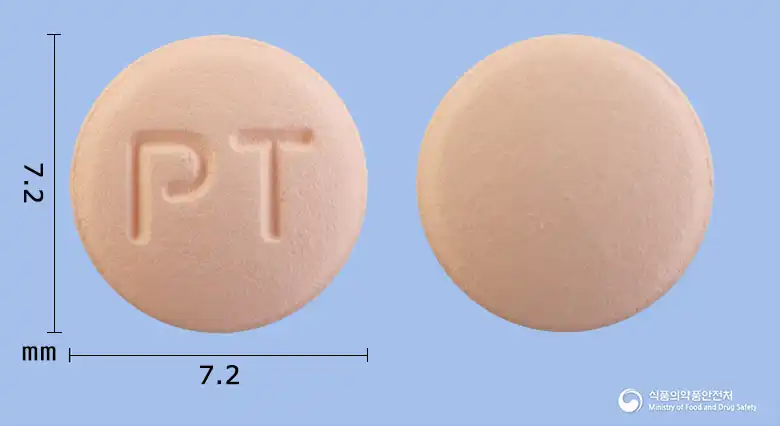
Pale yellow round film-coated tablet
30 tablets/bottle, 300 tablets/bottle
Even with the same ingredient, strength, dosage form and how it is taken can differ.
Viewing nowOlopatadine Hydrochloride 5mg
Tablet · Prescription medication
International Pharmaceutical Co., Ltd.
Olopatadine Hydrochloride 1.11mg
Eye drops · Prescription medication
Novartis Korea Co., Ltd.
Olopatadine Hydrochloride 5mg
Tablet · Prescription medication
Korea Kyowa Kirin Co., Ltd.
Olopatadine Hydrochloride 2.22mg
Eye drops · Prescription medication
Novartis Korea Co., Ltd.
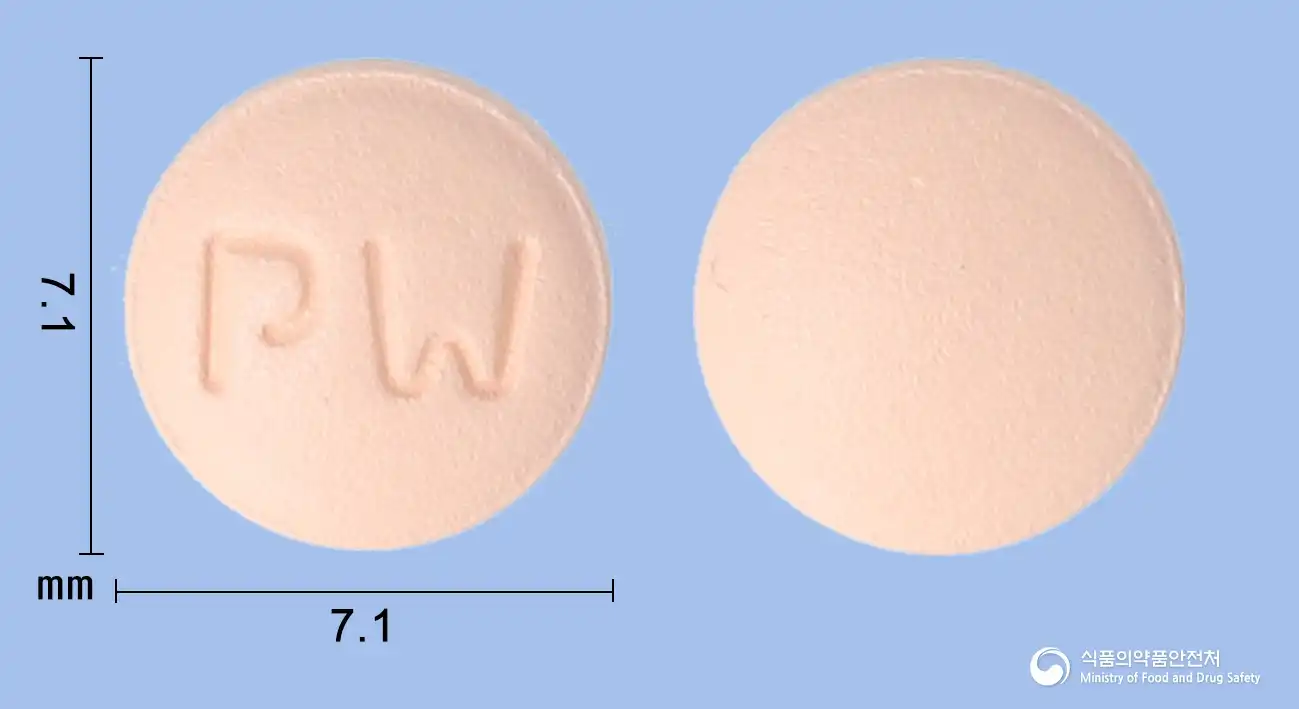
Olopatadine Hydrochloride 5mg
Tablet · Prescription medication
Daewoong Pharmaceutical Co., Ltd.
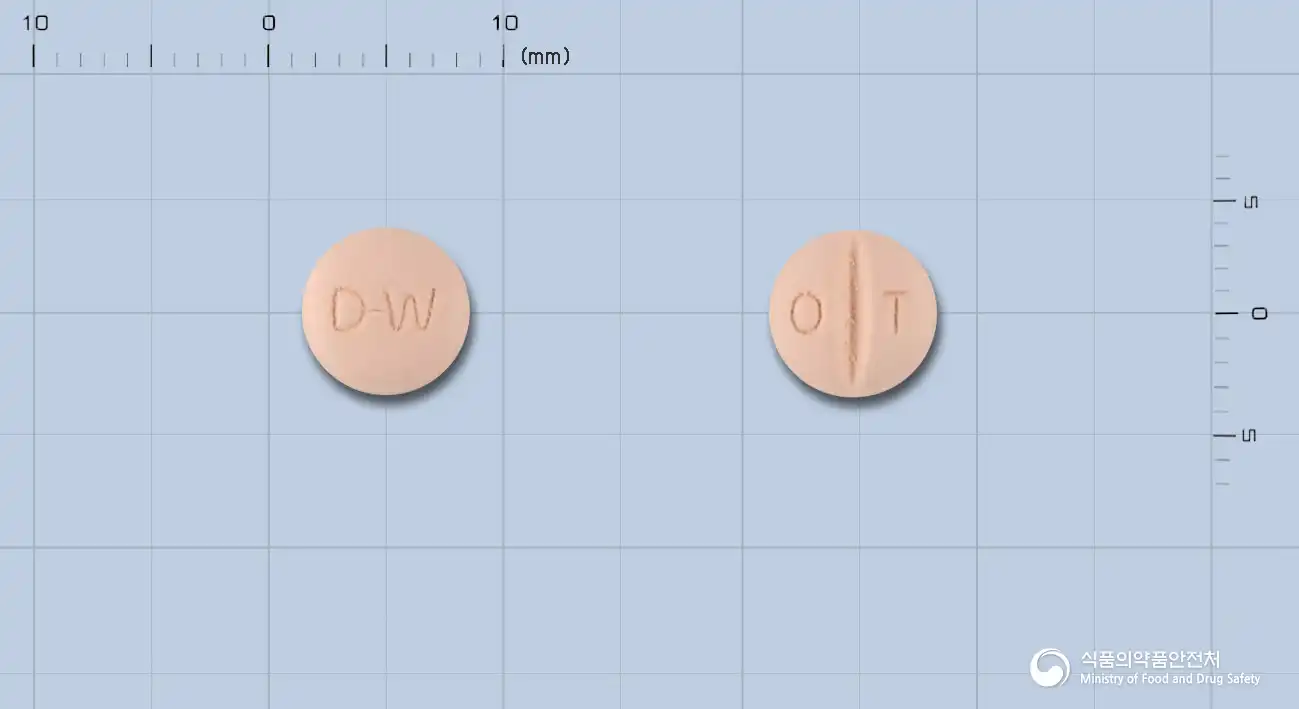
Olopatadine Hydrochloride 5mg
Tablet · Prescription medication
Dongwha Pharmaceutical Co., Ltd.
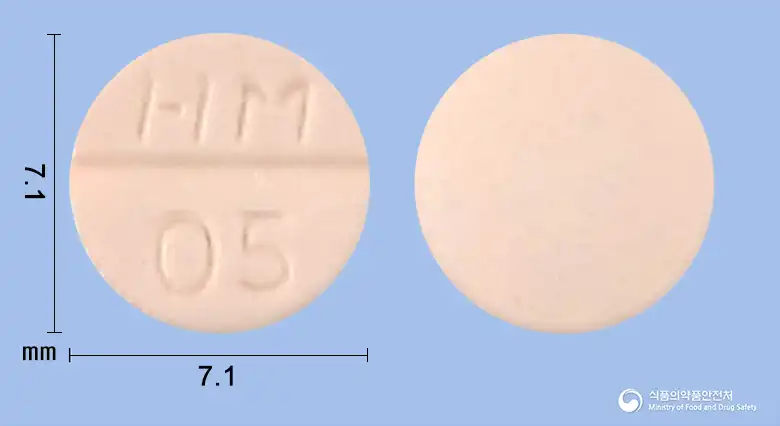
Olopatadine Hydrochloride 5mg
Tablet · Prescription medication
Hanmi Pharmaceutical Co., Ltd.
Olopatadine Hydrochloride 5mg
Tablet · Prescription medication
Genupharm Co., Ltd.
Even with the same ingredient, the dose and directions can differ by strength and dosage form. Talk to a doctor or pharmacist before switching from a medication you are already taking.
No questions yet.
For anything that needs medical judgment, consult a doctor or pharmacist.
This drug information is based on data provided by the Korea Ministry of Food and Drug Safety.
Consult a doctor or pharmacist for accurate dosage, administration, and usage instructions.