
 한국어
한국어 English
 日本語
日本語 中文(简体)
 Viewing now
Mearil Tablets (Glimepiride)
Glimepiride 2mg
Tablet · Prescription medication
Joongheun Pharmaceutical Co., Ltd.
MFDS item code 200801495 · Notified 2008.02.04
Improvement of blood sugar control in type 2 diabetes
This medication is used in conjunction with diet and exercise to help improve blood sugar control in patients with type 2 diabetes. It can be used alone and may also be combined with insulin or metformin when blood sugar control is difficult with oral hypoglycemic agents alone. Especially in cases where blood sugar control is insufficient with sulfonylureas or metformin monotherapy, this medication may be administered to enhance blood sugar control. Such combination therapy can lead to more effective blood sugar management. This medication improves blood sugar control in patients with type 2 diabetes.
Adjust individually for each patient. Swallow without chewing with more than half a cup of water. This medication is administered orally once a day. It should be taken before breakfast or right before the first meal. 1. Monotherapy 1) Initial dosage and dose determination For patients who have never received this medication before, start with 1 mg of Glimepiride once daily. If necessary, increase the dosage by 1 mg at intervals of 1-2 weeks. Generally, dosages exceeding 4 mg provide little additional effect; however, some patients may benefit from increasing to 6 mg (or even 8 mg) for better metabolic control. If 4 mg daily fails, consider transitioning to insulin therapy, or if not, consider combination therapy with insulin or other oral diabetes medications. 2) Secondary dose adjustment As treatment progresses, the need for this medication may decrease due to improved diabetes control. Therefore, to avoid hypoglycemia, it may be necessary to reduce or discontinue this medication. Dose adjustments should also be considered if weight loss, lifestyle changes, or other factors that might increase the risk of hypoglycemia or hyperglycemia occur. 3) Switching from other oral hypoglycemic agents to this medication There is no exact dosage correlation between this medication and other oral hypoglycemic agents. When switching to this medication from others, it is advisable to follow the initial dosage guideline presented above, starting with 1 mg daily and making adjustments at 1-2 week intervals. The efficacy and duration of action of the previously used medications should be taken into account. 4) Dose monitoring During the use of this medication, routine monitoring of blood sugar and/or urine sugar levels should be conducted, as well as regular checks of glycated hemoglobin (HbA1c) levels are recommended. Generally, hypoglycemia can be immediately countered by consuming sugar. Hypoglycemia may recur even if initial successful management was achieved with sulfonylureas. Therefore, careful observation of the patient is warranted. Severe hypoglycemia requires immediate medical intervention and follow-up, and sometimes hospitalization may be necessary. 2. Combination therapy 1) Combination therapy with insulin Combination therapy with this medication and insulin is used for patients with secondary failure who have fasting blood glucose (FBG) exceeding 150 mg/dL. This medication is administered once daily at 8 mg with the first meal, beginning insulin at a low dose and increasing it roughly weekly based on fasting blood glucose measurements. Once stabilized, routine monitoring of capillary blood glucose should be done as much as possible. Periodic adjustments of insulin dosage based on blood glucose and glycated hemoglobin levels are necessary. 2) Combination therapy with metformin If patients do not adequately respond to the maximum dosage of this medication, consideration may be given to adding metformin. Clinical data exists on the combination therapy of this medication with other sulfonylureas such as glibenclamide, glipizide, chlorpropamide, and tolbutamide. With the combination of this medication and metformin, desired blood sugar levels can be achieved by adjusting the dosages of each medication. However, efforts should be made to ascertain the minimum effective doses of each medication for blood sugar control. There is a risk of hypoglycemia with the combination of this medication and metformin, and this risk may increase, so appropriate caution is warranted.
This medication should not be used in patients with insulin-dependent diabetes or severe liver or kidney dysfunction. Also, women who are allergic to this medication or its components, or who are pregnant or nursing, should avoid taking it. It is advisable not to administer this medication to patients with severe infections or those undergoing major surgeries or with severe trauma. Those with gastrointestinal disorders should be cautious as absorption of this medication may be compromised, increasing the risk of hypoglycemia. Patients with genetic lactose metabolism abnormalities should not take this medication. Because the risk of hypoglycemia is particularly high during the early stage of treatment, patients should be closely monitored and blood sugar checked frequently. Elderly patients, those with poor nutritional status or irregular eating habits, and patients with impaired renal or liver function should also be treated cautiously. Frequent alcohol consumption or the combination with other medications can also increase the risk of hypoglycemia. Patients allergic to any dyes contained in this medication should exercise caution. This medication can cause hypoglycemia, so patients should be well informed about hypoglycemic symptoms and treatment methods, and it is advisable to always carry sugar. Symptoms of hypoglycemia may include headache, extreme hunger, dizziness, confusion, drowsiness, etc. In severe cases, loss of consciousness or a comatose state may occur, requiring immediate medical assistance. During the use of this medication, dietary and exercise therapies should be continued, and blood sugar control should be checked regularly. When starting or stopping this medication, or when making lifestyle changes, the dosage should be adjusted in consultation with a physician. When taken with other medications, blood sugar control may change due to interactions, so it is essential to inform healthcare professionals about all currently taken medications. Particular caution is necessary when co-administering with drugs that affect the enzymes that metabolize this medication in the liver. Women who are pregnant or nursing should not take this medication, and switching to insulin therapy is safer if necessary. In the case of overdose, severe hypoglycemia may occur, necessitating immediate emergency treatment and long-term monitoring. This medication should be stored out of reach of children and kept in its original container.
Hives, severe swelling (edema), difficulty breathing, chest tightness, lowered blood pressure, shock, anaphylaxis, angioedema, skin and mucous membrane syndrome (Stevens-Johnson syndrome), liver dysfunction (including jaundice), liver failure, severe headache, seizures, confusion of consciousness, loss of consciousness, coma, stroke-like symptoms, thrombocytopenia with platelet count below 10,000/μL, thrombocytopenic purpura, hemolytic anemia, severe edema
Not everyone experiences these, and they can vary from person to person.
This medication should be stored in a tightly closed container to prevent exposure to air or moisture, preferably at room temperature between 1 to 30 degrees Celsius. Proper storage can help maintain the effectiveness of the medication and prevent degradation.
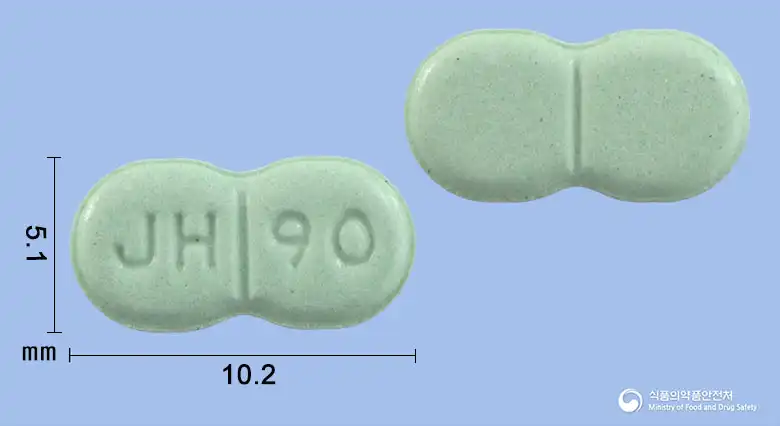
Green rectangular tablets
30 tablets/bottle, 100 tablets/bottle
Even with the same ingredient, strength, dosage form and how it is taken can differ.
Viewing nowGlimepiride 2mg
Tablet · Prescription medication
Joongheun Pharmaceutical Co., Ltd.
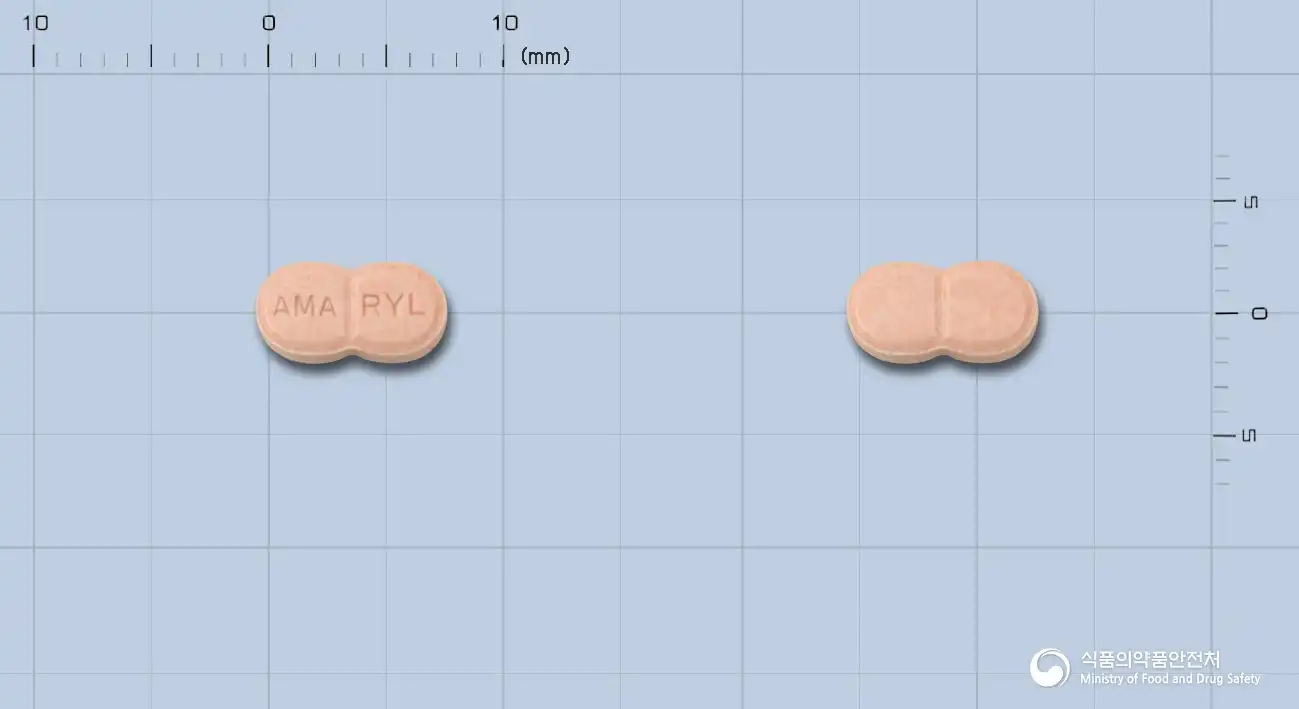
Glimepiride 1mg
Tablet · Prescription medication
Handok Co., Ltd.
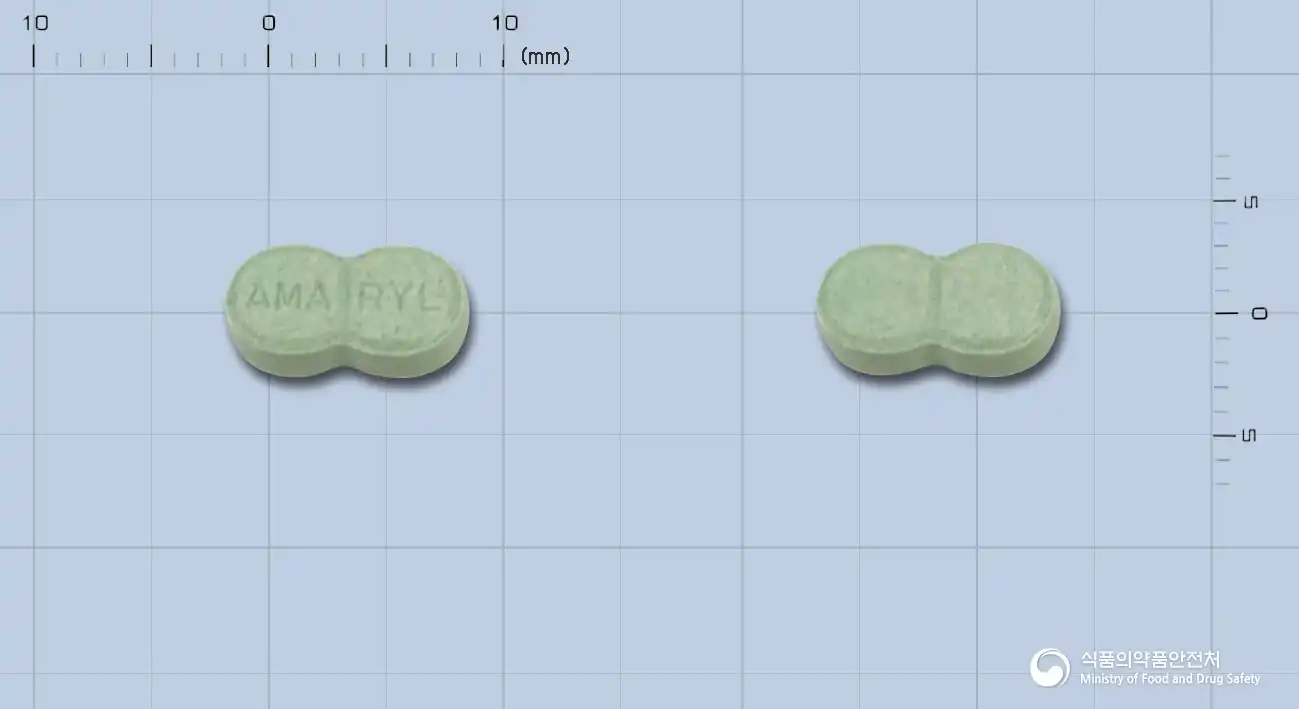
Glimepiride 2mg
Tablet · Prescription medication
Handok Co., Ltd.
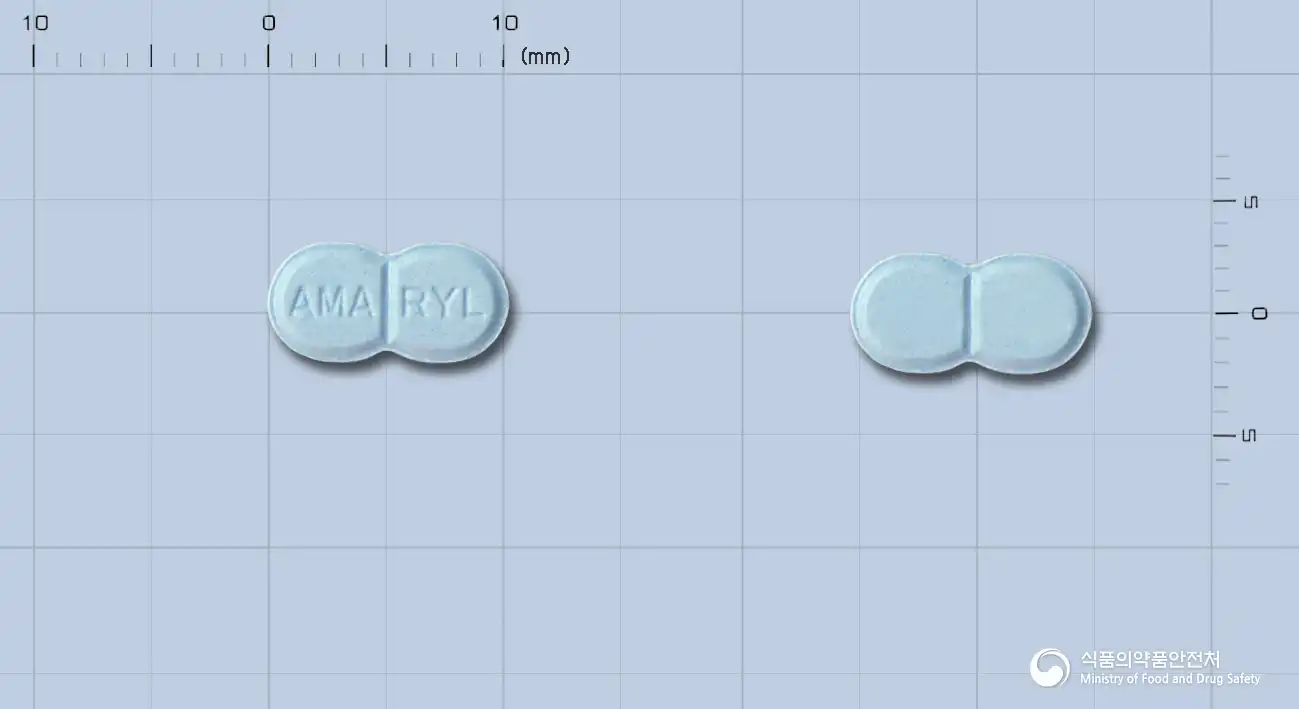
Glimepiride 4mg
Tablet · Prescription medication
(Hanmi Pharmaceutical Co., Ltd.)
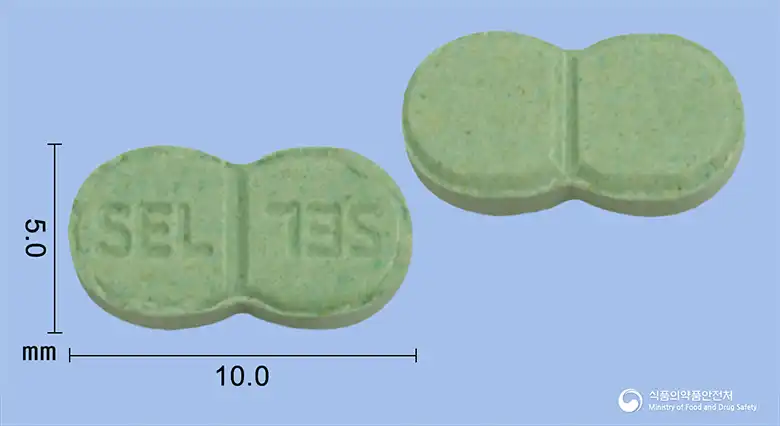
Glimepiride 2mg
Tablet · Prescription medication
Seoul Pharmaceutical Co., Ltd.
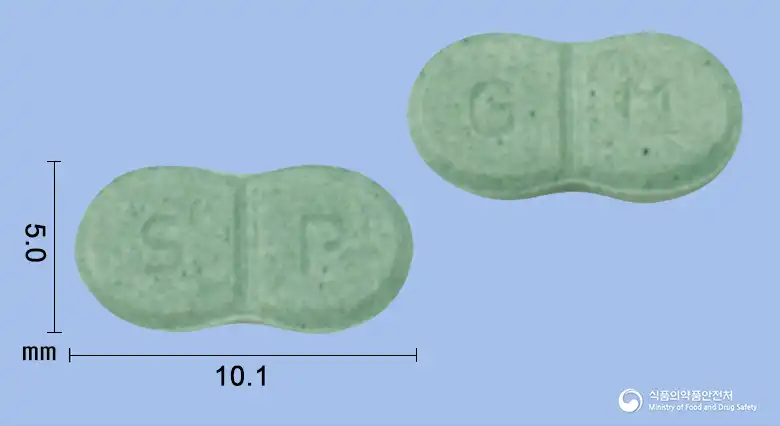
Glimepiride 2mg
Tablet · Prescription medication
Shinpoong Pharmaceutical Co., Ltd.
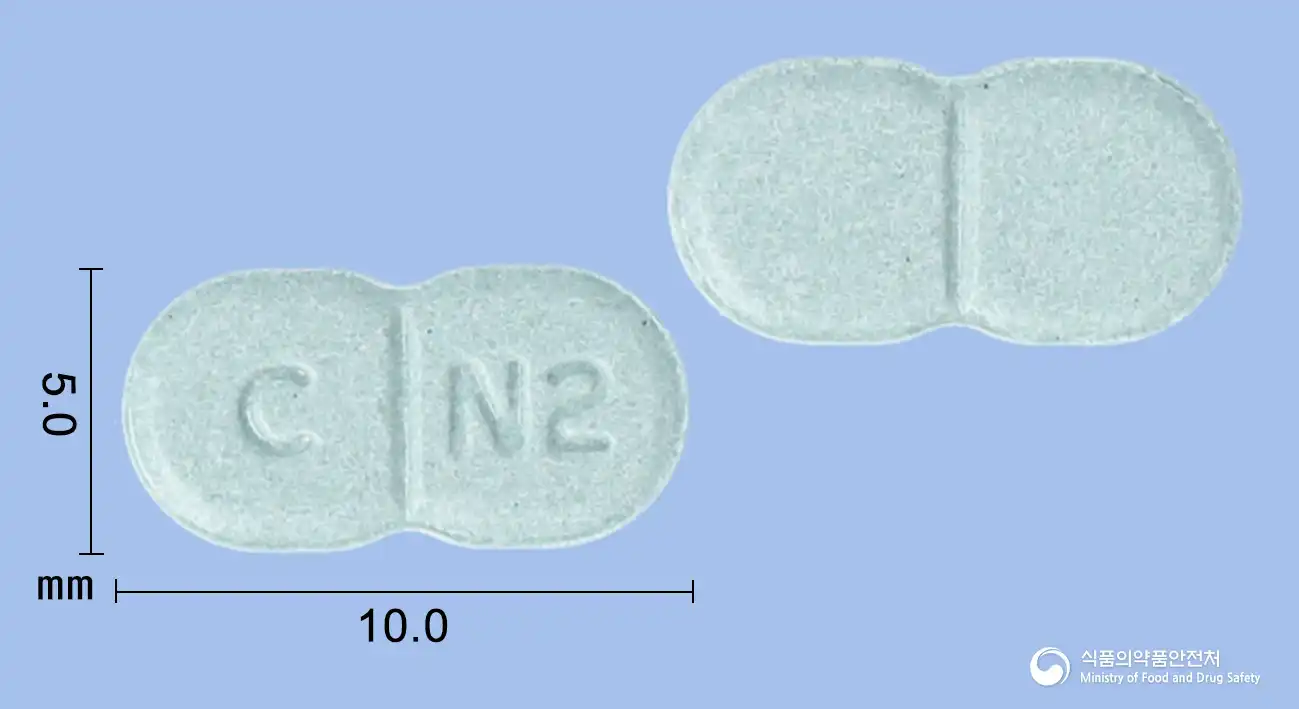
Glimepiride 2mg
Tablet · Prescription medication
Jongkundang Co., Ltd.
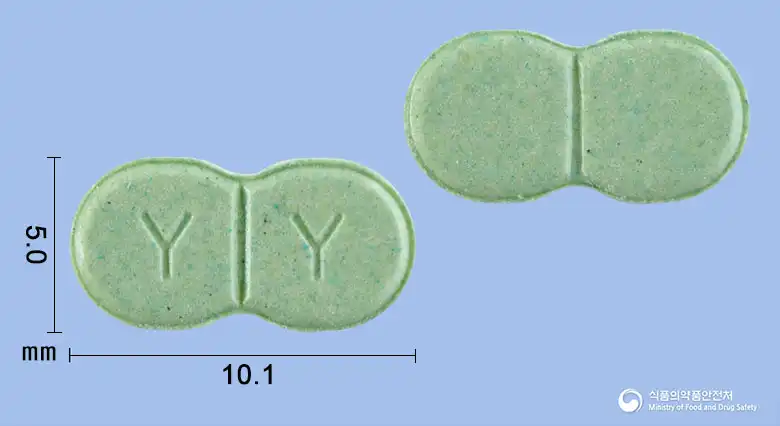
Glimepiride 2mg
Tablet · Prescription medication
IYun Pharmaceuticals Co., Ltd.
Even with the same ingredient, the dose and directions can differ by strength and dosage form. Talk to a doctor or pharmacist before switching from a medication you are already taking.
No questions yet.
For anything that needs medical judgment, consult a doctor or pharmacist.
This drug information is based on data provided by the Korea Ministry of Food and Drug Safety.
Consult a doctor or pharmacist for accurate dosage, administration, and usage instructions.