
 한국어
한국어 English
 日本語
日本語 中文(简体)
 Viewing now
Ibuprofen Tablet 150 mg (Irbesartan)
Irbesartan 150mg
Tablet · Prescription medication
Samcheondang Pharmaceutical Co., Ltd.
MFDS item code 200800338 · Notified 2008.01.08 · Insurance code 651202700
Improvement of essential hypertension and type 2 diabetes kidney disease
This medication is used to treat essential hypertension. It is also effective in patients with type 2 diabetes who experience accompanying kidney disease during hypertension treatment. Therefore, it helps improve both hypertension and the related kidney complications.
Essential hypertension: Irbesartan is administered orally once a day at a dose of 150 mg, which may be increased to 300 mg if the effect is insufficient. Kidney disease in patients with hypertension and type 2 diabetes: It is recommended to start with an oral dose of 150 mg once daily, increasing to 300 mg for maintenance as required. Elderly patients (75 years and older) and patients on hemodialysis: Considering an initial dose of 75 mg.
This medication should never be used by pregnant women. It can cause serious harm to the fetus, so it must be discontinued immediately upon confirmation of pregnancy. People allergic to this medication or its components should not take it, and individuals with severely impaired liver function or certain genetic disorders should also avoid its use. Patients with diabetes or significantly impaired kidney function and those with a history of angioedema should exercise caution. Elderly patients, those with high potassium levels in their blood, patients with impaired liver function, or those with heart or vascular diseases must consult a physician before taking this medication. This medication lowers blood pressure; however, if blood pressure drops too much, dizziness or fainting may occur, so caution is advised. During treatment, regular blood tests should be conducted to monitor kidney function and electrolyte levels, particularly potassium levels. This medication may interact when taken with other antihypertensives, diuretics, or potassium supplements, so it is essential to inform healthcare providers about all medications being taken. Dizziness or drowsiness may occur while driving or operating machinery, so caution is necessary. Possible side effects during treatment include skin rash, headache, dizziness, fatigue, and digestive upset; if severe symptoms occur, medical advice should be sought immediately. In case of overdose, blood pressure may drop too low, and heart rhythm abnormalities may occur, requiring immediate medical attention. This medication has not been confirmed for safety and efficacy in children, hence it should not be used in pediatric patients. When storing the medication, keep it out of reach of children and do not transfer it to another container.
Hives, severe swelling (edema), angioedema, anaphylactic shock, severe rash with fever, blisters, skin peeling, pain in oral/eye mucosa, difficulty breathing or shortness of breath, asthma attack, cough with fever accompanied by respiratory abnormalities, yellowing of skin or eyes (jaundice), extreme overall fatigue, sudden and severe headache, thunderclap headache, seizures, disorientation, vision changes, paralysis, significantly decreased urine production
Not everyone experiences these, and they can vary from person to person.
This medication may be sensitive to air and moisture, so it must be stored in a tightly sealed container. It is recommended to keep it in a cool, dry place below 30 degrees Celsius to maintain its effectiveness for a longer duration.
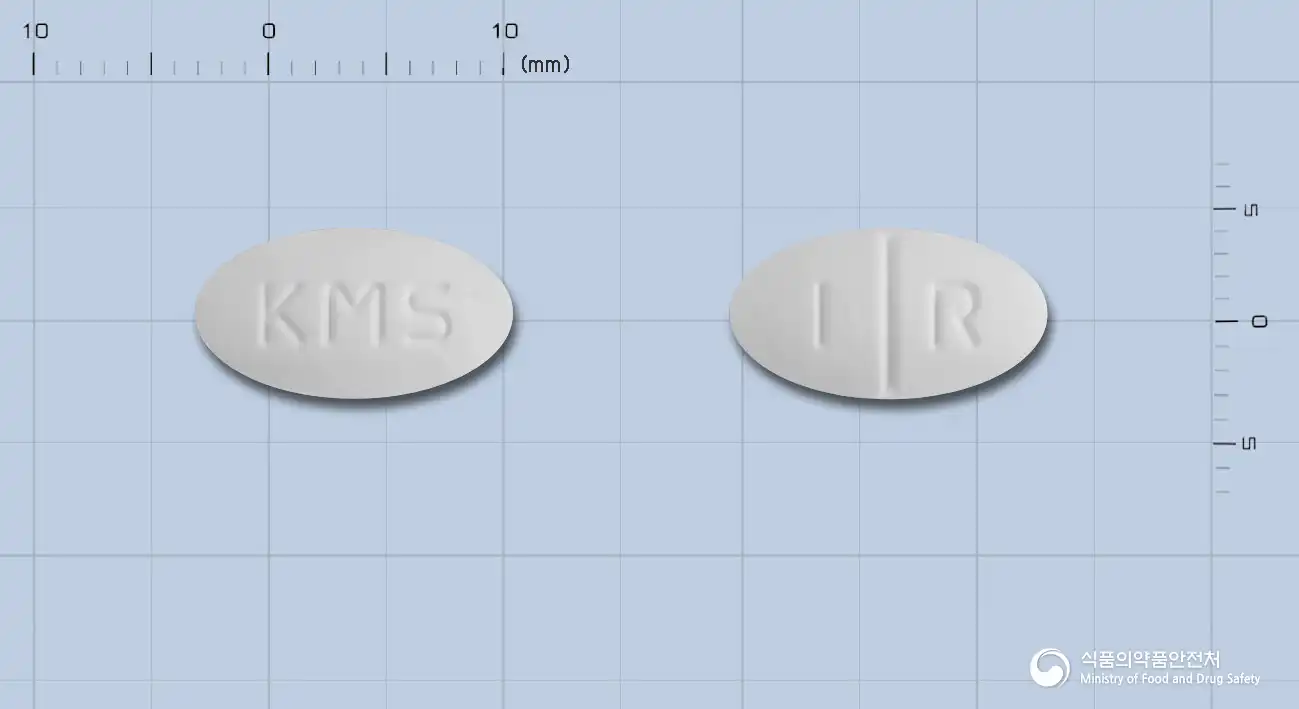
White or almost white biconvex oval tablet
30 tablets/bottle, 100 tablets/bottle
Even with the same ingredient, strength, dosage form and how it is taken can differ.
Viewing nowIrbesartan 150mg
Tablet · Prescription medication
Samcheondang Pharmaceutical Co., Ltd.
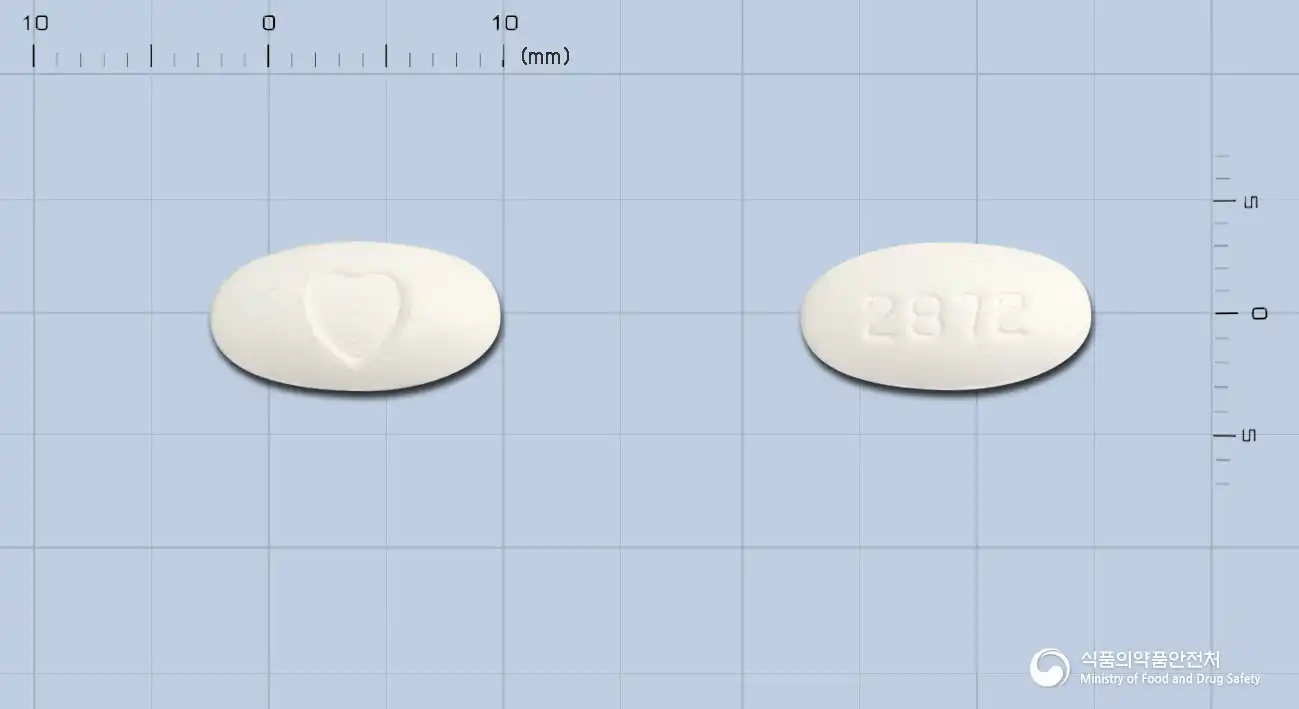
Irbesartan 150mg
Tablet · Prescription medication
Handok Co., Ltd.
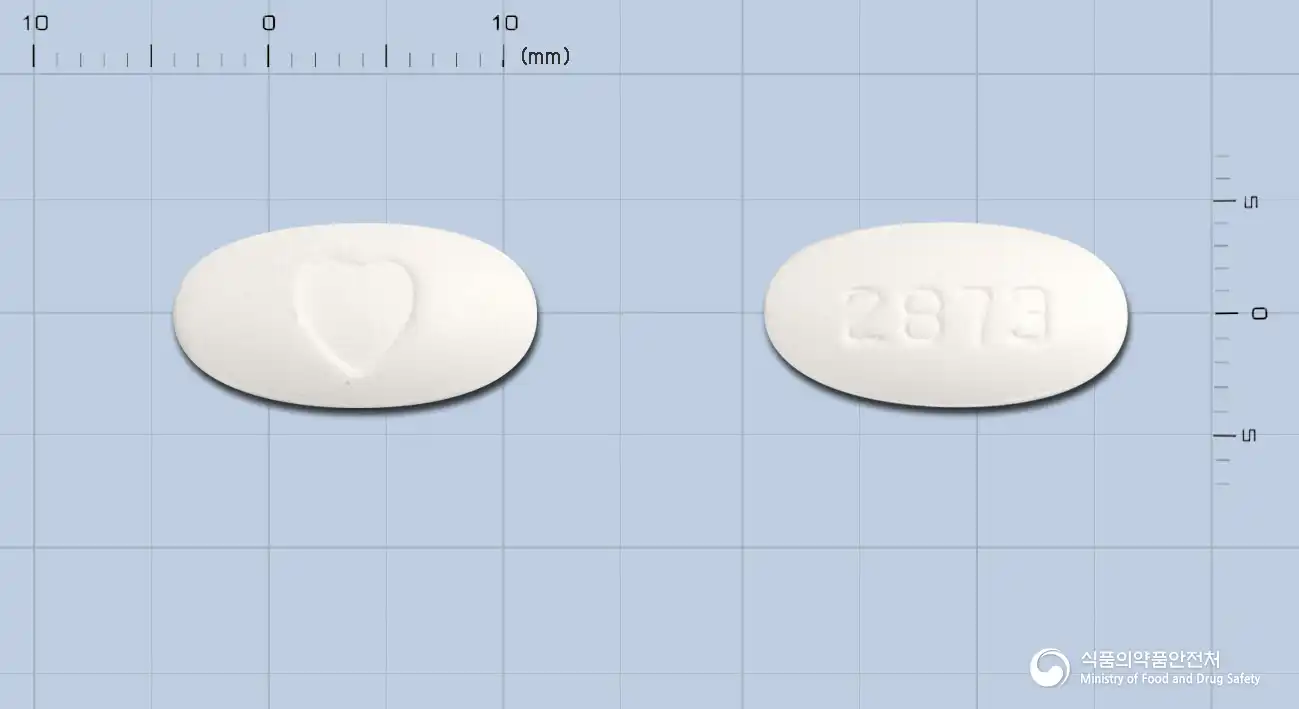
Irbesartan 300mg
Tablet · Prescription medication
Handok Co., Ltd.
Irbesartan 150mg
Tablet · Prescription medication
Hanwha Pharmaceutical Co., Ltd.
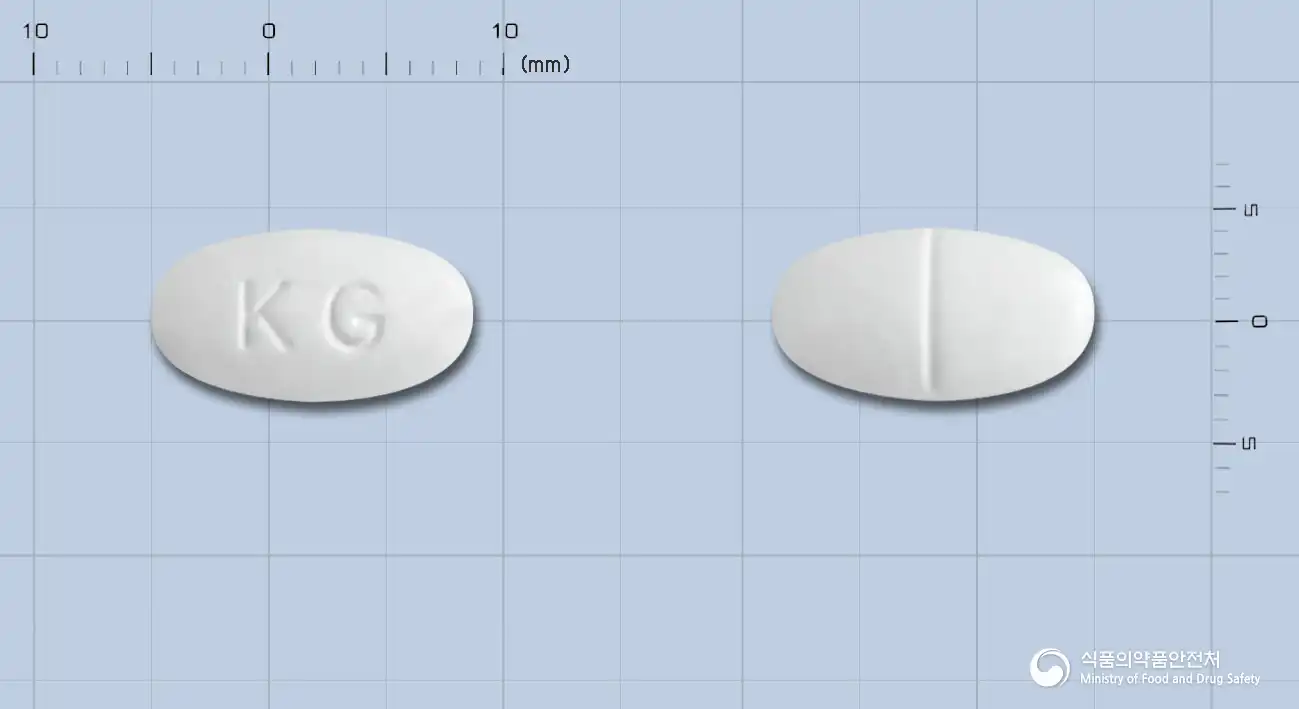
Irbesartan 150mg
Tablet · Prescription medication
Kips Biopharma Co., Ltd.
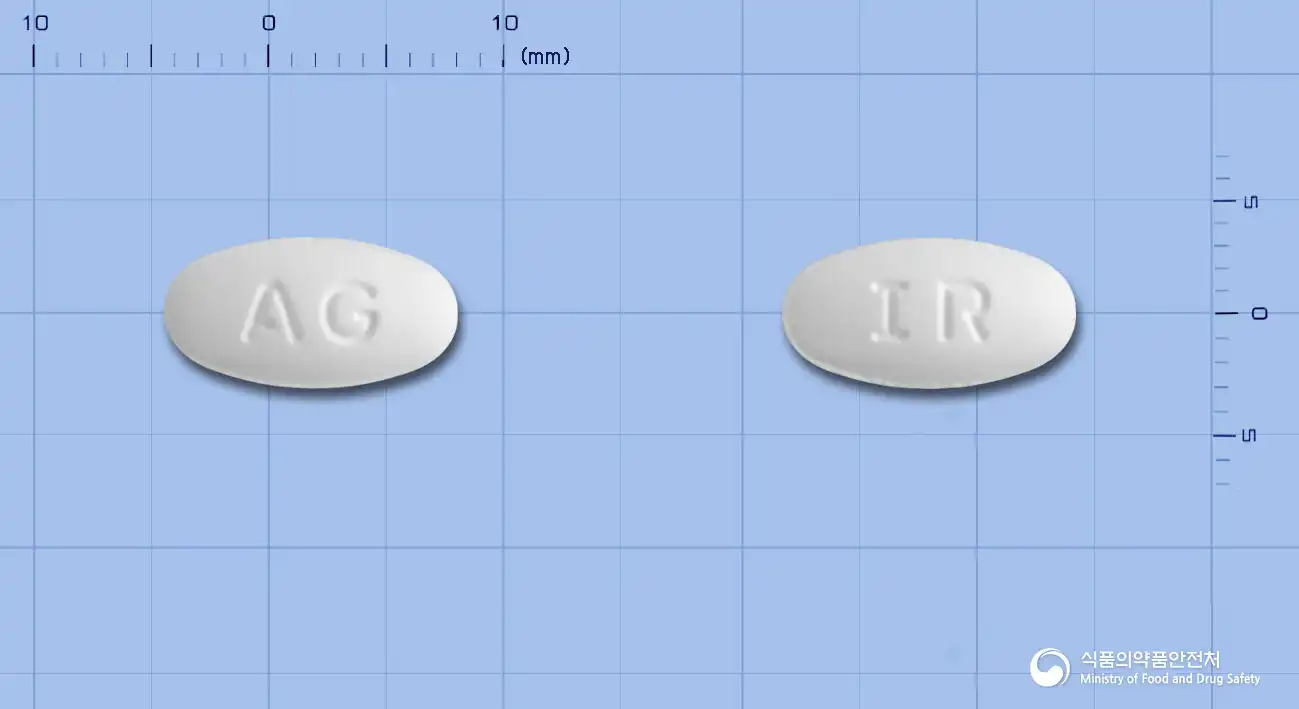
Irbesartan 150mg
Tablet · Prescription medication
Anguk Pharmaceutical Co., Ltd.
Irbesartan 150mg
Prescription medication
Bionex Co., Ltd.
Irbesartan 150mg
Tablet · Prescription medication
KMS Pharmaceutical Co., Ltd.
Even with the same ingredient, the dose and directions can differ by strength and dosage form. Talk to a doctor or pharmacist before switching from a medication you are already taking.
No questions yet.
For anything that needs medical judgment, consult a doctor or pharmacist.
This drug information is based on data provided by the Korea Ministry of Food and Drug Safety.
Consult a doctor or pharmacist for accurate dosage, administration, and usage instructions.