
 한국어
한국어 English
 日本語
日本語 中文(简体)
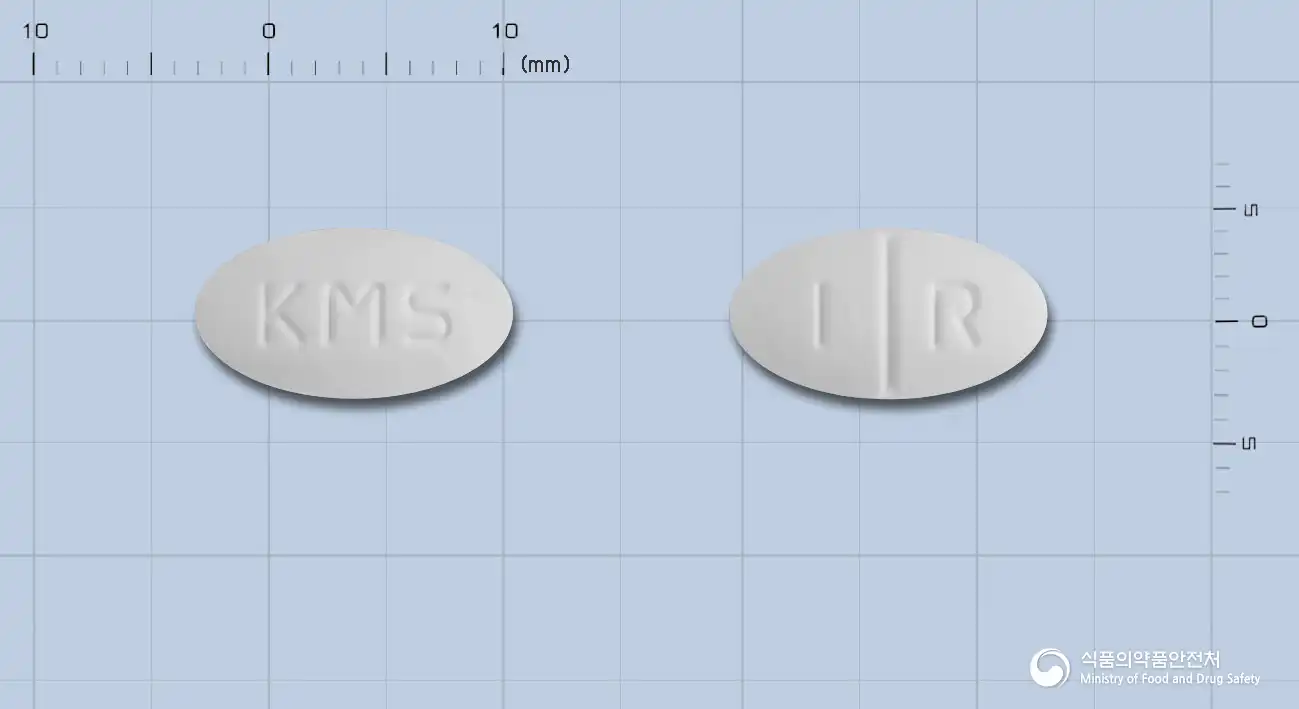
Dosage form image
Viewing nowARBi Tablet (Irbesartan)
Irbesartan 150mg
Prescription medication
Samjin Pharmaceutical Co., Ltd.
MFDS item code 200800337 · Notified 2008.01.08
This product's status changed to Approval withdrawn on 2024.06.21. It may no longer be sold, so consult a doctor or pharmacist before taking it.
Effect of inhibiting the progression of kidney disease in patients with essential hypertension and type 2 diabetes
This medication is used to control blood pressure in patients with essential hypertension. It also helps in preventing and treating kidney disease in type 2 diabetes patients with hypertension. Therefore, it is effective for managing blood pressure as well as improving renal complications caused by diabetes. Due to these properties, this medication is used for blood pressure control and kidney protection.
For essential hypertension, Irbesartan should be administered orally at a dose of 150 mg once daily. If the effect is not sufficient, the dose may be increased to 300 mg. In special cases, a dose of 75 mg may be considered. For kidney disease in patients with hypertension and type 2 diabetes, start with 150 mg once daily and increase up to 300 mg. Elderly patients aged 75 years or older or those on hemodialysis should consider starting with a dose of 75 mg.
This medication can cause serious harm to the fetus, especially during the second and third trimesters of pregnancy; therefore, it should not be used by pregnant women or women who may become pregnant. If pregnancy is confirmed, the medication should be discontinued immediately, and careful monitoring of the health of the fetus and newborn is necessary. This medication should not be administered to patients with severe liver impairment, hereditary angioedema, certain lactose intolerant patients, and patients with specific kidney conditions. Elderly patients, patients with hyperkalemia, liver impairment, cardiovascular diseases, and those with reduced kidney function should be particularly cautious when using this medication, and blood pressure, kidney function, and electrolyte levels should be regularly monitored. During the medication use, symptoms such as dizziness, fatigue, headache, musculoskeletal pain, and indigestion may appear, but they are usually mild and temporary. However, severe adverse reactions such as angioedema (swelling of the face, lips, tongue, etc.), severe hypotension, renal failure, liver dysfunction, hypoglycemia, and rhabdomyolysis may occur, thus immediate consultation with healthcare professionals is necessary if these symptoms arise. This medication may interact with other antihypertensive agents, diuretics, potassium supplements, lithium, non-steroidal anti-inflammatory drugs, etc., hence caution is needed with concurrent use, particularly due to the risk of increased potassium levels; regular blood tests are recommended. Lactating women are advised to avoid this medication, and if unavoidable, breastfeeding should be discontinued. Dizziness or fatigue may occur while driving or operating machinery, so caution is advised. Additionally, during hypertension treatment, hypoglycemia may also occur, so diabetic patients should manage their blood glucose levels meticulously. In case of overdose, symptoms like hypotension, tachycardia, and bradycardia may appear, requiring immediate assistance from healthcare professionals. It should be kept out of reach of children.
Hives, angioedema, anaphylactic shock, anaphylactic reaction, hyperkalemia, liver dysfunction, jaundice, shock, syncope, loss of consciousness, renal failure, angioedema (face, lips, pharynx, tongue, etc.), hypoglycemia (including cold sweat), rhabdomyolysis, paralysis, transient ischemia, cerebrovascular accident, severe edema accompanied by increased blood pressure
Not everyone experiences these, and they can vary from person to person.
This medication is sensitive to air and moisture, so it should be stored in a sealed container. Additionally, it is recommended to store it in a cool, dry place at or below 30 degrees Celsius.
White or nearly white oval-shaped tablet with a biconvex surface
30 tablets/box [10 tablets/PTP*3]
Even with the same ingredient, strength, dosage form and how it is taken can differ.
Irbesartan 150mg
Prescription medication
Samjin Pharmaceutical Co., Ltd.
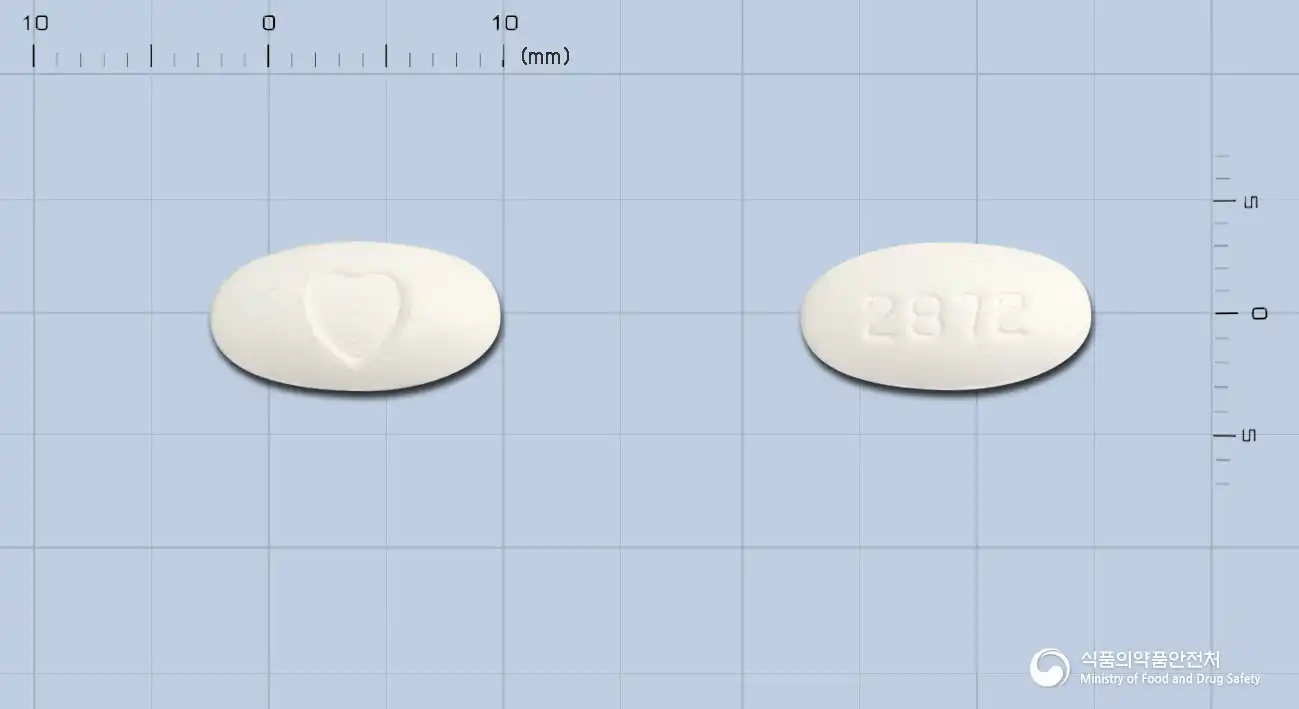
Irbesartan 150mg
Tablet · Prescription medication
Handok Co., Ltd.
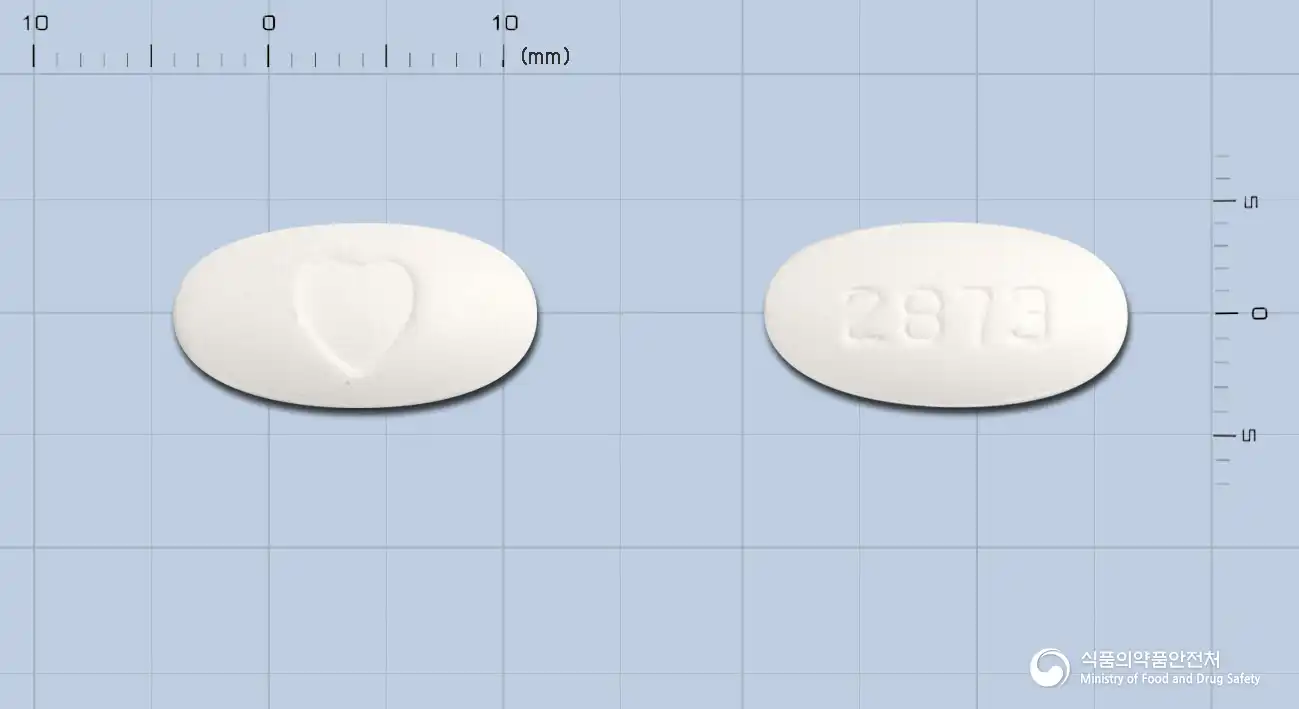
Irbesartan 300mg
Tablet · Prescription medication
Handok Co., Ltd.
Irbesartan 150mg
Tablet · Prescription medication
Hanwha Pharmaceutical Co., Ltd.
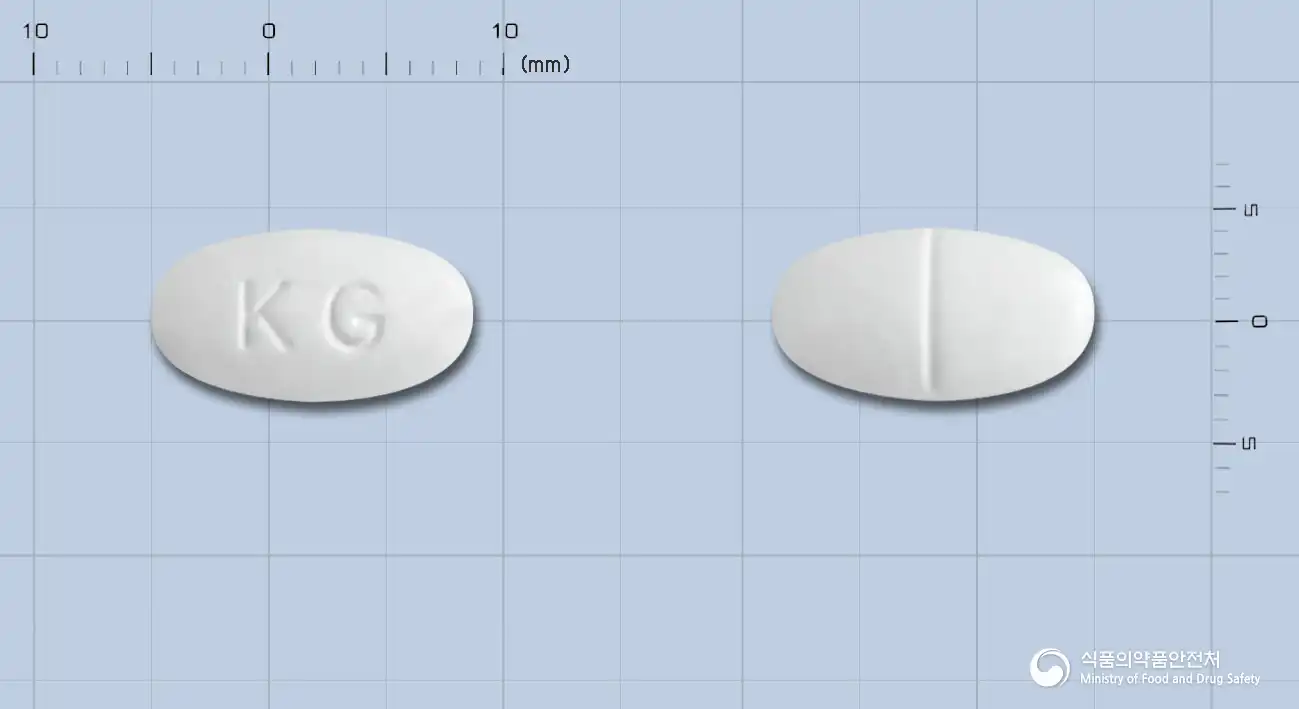
Irbesartan 150mg
Tablet · Prescription medication
Kips Biopharma Co., Ltd.
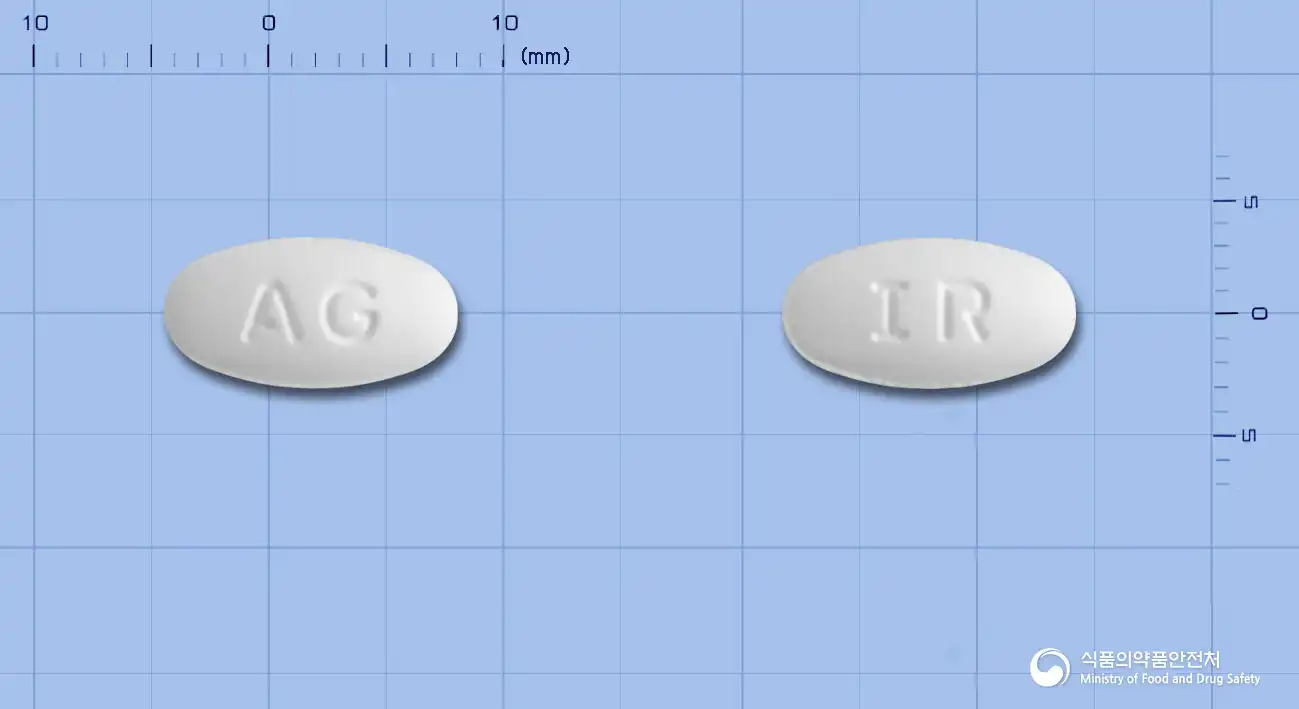
Irbesartan 150mg
Tablet · Prescription medication
Anguk Pharmaceutical Co., Ltd.
Irbesartan 150mg
Prescription medication
Bionex Co., Ltd.
Irbesartan 150mg
Tablet · Prescription medication
KMS Pharmaceutical Co., Ltd.
Even with the same ingredient, the dose and directions can differ by strength and dosage form. Talk to a doctor or pharmacist before switching from a medication you are already taking.
No questions yet.
For anything that needs medical judgment, consult a doctor or pharmacist.
This drug information is based on data provided by the Korea Ministry of Food and Drug Safety.
Consult a doctor or pharmacist for accurate dosage, administration, and usage instructions.