
 한국어
한국어 English
 日本語
日本語 中文(简体)
 Viewing now
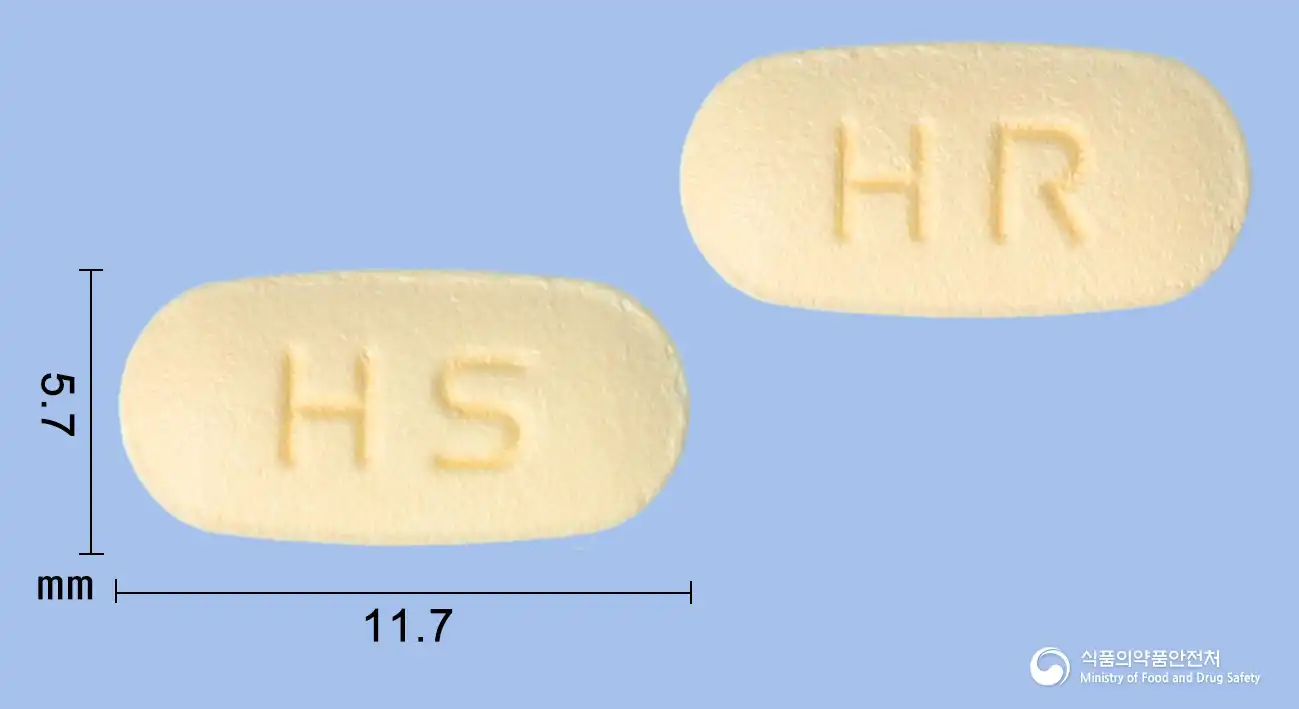
Hydrone Tablets (Risedronate Sodium 2.5 Hydrate)
Risedronate Sodium 2.5 Hydrate 40.2mg
Tablet · Prescription medication
Huons Co., Ltd.
MFDS item code 200800291 · Notified 2008.01.08 · Insurance code 670604180
Treatment and prevention of osteoporosis in postmenopausal women and men
This tablet is used for the treatment and prevention of osteoporosis in postmenopausal women and men. Osteoporosis is a condition where bones become weak and are at risk of fracture. This medication strengthens bones and increases bone density, thereby reducing the risk of fractures. It helps in preventing and treating fractures due to osteoporosis.
Risedronate Sodium: 1 dose of 35 mg is administered orally once a week. Food may interfere with the absorption of this medication, so it should be taken at least 30 minutes before breakfast or at least 2 hours before or after food or drink intake. When taking, it should be ingested with a substantial amount of pure water (170-230 mL) in an upright position and should not be chewed or sucked. It is crucial not to lie down for at least 30 minutes after taking this medication.
The safety and efficacy of this medication in pediatric patients under 18 years have not been established.
This medication is an oral bisphosphonate, which may irritate the gastric and esophageal mucosa. Patients with upper gastrointestinal conditions should take caution. In particular, esophagitis, esophageal ulcers, and erosions can occur, so if symptoms such as difficulty swallowing, pain behind the sternum, or heartburn arise, discontinue use and consult a physician. When taking this medication, it should be taken with a sufficient amount of water, and the patient should avoid lying down for at least 30 minutes afterward to reduce the risk of esophageal irritation. Patients with esophageal stricture, achalasia, hypocalcemia, pregnant or breastfeeding women, and patients with severe renal impairment should not take this medication. Patients with Barrett's esophagus, gastritis, duodenitis, ulcers, and other upper gastrointestinal conditions should be administered cautiously, and they must adhere strictly to the dosage and precautions. During treatment, side effects such as dyspepsia, abdominal pain, diarrhea, muscle pain, joint pain, headache, dizziness, and depression may occur. If symptoms are severe, consult a physician. This medication may interfere with the absorption if taken with antacids or supplements containing calcium, magnesium, or iron, thus a sufficient interval should be kept between administrations. Long-term use may rarely lead to severe side effects such as osteonecrosis of the jaw or atypical femoral fractures; therefore, inform medical personnel immediately if such symptoms occur. Pregnant women or those who may become pregnant, as well as nursing mothers, should avoid taking this medication, and decisions should be made after consulting a physician if necessary. The safety of this medication in children has not been established, so it is advisable not to use it for those under 18 years old. Overdose may lead to symptoms of hypocalcemia; immediate medical attention should be sought for appropriate treatment. This medication should be kept out of the reach of children and should not be transferred to another container.
Hives, severe swelling (edema), chest tightness, difficulty breathing, cold sweat, paleness, severe rash with fever, blisters, skin peeling, pain in the mucous membranes of mouth/eyes, shortness of breath or difficulty breathing, asthma attacks, respiratory disturbances accompanied by cough and fever, yellowing of the skin or eyes (jaundice), extreme fatigue, sudden and severe headache, lightning-like headache, seizures, confusion, visual disturbances, paralysis, urinary disturbances
Not everyone experiences these, and they can vary from person to person.
This medication should be stored in a tightly sealed container that is not exposed to air and kept at room temperature between 1 and 30 degrees Celsius. To maintain the efficacy of the medication, it is important to avoid direct sunlight and not to store it in excessively hot or cold places.
Light orange oblong film-coated tablet
4 tablets (4 tablets/PTP x 1)
Even with the same ingredient, strength, dosage form and how it is taken can differ.
Viewing nowRisedronate Sodium 2.5 Hydrate 40.2mg
Tablet · Prescription medication
Huons Co., Ltd.
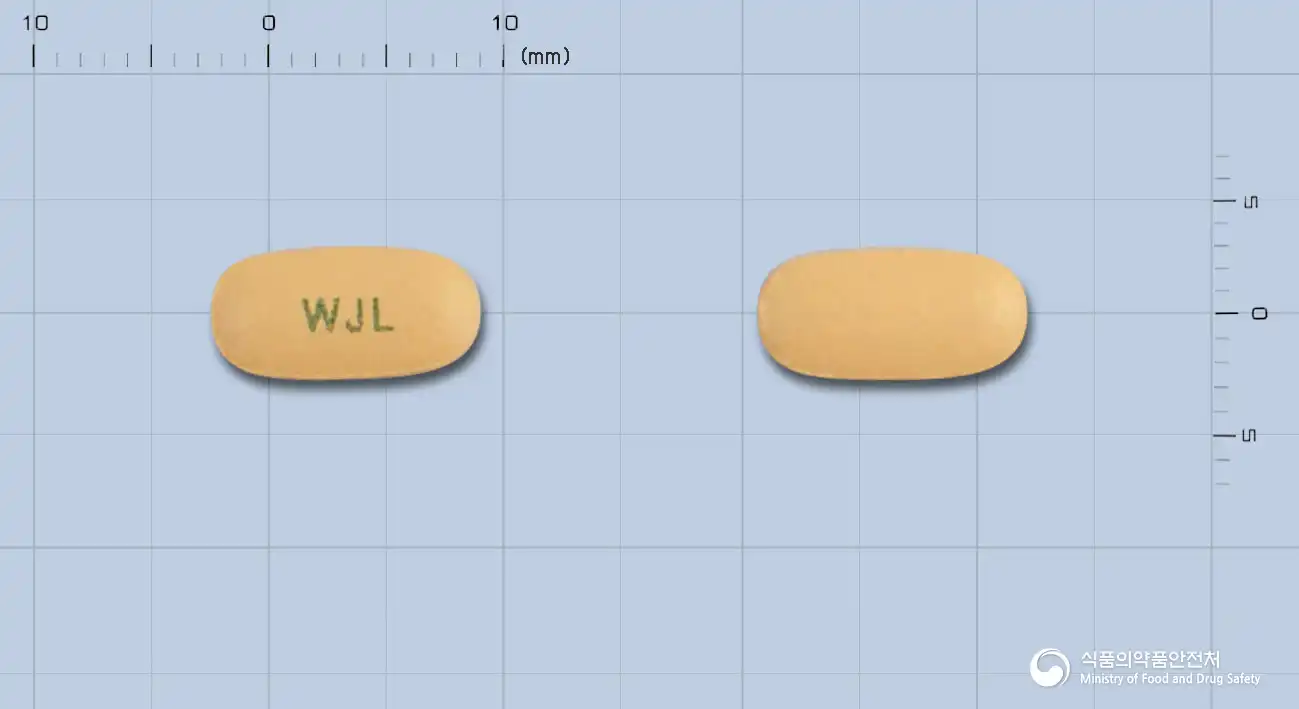
Risedronate Sodium 2.5 Hydrate 40.17mg
Tablet · Prescription medication
Austin Pharmaceutical Co., Ltd.
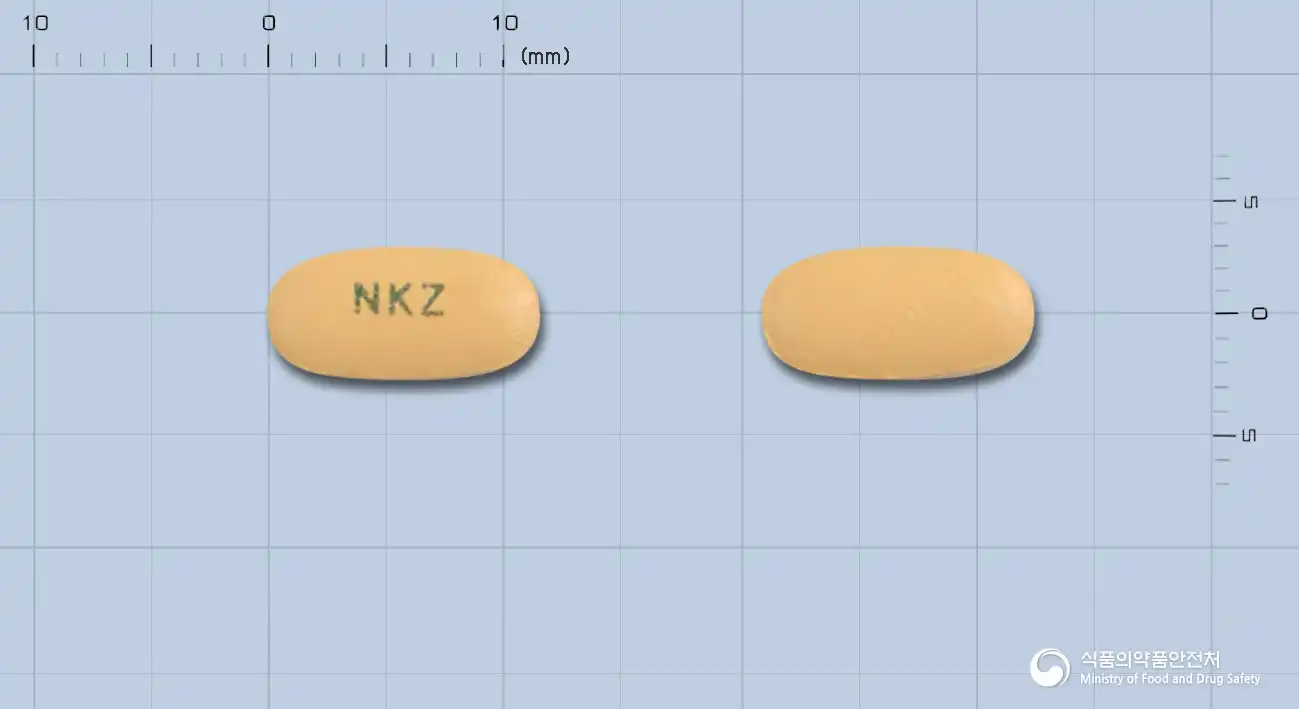
Risedronate Sodium 2.5 Hydrate 40.17mg
Tablet · Prescription medication
Nexpam Korea Co., Ltd.
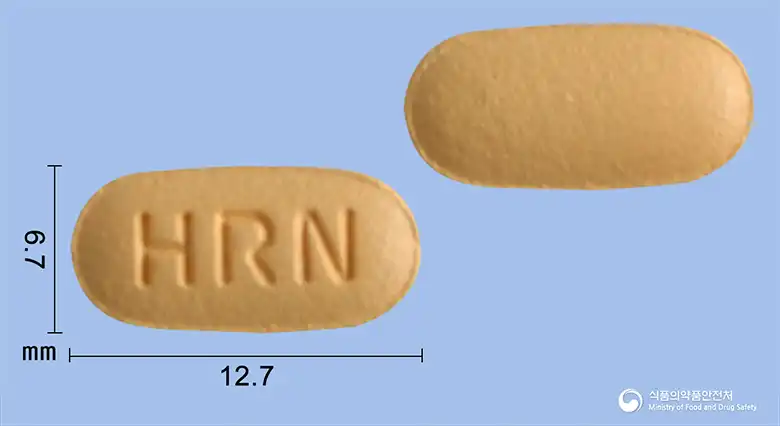
Risedronate Sodium 2.5 Hydrate 35mg
Tablet · Prescription medication
Hyutecs Pharmaceutical Co., Ltd.
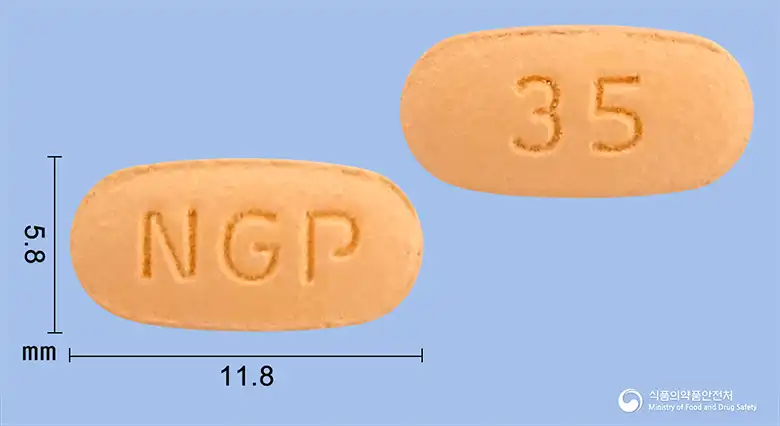
Risedronate Sodium 2.5 Hydrate 40.2mg
Tablet · Prescription medication
Celix Co., Ltd.
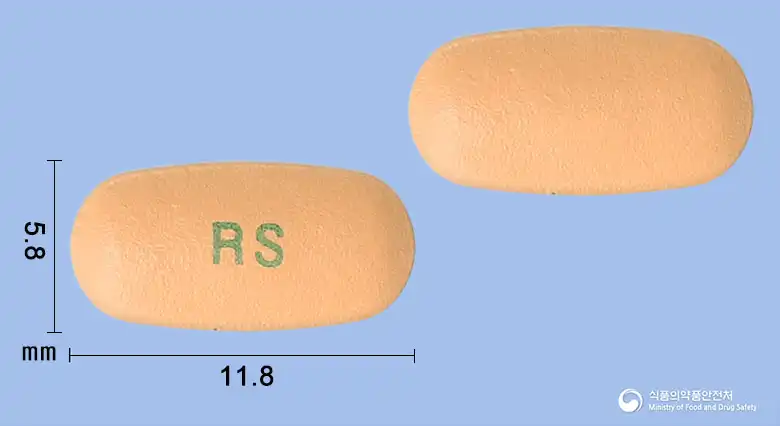
Risedronate Sodium 2.5 Hydrate 40.17mg
Tablet · Prescription medication
Myeongmun Pharmaceutical Co., Ltd.
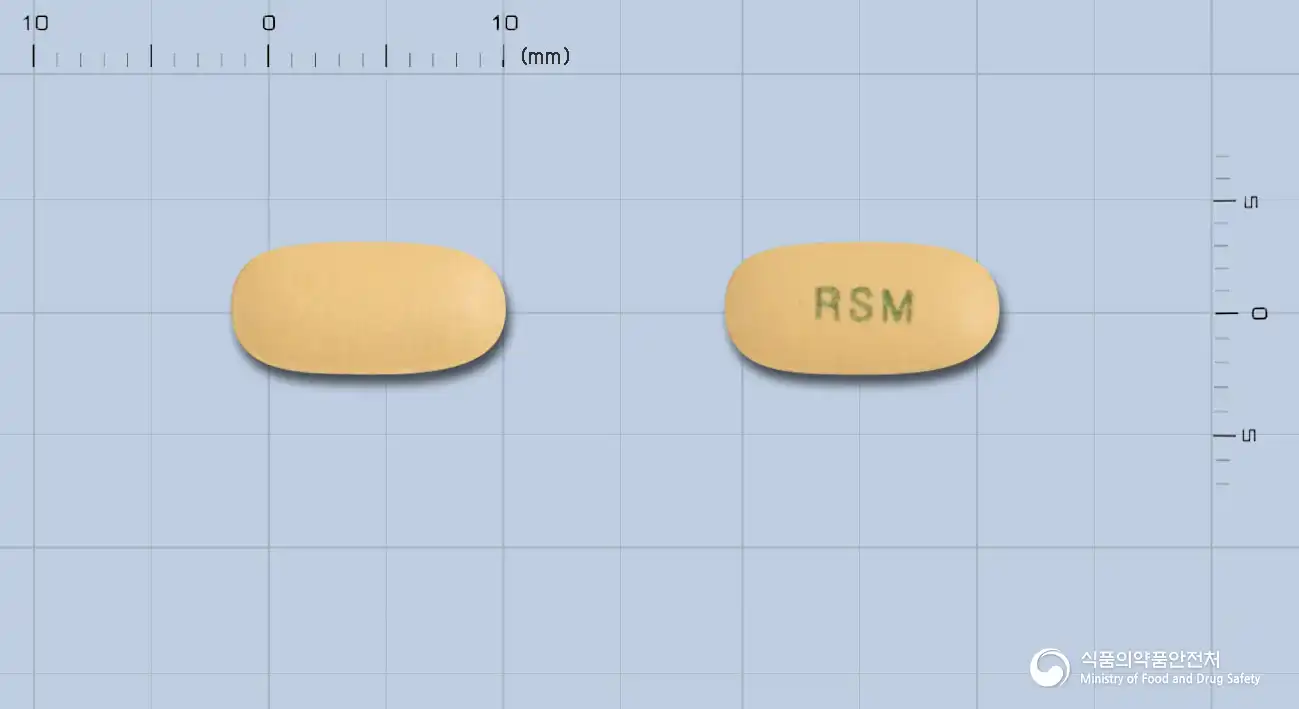
Risedronate Sodium 2.5 Hydrate 40.17mg
Tablet · Prescription medication
Korea United Pharmaceutical Co., Ltd.
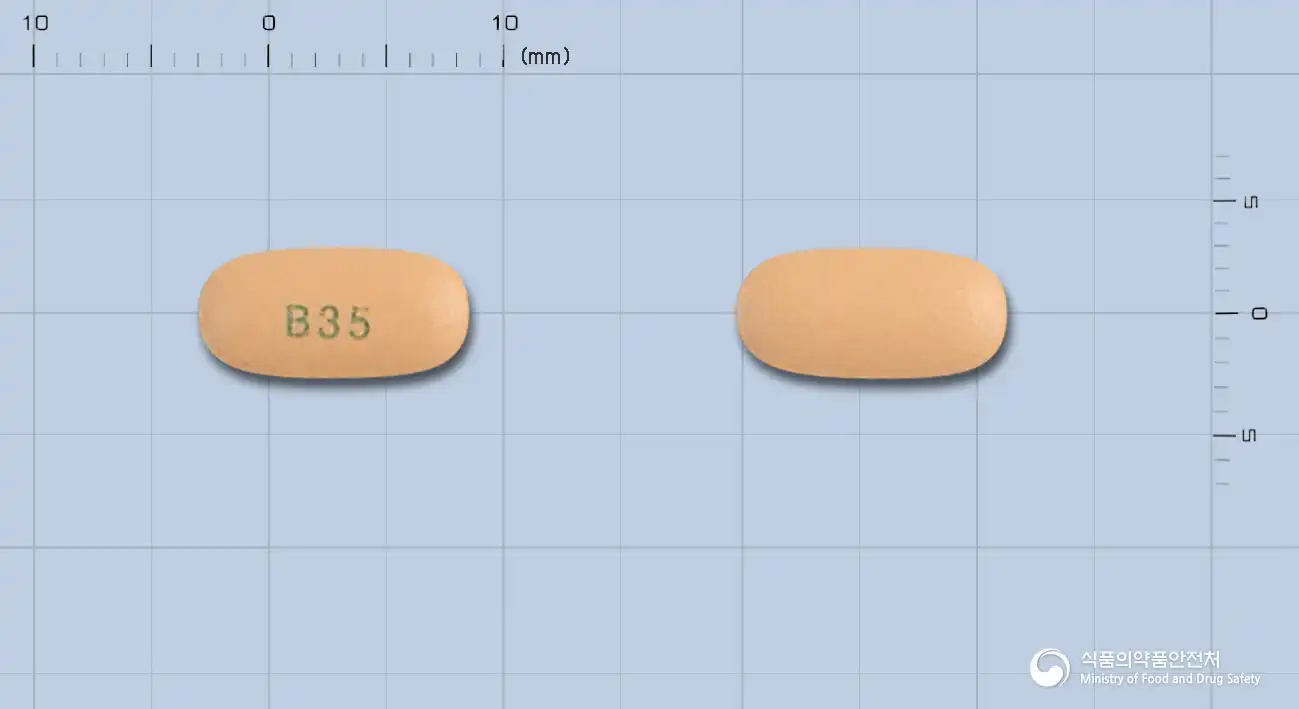
Risedronate Sodium 2.5 Hydrate 40.17mg
Tablet · Prescription medication
Shinpoong Pharmaceutical Co., Ltd.
Even with the same ingredient, the dose and directions can differ by strength and dosage form. Talk to a doctor or pharmacist before switching from a medication you are already taking.
No questions yet.
For anything that needs medical judgment, consult a doctor or pharmacist.
This drug information is based on data provided by the Korea Ministry of Food and Drug Safety.
Consult a doctor or pharmacist for accurate dosage, administration, and usage instructions.