
 한국어
한국어 English
 日本語
日本語 中文(简体)
 Viewing now
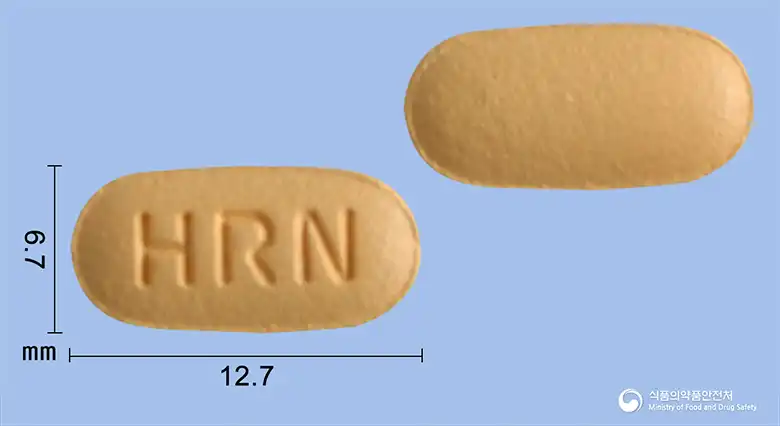
Hyutecs Risedronate Tablet 35 mg (Risedronate Sodium 2.5 Hydrate)
Risedronate Sodium 2.5 Hydrate 35mg
Tablet · Prescription medication
Hyutecs Pharmaceutical Co., Ltd.
MFDS item code 200713890 · Notified 2007.12.31 · Insurance code 649101530
Treatment and prevention of osteoporosis in postmenopausal women and men
This medication is used for the treatment and prevention of osteoporosis in postmenopausal women and men. Osteoporosis is a condition that causes bones to weaken and become prone to fractures, and this drug helps improve that condition. Therefore, this medication is effective in enhancing bone health and reducing the risk of fractures.
For risedronate sodium, take 35 mg orally once a week. Foods may interfere with the absorption of this medication, so it is recommended to take it at least 30 minutes before breakfast or separated by at least 2 hours before or after the consumption of food or beverages at any time during the day. To ensure easy passage to the stomach and to reduce the possibility of esophageal irritation, take with a sufficient amount of plain water in an upright position.
Safety and efficacy in children under 18 years have not been established.
This medication may irritate the mucosa of the stomach and esophagus, so special caution is required for individuals with gastritis or esophageal conditions. When taking this medication, it should be taken sitting or standing, with a sufficient amount of water, and one should not lie down for at least 30 minutes after taking it. If symptoms such as esophagitis, dysphagia, heartburn occur, stop taking the medication immediately and consult a doctor. This medication is contraindicated in patients with certain esophageal diseases or severely impaired kidney function, as well as in pregnant or breastfeeding women. If there is a deficiency of calcium and vitamin D, it is important to supplement these before taking this medication, and taking it with calcium or divalent cation-containing medications may inhibit absorption. Rarely, long-term use may result in side effects such as osteonecrosis of the jaw, atypical fractures, severe bone, joint, and muscle pain; therefore, inform your doctor of any unusual symptoms. While taking this medication, allergic reactions or skin rashes, eye inflammation may rarely occur, so caution is needed. The safety and efficacy of this medication have not been established in children, and special caution is not necessary for the elderly. In cases of overdose, symptoms of hypocalcemia may occur, and immediate medical attention should be sought.
Hives, severe swelling (edema), chest tightness, difficulty breathing, cold sweat, pallor, severe rash with fever, blisters, skin peeling, pain in oral/ocular mucosa, shortness of breath or difficulty breathing, asthma attack, respiratory irregularities accompanied by cough and fever, jaundice (yellowing of skin or eyes), profound lethargy, sudden and severe headache, lightning headache, seizure, altered consciousness, vision changes, paralysis, urination abnormalities
Not everyone experiences these, and they can vary from person to person.
This medication should be stored in a tightly sealed container to prevent air and moisture entry. The storage temperature should be maintained between 1 degree and 30 degrees at room temperature.
Yellow oblong film-coated tablet
4 tablets/PTP [4 tablets/PTP x 1]
Even with the same ingredient, strength, dosage form and how it is taken can differ.
Viewing nowRisedronate Sodium 2.5 Hydrate 35mg
Tablet · Prescription medication
Hyutecs Pharmaceutical Co., Ltd.
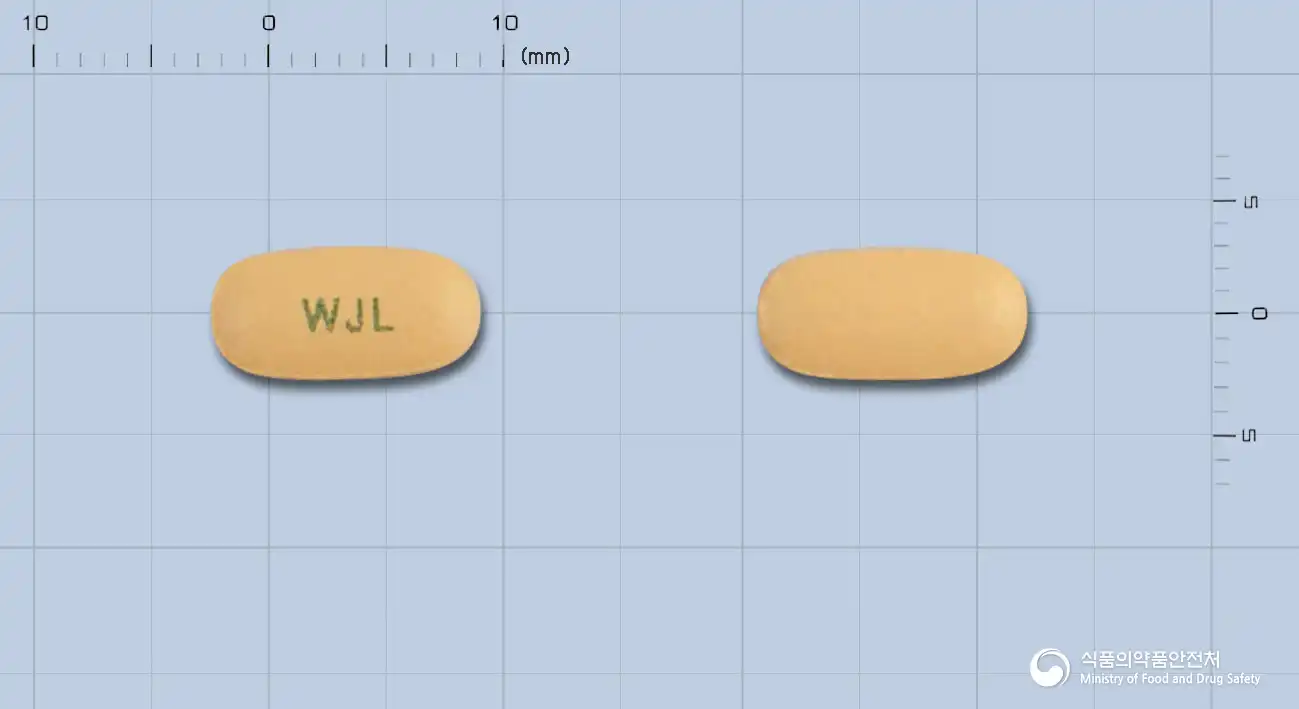
Risedronate Sodium 2.5 Hydrate 40.17mg
Tablet · Prescription medication
Austin Pharmaceutical Co., Ltd.
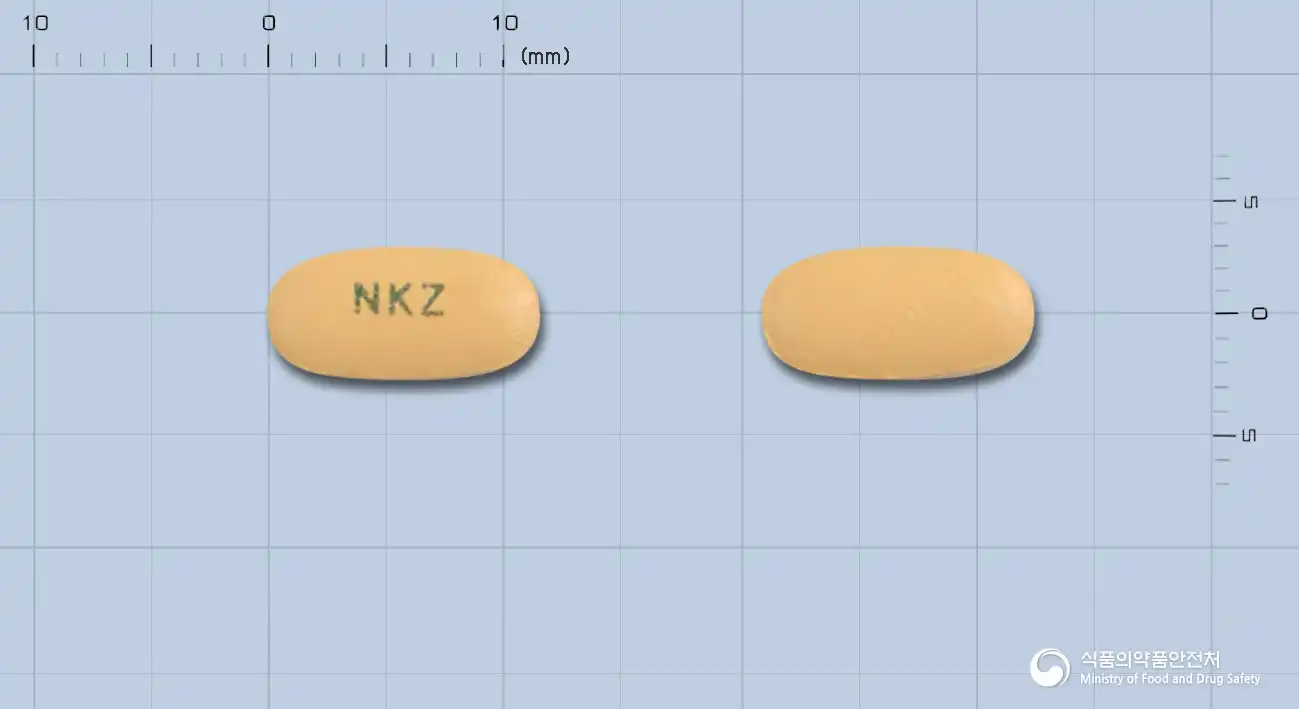
Risedronate Sodium 2.5 Hydrate 40.17mg
Tablet · Prescription medication
Nexpam Korea Co., Ltd.
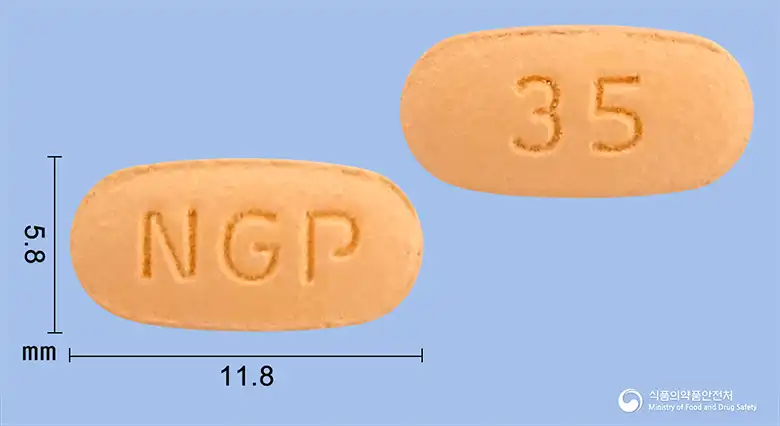
Risedronate Sodium 2.5 Hydrate 40.2mg
Tablet · Prescription medication
Celix Co., Ltd.
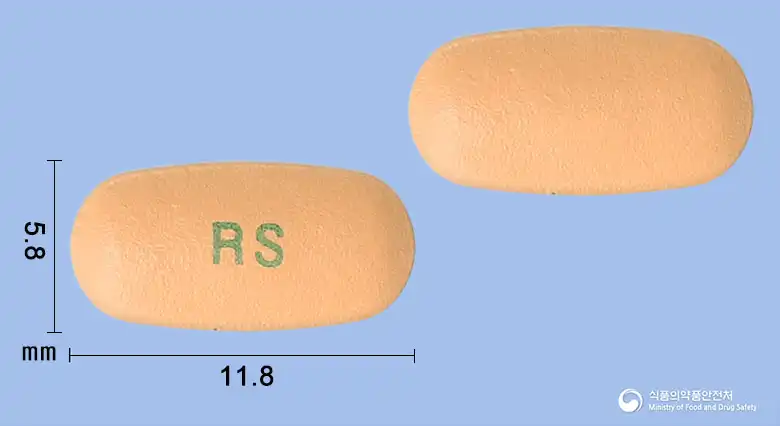
Risedronate Sodium 2.5 Hydrate 40.17mg
Tablet · Prescription medication
Myeongmun Pharmaceutical Co., Ltd.
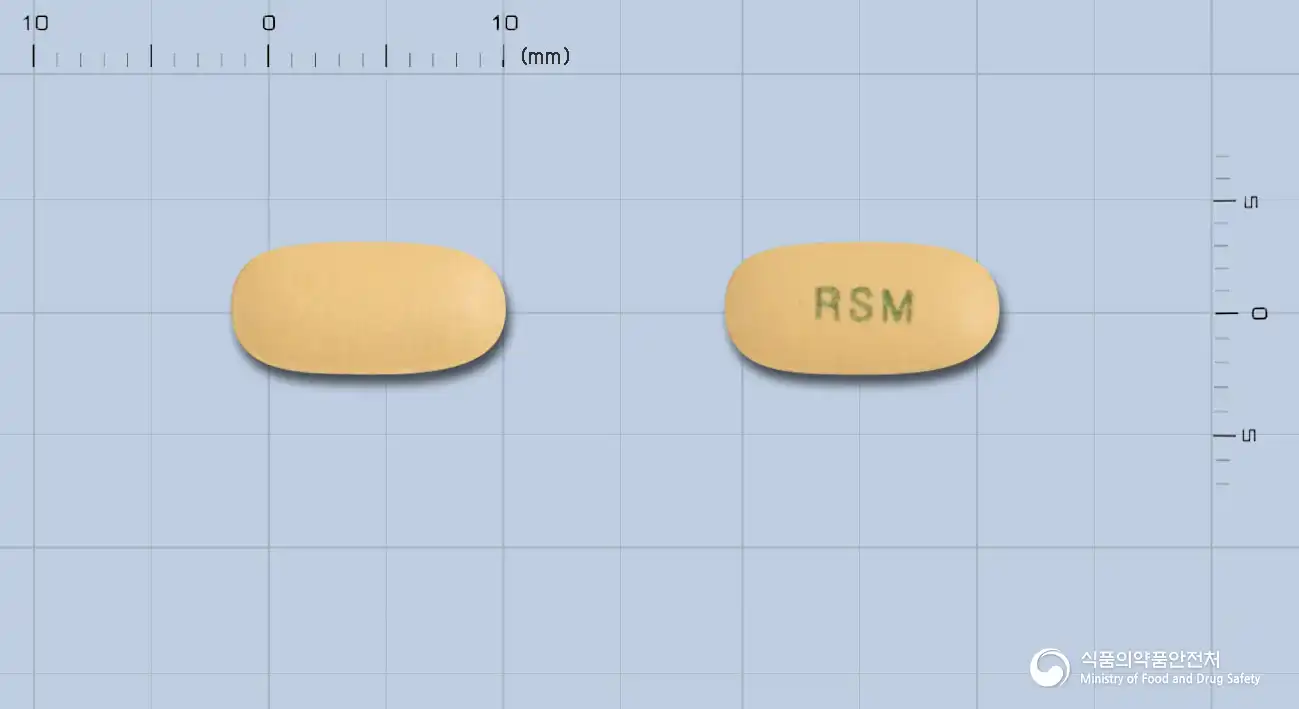
Risedronate Sodium 2.5 Hydrate 40.17mg
Tablet · Prescription medication
Korea United Pharmaceutical Co., Ltd.
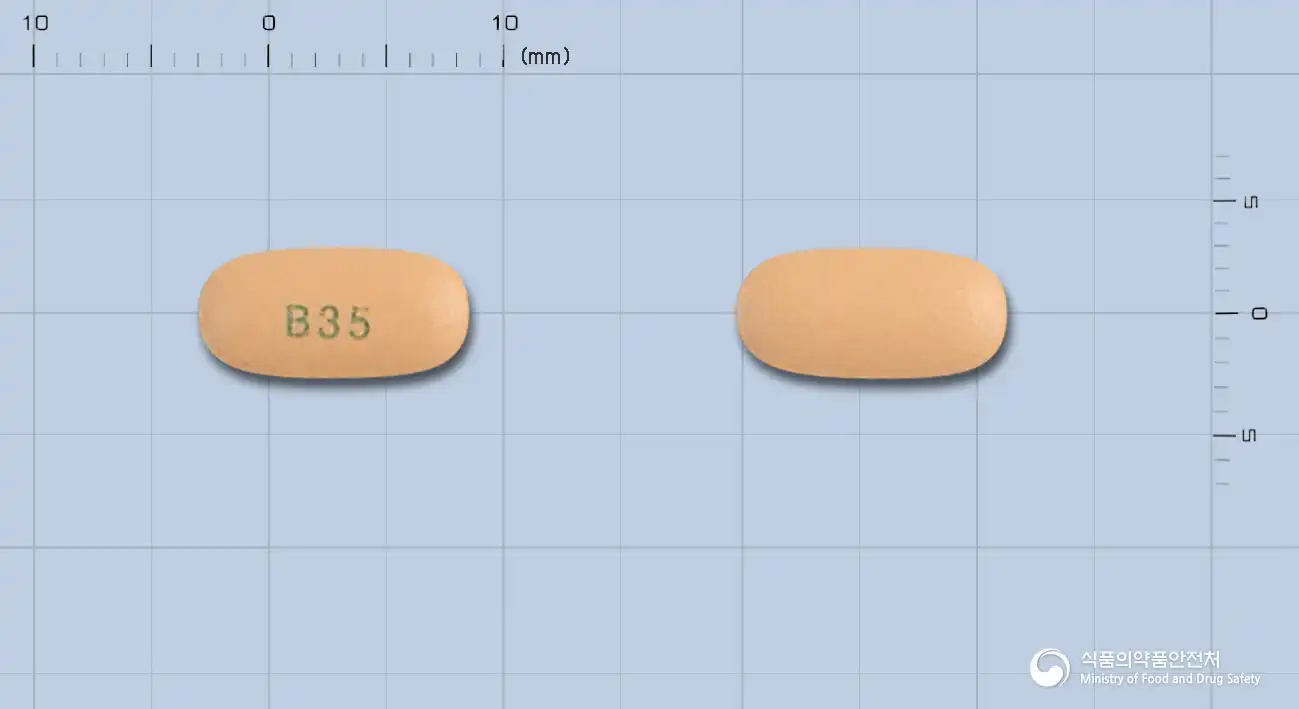
Risedronate Sodium 2.5 Hydrate 40.17mg
Tablet · Prescription medication
Shinpoong Pharmaceutical Co., Ltd.
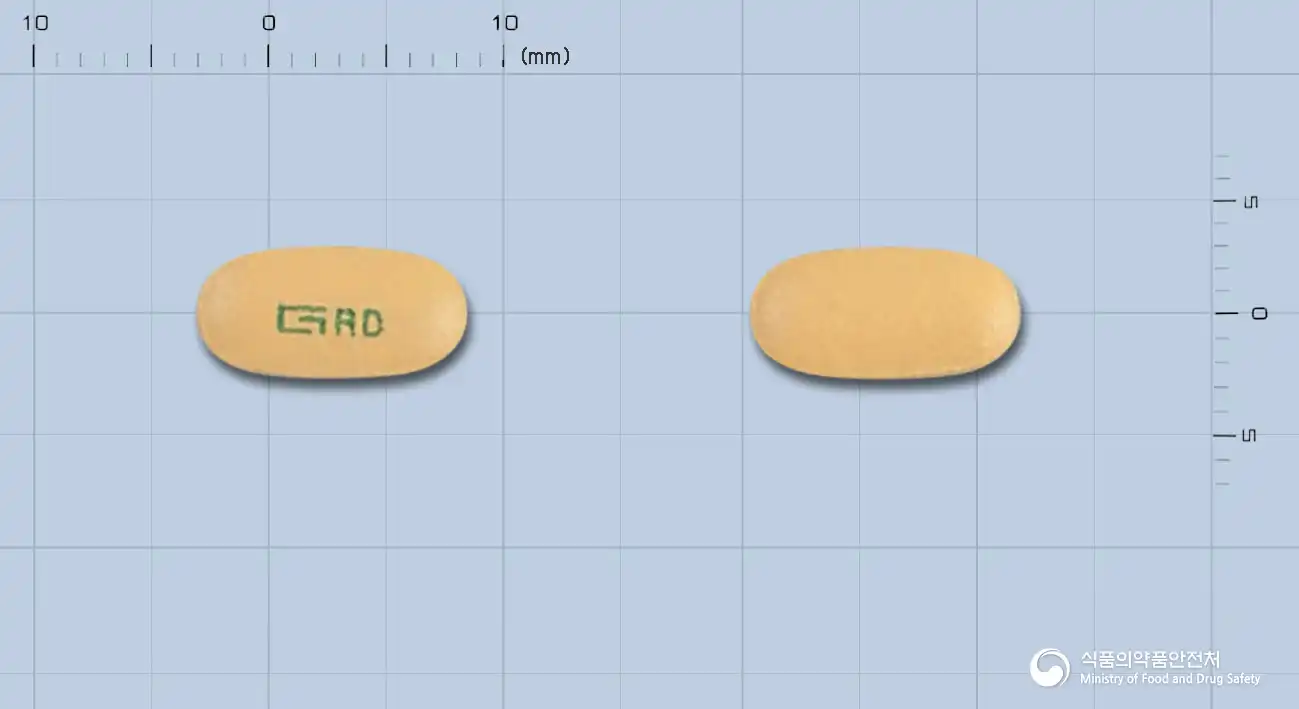
Risedronate Sodium 2.5 Hydrate 40.17mg
Tablet · Prescription medication
Dongkwang Pharmaceutical Co., Ltd.
Even with the same ingredient, the dose and directions can differ by strength and dosage form. Talk to a doctor or pharmacist before switching from a medication you are already taking.
No questions yet.
For anything that needs medical judgment, consult a doctor or pharmacist.
This drug information is based on data provided by the Korea Ministry of Food and Drug Safety.
Consult a doctor or pharmacist for accurate dosage, administration, and usage instructions.