
 한국어
한국어 English
 日本語
日本語 中文(简体)
 Viewing now
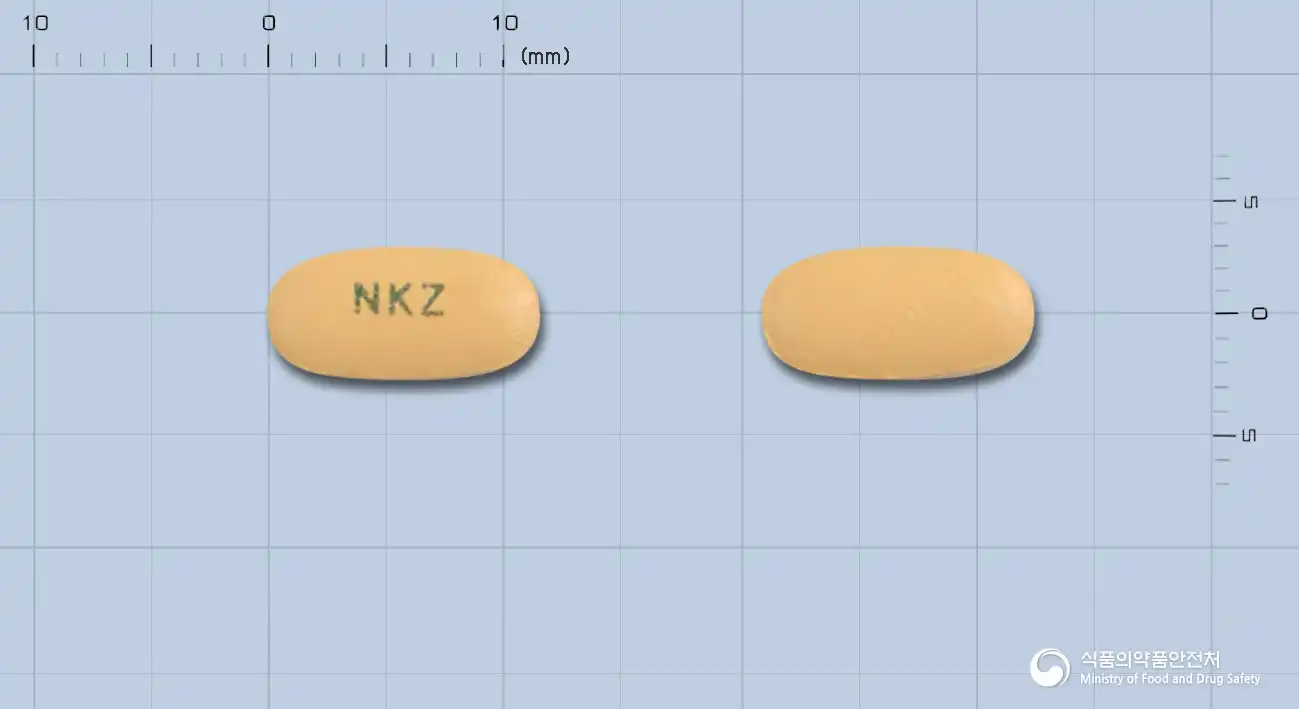
Risedronate Sodium 35 mg (Risedronate Sodium 2.5 Hydrate)
Risedronate Sodium 2.5 Hydrate 40.17mg
Tablet · Prescription medication
Nexpam Korea Co., Ltd.
MFDS item code 200713889 · Notified 2007.12.31 · Insurance code 662502120
Treatment and prevention of osteoporosis in postmenopausal women and men
This medication is used for the treatment and prevention of osteoporosis in postmenopausal women and for the treatment of osteoporosis in men.
Administer 35 mg orally once weekly as risedronate sodium. Because food can interfere with the absorption of this medication, it should be taken at least 30 minutes before breakfast or at least 2 hours before or after food or drink intake at any other time of the day. To help the medication reach the stomach easily and reduce the possibility of esophageal irritation, it should be taken in an upright position with a sufficient amount of plain water (170 - 230 mL). Taking it with other beverages including mineral water may decrease its absorption. This medication should not be chewed or sucked due to the possibility of ulceration of the oropharynx. Patients should also refrain from lying down for at least 30 minutes after taking it. If a patient forgets to take the medication on the scheduled day, they should take it the next morning when they remember. The subsequent doses should be taken on the originally scheduled days. The same day should not have 2 tablets taken.
Safety and efficacy in pediatric patients under 18 years of age have not been established.
This medication may irritate the gastrointestinal mucosa; therefore, caution should be taken in patients with Barrett's esophagus, dysphagia, esophageal diseases, gastritis, duodenitis, or ulcers. It should be taken with sufficient water, and patients should not lie down for at least 30 minutes after taking it. Esophageal adverse reactions such as esophagitis, esophageal ulcers, and esophageal erosions may occur, so if symptoms such as dysphagia, odynophagia, pain behind the sternum, or heartburn occur, the medication should be stopped immediately, and a doctor should be consulted. This medication should not be administered to patients with specific esophageal abnormalities, hypocalcemia, pregnant or breastfeeding women, or those with severe renal impairment. It is important to ensure sufficient calcium and vitamin D supplementation, and caution is needed as absorption may be hindered when taken with medications or foods containing calcium, magnesium, iron, etc. Rare serious side effects such as osteonecrosis of the jaw, atypical femoral fractures, and osteonecrosis of the external auditory canal may occur with long-term use; any unusual symptoms should be reported to healthcare professionals immediately. Before administration, metabolic issues related to bones and minerals like hypocalcemia or parathyroid dysfunction and vitamin D deficiency must be treated. This medication should not be chewed or sucked and should not be taken before bed or upon waking. Pregnant or breastfeeding women should not take this medication, and its safety in children has not been established. Symptoms of hypocalcemia may appear in case of overdose, so immediate medical attention should be sought. This medication should be stored out of the reach of children and should not be transferred to other containers.
Hives, severe swelling (edema), chest tightness, difficulty breathing, cold sweat, pallor, esophagitis complicated by bleeding, esophageal ulcers, esophageal erosion, esophageal obstruction, esophageal perforation, severe skin reactions (with high fever, severe rash, blisters, skin peeling, pain in mucous membranes of the mouth/eyes), breathing problems (shortness of breath or difficulty breathing, asthma attack, respiratory problems accompanied by cough and fever), liver abnormalities (yellowing of the skin or eyes (jaundice))
Not everyone experiences these, and they can vary from person to person.
This medication should be stored in a tightly closed container to prevent air and moisture intrusion, and it is safe to store at room temperature between 1 to 30 degrees Celsius. Storing it this way helps maintain the medication's effectiveness and prevents degradation.
Light orange, rectangular film-coated tablet
4 tablets/PTP
Even with the same ingredient, strength, dosage form and how it is taken can differ.
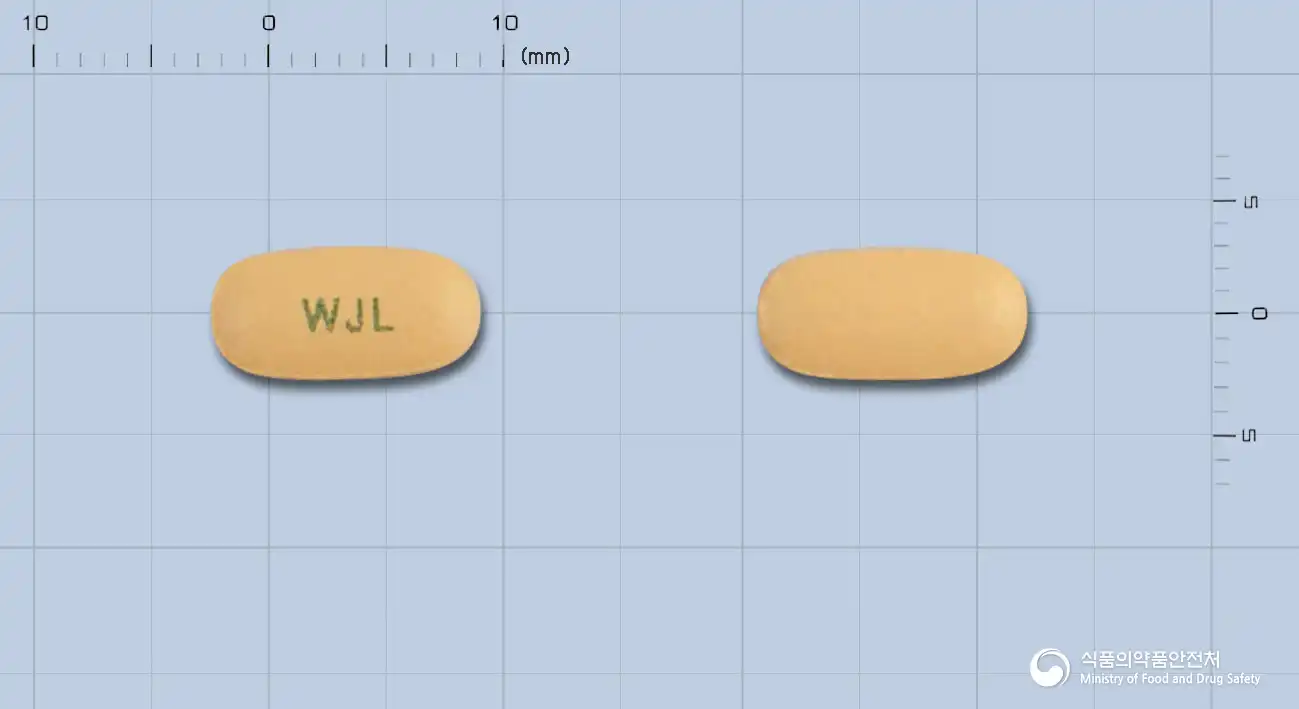
Viewing nowRisedronate Sodium 2.5 Hydrate 40.17mg
Tablet · Prescription medication
Nexpam Korea Co., Ltd.
Risedronate Sodium 2.5 Hydrate 40.17mg
Tablet · Prescription medication
Austin Pharmaceutical Co., Ltd.
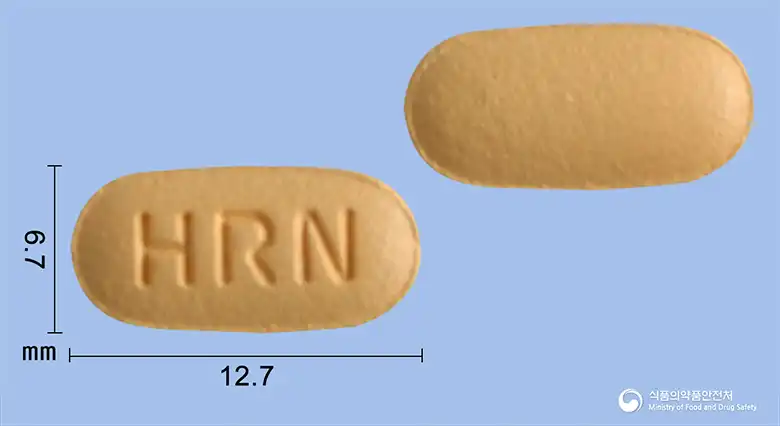
Risedronate Sodium 2.5 Hydrate 35mg
Tablet · Prescription medication
Hyutecs Pharmaceutical Co., Ltd.
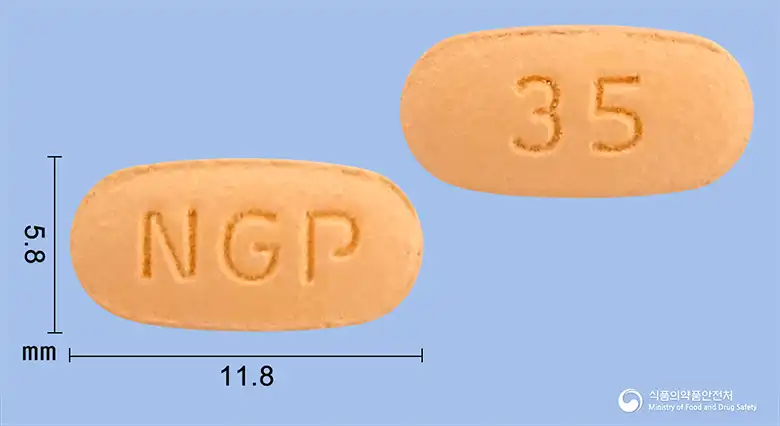
Risedronate Sodium 2.5 Hydrate 40.2mg
Tablet · Prescription medication
Celix Co., Ltd.
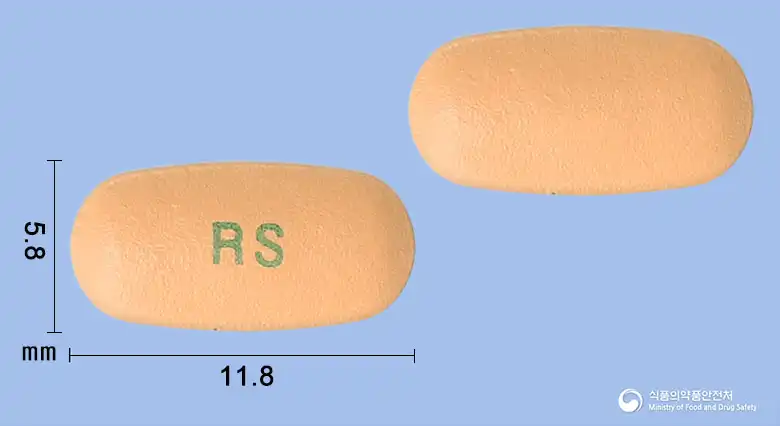
Risedronate Sodium 2.5 Hydrate 40.17mg
Tablet · Prescription medication
Myeongmun Pharmaceutical Co., Ltd.
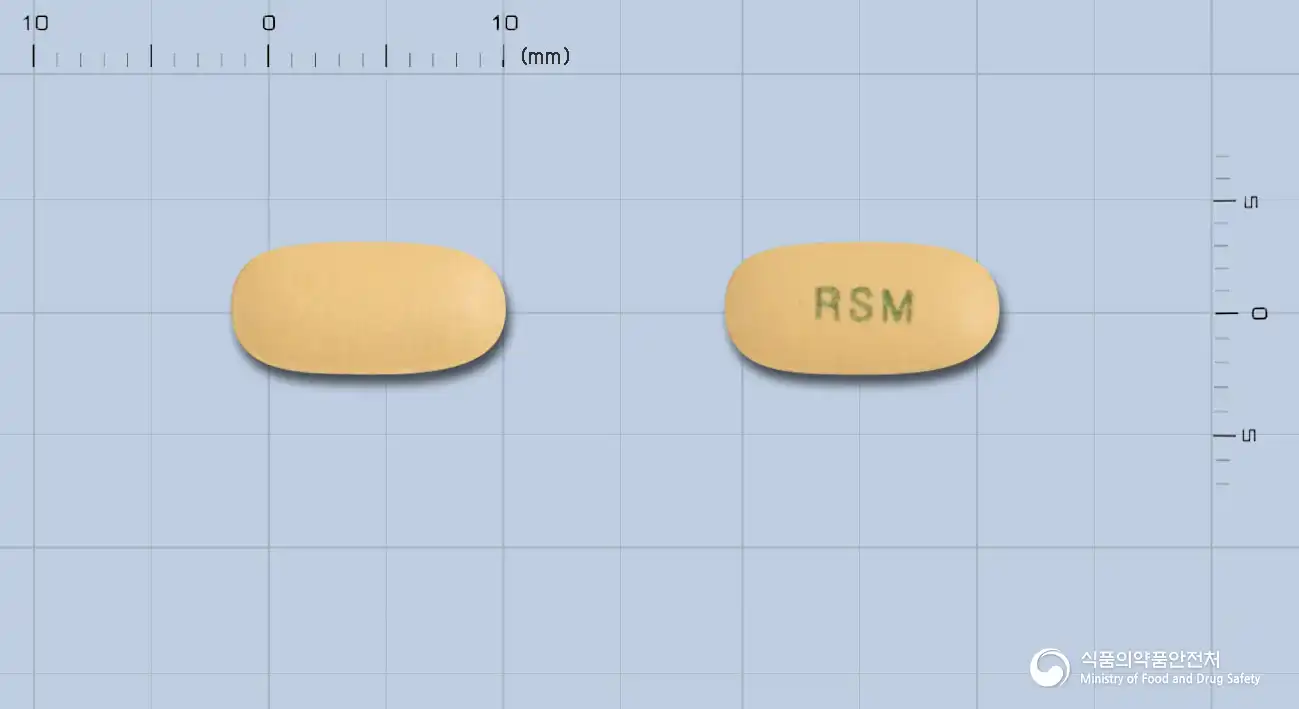
Risedronate Sodium 2.5 Hydrate 40.17mg
Tablet · Prescription medication
Korea United Pharmaceutical Co., Ltd.
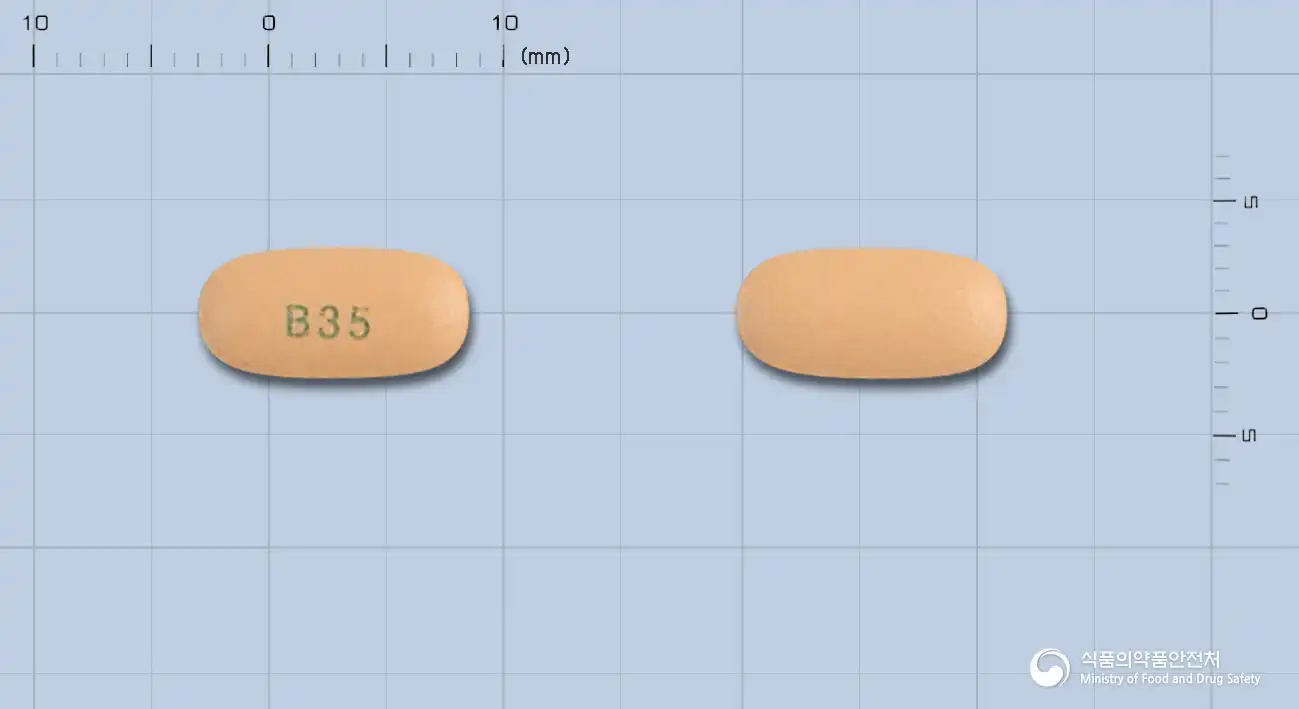
Risedronate Sodium 2.5 Hydrate 40.17mg
Tablet · Prescription medication
Shinpoong Pharmaceutical Co., Ltd.
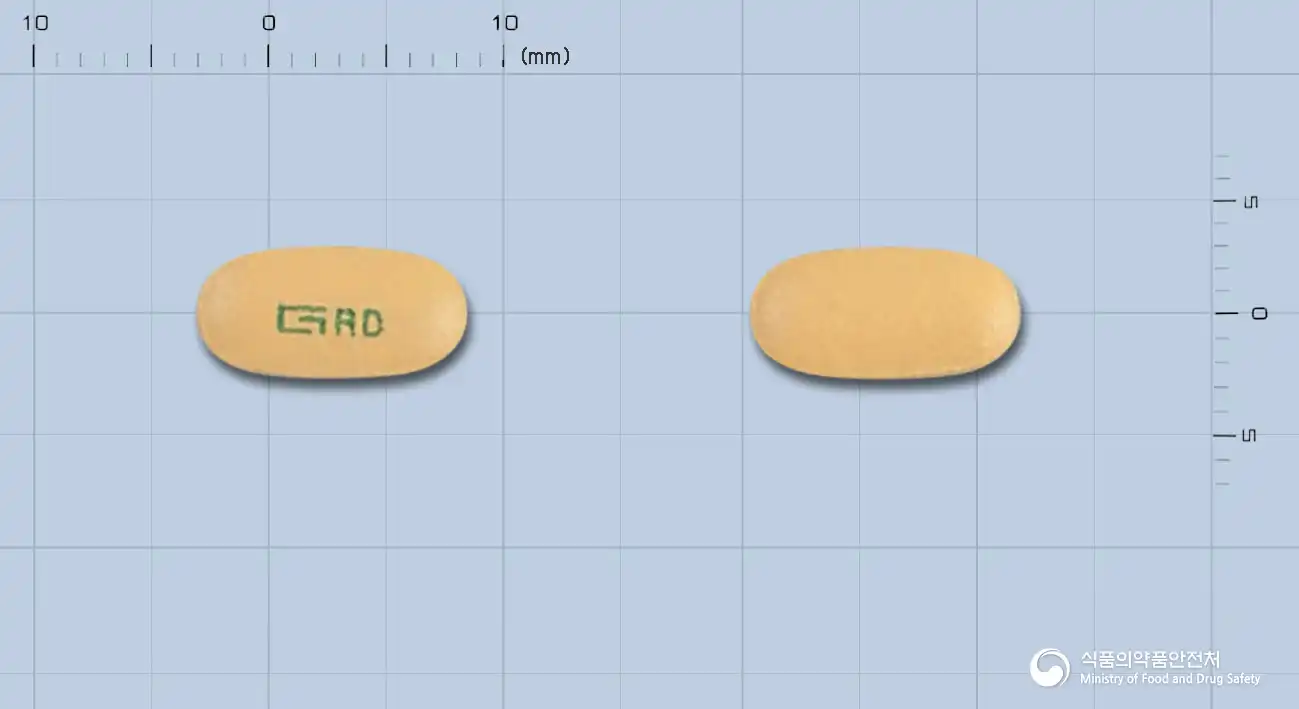
Risedronate Sodium 2.5 Hydrate 40.17mg
Tablet · Prescription medication
Dongkwang Pharmaceutical Co., Ltd.
Even with the same ingredient, the dose and directions can differ by strength and dosage form. Talk to a doctor or pharmacist before switching from a medication you are already taking.
No questions yet.
For anything that needs medical judgment, consult a doctor or pharmacist.
This drug information is based on data provided by the Korea Ministry of Food and Drug Safety.
Consult a doctor or pharmacist for accurate dosage, administration, and usage instructions.