
 한국어
 English
 日本語
 中文(简体)
Summary
- Main use
- Relief of symptoms of atherosclerosis and acute coronary syndrome; reduction of thrombotic risk in atrial fibrillation
- Who takes it
- Adults
- Adult dose
- ○ Adults 1. In patients with ischemic stroke, myocardial infarction, or peripheral arterial disease, administer clopidogrel 75 mg orally once daily. 2. In patients with acute coronary syndrome (unstable angina or non-Q-wave myocardial infarction), start treatment on the first day with a loading dose of 300 mg of this medicine once daily, followed by a maintenance dose of 75 mg orally once daily. Aspirin 75 ~ 325 mg should be administered concomitantly with this medicine once daily. 3. In patients with atrial fibrillation, administer 75 mg of this medicine orally once daily. Aspirin 75 ~ 100 mg should be administered concomitantly with this medicine once daily. ○ Patients with renal impairment : Treatment experience in patients with renal impairment is limited. ○ Patients with hepatic impairment : Treatment experience in patients with moderate liver disease and a bleeding diathesis is limited. This medicine may be administered with or without food.
Ingredients
- Manufacturer
- Hanmi Pharmaceutical Co., Ltd.
Efficacy & effects
Relief of symptoms of atherosclerosis and acute coronary syndrome; reduction of thrombotic risk in atrial fibrillation
- Ischemic stroke
- myocardial infarction
- peripheral arterial disease
- acute coronary syndrome
- unstable angina
- non-Q wave myocardial infarction
- cardiovascular abnormalities
- stroke
- refractory ischemia
- vascular risk factors
- atrial fibrillation
View approved original textHide original text
This medication is used to improve symptoms in adult patients with atherosclerotic diseases such as ischemic stroke, myocardial infarction, and peripheral arterial disease. It also alleviates symptoms by reducing the risk of cardiovascular death, myocardial infarction, and stroke in patients with acute coronary syndrome who have unstable angina or non-Q wave myocardial infarction and who are undergoing drug therapy, coronary intervention, or coronary artery bypass surgery. Furthermore, it is effective in reducing the risk of stroke and thromboembolism in patients with atrial fibrillation who have vascular risk factors and for whom vitamin K antagonists are not appropriate for thrombus prevention. It is used to improve various thrombotic and vascular problems associated with cardiovascular diseases.
How to take
Adult dose
○ Adults 1. In patients with ischemic stroke, myocardial infarction, or peripheral arterial disease, administer clopidogrel 75 mg orally once daily. 2. In patients with acute coronary syndrome (unstable angina or non-Q-wave myocardial infarction), start treatment on the first day with a loading dose of 300 mg of this medicine once daily, followed by a maintenance dose of 75 mg orally once daily. Aspirin 75 ~ 325 mg should be administered concomitantly with this medicine once daily. 3. In patients with atrial fibrillation, administer 75 mg of this medicine orally once daily. Aspirin 75 ~ 100 mg should be administered concomitantly with this medicine once daily. ○ Patients with renal impairment : Treatment experience in patients with renal impairment is limited. ○ Patients with hepatic impairment : Treatment experience in patients with moderate liver disease and a bleeding diathesis is limited. This medicine may be administered with or without food.
Precautions
This medication may be less effective in patients with reduced metabolic ability due to certain genetic factors, so alternative treatment options should be considered for these patients. This medication should not be used in patients with allergy to this drug or its ingredients, patients with bleeding, patients with severe liver impairment, nursing mothers, and patients allergic to soybean oil, soy, and peanuts. Caution should be exercised in patients at risk for bleeding, and any onset of bleeding symptoms should be reported to medical personnel immediately. Patients scheduled for surgery should discontinue this medication 5-7 days prior to the procedure and can resume it after hemostasis is achieved. Caution is advised when used with other antiplatelet agents, non-steroidal anti-inflammatory drugs, or heparin due to an increased risk of bleeding. Regular monitoring for bleeding or abnormal blood reactions through blood tests is important with this medication. Unless there are special reasons, this medication should not be taken during pregnancy, and breastfeeding mothers should consider discontinuing breastfeeding or the medication due to the possibility of passing the drug through breast milk. The safety and efficacy in children have not been established, so it is recommended not to use this in pediatric patients. Elderly patients may be at higher risk for adverse effects such as bleeding due to diminished body function, so dosage adjustments and monitoring of their condition are necessary. Patients with impaired renal or liver function should also use this medication with caution, and dosage adjustments may be required. In cases of overdose, there is a risk of bleeding, necessitating immediate treatment which may include platelet transfusion to reverse the medication's effects. This medication should be stored out of reach of children and should not be transferred to other containers for safety. When starting new medications or planning surgeries while taking this medication, it is essential to inform the medical personnel of the use of this medication. Symptoms such as bleeding, rash, dyspepsia, headache, dizziness, abdominal pain, nausea, hypercholesterolemia, arthralgia, back pain, petechiae/contusion, epistaxis, depression, upper respiratory infections, dyspnea, rhinitis, bronchitis, cough, rash, pruritus, urinary tract infections, syncope, palpitations, asthenia, fever, hernia, heart failure, atrial fibrillation, leg cramps, and sensory loss may occur; any unusual symptoms should be reported to medical personnel immediately.
Side effects
- Hemorrhage
- gastrointestinal bleeding
- bleeding requiring hospitalization
- purpura
- contusion
- hematoma
- epistaxis
- hematuria
- intraocular hemorrhage
- intracranial hemorrhage
Show 109 moreCollapse
- significant hemorrhage
- life-threatening hemorrhage
- fatal hemorrhage
- hemorrhagic stroke
- transfusion required
- thrombocytopenia
- neutropenia
- agranulocytosis
- aplastic anemia
- abdominal pain
- dyspepsia
- diarrhea
- rash
- pruritus
- headache
- dizziness
- chest pain
- accidental injury
- influenza-like illness
- pain
- fatigue
- edema
- hypertension
- depression
- upper respiratory tract infection
- dyspnea
- rhinitis
- bronchitis
- cough
- urinary tract infection
- syncope
- palpitations
- asthenia
- fever
- hernia
- heart failure
- atrial fibrillation
- leg cramps
- sensory neuropathy
- neuralgia
- paresthesia
- vertigo
- constipation
- nausea
- increased liver enzymes
- gout
- hyperuricemia
- non-protein nitrogen elevation
- arthritis
- arthropathy
- anxiety
- insomnia
- anemia
- bloody stools
- hematoma
- decreased platelets
- pneumonia
- sinusitis
- eczema
- skin ulcer
- cystitis
- cataract
- conjunctivitis
- allergic symptoms
- ischemic necrosis
- gastritis
- hemorrhagic gastroenteritis
- duodenal ulcer
- gastric ulcer
- perforated gastric ulcer
- upper gastrointestinal ulcer bleeding
- distension
- hyperbilirubinemia
- infectious hepatitis
- fatty liver
- hemorrhagic arthropathy
- hematuria
- hemoptysis
- retroperitoneal hemorrhage
- surgical site bleeding
- pulmonary hemorrhage
- purpura
- serum sickness
- confusion
- hallucinations
- taste disturbance
- vasculitis
- hypotension
- bronchospasm
- interstitial pneumonia
- colitis
- pancreatitis
- stomatitis
- hepatitis
- acute liver failure
- petechial rash
- urticaria
- itching
- angioedema
- vesicular dermatitis
- lichen planus
- myalgia
- glomerulonephritis
- fever
- abnormal liver function tests
- increased blood creatinine
- cholecystitis
- hematemesis
- spinal hematoma
Not everyone experiences these, and they can vary from person to person.
Storage
This medication should be stored in a tightly closed container to prevent exposure to air or moisture, and it is best kept at a room temperature of 1 to 30 degrees Celsius. Proper storage will help maintain the medication's effectiveness for a longer period.
Appearance and packaging
Appearance
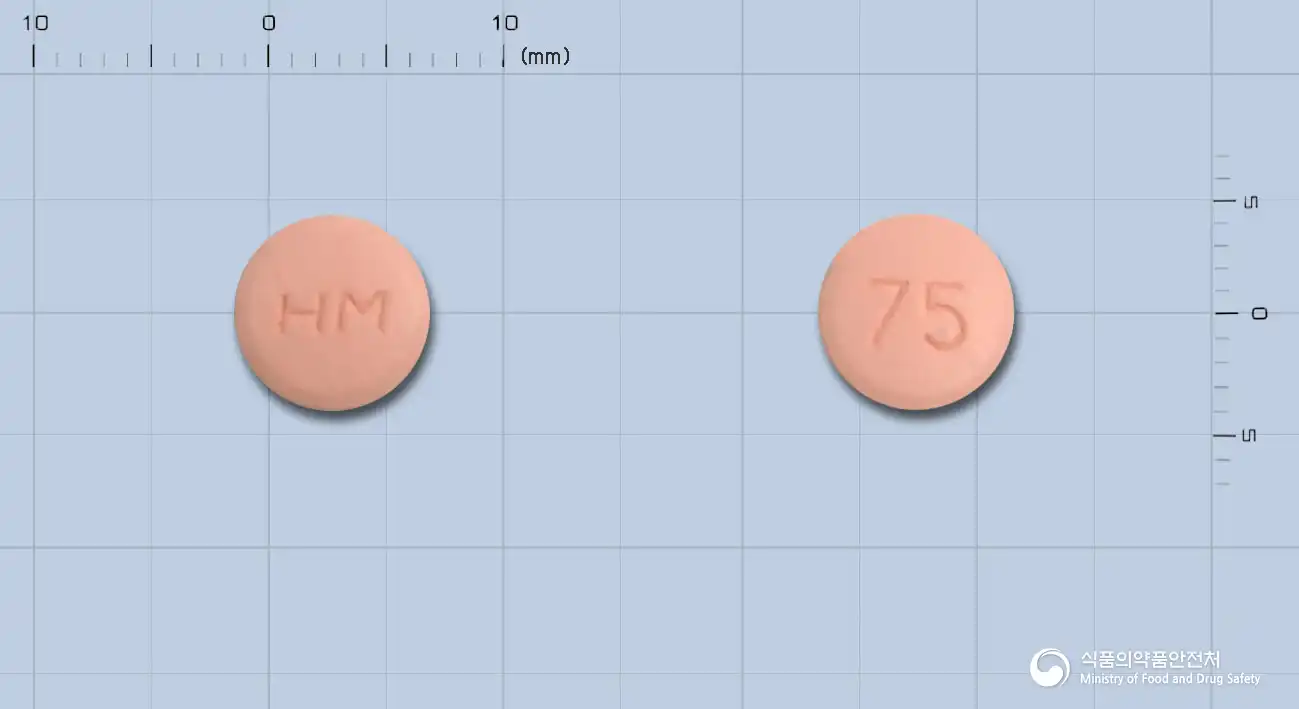
Pink round film-coated tablets
Package unit
30 tablets/bottle, 100 tablets/bottle
Questions about this medicine
No questions yet.
For anything that needs medical judgment, consult a doctor or pharmacist.