
 한국어
한국어 English
 日本語
日本語 中文(简体)
Dosage form image
Viewing nowUrsa Capsule 250 mg (Ursodeoxycholic Acid)
Ursodeoxycholic Acid 250mg
Hard capsule · Prescription medication
Daewoong Pharmaceutical Co., Ltd.
MFDS item code 200712499 · Notified 2007.11.15 · Insurance code 641602680
Prevention of cholesterol gallstones
Cholesterol gallstone disease is a condition where cholesterol accumulates excessively in the gallbladder, forming stones. This condition can mainly lead to abdominal pain or indigestion. Patients may require dietary control and pharmacological treatment for gallbladder health. The medication helps to lower the concentration of cholesterol in bile, thereby preventing or treating the formation of gallstones. The medicines used for the treatment of cholesterol gallstones are effective in improving gallbladder function and relieving pain. This medication is used for the treatment of cholesterol gallstones.
Take 250 mg of ursodeoxycholic acid at a time, 3 times a day. Adjust dosage appropriately according to age and symptoms.
This medication should not be taken by individuals allergic to specific components. Patients with severe biliary obstruction should avoid using this medication as it may affect bile flow and worsen symptoms. Patients with acute hepatitis should not take this medication as it may put a strain on liver function. Patients with radiolucent calcified gallstones, non-functioning gallbladders, or acute cholecystitis should also avoid this medication. Women who are pregnant, may become pregnant, breastfeeding women, and children should not take this medication. Patients with kidney disease, acute gastric or duodenal ulcers, and patients with inflammatory bowel diseases such as Crohn's disease should also avoid this medication. During the use of this medication, it is important not to take it together with medications like oral hypoglycemics, certain lipid-lowering agents, and specific antacids. Additionally, it should be avoided in conjunction with medications that could cause liver damage. Patients with severe pancreatic disease or gallstones in the bile ducts should consult with a doctor or pharmacist before taking this medication. While taking this medication, gastrointestinal symptoms such as diarrhea, nausea, vomiting, or abdominal pain may occur, and allergic reactions like itching or rash may also arise. If symptoms such as fever, cough, or difficulty breathing appear, stop taking the medication immediately and consult a professional. Regular liver function tests should be conducted during treatment, and elderly patients may require dosage adjustments considering decreased body function. Gallstone treatment can take a long time, so periodic imaging tests every six months to check on treatment progress is recommended. Finally, this medication should be kept out of the reach of children and stored in its original container to prevent deterioration or misuse.
Fever, cough, difficulty breathing, interstitial pneumonia associated with abnormal chest X-ray findings
Not everyone experiences these, and they can vary from person to person.
This medication should be stored in a tightly sealed container to prevent air exposure, ideally at a temperature between 1 and 30 degrees Celsius at room temperature. This manner of storage helps maintain the effectiveness and prevent degradation of the medication.
A hard capsule with white granules, dark green on the upper part and light green on the lower part.
30 capsules/box (10 capsules/PTP) × 3, 60 capsules/box (10 capsules/PTP) × 6
Even with the same ingredient, strength, dosage form and how it is taken can differ.
Ursodeoxycholic Acid 250mg
Hard capsule · Prescription medication
Daewoong Pharmaceutical Co., Ltd.
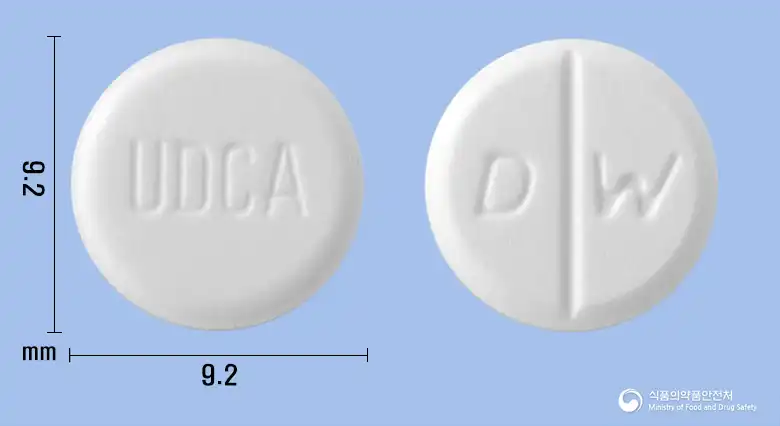
Ursodeoxycholic Acid 100mg
Tablet · OTC medication
DAEWOONG PHARMACEUTICAL CO., LTD.
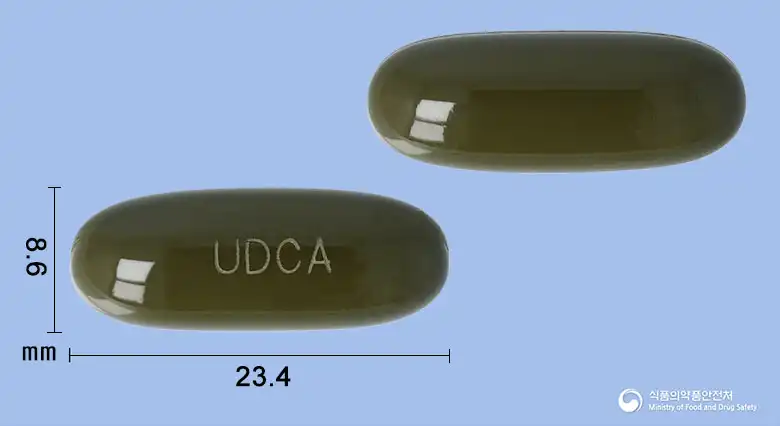
Ursodeoxycholic Acid 100mg
Soft capsule · OTC medication
DAEWOONG PHARMACEUTICAL CO., LTD.
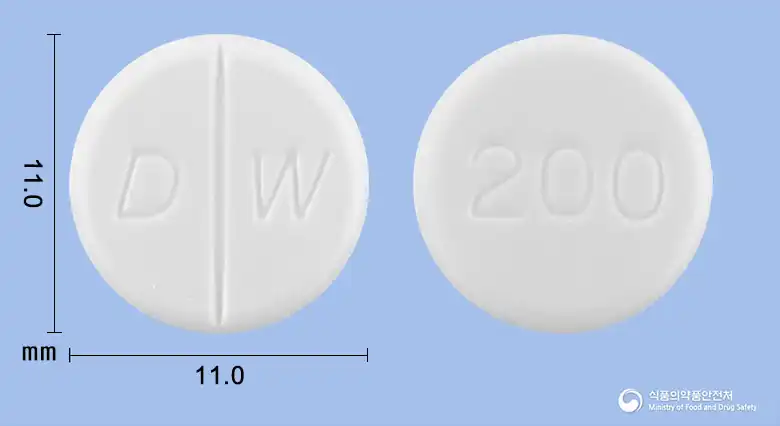
Ursodeoxycholic Acid 200mg
Tablet · Prescription medication
(Daiwoo Pharmaceutical Co., Ltd.)
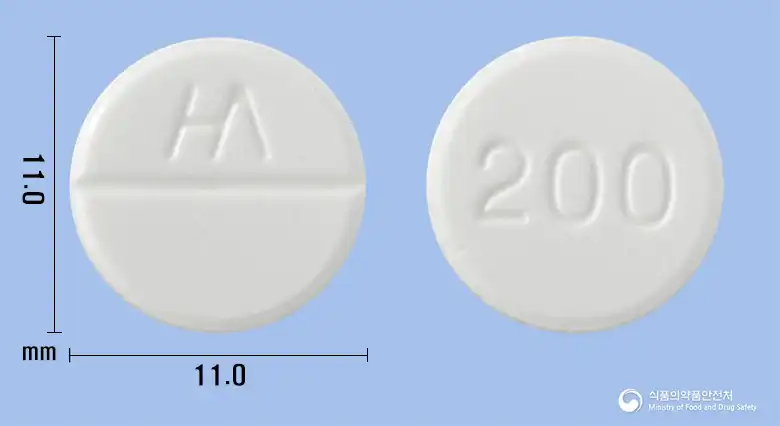
Ursodeoxycholic Acid 200mg
Tablet · Prescription medication
Hanol Biopharma Co., Ltd.
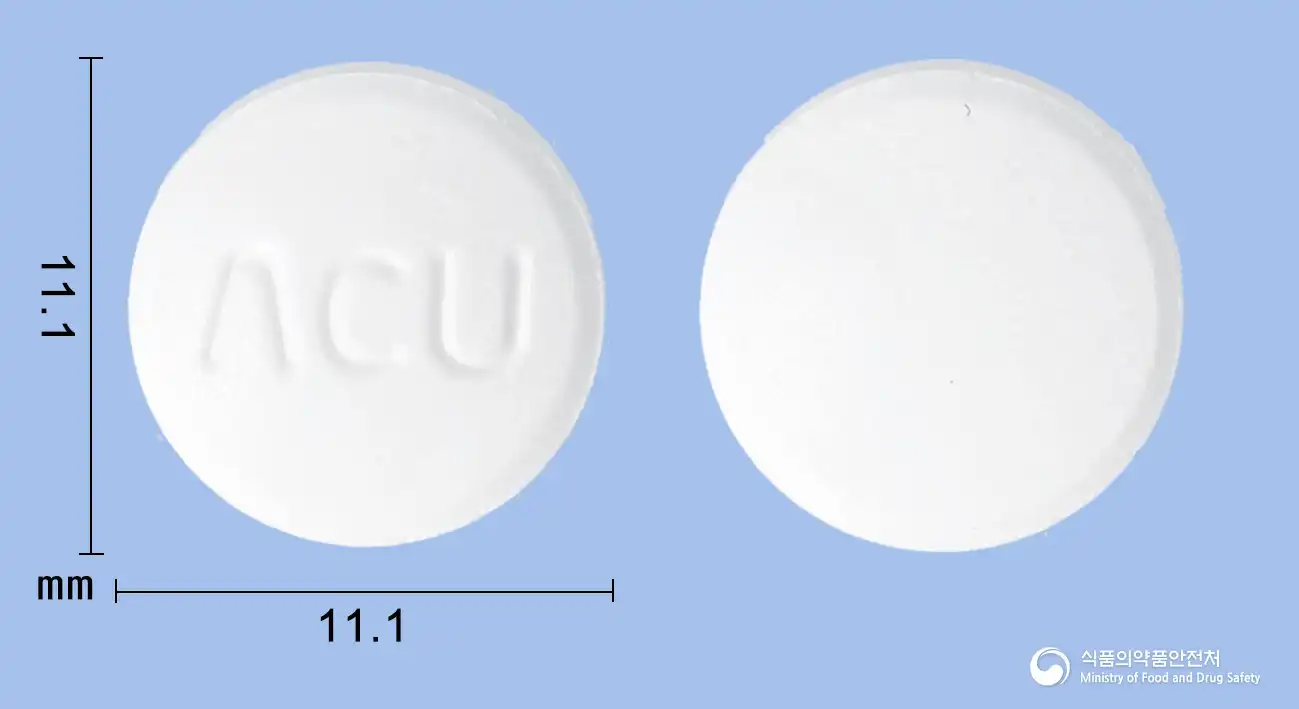
Ursodeoxycholic Acid 300mg
Tablet · Prescription medication
Allico Pharmaceutical Co., Ltd.
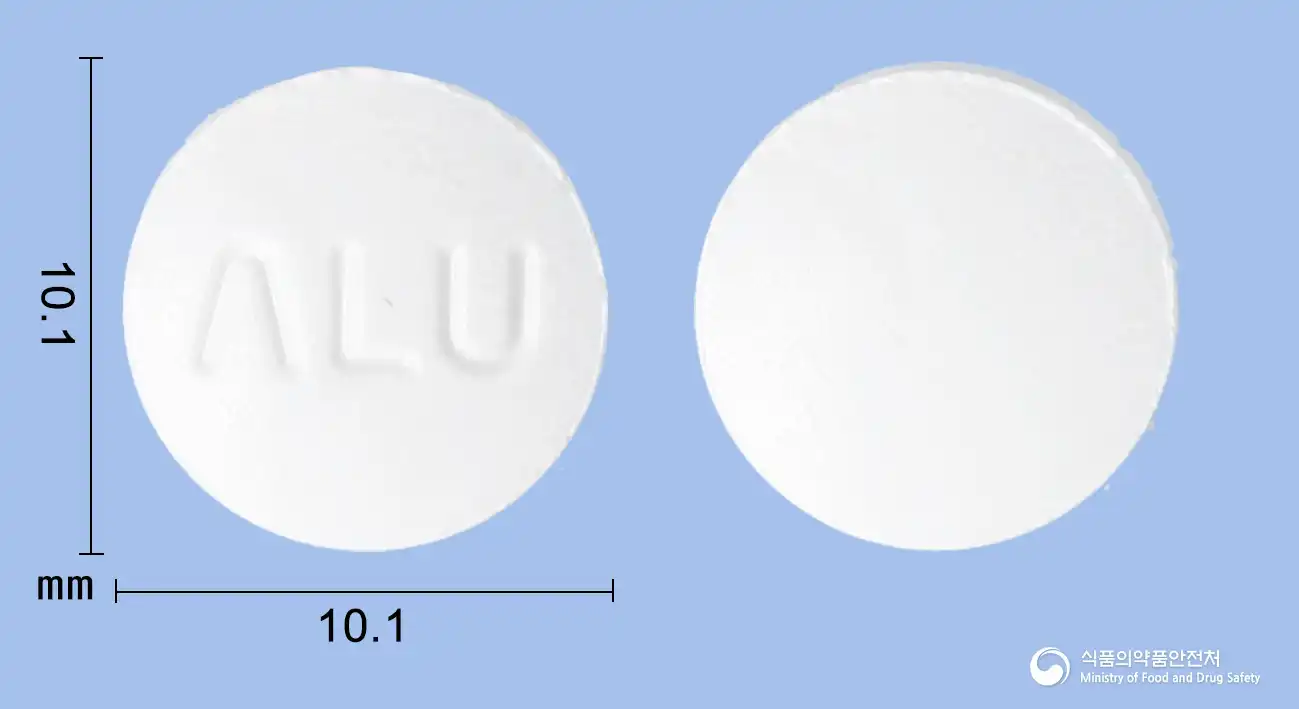
Ursodeoxycholic Acid 200mg
Tablet · Prescription medication
Allico Pharmaceutical Co., Ltd.
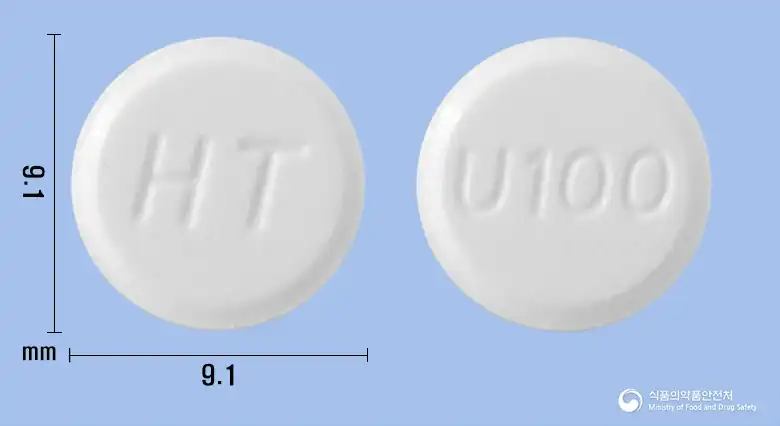
Ursodeoxycholic Acid 100mg
Tablet · OTC medication
Hanmi Pharmaceutical Co., Ltd.
Even with the same ingredient, the dose and directions can differ by strength and dosage form. Talk to a doctor or pharmacist before switching from a medication you are already taking.
No questions yet.
For anything that needs medical judgment, consult a doctor or pharmacist.
This drug information is based on data provided by the Korea Ministry of Food and Drug Safety.
Consult a doctor or pharmacist for accurate dosage, administration, and usage instructions.