
 한국어
한국어 English
 日本語
日本語 中文(简体)
 Viewing now
Maxibufen ER Tablets 300 mg (Dexibuprofen)
Dexibuprofen 300mg
Tablet · OTC medication
Hanmi Pharmaceutical Co., Ltd.
MFDS item code 200710817 · Approved 2007.09.27 · Insurance code 643500810
Relief of arthritis and inflammation such as chronic polyarthritis and rheumatoid arthritis
This medication is used for inflammatory diseases such as chronic polyarthritis, rheumatoid arthritis, osteoarthritis, and ankylosing spondylitis. It also helps alleviate pain, swelling, and inflammation after trauma or surgery. It is effective as an adjunct treatment for inflammation, pain, and fever caused by infections. Overall, it is used to reduce inflammation and pain and improve associated symptoms.
As dexibuprofen, take 600 mg once, 2 times a day. If necessary, it can be taken at 12-hour intervals. However, the total daily dosage should not exceed 1,200 mg.
This medication should be discussed with a doctor or pharmacist for those who regularly consume more than three glasses of alcohol per day, as taking it with alcohol can increase the risk of gastrointestinal bleeding. This drug can increase the risk of cardiovascular issues such as myocardial infarction or stroke in individuals with heart or vascular problems or risk factors. Therefore, such individuals should consult a doctor thoroughly before use and carefully monitor cardiac-related symptoms during use. Additionally, this drug can increase the risk of serious gastrointestinal issues such as ulcers, bleeding, or perforation. Older individuals or those with a history of gastrointestinal diseases should be particularly cautious, and if gastrointestinal discomfort or bleeding is observed, they should immediately stop taking the medication and consult a doctor. Individuals with gastrointestinal ulcers, bleeding, severe liver or kidney disease, severe heart failure, severe hypertension, or a history of asthma should avoid taking this medication. Those allergic to this medication or its ingredients, or those with certain genetic conditions, should also avoid its use. It is recommended not to take this medication concurrently with aspirin or other non-steroidal anti-inflammatory drugs, as this can increase the risk of gastrointestinal bleeding and reduce the effectiveness of the drugs. It should also not be combined with certain high-dose chemotherapy agents. During treatment, breastfeeding is not recommended as the medication can pass into breast milk and cause serious side effects in infants. Dizziness or fatigue may occur, so caution is needed when driving or operating machinery. Individuals with blood disorders, liver or kidney diseases, hypertension, heart failure, elderly persons, and pregnant women should consult a doctor or pharmacist before taking this medication. Regular blood tests and liver and kidney function tests may be necessary with long-term use, and any abnormal symptoms should immediately be reported to a healthcare professional. Serious side effects like skin rashes, difficulty breathing, severe abdominal pain, bleeding symptoms, severe headache, mental symptoms, etc., may occur during therapy. If any of these symptoms are experienced, immediately discontinue use and consult medical staff. This medication should be avoided during pregnancy, especially after the sixth month, as it may be harmful to the fetus. Women planning to become pregnant should consult a healthcare professional before use. In case of overdose, even if no symptoms appear, seek immediate medical attention for appropriate treatment. Finally, this medication should be stored out of reach of children, protected from direct sunlight, and in a cool and dry place.
Hives, severe swelling (edema), chest tightness, difficulty breathing, cold sweat, pallor, gastrointestinal bleeding, ulcers, perforation, bloody stools, Stevens-Johnson syndrome, toxic epidermal necrolysis, blood disorders (aplastic anemia, hemolytic anemia, agranulocytosis, leukopenia, agranulocytosis, pancytopenia, thrombocytopenia, impaired platelet function), anaphylaxis, severe skin reaction (erythema multiforme, systemic lupus erythematosus, mucocutaneous syndrome,
Not everyone experiences these, and they can vary from person to person.
Do not take this medication with aspirin, other non-steroidal anti-inflammatory drugs, or high-dose methotrexate used for chemotherapy. Also, avoid combining with corticosteroids, alcohol, digoxin, phenytoin, probenecid, sulfapyrazone, sulfonylureas, ACE inhibitors, angiotensin II receptor antagonists, diuretics, lithium, coumarin anticoagulants, baclofen, immunosuppressants, thrombolytics, ticlopidine, and antithrombotics.
This medication should be kept in a sealed container to avoid exposure to air or moisture and should be stored at room temperature between 1 and 30 degrees. This storage method helps maintain the medication's effectiveness for a longer period.
White oblong film-coated extended-release tablet
30 tablets/bottle, 300 tablets/bottle
Even with the same ingredient, strength, dosage form and how it is taken can differ.
Viewing nowDexibuprofen 300mg
Tablet · OTC medication
Hanmi Pharmaceutical Co., Ltd.
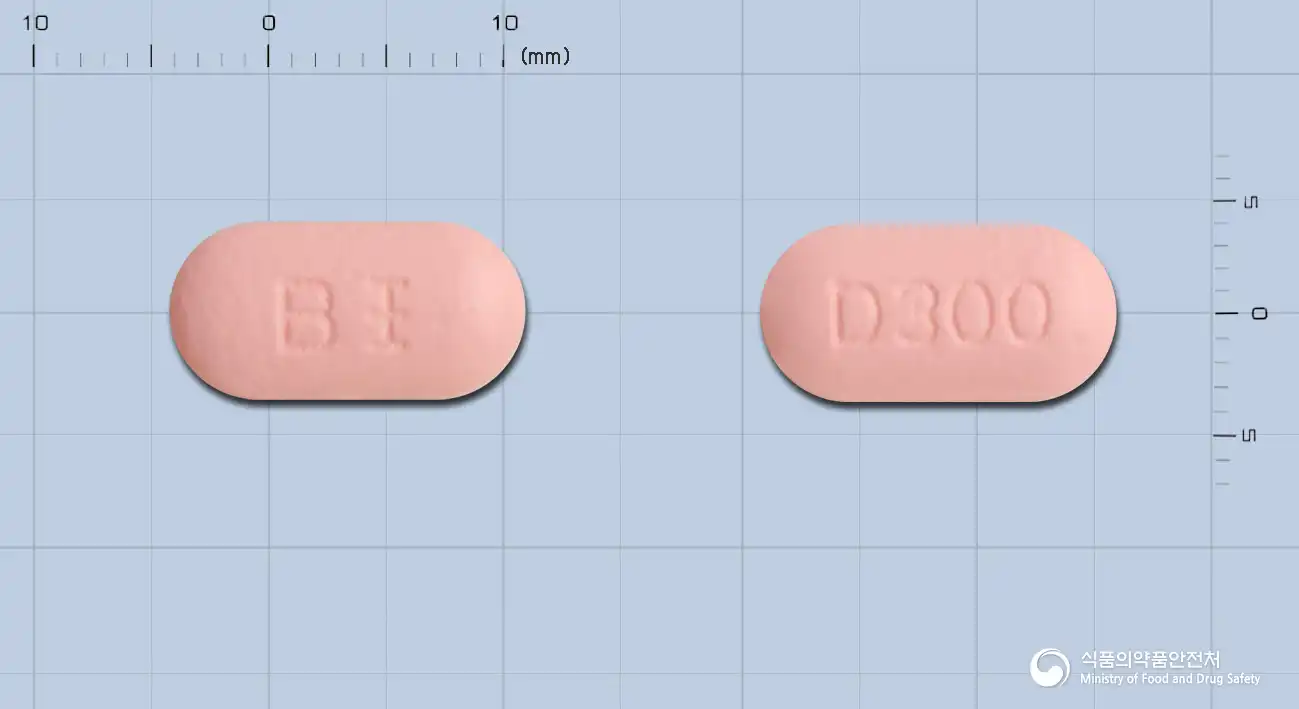
Dexibuprofen 300mg
Tablet · OTC medication
Bionex Co., Ltd.

Dexibuprofen 300mg
Tablet · OTC medication
Anguk Pharmaceutical Co., Ltd.
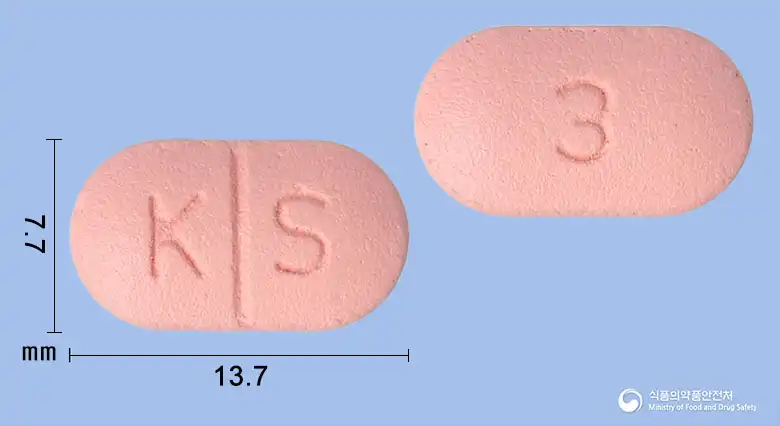
Dexibuprofen 300mg
Tablet · OTC medication
Aprogen Pharmaceuticals, Co., Ltd.
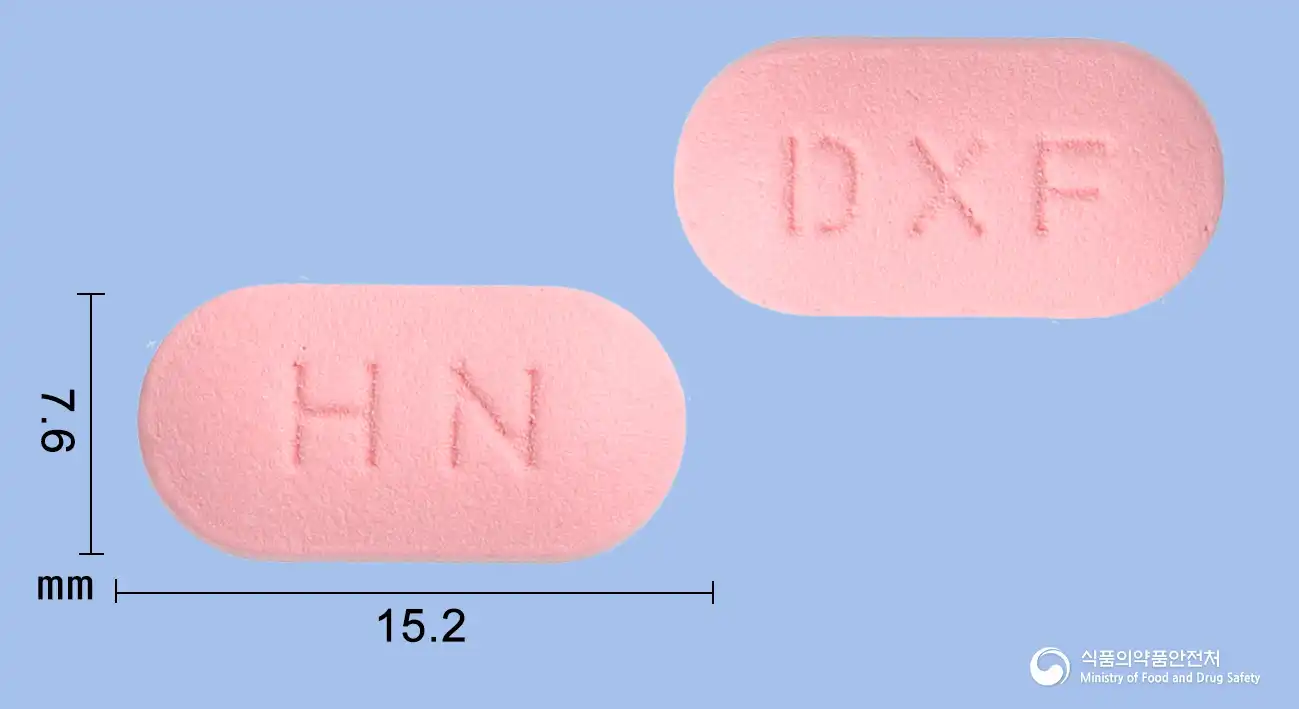
Dexibuprofen 300mg
Tablet · OTC medication
Hana Pharmaceutical Co., Ltd.
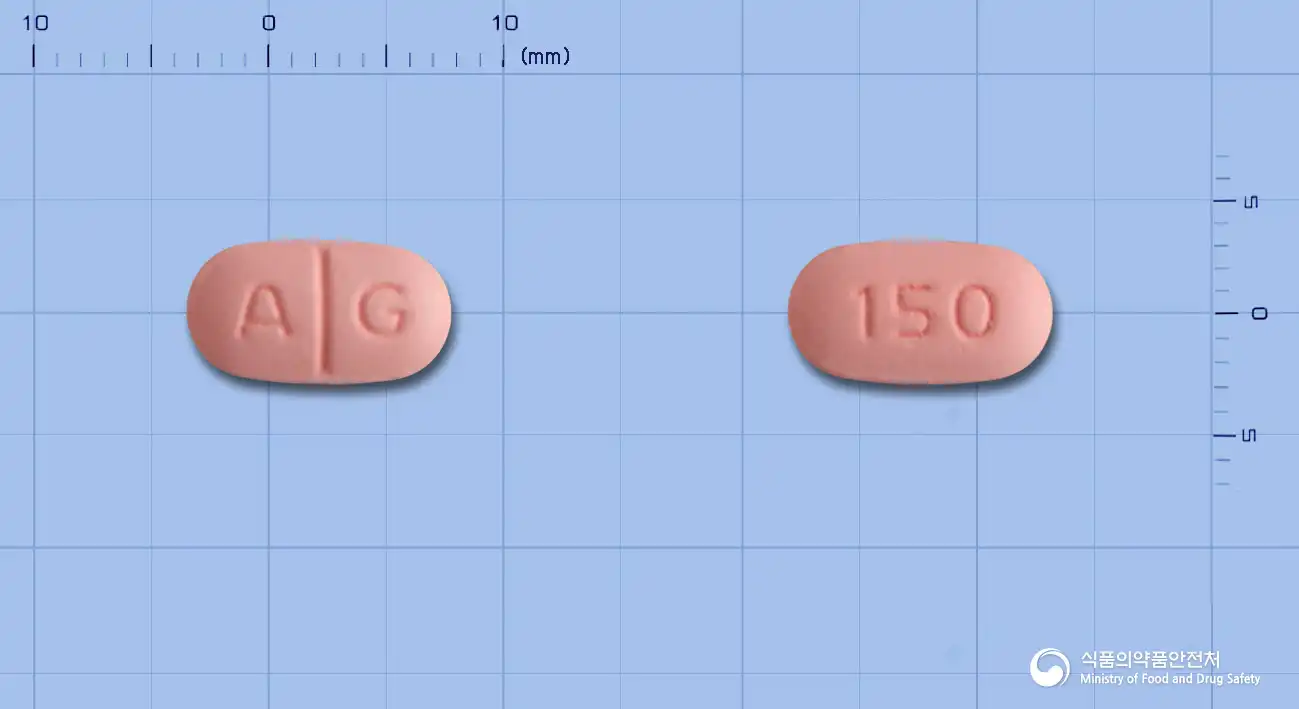
Dexibuprofen 150mg
Tablet · OTC medication
Anguk Pharm Co., Ltd.
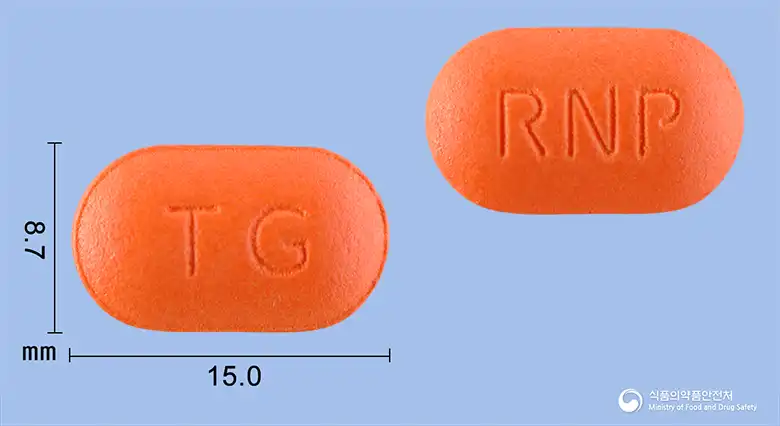
Dexibuprofen 300mg
Tablet · OTC medication
Taeguk Pharmaceutical Co., Ltd.
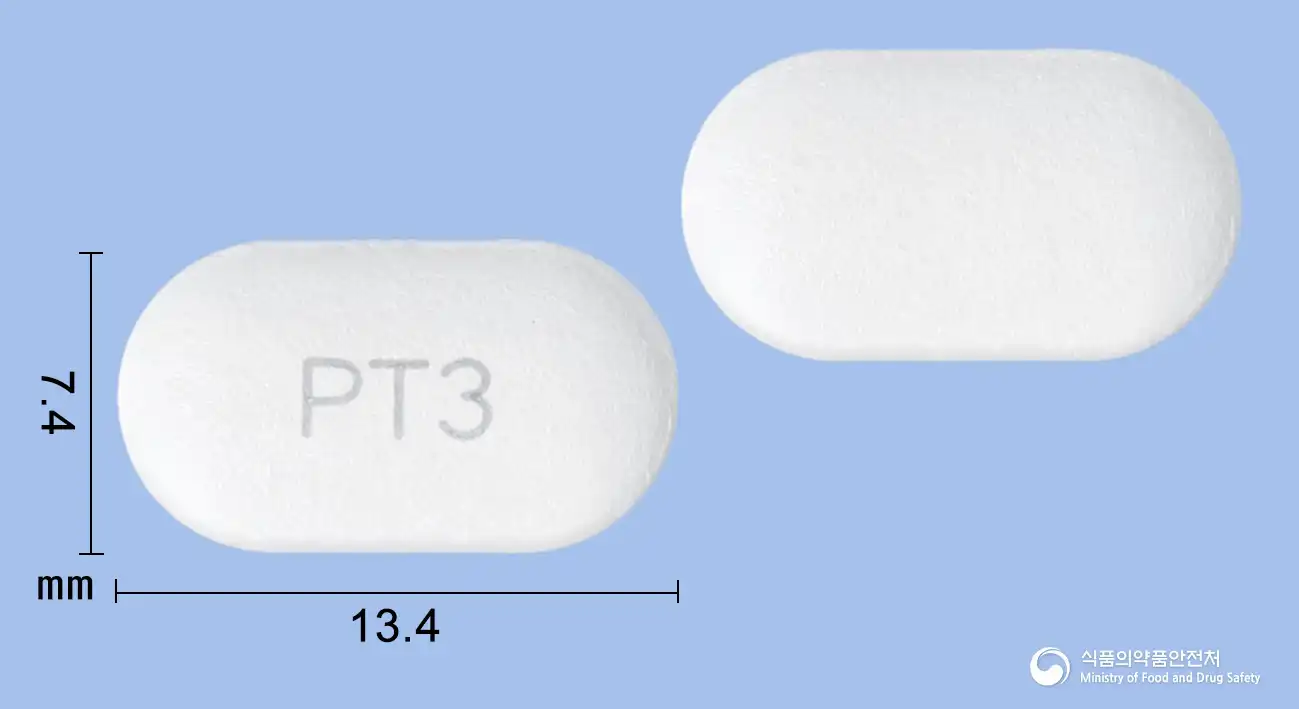
Dexibuprofen 300mg
Tablet · OTC medication
Genupharm Co., Ltd.
Even with the same ingredient, the dose and directions can differ by strength and dosage form. Talk to a doctor or pharmacist before switching from a medication you are already taking.
No questions yet.
For anything that needs medical judgment, consult a doctor or pharmacist.
This drug information is based on data provided by the Korea Ministry of Food and Drug Safety.
Consult a doctor or pharmacist for accurate dosage, administration, and usage instructions.