
 한국어
 English
 日本語
 中文(简体)
Dosage form image
Viewing nowNicoman Patch 7mg/Day (Nicotine)
Nicotine
OTC medication
SaeHan Pharmaceutical Co., Ltd.
MFDS item code 200709905 · Approved 2007.08.28
This product's status changed to Expired on 2023.07.01. It may no longer be sold, so consult a doctor or pharmacist before taking it.
Adjunctive treatment for smoking cessation
This medication is used as an adjunct therapy to help with quitting smoking. It assists those wanting to quit by reducing cravings and alleviating withdrawal symptoms. This can enhance the success rate of quitting and contribute to health improvements.
Adults: Apply 1 patch once daily to a hairless area of the body (such as the inner arm or buttocks), changing the application site each day. Nicoman 21mg/day is generally used for smokers who smoke 20 or more cigarettes per day, and Nicoman 14mg/day is used for smokers who smoke up to 20 cigarettes per day. Nicoman 7mg/day is used to reduce nicotine replacement in the final stage. Use according to the usual schedule. - Heavy smokers: Start with Nicoman 21mg/day, followed by Nicoman 14mg/day, and finally Nicoman 7mg/day, using each for 4 weeks. - Moderate smokers: Use Nicoman 14mg/day for 8 weeks, followed by Nicoman 7mg/day for 4 weeks. Treatment should not exceed 3 months.
This medicine should only be used by patients who have made a decision to quit smoking. Continuing to smoke while using this medicine can lead to more frequent and severe harmful effects on the heart and blood vessels. People who are allergic to nicotine or other components of this medicine should not use it. Individuals with skin diseases or those with heart disease or cerebrovascular disease should not use this medicine. Pregnant or breastfeeding women should refrain from using this medicine, as it may be harmful to the fetus or baby. Children or adolescents under 18, non-smokers, and occasional smokers should also not use this medicine. Those with gastritis, gastric ulcers, heart disease, or impaired liver or kidney function should consult a doctor or pharmacist before using this medicine. If any unusual symptoms such as dizziness, headache, skin rash, or difficulty breathing occur while using this medicine, immediately discontinue use and consult a professional. Applying multiple patches simultaneously can lead to serious side effects due to nicotine overdose, so caution is required. Nicotine is very dangerous to children, so this medicine should be kept out of reach of children. Store in a cool, dry place away from direct sunlight, and do not transfer to another container. In case of overdose, remove this medicine immediately and wash the skin thoroughly, then seek medical treatment. Symptoms of nicotine poisoning may include vomiting, abdominal pain, dizziness, and convulsions, so caution is necessary.
Not everyone experiences these, and they can vary from person to person.
This medicine should be stored at room temperature between 1 degree and 30 degrees Celsius in a tightly sealed container to prevent air from entering. This will help maintain the effectiveness of the medicine and prevent it from deteriorating.
A thin, slightly rounded square patch with a transparent adhesive material applied to a substrate, one side brownish-yellow and the other side silver, with a white release liner attached.
In-house packaging unit
Even with the same ingredient, strength, dosage form and how it is taken can differ.
Nicotine
OTC medication
SaeHan Pharmaceutical Co., Ltd.
Nicotine 14mg
OTC medication
Samyang Biopharm Co., Ltd.
Nicotine 28mg
OTC medication
Samyang Biopharm Co., Ltd.
Nicotine 42mg
OTC medication
Samyang Biopharm Co., Ltd.
Nicotine 17.5mg
Patch · OTC medication
GP Therapeutics Korea Co., Ltd.
Nicotine 35mg
Patch · OTC medication
GP Therapeutics Korea Co., Ltd.
Nicotine 52.5mg
Patch · OTC medication
G-P Therapeutics Korea Co., Ltd.
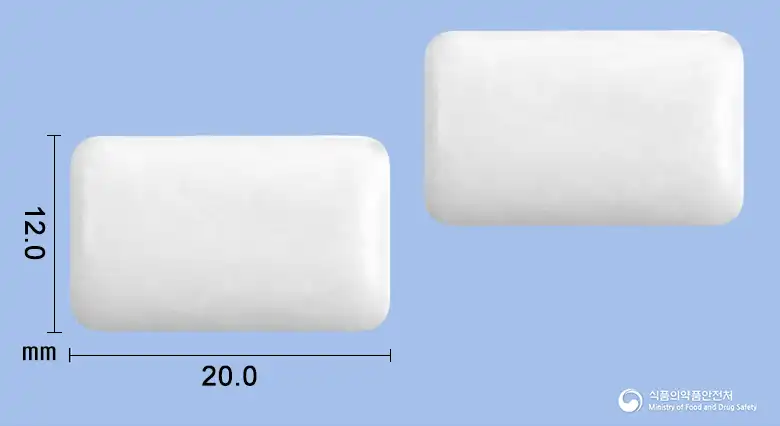
Nicotine 2mg
OTC medication
GPT Therapeutics Korea Co., Ltd.
Even with the same ingredient, the dose and directions can differ by strength and dosage form. Talk to a doctor or pharmacist before switching from a medication you are already taking.
No questions yet.
For anything that needs medical judgment, consult a doctor or pharmacist.
This drug information is based on data provided by the Korea Ministry of Food and Drug Safety.
Consult a doctor or pharmacist for accurate dosage, administration, and usage instructions.