
 한국어
한국어 English
 日本語
日本語 中文(简体)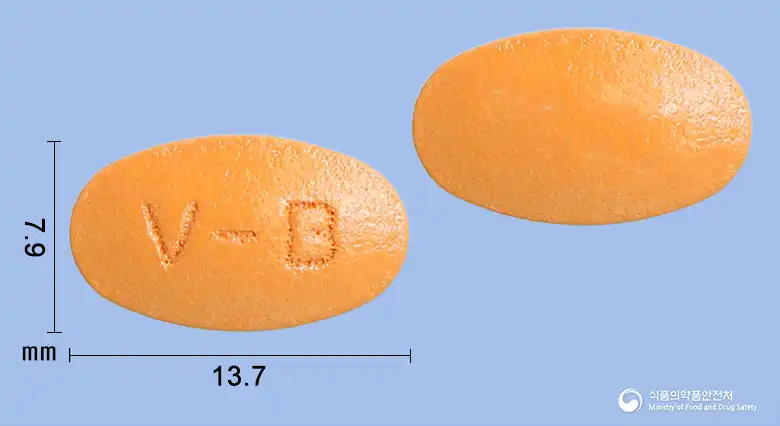
Summary
- Main use
- Improvement of physical fatigue and fatigue during pregnancy and breastfeeding, and relief of symptoms such as angular cheilitis and stomatitis.
- Who takes it
- Adults
- Adult dose
- Aged 12 and older: 2 tablets once a day or 1 tablet twice a day after meals
Ingredients
- Thiamine Nitrate10mg / 1 tablet
- Riboflavin46.013mg / 1 tablet
- Nicotinamide20mg / 1 tablet
- Calcium Pantothenate15mg / 1 tablet
- Pyridoxine Hydrochloride25mg / 1 tablet
- Folic Acid0.25mg / 1 tablet
- Cyanocobalamin Powder 0.1%50mg / 1 tablet
- Zinc Oxide31.167mg / 1 tablet
- Manufacturer
- (주)대웅제약
Efficacy & effects
Improvement of physical fatigue and fatigue during pregnancy and breastfeeding, and relief of symptoms such as angular cheilitis and stomatitis.
- Physical fatigue
- lack of stamina
- angular cheilitis
- cheilitis
- stomatitis
- glossitis
- eczema
- dermatitis
View approved original textHide original text
Vitamins B1, B2, and B6 help when experiencing physical fatigue, especially during pregnancy, breastfeeding, and after illness or during recovery. They are also effective in alleviating symptoms such as angular cheilitis (inflammation of the corners of the mouth), cheilitis (lip inflammation), stomatitis (inflammation inside the mouth), glossitis (inflammation of the tongue), as well as skin issues like eczema and dermatitis. Zinc is an important mineral involved in various metabolic processes, helping to strengthen immune function and assist in wound healing. Therefore, these ingredients are used for fatigue recovery and skin health improvement.
How to take
Adult dose
Aged 12 and older: 2 tablets once a day or 1 tablet twice a day after meals
Precautions
This medication should not be taken by individuals who are allergic to this drug or any of its components. Additionally, it is safer for babies under 12 months old not to take this medication. It is advisable not to concurrently take specific medications such as phosphates, calcium salts, oral tetracycline preparations, antacids, or levodopa while using this drug. Patients under one year old, those receiving medical treatment, individuals with heart or circulatory problems, patients with impaired kidney function, and those with low protein levels should consult their doctor or pharmacist before taking this medication. This drug contains a pigment called Tartrazine (Yellow No. 4), and caution is advised for those allergic or sensitive to this component. If symptoms such as nausea, vomiting, diarrhea, digestive disorders, upper abdominal pain, hypotension, or pulmonary edema occur during use, discontinue immediately and consult a healthcare professional. Long-term use of pyridoxine exceeding 500mg to 2g can result in nerve issues, so caution is needed. Patients deficient in folic acid who take more than 10μg of vitamin B12 daily may experience blood abnormalities. High doses can worsen peptic ulcers, complicate blood sugar control, increase uric acid levels, or cause liver damage. Additionally, overdose can lead to nausea, vomiting, hypernatremia, congestive heart failure, and edema. Taking this medication with aldosterone antagonists or triamterene can potentially raise blood potassium levels, so caution is required. If there's accidental overdose or symptoms do not improve after a month of use, consult healthcare personnel. This medication must be taken according to prescribed dosage and administration, and when given to children, it should be done under adult supervision. Urine may change to a yellow color during use, which could impact clinical test results. It is advisable to avoid consuming tannin-containing teas such as green tea or black tea before and after taking this medication. Store this medication out of reach of children, avoid direct sunlight, and keep in a cool, dry place in a sealed container. It is also important to avoid transferring to another container to maintain product quality.
Side effects and when to seek care immediately
Serious side effects
Pulmonary edema, edema
Mild side effects
Nausea, vomiting, diarrhea, gastrointestinal disturbances, digestive disorders, upper abdominal pain, hypotension, pulmonary edema, sensory neuropathy or neurological symptoms, hematological adverse reactions, exacerbation of peptic ulcers, impaired glucose tolerance, hyperuricemia, liver damage, hyperkalemia, hypernatremia, congestive heart failure, edema, yellow discoloration of urine
Not everyone experiences these, and they can vary from person to person.
Interactions
Drug interactions
This medication should not be taken with phosphates, calcium salts, oral tetracycline preparations, antacids, or levodopa. Consult a doctor or pharmacist if taken with aldosterone antagonists or triamterene.
Food interactions
This medication should be avoided before and after use with tannin-containing teas such as green tea or black tea.
Storage
This medication may be sensitive to air or moisture, so it should be stored in a tightly sealed container. The recommended storage temperature is between 1°C and 30°C at room temperature. This will help maintain the efficacy of the drug for a long time.
Appearance and packaging
Appearance
Orange oval film-coated tablet
Package unit
12 tablets ((6 tablets/PTP) x 2)
Questions about this medicine
No questions yet.
For anything that needs medical judgment, consult a doctor or pharmacist.