
 한국어
 English
 日本語
 中文(简体)
 Viewing now
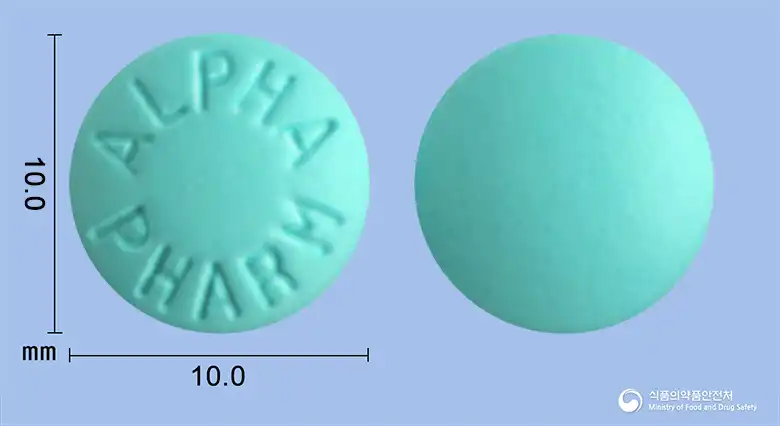
Alphaclonic Sinrisin Tablet
Clonixin Lysinate 125mg
Tablet · OTC medication
Alpha Pharmaceutical Co., Ltd.
MFDS item code 200709256 · Notified 2007.08.08
Relief of mild to moderate pain (e.g., headache, toothache, muscle pain)
This medication is used to relieve mild to moderate pain from various conditions such as muscle pain, neuralgia, post-traumatic pain, and post-surgical pain. It is also effective for headaches, toothaches, and earaches. Patients can take this medication with confidence as it can help alleviate pain. It is used to improve overall pain.
○ Adults: Administer 125∼250 mg of clonixin lysinate orally 3 times daily.
This medication may cause gastrointestinal bleeding if taken by individuals who regularly consume more than three alcoholic beverages a day, so consultation with a doctor or pharmacist is essential. Nonsteroidal anti-inflammatory drugs, including this medication, may increase the risk of cardiovascular thrombotic events, myocardial infarction, and stroke; patients with cardiovascular disease or risk factors should be particularly cautious. This medication can cause serious adverse reactions such as gastrointestinal or intestinal bleeding, ulcers, or perforation, and the risk may be greater in the elderly or those on long-term treatment. Patients with a history of peptic ulcers, drug allergies, or a history of asthma or hives, pregnant women, and those with severe liver, kidney, or heart diseases should not take this medication. The risk of side effects may increase when taken with other nonsteroidal anti-inflammatory drugs, ACE inhibitors, aspirin, diuretics, lithium, methotrexate, anticoagulants, etc. Patients with a history of peptic ulcers, hypertension, heart failure, asthma, liver or kidney impairment should consult healthcare professionals before taking this medication. If symptoms such as nausea, vomiting, abdominal pain, rash, anemia, liver function abnormalities, or drowsiness occur during the treatment, the medication should be stopped immediately, and a doctor should be consulted. This medication should be used at the minimum effective dose for the shortest duration possible; regular blood tests and liver and kidney function tests are necessary for long-term use. This medication may cause adverse reactions in infants if administered to breastfeeding women, so it is recommended to either stop breastfeeding or discontinue the medication. Keep out of reach of children and be careful not to transfer to another container.
Gastrointestinal hemorrhage, serious cardiovascular thrombotic reactions, myocardial infarction, stroke, bleeding of the stomach or intestines, ulcer, perforation, nausea, vomiting, diarrhea, constipation, abdominal pain, peptic ulcer, shock, rash, itching, anemia, elevated AST, elevated ALT, drowsiness, headache, dizziness, cold sweat, chills, euphoric feelings, jaundice, fulminant hepatitis, liver necrosis, liver failure, anemia, desquamative dermatitis, mucosal membrane syndrome, toxic epidermal necrolysis, severe bronchospasm
Not everyone experiences these, and they can vary from person to person.
Do not take this medication with other nonsteroidal anti-inflammatory drugs, ACE inhibitors or angiotensin II receptor antagonists, aspirin, diuretics, lithium, methotrexate, anticoagulants (such as warfarin), cyclosporine and tacrolimus, antiplatelet agents, and selective serotonin reuptake inhibitors (SSRIs), or corticosteroids. Additionally, do not concurrently treat peptic ulcers with misoprostol and this medication.
This medication must be stored in a tightly sealed container to avoid exposure to air or moisture. It should also be kept at room temperature between 1°C and 30°C. It is advisable to avoid extremely hot or cold places.
Pale blue round film-coated tablet
10 tablets/PTP
Even with the same ingredient, strength, dosage form and how it is taken can differ.
Viewing nowClonixin Lysinate 125mg
Tablet · OTC medication
Alpha Pharmaceutical Co., Ltd.
Clonixin Lysinate 125mg
OTC medication
International Pharmaceutical Co., Ltd.

Clonixin Lysinate 125mg
Tablet · OTC medication
Youngil Pharmaceutical Co., Ltd.

Clonixin Lysinate 125mg
Tablet · OTC medication
Daehwa Pharmaceutical Co., Ltd.

Clonixin Lysinate 125mg
Tablet · OTC medication
GiEl Pharma Co., Ltd.

Clonixin Lysinate 125mg
Tablet · OTC medication
Highple Life Sciences Co., Ltd.
Clonixin Lysinate 250mg
Tablet · OTC medication
Hyple Life Sciences Co., Ltd.
Clonixin Lysinate 125mg
OTC medication
Youngpoong Pharmaceutical Co., Ltd.
Even with the same ingredient, the dose and directions can differ by strength and dosage form. Talk to a doctor or pharmacist before switching from a medication you are already taking.
No questions yet.
For anything that needs medical judgment, consult a doctor or pharmacist.
This drug information is based on data provided by the Korea Ministry of Food and Drug Safety.
Consult a doctor or pharmacist for accurate dosage, administration, and usage instructions.