
 한국어
 English
 日本語
 中文(简体)
 Viewing now
Dasan Dexibuprofen Tablet 400mg (Dexibuprofen D.C.)
Dexibuprofen D.C. 400mg
Tablet · Prescription medication
Dasan Pharmaceutical Co., Ltd.
MFDS item code 200709010 · Notified 2007.08.03 · Insurance code 678602180
Treatment of joint disorders; relief of pain, swelling, and inflammation after trauma or surgery; adjunctive treatment of infections
This medication is used for chronic inflammatory joint diseases such as chronic polyarthritis and rheumatoid arthritis. It is also effective in alleviating pain and inflammation caused by osteoarthritis and ankylosing spondylitis. Helps reduce painful swelling and inflammation that occurs after trauma or surgery. Additionally, it is used as an adjunctive treatment for infections accompanied by inflammation, pain, and fever. Overall, it is used to improve inflammation and pain in joints and surrounding tissues.
Adults: Administer 400 mg of dexibuprofen orally 2~3 times daily. Do not exceed 1,200 mg of dexibuprofen daily.
This medication may cause gastrointestinal bleeding in individuals who regularly consume more than 3 alcoholic drinks per day, so it is necessary to consult a doctor or pharmacist. This medication may affect the cardiovascular system, increasing the risk of myocardial infarction or stroke, so individuals with cardiovascular diseases or risk factors should be particularly cautious. This medication can cause serious gastrointestinal adverse reactions such as gastrointestinal bleeding, ulcers, and perforations; therefore, elderly individuals or those with a history of gastrointestinal diseases should use it carefully. Individuals with gastrointestinal ulcers, bleeding, severe liver, kidney, or heart diseases should not take this medication, and those with a history of hypersensitivity or asthma should also avoid it. The risk of cardiovascular and gastrointestinal side effects increases when this medication is taken in conjunction with aspirin or other non-steroidal anti-inflammatory drugs, so it is recommended not to take these together. Breastfeeding women should discontinue nursing or consult a doctor when taking this medication, as it may transfer into breast milk and cause adverse reactions in infants. Dizziness or fatigue may occur while taking this medication, so care should be taken when driving or operating machinery, and headaches may occur with prolonged high-dose use. Those with blood abnormalities, tendencies for bleeding, liver or kidney diseases, hypertension, or heart failure should consult healthcare professionals before taking this medication, and special caution is needed for the elderly and children. This medication can interact with various drugs, so individuals taking other medications must consult an expert. If symptoms such as shock, severe skin rash, difficulty breathing, liver dysfunction, or kidney function decline occur while taking this medication, stop taking it immediately and consult a healthcare professional. This medication should be used at the minimum effective dose and for the shortest duration possible. Regular blood tests and liver and kidney function tests are necessary with prolonged use. Especially after 6 months of pregnancy, this medication may affect the fetus, so pregnant women should avoid taking this medication or consult with healthcare professionals thoroughly before taking it. In case of overdose, visit a medical facility immediately to receive appropriate treatment, and keep it out of reach of children and avoid exposure to direct sunlight.
Gastrointestinal bleeding, severe cardiovascular thrombotic reactions, myocardial infarction, stroke, bleeding of the stomach or intestines, ulcers, perforation, dizziness, fatigue, headache, shock, aplastic anemia, hemolytic anemia, granulocytopenia, leukopenia, agranulocytosis, pancytopenia, thrombocytopenia, impaired platelet function, eosinophilia, dyspepsia, abdominal distension, heartburn, upper abdominal pain, diarrhea, constipation, loss of appetite, nausea, vomiting, abdominal pain, gastric discomfort, esophagitis, esophageal stricture, diverticulitis exacerbation, nonspecific hemorrhagic colitis, ulcerative colitis, Crohn's disease, peptic ulcer, gastrointestinal bleeding, perforation, hematochezia, gastritis, pancreatitis, thirst, stomatitis, erythema multiforme, systemic lupus erythematosus, hair loss, angioedema, Stevens-Johnson syndrome, toxic epidermal necrolysis, eosinophilia, drug rash with systemic symptoms, acute generalized exanthematous pustulosis, rash, urticaria, itching, purpura, asthma attacks, eczema, anaphylactic reaction, photosensitivity reaction, jaundice, elevated ALT, elevated AST, elevated ALP, liver dysfunction, hepatitis, rhinitis, bronchospasm, acute pneumonia, neglect, cancer invasion, vision impairment, hearing loss, tinnitus, taste disturbance, fatigue, drowsiness, headache, dizziness, anxiety, restlessness, confusion, depression, aseptic meningitis, psychiatric disturbances, agitation, excitement, disorientation, reversible toxic amblyopia, hypotension, hypertension, palpitations, acute renal failure, oliguria, hematuria, proteinuria, BUN, elevated serum creatinine, hyperkalemia, decreased urine output, generalized edema, shortness of breath, lethargy, renal papillary necrosis, nephrotic syndrome, interstitial nephritis, peripheral edema, acute pulmonary edema, fluid retention, hypertension, heart failure, Conn's syndrome, reduced reproductive capacity in females, periorbital edema, malaise, fever, nosebleed, exacerbation of inflammation
Not everyone experiences these, and they can vary from person to person.
This medication should be stored in a tightly sealed container to prevent exposure to air or moisture. The storage temperature should be maintained at room temperature between 1°C and 30°C.
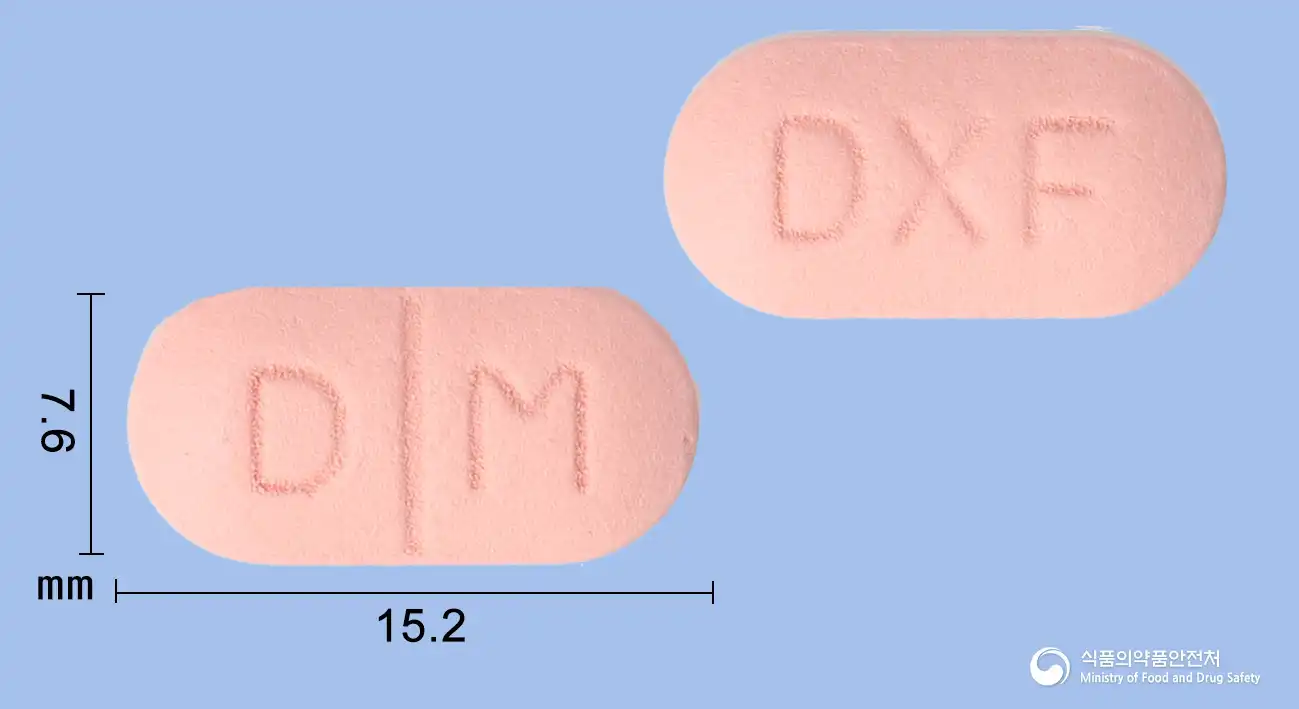
Pink oblong film-coated tablet
30 tablets/bottle, 300 tablets/bottle
Even with the same ingredient, strength, dosage form and how it is taken can differ.
Viewing nowDexibuprofen D.C. 400mg
Tablet · Prescription medication
Dasan Pharmaceutical Co., Ltd.

Dexibuprofen D.C. 300mg
Tablet · OTC medication
HanKoong Union Pharmaceutical Co., Ltd.
Dexibuprofen D.C. 300mg
Tablet · OTC medication
Korea Pharmaceutical Co., Ltd.
Dexibuprofen D.C. 400mg
Tablet · Prescription medication
Samik Pharmaceutical Co., Ltd.

Dexibuprofen D.C. 400mg
Tablet · Prescription medication
Ilhwa Co., Ltd.
Dexibuprofen D.C. 400mg
Tablet · Prescription medication
Aliko Pharmaceutical Co., Ltd.
Dexibuprofen D.C. 400mg
Tablet · Prescription medication
Hanlim Pharmaceutical Co., Ltd.
Dexibuprofen D.C. 400mg
Tablet · Prescription medication
Nexpham Korea Co., Ltd.
Even with the same ingredient, the dose and directions can differ by strength and dosage form. Talk to a doctor or pharmacist before switching from a medication you are already taking.
No questions yet.
For anything that needs medical judgment, consult a doctor or pharmacist.
This drug information is based on data provided by the Korea Ministry of Food and Drug Safety.
Consult a doctor or pharmacist for accurate dosage, administration, and usage instructions.