
 한국어
 English
 日本語
 中文(简体)
 Viewing now
Euroalpha XL Tablets (Alfuzosin Hydrochloride)
Alfuzosin Hydrochloride 5mg
Tablet · Prescription medication
Dong Gu Bio Pharmaceutical Co., Ltd.
MFDS item code 200708588 · Notified 2007.07.25 · Insurance code 657302950
Treatment of symptoms of benign prostatic hyperplasia; adjunctive use with a catheter for associated acute urinary retention
This medicine is used to improve functional symptoms caused by benign prostatic hyperplasia and to assist catheter treatment in acute urinary retention.
The recommended dose is 10mg once daily, taken immediately after the evening meal. Do not chew; swallow the tablet whole. When administered as adjunctive therapy to catheterization for acute urinary retention associated with benign prostatic hyperplasia, the recommended dose is 10mg once daily, taken after a meal starting on the first day of catheterization. Take for 2-3 days while the catheter is in place and for 1 day after catheter removal, for a total of 3-4 days.
This medication contains alfuzosin and should not be used under certain specific conditions. First, individuals allergic to this medication or any of its ingredients should not take it. Patients with orthostatic hypotension, which is a drop in blood pressure upon suddenly standing up, should also avoid this medication. Patients with severely impaired liver function or very poor kidney function may be at risk if taking this medication. Additionally, patients with intestinal obstruction, those already taking other alpha-blockers, and those on strong CYP3A4 inhibitors should not take this medication together. This medication may cause orthostatic hypotension, accompanied by symptoms such as dizziness, fatigue, and sweating within a few hours of the first dose, particularly in some patients, especially those undergoing treatment for hypertension. If such symptoms occur, it is advisable to lie down and rest, and elderly patients should be particularly cautious. Patients with orthostatic hypotension or those taking antihypertensive medications or nitrates need to exercise caution when using this medication. Patients with coronary artery disease should not use this medication alone, and if symptoms of angina worsen, it should be discontinued immediately. It should also be administered cautiously to patients with prolonged QT interval related to cardiac electrical signals or those taking medications that prolong the QT interval. Common side effects of this medication may include dizziness, headache, upper respiratory tract infections, dyspepsia, constipation, weakness, and fatigue. Rarely, symptoms such as skin rash, angioedema, or erectile dysfunction may occur, and any unusual symptoms should be discussed with a doctor. As this medicine is an alpha-blocker, patients who are planning to undergo cataract surgery should inform their doctor about taking this medication beforehand. When swallowing the tablet, do not crush or chew it, and swallow it whole; failure to do so may lead to unpredictability in the medication's efficacy, increasing the risk of side effects. Patients with a history of severe hypotension or those who have taken other alpha-blockers should be especially cautious when using this medication. It can rarely cause prolonged erections unrelated to sexual activity, so if such symptoms occur, the patient should inform a healthcare professional immediately. This medication should not be used in conjunction with other alpha-blockers or strong CYP3A4 inhibitors, and caution is required when used with antihypertensive agents or nitrate preparations, as there is an increased risk of hypotension. The safety of this medication has not been established for use during pregnancy or lactation in women and is not suitable for children. During the initial period of use, dizziness or weakness may occur, necessitating caution while driving or operating machinery. In the case of overdose, immediate medical attention is required, and appropriate treatment for hypotension should be administered. Finally, this medication should be kept out of reach of children and should not be transferred to other containers for safety reasons.
Not everyone experiences these, and they can vary from person to person.
This medication must be stored in a tightly sealed container to protect it from air and moisture. It is important to maintain the storage temperature between 1 and 30 degrees Celsius to ensure that the medication remains effective and safe to use.
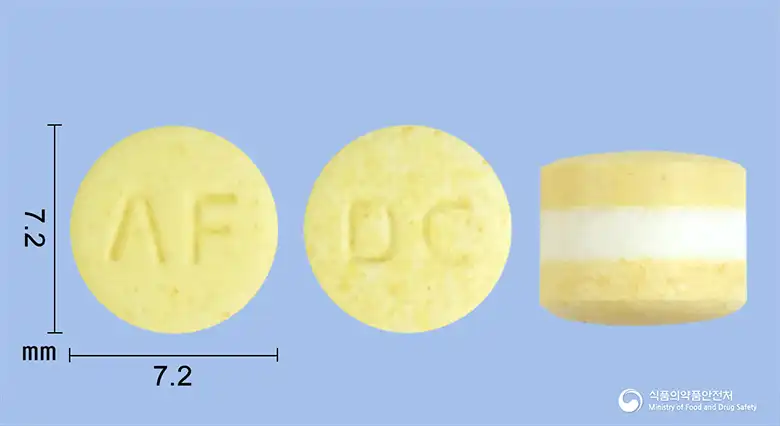
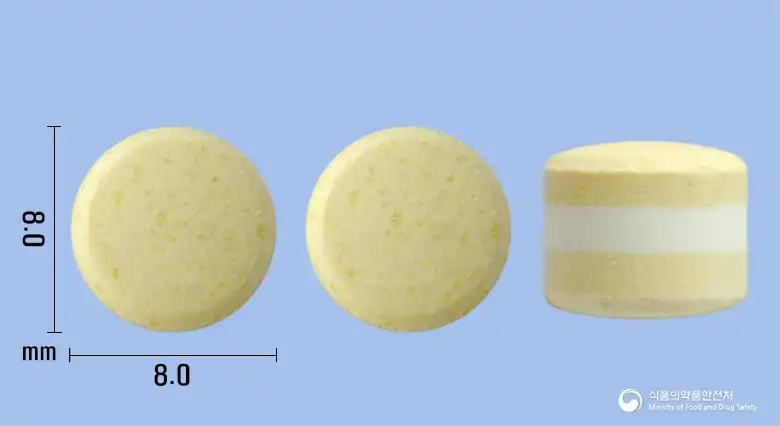
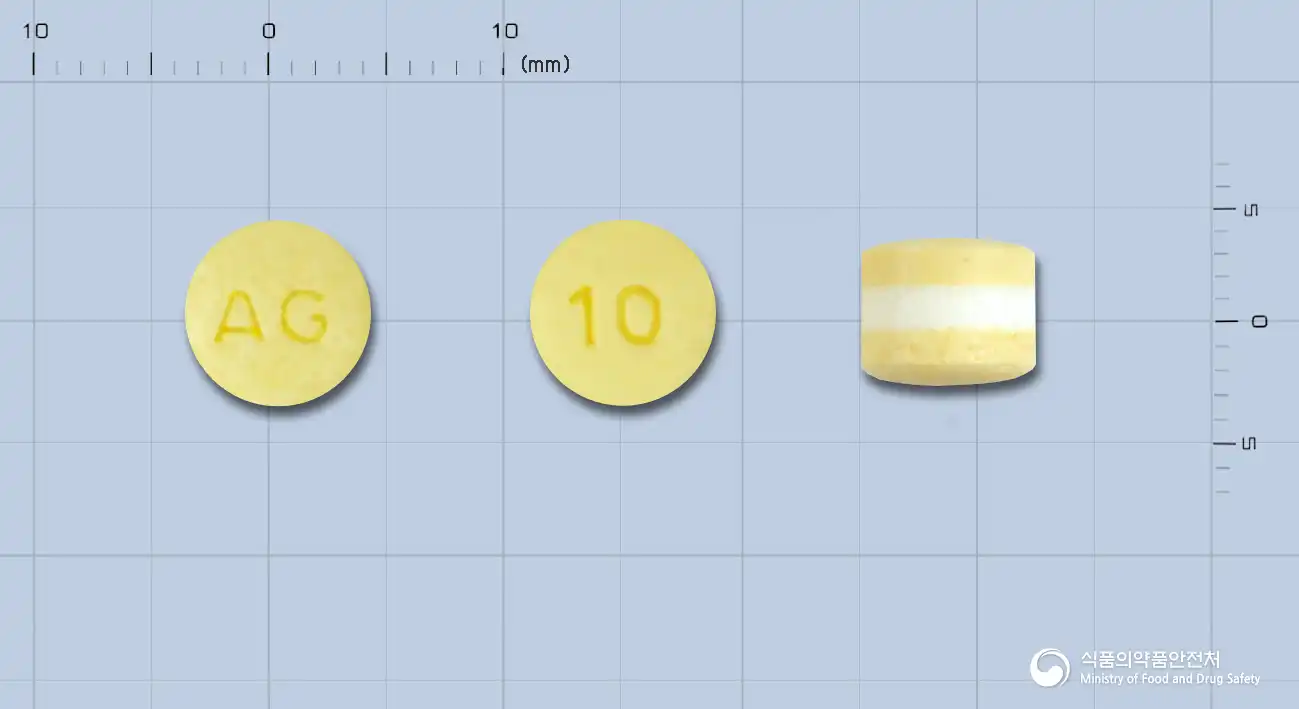
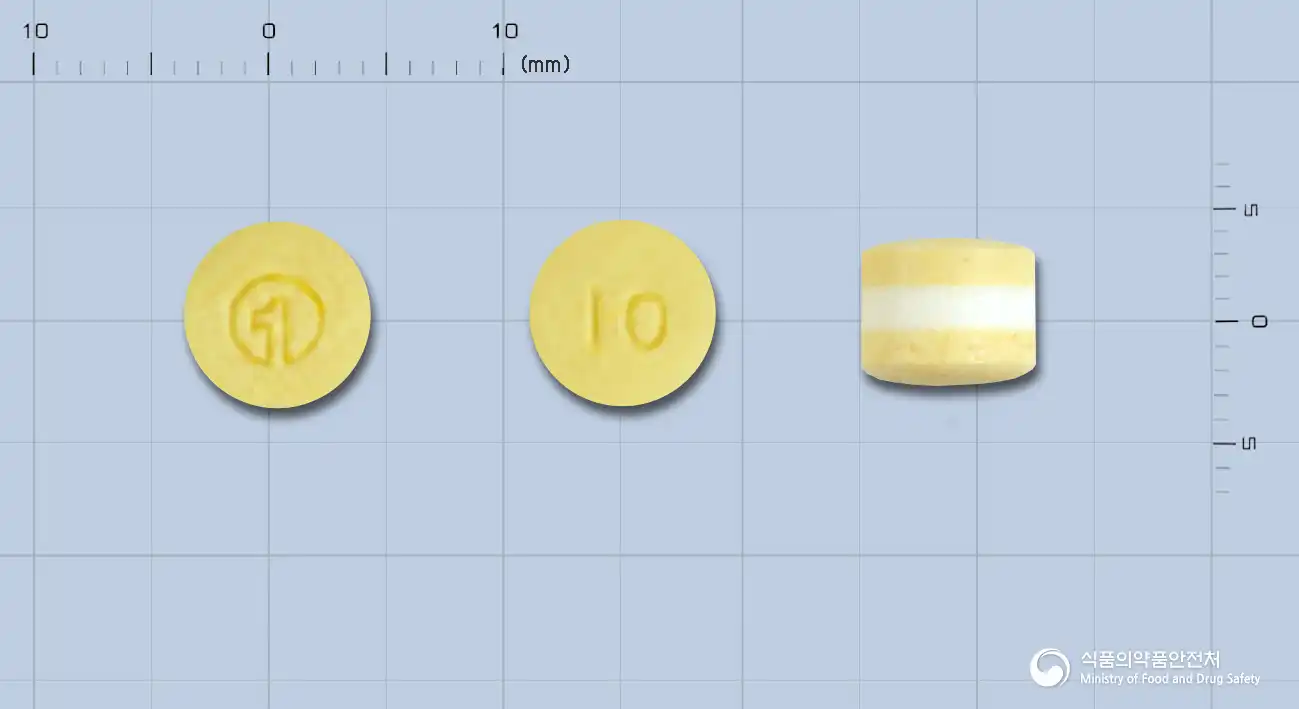
This medicine is a film-coated tablet with a total of three layers, consisting of one white layer sandwiched between two yellow layers, shaped as a convex round tablet.
30 tablets/bottle
Even with the same ingredient, strength, dosage form and how it is taken can differ.
Viewing nowAlfuzosin Hydrochloride 5mg
Tablet · Prescription medication
Dong Gu Bio Pharmaceutical Co., Ltd.
Alfuzosin Hydrochloride 10mg
Tablet · Prescription medication
Handok Co., Ltd.
Alfuzosin Hydrochloride 5mg
Tablet · Prescription medication
Ahn-Gook Pharmaceutical Co., Ltd.
Alfuzosin Hydrochloride 5mg
Tablet · Prescription medication
Korea Pharmaceutical Co., Ltd.
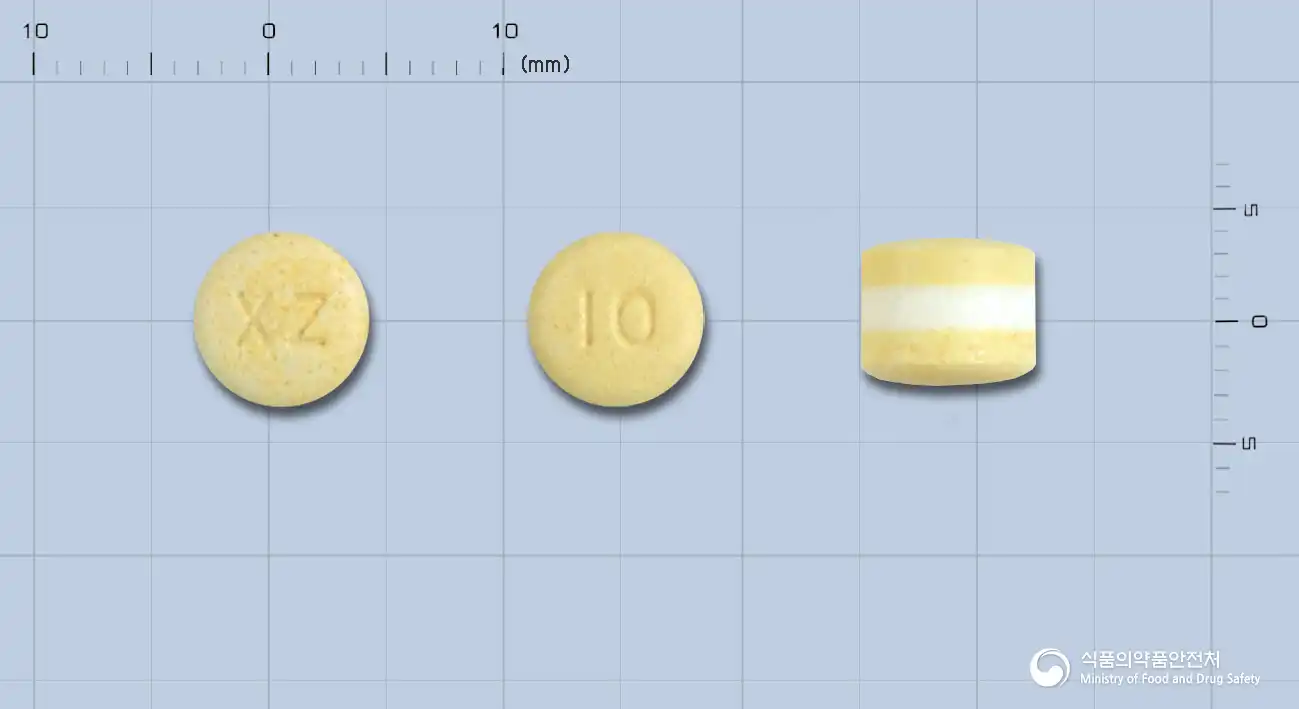
Alfuzosin Hydrochloride 5mg
Tablet · Prescription medication
Dongkwang Pharmaceutical Co., Ltd.
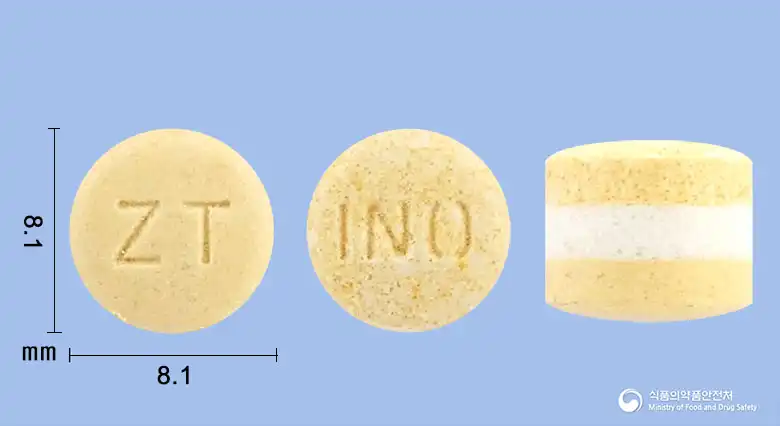
Alfuzosin Hydrochloride 5mg
Tablet · Prescription medication
HK inno.N Co., Ltd.
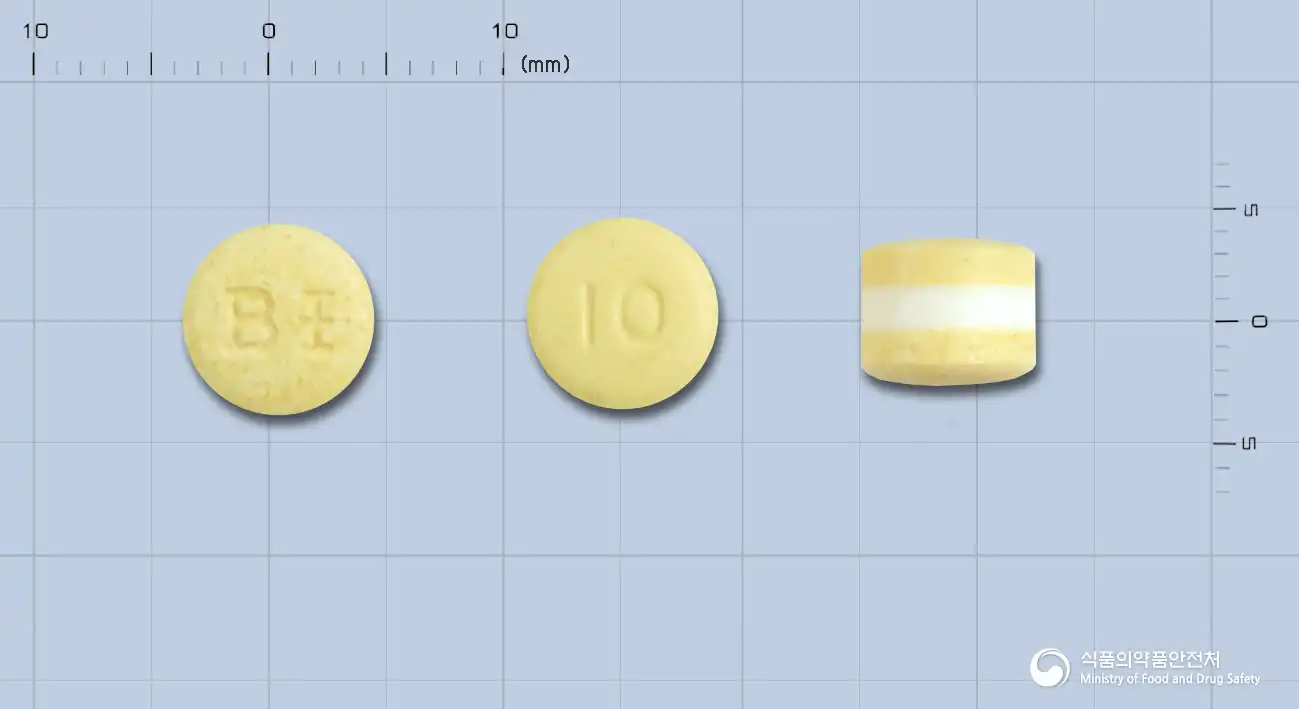
Alfuzosin Hydrochloride 5mg
Tablet · Prescription medication
Bionex Co., Ltd.
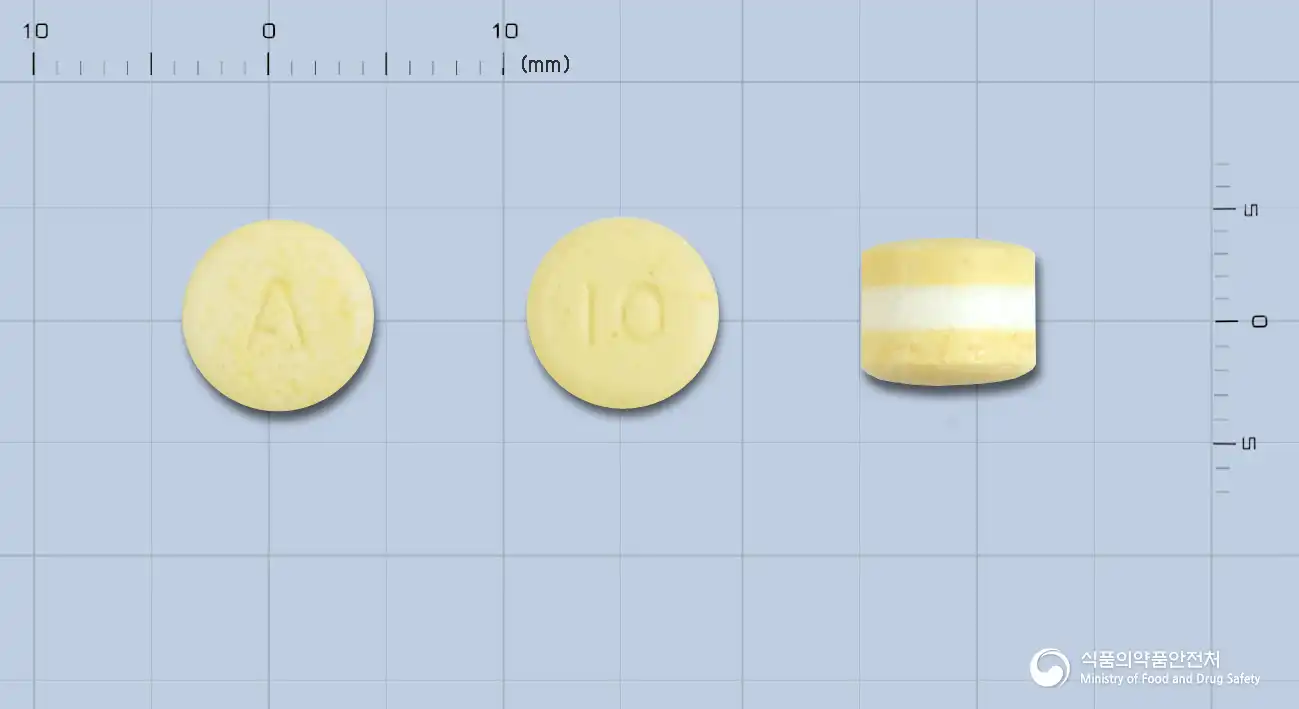
Alfuzosin Hydrochloride 5mg
Tablet · Prescription medication
FarmGen Science Co., Ltd.
Even with the same ingredient, the dose and directions can differ by strength and dosage form. Talk to a doctor or pharmacist before switching from a medication you are already taking.
No questions yet.
For anything that needs medical judgment, consult a doctor or pharmacist.
This drug information is based on data provided by the Korea Ministry of Food and Drug Safety.
Consult a doctor or pharmacist for accurate dosage, administration, and usage instructions.