
 한국어
 English
 日本語
 中文(简体)
 Viewing now
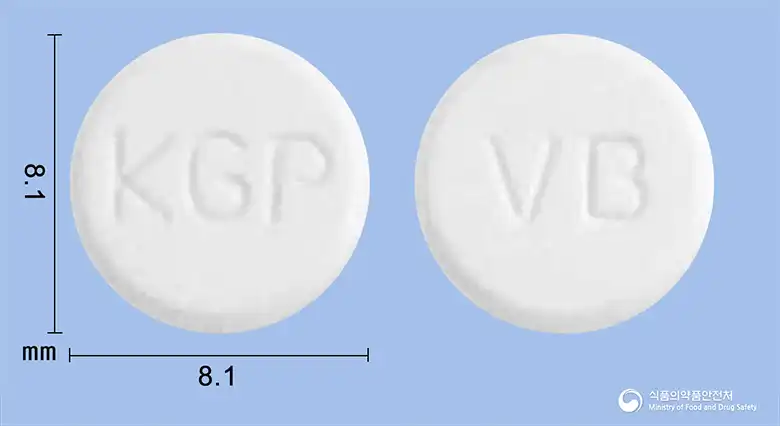
Beboss Tablet (Boglibose)
Voglibose 0.3mg
Tablet · Prescription medication
Kips Biopharma Co., Ltd.
MFDS item code 200708426 · Notified 2007.07.20
Improvement of postprandial hyperglycemia in diabetes mellitus
This medicine is used when sufficient blood sugar control effect cannot be obtained with dietary and exercise therapy alone for patients with diabetes. It can also be used as an addition for those already receiving oral hypoglycemic agents or insulin therapy but experiencing poor blood sugar control. It particularly helps improve postprandial hyperglycemia, which is high blood sugar after meals. This medication assists in achieving more effective blood sugar control, providing positive support to the patient's blood sugar management.
The usual adult dosage is 1 tablet (0.2 milligrams) orally 3 times daily before meals. If the effect is insufficient, the dose per administration may be increased to 0.3 milligrams while carefully monitoring the patient's progress.
This medication may cause hypoglycemic symptoms when used with other diabetes medications. Therefore, when used together, it should start with a low dose and be taken cautiously. Since this drug delays sugar digestion, glucose should be consumed instead of sugar if hypoglycemic symptoms occur. It is important to adequately explain hypoglycemic symptoms and how to cope with them to the patient. It should not be used in patients with severe ketoacidosis or diabetic coma, severe infections, pre- or post-surgery, or in patients with major trauma. Patients with a history of allergic reactions to any component of this drug should also refrain from using it. Use with caution in patients with a history of abdominal surgery, bowel obstruction, chronic intestinal diseases, colon strictures, or ulcers. Patients with severely compromised liver or kidney function may experience changes in blood sugar control while taking this medication, so care is necessary. Abdominal distension or increased flatulence may occur, and bowel obstruction symptoms may rarely appear; seek immediate medical advice if symptoms occur. If liver function worsens or symptoms of acute hepatitis appear, discontinue this medication and seek appropriate treatment. In patients with cirrhosis, constipation may exacerbate hyperammonemia, so bowel movements should be closely monitored. Gastrointestinal side effects such as diarrhea, abdominal pain, and vomiting may occur, and skin rash or itching, increased liver enzymes, headache, dizziness, and anemia have also been reported as side effects. This drug should only be used in patients with a confirmed diagnosis of diabetes and is appropriate for those who have difficulty controlling blood sugar with diet and exercise alone. During treatment with this drug, regular blood sugar checks should be performed, and therapeutic effects and side effects should be continuously monitored. The risk of hypoglycemia increases when used with other diabetes medications or insulin, so dose adjustments and monitoring are necessary. When combined with other drugs affecting blood sugar control, careful administration considering interactions is required. Elderly patients may have reduced body function, so it is best to start at a low dose and carefully observe blood sugar levels and gastrointestinal symptoms during administration. Pregnant women or women who may become pregnant should only use this drug when the benefits of treatment outweigh the potential risks, as its safety has not been conclusively established. Breastfeeding women are advised to avoid taking this drug, and if unavoidable, it is recommended to stop breastfeeding. Safety in pediatric patients has not been established, and there is no experience in usage.
Not everyone experiences these, and they can vary from person to person.
This medication should be stored in a tightly sealed container to prevent exposure to air and moisture, preferably at room temperature between 1 to 30 degrees Celsius. Proper storage can help maintain the effectiveness of the medication over time.
White to light yellow round tablet
30 tablets/bottle, 300 tablets/bottle
Even with the same ingredient, strength, dosage form and how it is taken can differ.
Viewing nowVoglibose 0.3mg
Tablet · Prescription medication
Kips Biopharma Co., Ltd.
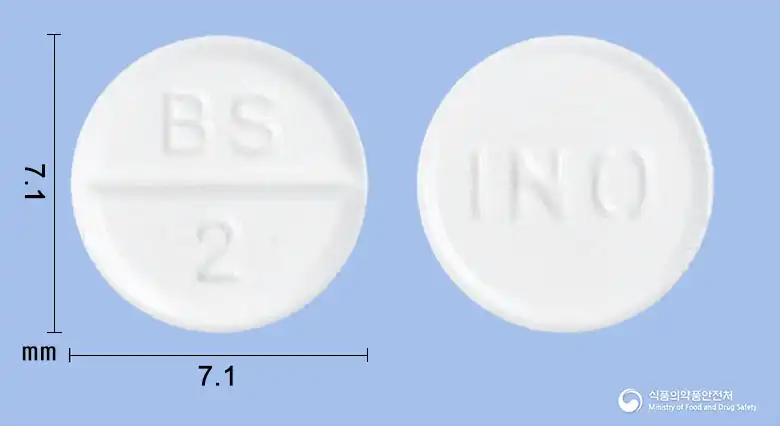
Voglibose 0.2mg
Tablet · Prescription medication
HK inno.N Co., Ltd.
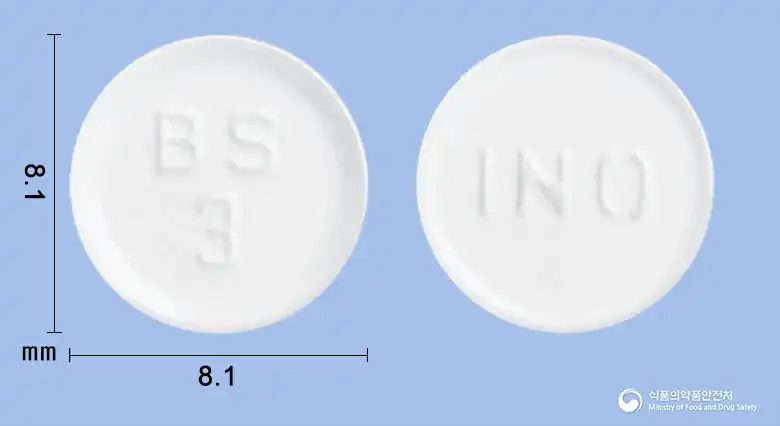
Voglibose 0.3mg
Tablet · Prescription medication
HK inno.N Co., Ltd.
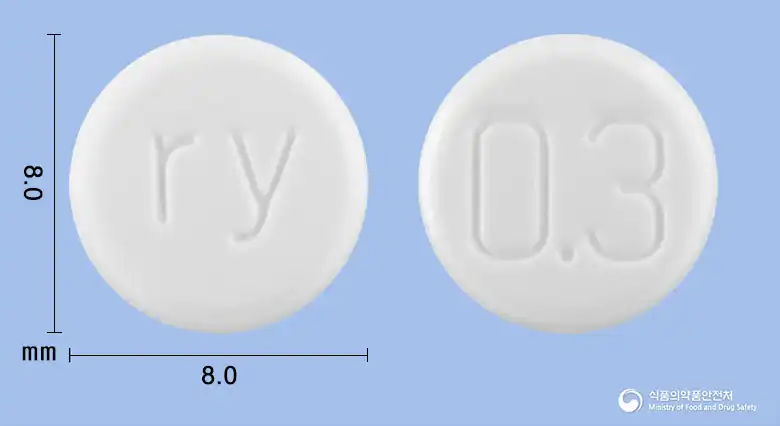
Voglibose 0.3mg
Tablet · Prescription medication
IYON Pharmaceutical Co., Ltd.
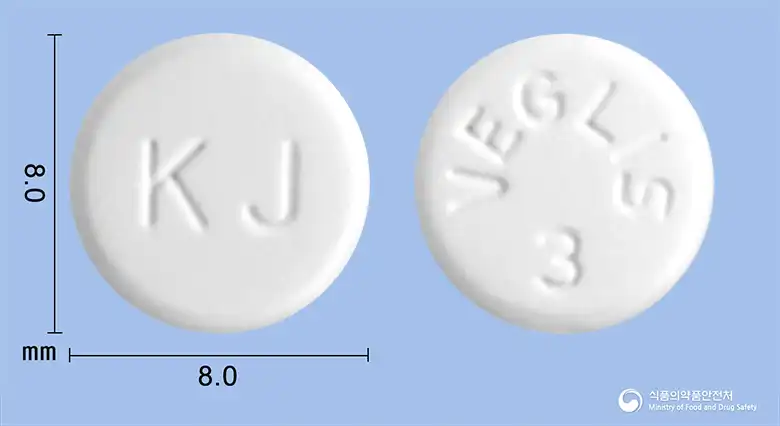
Voglibose 0.3mg
Tablet · Prescription medication
Kukje Pharmaceutical Co., Ltd.
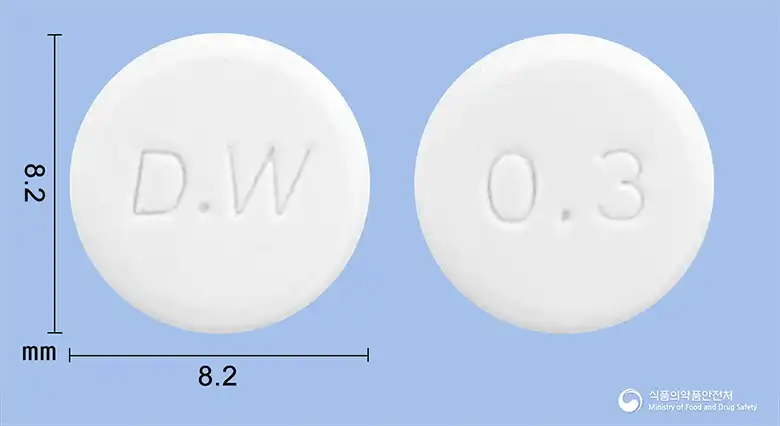
Voglibose 0.3mg
Tablet · Prescription medication
Daewong Pharmaceutical Co., Ltd.
Voglibose
Prescription medication
Daehwa Pharmaceutical Co., Ltd.
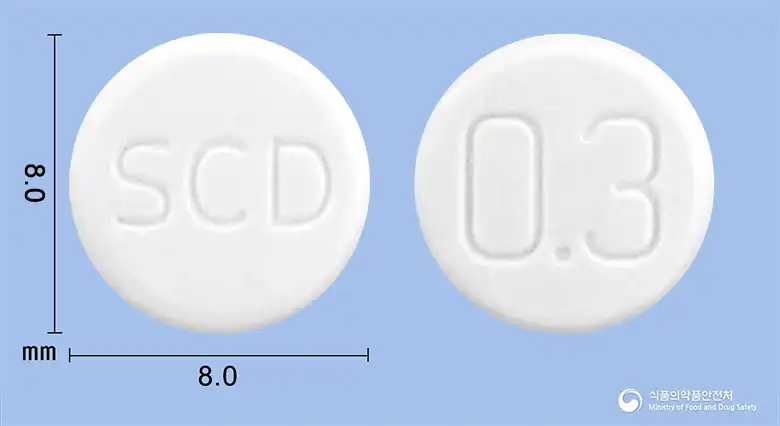
Voglibose 0.3mg
Tablet · Prescription medication
SamchunDang Pharmaceutical Co., Ltd.
Even with the same ingredient, the dose and directions can differ by strength and dosage form. Talk to a doctor or pharmacist before switching from a medication you are already taking.
No questions yet.
For anything that needs medical judgment, consult a doctor or pharmacist.
This drug information is based on data provided by the Korea Ministry of Food and Drug Safety.
Consult a doctor or pharmacist for accurate dosage, administration, and usage instructions.