
 한국어
 English
 日本語
 中文(简体)
Dosage form image
Viewing nowFlucid Tablet (Talniflumate)
Talniflumate 370mg
Tablet · Prescription medication
Kyungbo Pharmaceutical Co., Ltd.
MFDS item code 200707896 · Notified 2007.07.09
This product's status changed to Approval withdrawn on 2024.07.08. It may no longer be sold, so consult a doctor or pharmacist before taking it.
Relief of arthritis (rheumatoid and degenerative)
This medication is used for rheumatoid arthritis and osteoarthritis, which is degenerative arthritis. Rheumatoid arthritis is a disease in which the immune system attacks its own joints, causing inflammation and pain, while osteoarthritis is a representative degenerative disease that occurs when the cartilage in the joints wears away. This drug helps alleviate these arthritis symptoms, reduce inflammation, and improve joint function. It is used to reduce joint pain and swelling and improve discomfort in daily life.
Administer talniflumate 370 mg orally three times daily. For severe cases, administer 740 mg per dose. Adjust the dose appropriately according to age and symptoms.
This medication should be discussed with a doctor or pharmacist before use by individuals who regularly consume three or more alcoholic drinks a day, as taking this medication while heavily drinking may lead to gastrointestinal bleeding. This medication may increase the risk of cardiovascular diseases. Patients with a history of cardiovascular disease or risk factors should be particularly cautious. Doctors and patients should carefully monitor for any cardiovascular symptoms, and immediate action should be taken if symptoms develop. This medication may cause serious gastrointestinal problems such as gastrointestinal bleeding, ulcers, and perforation. The risk of these issues may be higher in the elderly or those taking the medication for a long time. If any symptoms of gastrointestinal bleeding or pain occur during use, inform medical personnel immediately and discontinue the medication if necessary. Individuals with a history of peptic ulcers or allergies to this drug or its components should not take this medication. Furthermore, patients who have had allergic reactions to aspirin or other nonsteroidal anti-inflammatory drugs, those requiring pain management after heart surgery, patients with severe liver, kidney, or heart diseases, pregnant or breastfeeding women should also avoid using this medication. Patients with slightly impaired liver, kidney, or heart function, as well as the elderly, should use this medication cautiously and adjust the dosage as directed by a physician. This medication may cause gastrointestinal side effects such as nausea, vomiting, diarrhea, abdominal pain. Rarely, it may cause skin rashes, hives, dizziness, kidney problems, and other various side effects. Serious skin adverse reactions can occur, so if any abnormal skin symptoms develop, discontinue the medication immediately and consult medical personnel. It's advisable not to take this medication with other anti-inflammatory drugs, as it may interact with blood pressure medications, diuretics, anticoagulants, lithium, methotrexate, etc. If you are taking any other medications, be sure to inform your healthcare provider. During pregnancy, especially in the later stages, this medication may pose risks to the fetus, so pregnant women or women who may become pregnant should not use it. Breastfeeding mothers should discontinue breastfeeding or the use of this medication as it may be transmitted through breast milk. Children under the age of 12 should not use this medication, and the elderly should take the minimum dosage cautiously. Finally, this medication should be stored out of the reach of children and should not be transferred to another container.
Not everyone experiences these, and they can vary from person to person.
This medication should be stored in a tightly sealed container to prevent air and moisture from entering, and it is recommended to keep it at room temperature between 1 degree and 30 degrees Celsius. Storing it this way will help maintain the medication's efficacy and prevent deterioration.
Orange round film-coated tablet
30 tablets/bottle, 500 tablets/bottle
Even with the same ingredient, strength, dosage form and how it is taken can differ.
Talniflumate 370mg
Tablet · Prescription medication
Kyungbo Pharmaceutical Co., Ltd.
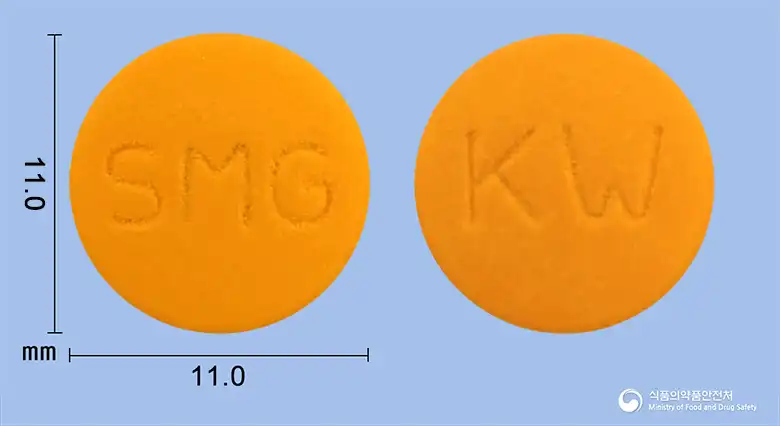
Talniflumate 370mg
Tablet · Prescription medication
Albozen Korea Co., Ltd.

Talniflumate 370mg
Tablet · Prescription medication
Dongsung Pharm Co., Ltd.
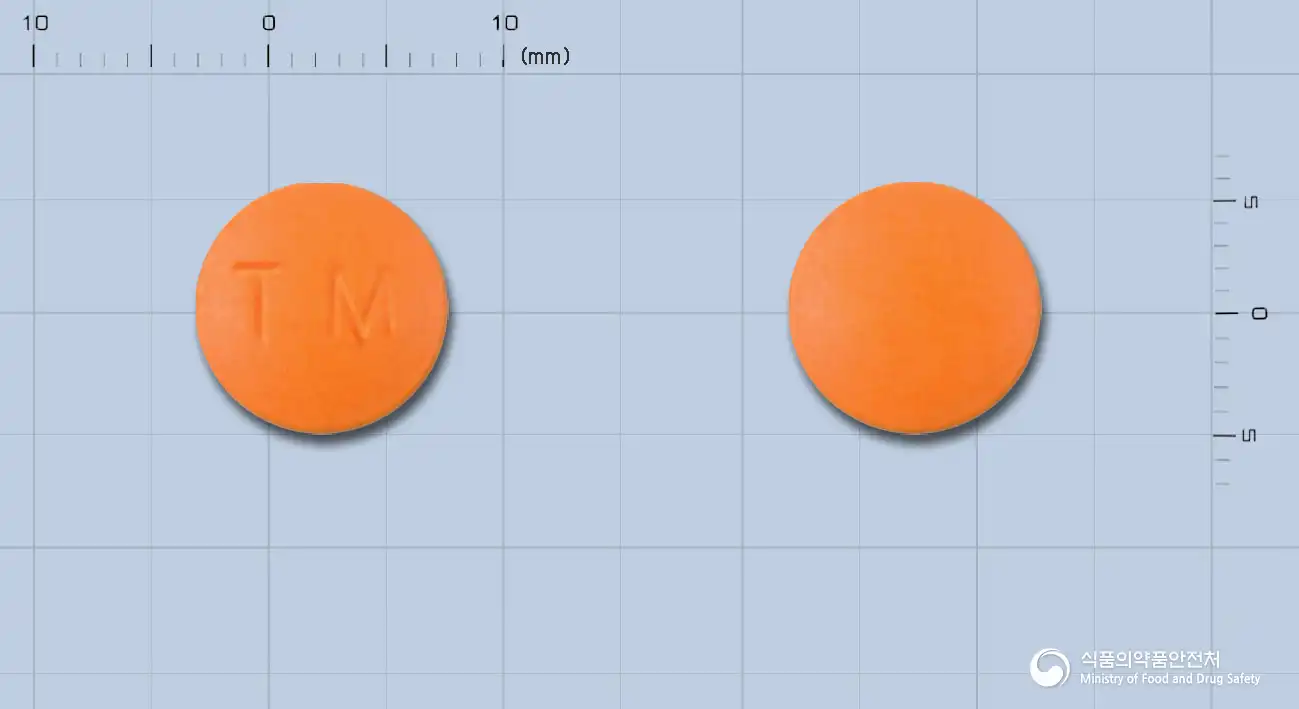
Talniflumate 370mg
Tablet · Prescription medication
Daewoo Pharmaceutical Co., Ltd.
Talniflumate 370mg
Tablet · Prescription medication
Samchundang Pharmaceutical Co., Ltd.
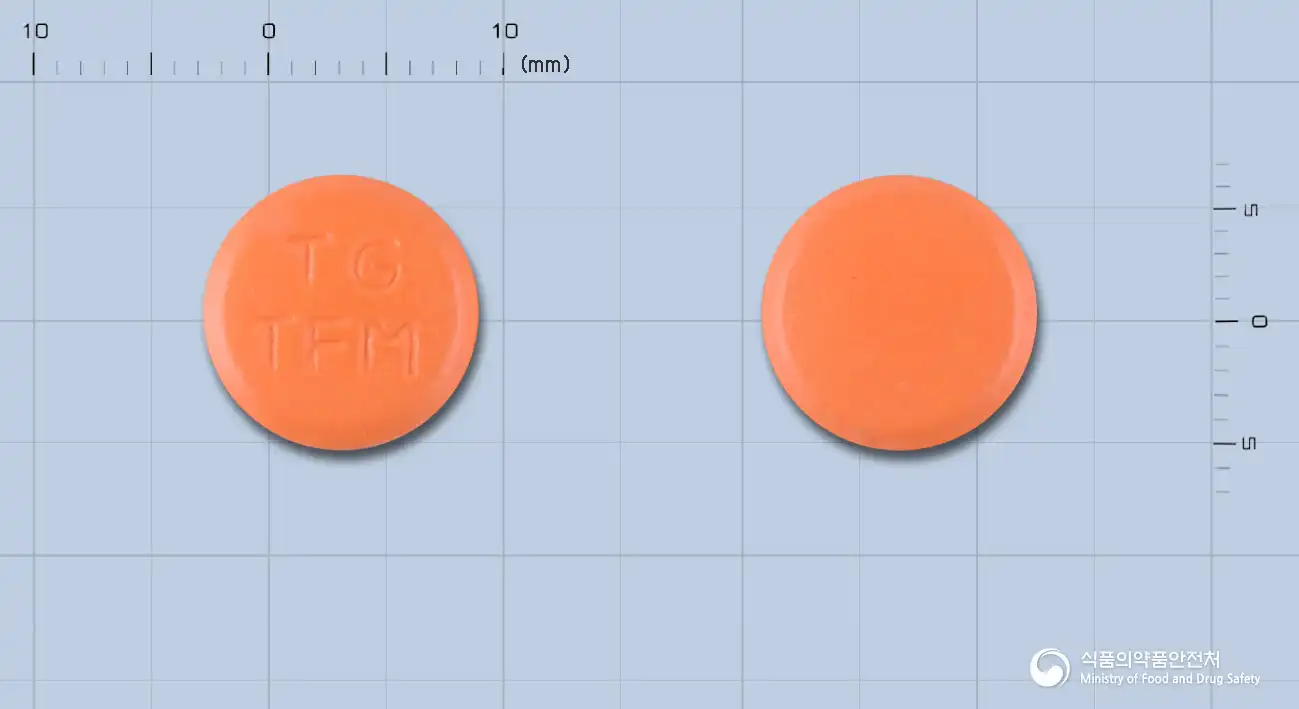
Talniflumate 370mg
Tablet · Prescription medication
Taegeuk Pharmaceutical Co., Ltd.

Talniflumate 370mg
Tablet · Prescription medication
Samjin Pharmaceutical Co., Ltd.
Talniflumate 370mg
Tablet · Prescription medication
Daehwa Pharmaceutical Co., Ltd.
Even with the same ingredient, the dose and directions can differ by strength and dosage form. Talk to a doctor or pharmacist before switching from a medication you are already taking.
No questions yet.
For anything that needs medical judgment, consult a doctor or pharmacist.
This drug information is based on data provided by the Korea Ministry of Food and Drug Safety.
Consult a doctor or pharmacist for accurate dosage, administration, and usage instructions.