
 한국어
한국어 English
 日本語
日本語 中文(简体)
 Viewing now
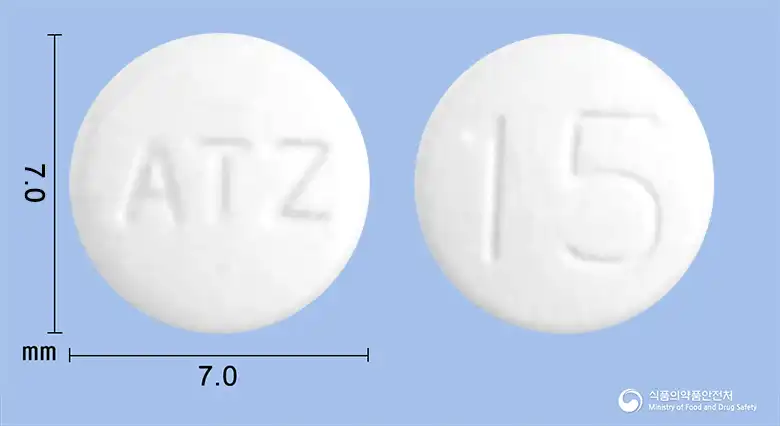
Actozone 15 mg (Pioglitazone Hydrochloride)
Pioglitazone Hydrochloride 16.53mg
Tablet · Prescription medication
Jeil Pharmaceutical Co., Ltd.
MFDS item code 200706892 · Notified 2007.06.15 · Insurance code 645401330
Improvement of Type 2 Diabetes (Blood Sugar Control)
This medicine is used as an adjunct to diet and exercise to improve blood sugar control in patients with type 2 diabetes. It can be administered as monotherapy, and if there is no effect on blood sugar improvement with other oral hypoglycemic agents, it can be used in combination with sulfonylureas, metformin, or insulin. Additionally, nutritional counseling, weight loss, and exercise therapy are also important for patients with type 2 diabetes. These efforts are beneficial not only for initial treatment but also for maintaining the effectiveness of drug therapy. This medicine is effectively used to improve blood sugar control.
This medicine is taken orally once a day, regardless of meals. As monotherapy, it can be started at 15 mg once daily, and if the effect is insufficient, it can be increased to 30 mg once daily. In combination therapy, it is administered at 15 mg once daily with sulfonylureas, metformin, or insulin. The maximum recommended dose does not exceed 30 mg once daily.
There is no experience in using this medicine in children under 18 years, so administration is not recommended.
This medicine is used for the treatment of type 2 diabetes and is effective in patients whose insulin is normally secreted. During the use of this medicine, heart failure may occur or worsen; therefore, patients with heart disease should consult with their doctor before administration. In particular, patients with existing symptoms of heart failure or a history of heart failure should not use this medicine. This medicine can cause fluid retention, leading to edema; thus, if symptoms of edema occur, medical personnel should be informed immediately. Furthermore, patients with a history of bladder cancer or currently having bladder cancer should not take this medicine. Patients with poor liver function or severely impaired kidney function should also avoid this medicine. Women who are pregnant or of childbearing potential should not take this medicine, and premenopausal women should use appropriate contraceptive methods as the risk of pregnancy may increase during use. This medicine may increase the risk of hypoglycemia when combined with other diabetes medications, so caution is needed when used together. Regular monitoring of blood sugar and liver function tests is required during treatment, and any symptoms such as weight gain, sudden edema, or shortness of breath should be reported to a doctor immediately. It is not recommended for use in children or adolescents under 18 years of age as safety and efficacy have not been established. Elderly patients, especially those over 75 years old, should use this medicine cautiously, and dosage adjustments may be necessary. In the case of overdose, immediate hospital visit for appropriate treatment is required. Finally, this medicine should be kept out of the reach of children and stored in its original container.
Edema, congestive heart failure, symptoms and signs of heart failure, severe allergic reactions (hives, severe swelling, chest tightness, difficulty breathing, cold sweat, paleness), severe skin reactions (severe rash, blisters, skin peeling, pain in mouth/eye mucosa with fever), respiratory problems (shortness of breath or difficulty breathing, asthma attacks, cough accompanied by fever), liver abnormalities (yellowing of skin or eyes, generalized fatigue),
Not everyone experiences these, and they can vary from person to person.
This medicine should be stored in a container that protects it from light and air and should avoid humid areas. The storage temperature is generally between 15 to 30 degrees Celsius, with a recommended temperature of 25 degrees. Proper storage maintains the medicine's efficacy and safety.
This medicine is a white, round tablet.
30 tablets/bottle
Even with the same ingredient, strength, dosage form and how it is taken can differ.
Viewing nowPioglitazone Hydrochloride 16.53mg
Tablet · Prescription medication
Jeil Pharmaceutical Co., Ltd.
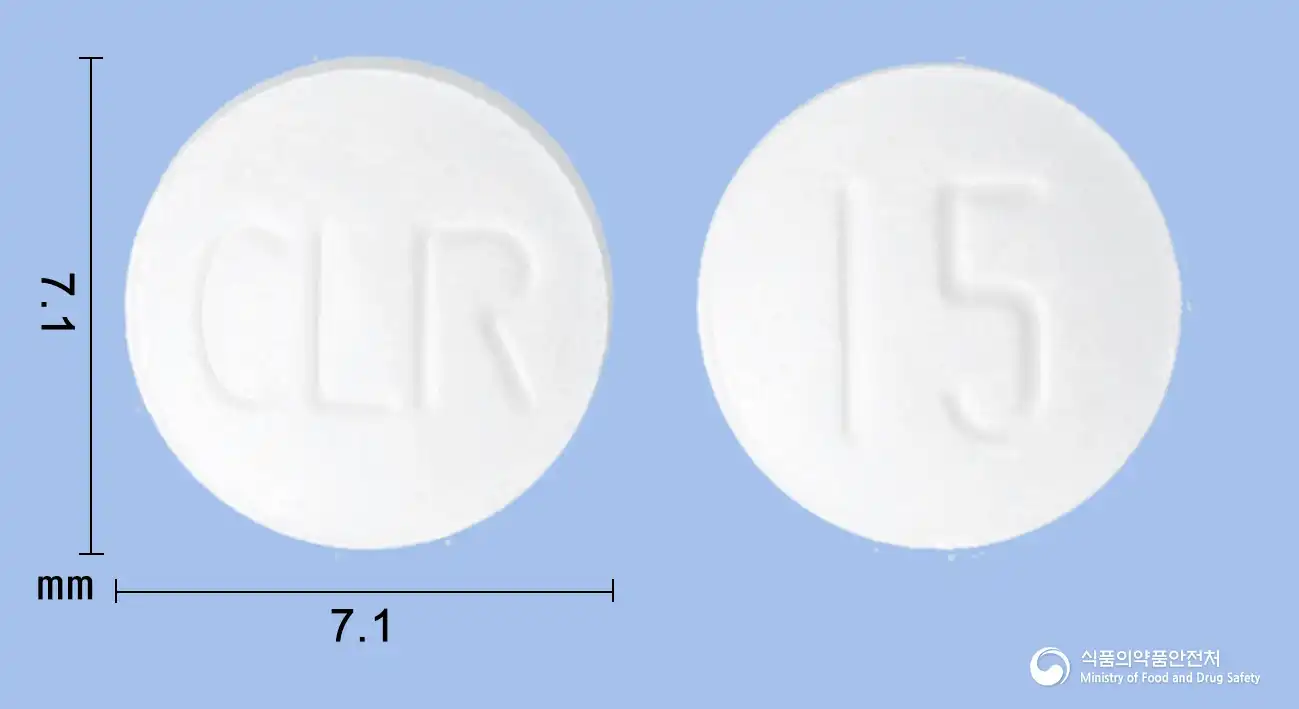
Pioglitazone Hydrochloride 16.53mg
Tablet · Prescription medication
Celltrion Pharmaceutical Co., Ltd.
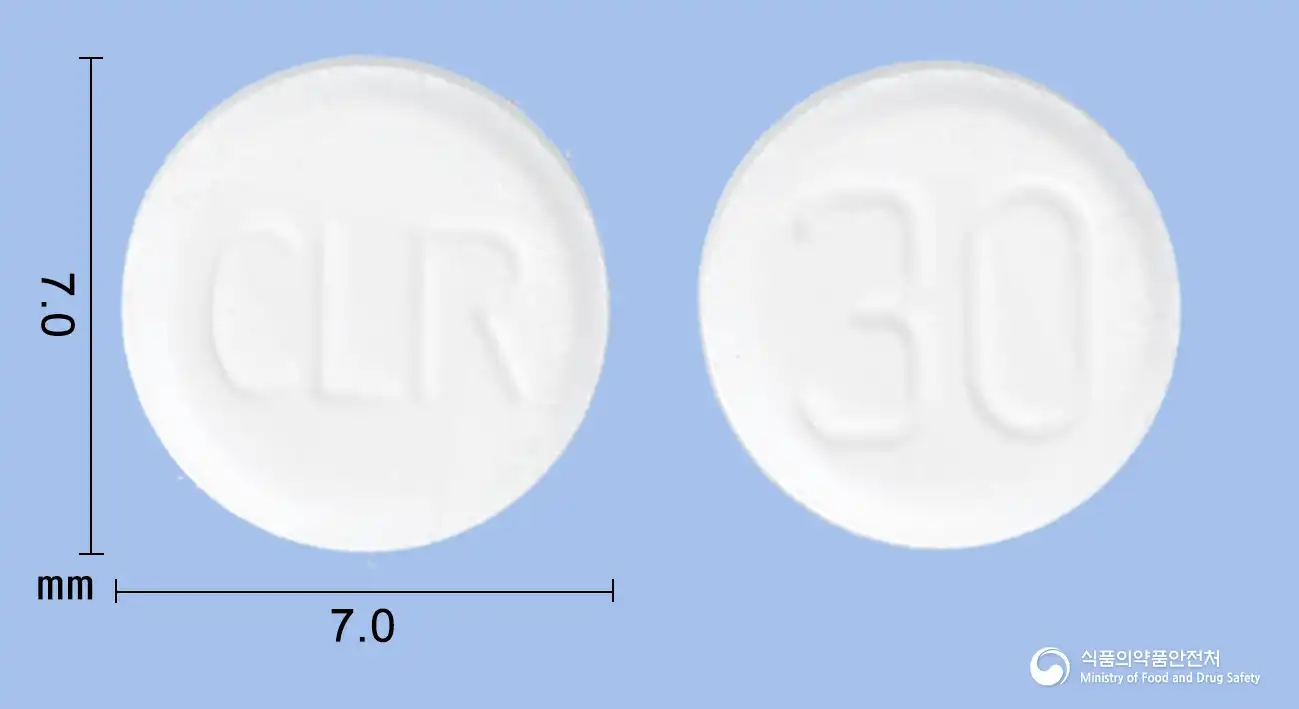
Pioglitazone Hydrochloride 33.06mg
Tablet · Prescription medication
Celltrion Pharmaceutical Co., Ltd.
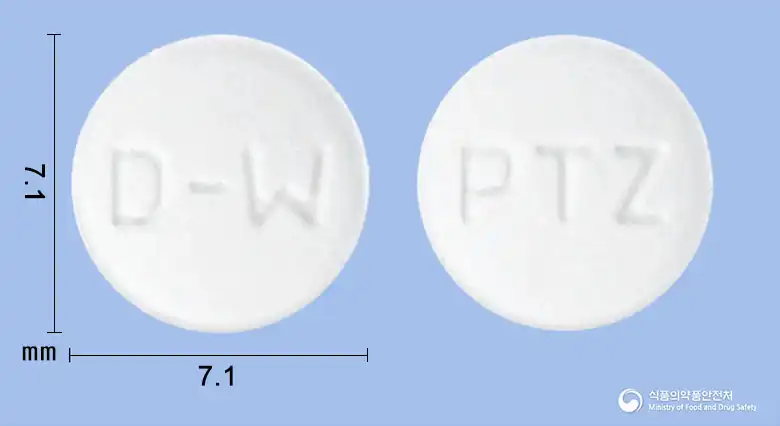
Pioglitazone Hydrochloride 16.53mg
Tablet · Prescription medication
Dongwha Pharmaceutical Co., Ltd.
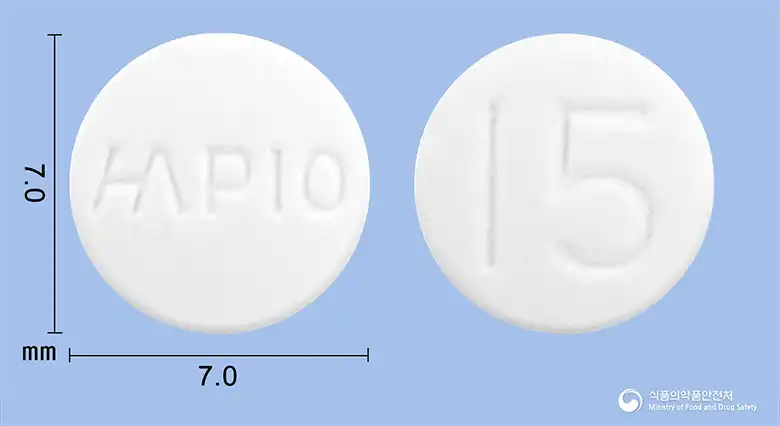
Pioglitazone Hydrochloride 16.53mg
Tablet · Prescription medication
Hanol Bio Pharma Co., Ltd.
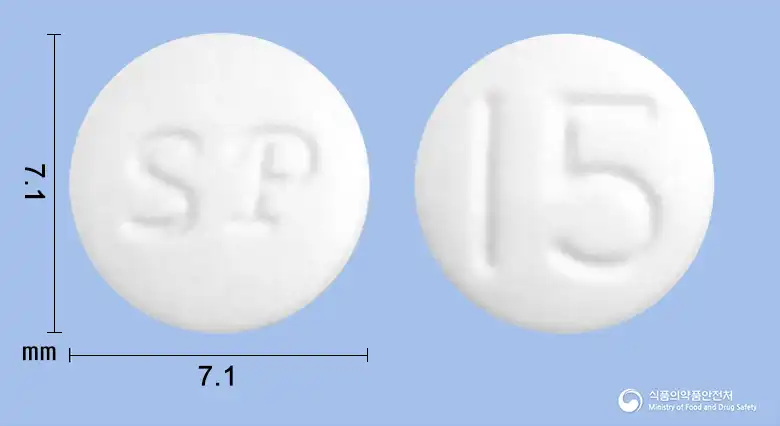
Pioglitazone Hydrochloride 16.53mg
Tablet · Prescription medication
Shinpoong Pharmaceutical Co., Ltd.
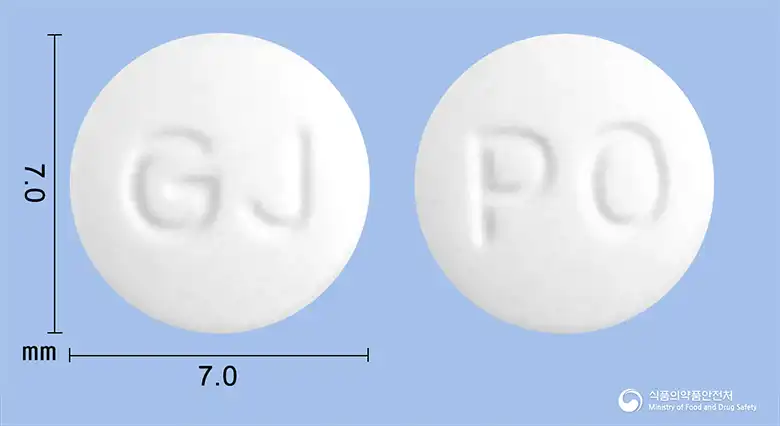
Pioglitazone Hydrochloride 16.53mg
Tablet · Prescription medication
Kujoo Pharmaceutical Co., Ltd.
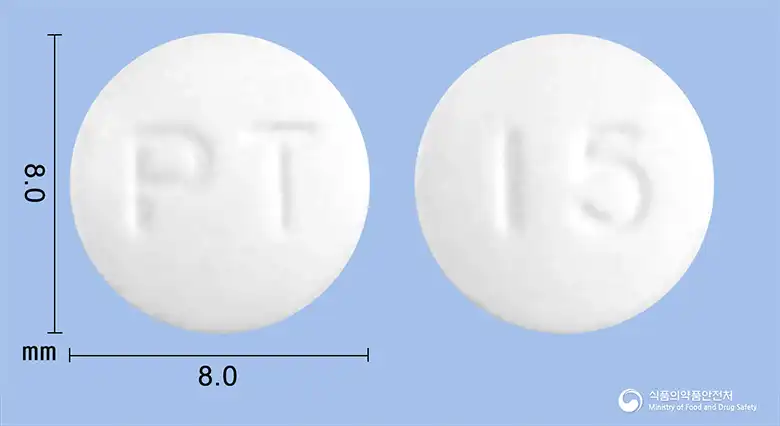
Pioglitazone Hydrochloride 16.53mg
Tablet · Prescription medication
Kyungdong Pharm Co., Ltd.
Even with the same ingredient, the dose and directions can differ by strength and dosage form. Talk to a doctor or pharmacist before switching from a medication you are already taking.
No questions yet.
For anything that needs medical judgment, consult a doctor or pharmacist.
This drug information is based on data provided by the Korea Ministry of Food and Drug Safety.
Consult a doctor or pharmacist for accurate dosage, administration, and usage instructions.