
 한국어
 English
 日本語
 中文(简体)
 Viewing now
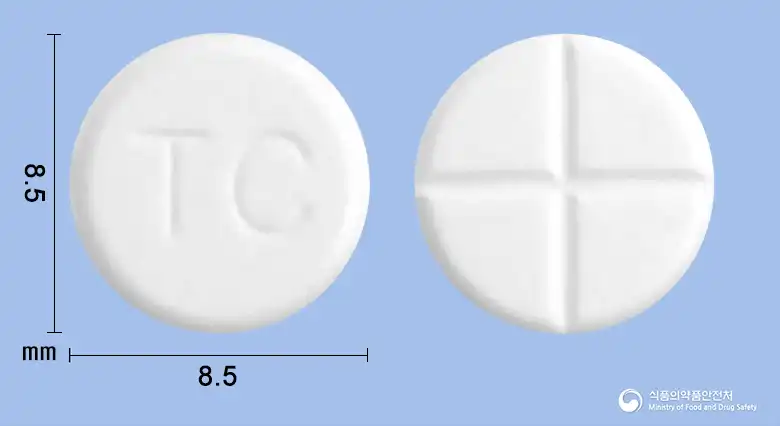
Teracot Tablets (Deflazacort)
Deflazacort Micronized 6mg
Tablet · Prescription medication
Myungmoon Pharmaceutical Co., Ltd.
MFDS item code 200706775 · Notified 2007.06.12 · Insurance code 649803050
Treatment of rheumatic and connective tissue diseases, and diseases of the skin, allergies, lungs, eyes, blood, intestines, liver, and kidneys
This medication is used for improving symptoms of arthritis and myalgia in rheumatic and collagenous diseases, as well as acute febrile conditions. It is also effective for various skin diseases, including pemphigus and psoriasis, and is used for allergic diseases such as bronchial asthma. It helps in treating respiratory diseases like sarcoidosis and allergic alveolitis. It is also indicated for ocular diseases such as choroiditis and iritis, and hematologic disorders like thrombocytopenia and anemia. Moreover, it is used in the treatment of gastrointestinal diseases such as ulcerative colitis, Crohn's disease, chronic active hepatitis, and nephrotic syndrome. Overall, it is an effective medication for treating various autoimmune and inflammatory diseases.
Adults: Administer 6~90mg of deflazacort orally per day.
Children: Adjust the dosage according to the disease. Adjust appropriately based on age and symptoms.
This medication should be used with caution in patients with peptic ulcers as it can worsen the ulcers. In patients with infections that are difficult to heal or systemic fungal infections, it is best not to administer this medication as it may suppress immune function and worsen the infection. Patients with infectious diseases such as chickenpox, herpes zoster, herpes simplex, and tuberculosis should be careful as this medication may suppress immune function and increase the risk of worsening infection symptoms. In patients with eye diseases caused by herpes viruses, this medication may exacerbate symptoms, so it should be avoided. Patients who are receiving or expect to receive live vaccines should not use this medication as it can decrease vaccine effectiveness or cause side effects. Patients with allergies to this medication or its components should not take it. Diabetic patients should exercise special caution as this medication can raise blood sugar levels, worsening their condition. In patients with myasthenia gravis, symptoms may temporarily worsen with initial use, so careful administration is required. Patients with gastritis or esophagitis may experience exacerbation of symptoms during the use of this medication, so caution is needed. Patients with severe osteoporosis should use this medication cautiously as it may lead to weakened bones as a side effect. Patients with psychiatric disorders should be careful as this medication may affect brain neurotransmission, worsening symptoms. Patients with glaucoma may have elevated intraocular pressure, worsening symptoms, so regular ophthalmic examinations are needed. Patients with heart diseases, hypertension, or thromboembolic disorders may experience worsening of symptoms due to increased bodily salt and fluid retention caused by this medication, so salt intake should be restricted and potassium supplementation may be necessary. Patients with bowel-related diseases or postoperative patients should be cautious due to the risk of infections or bowel perforation. Infectious disease patients should receive appropriate treatment alongside this medication as it cannot treat infections alone. Patients with reduced kidney function, anxiety, epilepsy, thyroid dysfunction, or liver cirrhosis should be cautious as their condition may worsen with this medication. Children should be administered cautiously at the minimum effective dose as it may affect growth and development. Long-term use may lead to various side effects, particularly lowering resistance to infections, so caution is necessary. Sudden cessation of the medication can lead to abnormal symptoms, so the dosage should be reduced gradually. While taking this medication, interactions with other drugs may occur, so it is essential to consult a doctor or pharmacist. Pregnant or nursing women should only use this medication in special cases as it may affect the fetus or newborn, and breastfeeding is recommended to be discontinued. Elderly patients are at a higher risk of side effects, so they should be administered with greater caution and monitored closely.
Dyspepsia, peptic ulcer, perforated bleeding of peptic ulcer, acute pancreatitis, candidiasis, hypertension, sodium and water retention, edema, heart failure, hypokalemia, hypokalemic alkalosis, myasthenia, osteoporosis, aseptic necrosis of the femoral and humeral heads, pathological fractures, vertebral compression fractures, tendinopathy, avascular necrosis, muscle wasting, myopathy, thin and fragile skin, ancestry, acne, delayed wound healing, contusion, capillary dilation, skin atrophy, petechiae, purpura, headache, dizziness, euphoria, insomnia, anxiety, depression, psychological dependence, pituitary adenoma, Cushing's syndrome, weight gain, hirsutism, menstrual disorders, amenorrhea, diabetes mellitus, suppression of the hypothalamic-pituitary-adrenal axis, growth disorders, intraocular pressure elevation, glaucoma, posterior subcapsular cataract, secondary infections of the eye, central serous chorioretinopathy, retinal disorders, exophthalmos, masking of infections, opportunistic infections, leukocytosis, thromboembolism, increased appetite, allergic reactions, toxic epidermal necrolysis
Not everyone experiences these, and they can vary from person to person.
This medication should be stored in a sealed container to prevent exposure to air, and it is best to keep it between 1°C and 30°C at room temperature. Proper storage helps maintain the medication's effectiveness.
White round tablets
30 tablets/bottle, 100 tablets/bottle
Even with the same ingredient, strength, dosage form and how it is taken can differ.
Viewing nowDeflazacort Micronized 6mg
Tablet · Prescription medication
Myungmoon Pharmaceutical Co., Ltd.
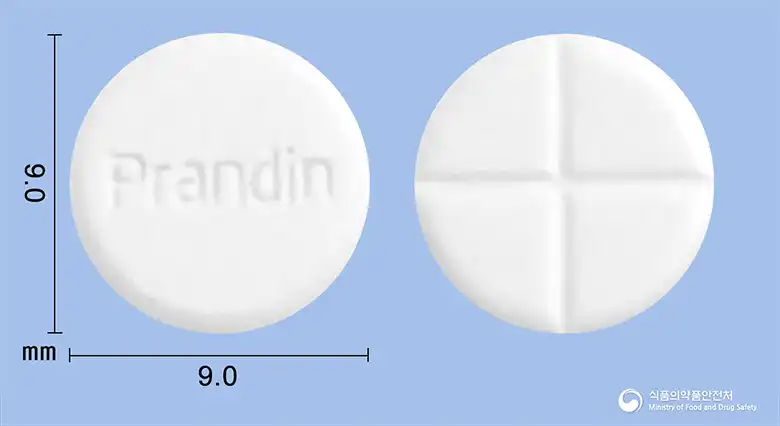
Deflazacort Micronized 6mg
Tablet · Prescription medication
Geonil Pharmaceutical Co., Ltd.
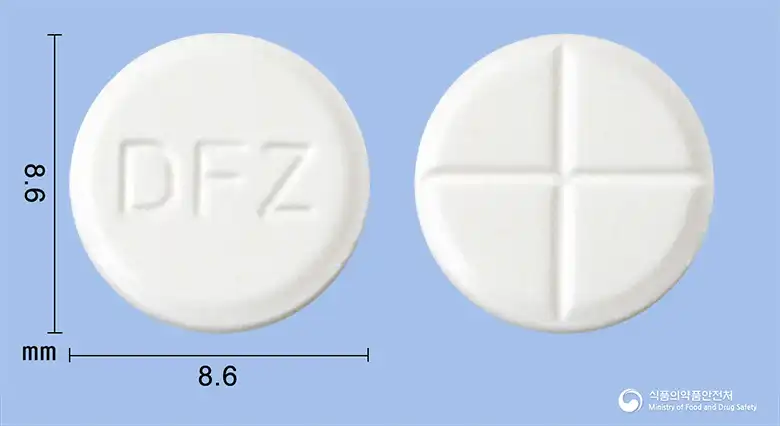
Deflazacort Micronized 6mg
Tablet · Prescription medication
Hallym Pharmaceutical Co., Ltd.
Even with the same ingredient, the dose and directions can differ by strength and dosage form. Talk to a doctor or pharmacist before switching from a medication you are already taking.
No questions yet.
For anything that needs medical judgment, consult a doctor or pharmacist.
This drug information is based on data provided by the Korea Ministry of Food and Drug Safety.
Consult a doctor or pharmacist for accurate dosage, administration, and usage instructions.