
 한국어
 English
 日本語
 中文(简体)
 Viewing now
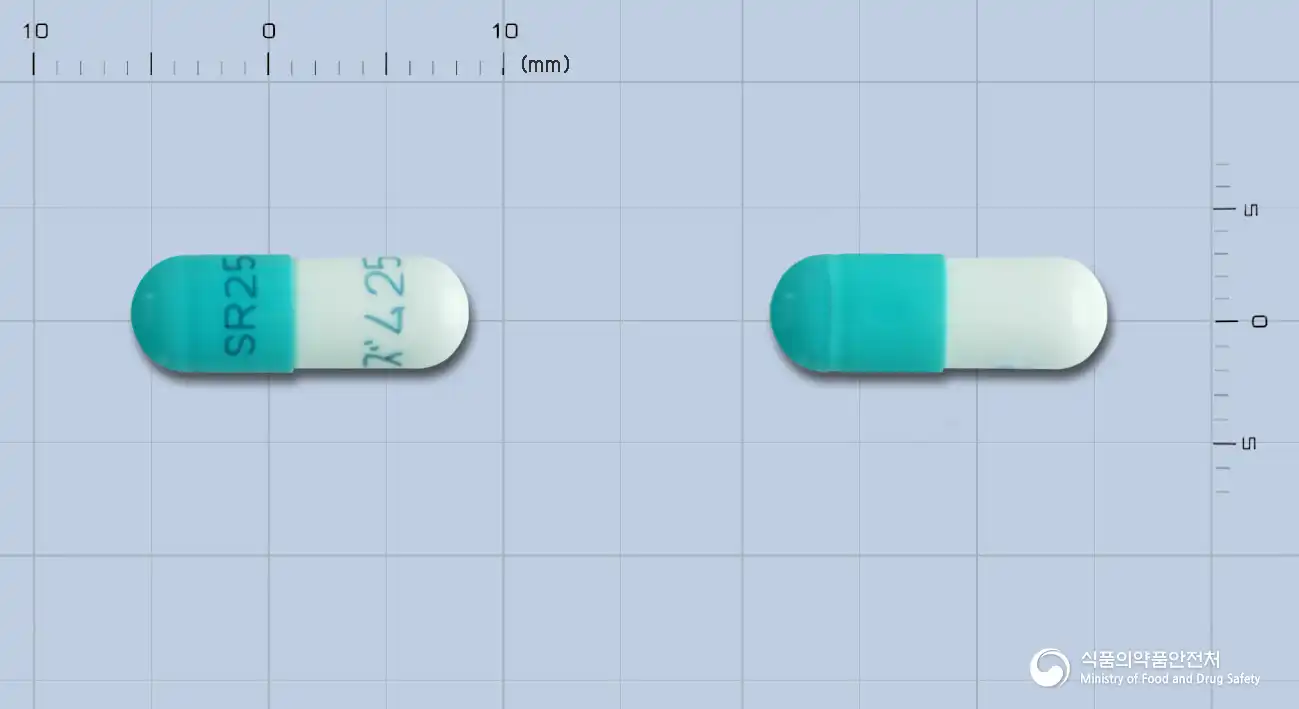
Sun Rhythm Capsule 25 mg (Flecainide Hydrochloride Hydrate)
Pilsicainide Hydrochloride Hydrate 25mg
Hard capsule · Prescription medication
Korea Daiichi Sankyo Co., Ltd.
MFDS item code 200705941 · Approved 2007.05.22 · Insurance code 680900010
Treatment of tachyarrhythmias when other antiarrhythmic drugs cannot be used or are ineffective
This medication helps to regulate rapid heart rhythms that occur when other antiarrhythmic medications cannot be used or are ineffective. It is primarily used to stabilize heart rhythms in patients with tachyarrhythmias and plays a role in maintaining heart rate within the normal range. Through this action, it alleviates patients' symptoms and contributes to improving heart health. Therefore, this medication is effectively used for the treatment of tachyarrhythmias.
The usual adult dose is 50 milligrams of pilsicainide hydrochloride hydrate orally three times daily. The dose may be adjusted according to age and symptoms, but may be increased to 75 milligrams three times daily only in severe cases or when the effect is insufficient. Patients with renal impairment: Reduce the dose or extend the dosing interval. In particular, because high blood concentrations may persist in patients with renal impairment requiring dialysis, administer cautiously while monitoring the patient's condition, starting, for example, at 25 mg daily. (See section 4, General Precautions, under Precautions for Use)
This medication should be used with caution in patients with compromised heart function, as it may exacerbate their condition. In patients with problems in the transmission of electrical signals that regulate heartbeats, this medication may worsen symptoms, so it must be used carefully. This medication contains lactose, and patients with a genetic condition that prevents the digestion of lactose should not take it. Patients with a history of heart disease or those with weakened hearts should closely monitor their condition while using this medication. Patients with renal or liver impairment, the elderly, and those with low blood potassium levels also need special caution when using this medication. Using this medication may lead to various side effects, including abnormal heart rhythms, dizziness, headaches, gastrointestinal disturbances, and skin rashes, so symptoms should be reported immediately if they occur. Serious cardiac side effects may occur, so regular ECG and chest X-ray examinations should be conducted, and if any abnormalities are noted, the medication should be discontinued. This medication may interact with other drugs, so if other medications are taken concurrently, it is essential to inform healthcare providers. Elderly patients may have decreased liver and kidney function, so they should start with a lower dose when first taking this medication. Women who are pregnant or nursing should consult a doctor before taking this medication and should avoid it if necessary. Safety in children has not been sufficiently established, so it is advised not to use it in pediatrics. In cases of overdose, serious symptoms such as abnormal heart rhythms, shock, and loss of consciousness may occur, so if suspected, immediate medical attention is necessary. When taking this medication, care must be taken to remove the tablet from the packaging without swallowing the packaging. It is safer not to use this medication in patients with only mild symptoms after a myocardial infarction. Caution is advised when performing activities that require attention, such as driving or operating machinery, as side effects like dizziness may occur.
Not everyone experiences these, and they can vary from person to person.
This medication may be sensitive to air or moisture, so it should be stored in a tightly sealed container. It is advisable to maintain the storage temperature between 1 to 30 degrees Celsius to safely preserve the efficacy of the medication.
This medication is a hard capsule that is light blue and white, with a white powder inside.
100 capsules (10 capsules/PTPX10) / carton
Even with the same ingredient, strength, dosage form and how it is taken can differ.
Viewing nowPilsicainide Hydrochloride Hydrate 25mg
Hard capsule · Prescription medication
Korea Daiichi Sankyo Co., Ltd.
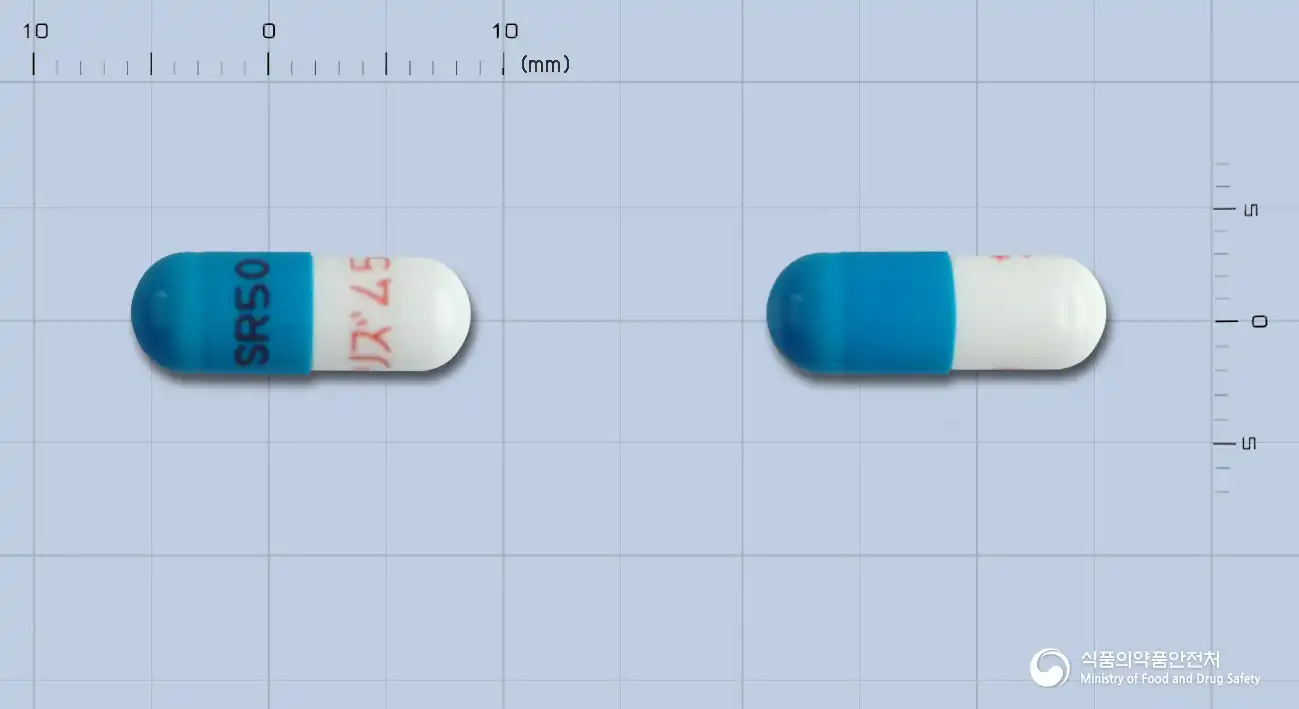
Pilsicainide Hydrochloride Hydrate 50mg
Hard capsule · Prescription medication
Korea Daiichi Sankyo Co., Ltd.
Even with the same ingredient, the dose and directions can differ by strength and dosage form. Talk to a doctor or pharmacist before switching from a medication you are already taking.
No questions yet.
For anything that needs medical judgment, consult a doctor or pharmacist.
This drug information is based on data provided by the Korea Ministry of Food and Drug Safety.
Consult a doctor or pharmacist for accurate dosage, administration, and usage instructions.