
 한국어
 English
 日本語
 中文(简体)
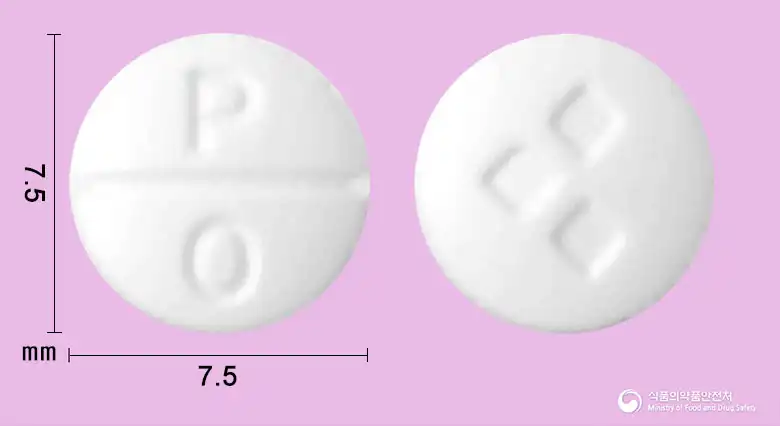 Viewing now
Perospin Tablet 10mg (Methylphenidate Hydrochloride)
Methylphenidate Hydrochloride 10mg
Tablet · Prescription medication
Myungjin Pharmaceutical Co., Ltd.
MFDS item code 200705351 · Approved 2007.05.10 · Insurance code 651902300
Treatment of ADHD and narcolepsy in children and adolescents aged 6 years and older
This medication is primarily used to alleviate symptoms of narcolepsy. It is also effective in treating Attention Deficit Hyperactivity Disorder (ADHD) in children and adolescents aged over 6 years. ADHD is a condition characterized by persistent symptoms such as impulsiveness and inattention which interfere with social, academic, or work performance. This medication assists in improving those symptoms. However, treatment should not rely solely on medication but should also include educational, psychological, and social support, and appropriate treatment methods should be selected based on the patient's condition. This drug forms an important part of the comprehensive treatment program and effectively improves the patient's symptoms.
Narcolepsy: Administer 20 ∼ 60 mg of methylphenidate hydrochloride daily in 1 ∼ 2 divided doses. Adjust the dose as appropriate according to age and symptoms.
Children and adolescents aged 6 years and older — Attention-deficit/hyperactivity disorder: Administer 5 mg of this medication twice daily (before breakfast and lunch). If necessary, increase the dose by 5 ∼ 10 mg at 1-week intervals. Do not exceed 60 mg daily. Discontinue treatment if there is no improvement after taking the appropriate dose for more than 1 month.
This medication may be dangerous for individuals with heart problems, especially for children and adolescents with structural heart abnormalities or arrhythmias, or for adults with cardiovascular diseases. Patients with high blood pressure or unstable heart conditions should have their blood pressure and heart rate monitored regularly while using this medication, as increases may worsen their existing health conditions. Before using this medication, a thorough examination for cardiac diseases is necessary, and if symptoms like chest pain or fainting occur during use, immediate cardiac evaluation in a hospital is required. Patients with psychosis or bipolar disorder should take special care as their symptoms may worsen upon taking this medication. Additionally, new symptoms of psychosis or mania may appear; if such symptoms arise, discontinuation of the medication is possible. Monitoring for behavioral changes such as aggression or hostility in children and adolescents being treated is crucial. Long-term use may affect growth, requiring regular checks on growth parameters, and if issues arise, temporary discontinuation of the medication may be needed. Patients with a history of seizures or abnormal brain activity should be cautious as this medication may induce seizures. Peripheral vascular disorders, particularly Raynaud's phenomenon, may occur rarely, thus any color change or pain in fingers should be reported. Vision disturbances may develop, so consultation with a physician is necessary if ocular discomfort arises. This medication is not to be used in children under 5 years old. Patients with a history of drug dependence or alcohol addiction must exercise caution due to the potential for uncontrolled dosage adjustments. The medication can cause prolonged and painful erections; immediate medical attention is needed if this occurs. It should not be taken by those allergic to it, or with severe anxiety, glaucoma, certain psychiatric disorders, or severe cardiovascular diseases. Regular checks of blood pressure, heart condition, and mental health during medication use are important, and should any side effects arise, medical personnel should be consulted immediately. Women who are pregnant or breastfeeding should consult their doctor before taking this medication, and breastfeeding should be discontinued while using it. Overdose may lead to central nervous system hyperactivity, cardiac problems, and psychiatric symptoms, so strict adherence to dosage is critical, and hospital visits should be made if overdose occurs. This medication must be kept out of the reach of children and stored in its original container to maintain quality. It may interact with other medications; if other medications are being taken, the prescribing physician or pharmacist must be informed. Caution is needed when driving or operating machinery, as symptoms such as dizziness may occur.
Not everyone experiences these, and they can vary from person to person.
This medication may be sensitive to air and moisture, so it should be stored in a tightly sealed container. Additionally, it is best to store the medication at room temperature between 1 to 30 degrees Celsius, avoiding extreme heat or cold.
White round tablet
30 tablets/bottle, 200 tablets/bottle
Even with the same ingredient, strength, dosage form and how it is taken can differ.
Viewing nowMethylphenidate Hydrochloride 10mg
Tablet · Prescription medication
Myungjin Pharmaceutical Co., Ltd.
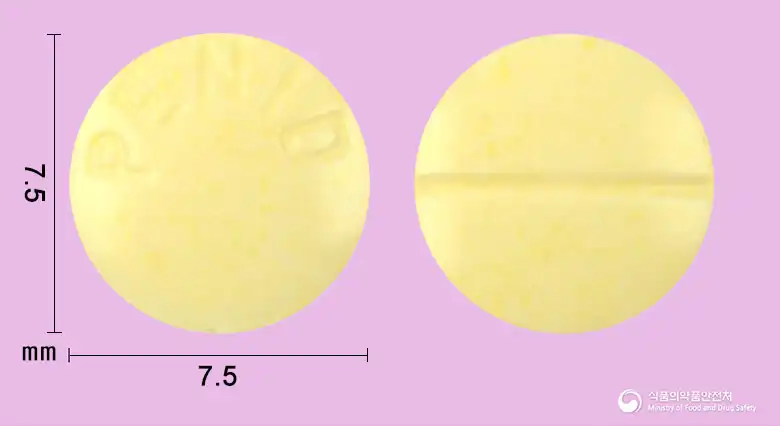
Methylphenidate Hydrochloride 5mg
Tablet · Prescription medication
Hanin Pharmaceutical Co., Ltd.
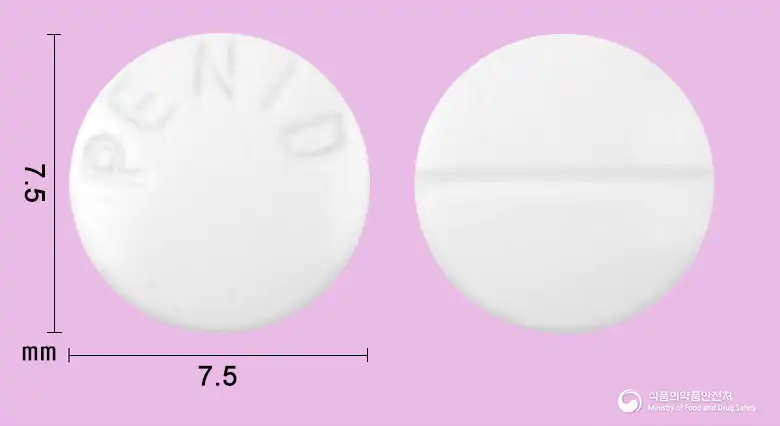
Methylphenidate Hydrochloride 10mg
Tablet · Prescription medication
Hwanin Pharmaceutical Co., Ltd.
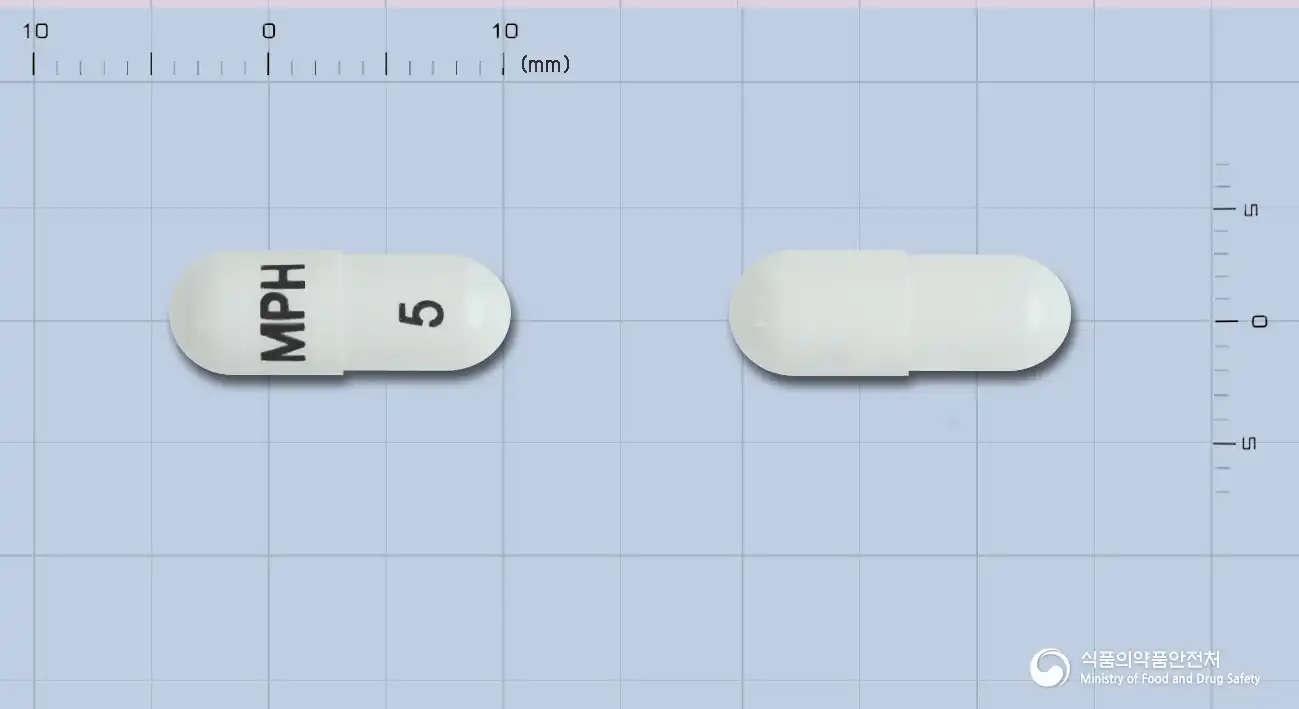
Methylphenidate Hydrochloride 2.5mg
Prescription medication
Myungjin Pharmaceutical Co., Ltd.
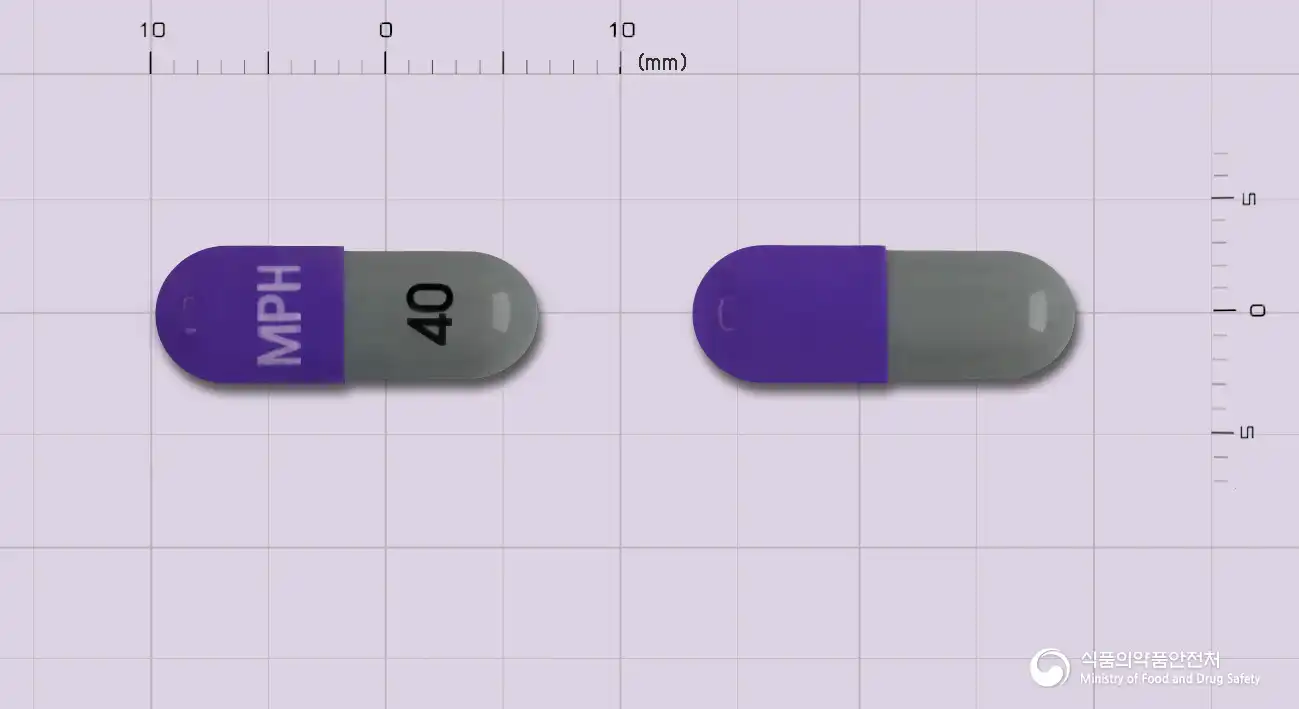
Methylphenidate Hydrochloride 20mg
Hard capsule · Prescription medication
Myungjin Pharmaceutical Co., Ltd.
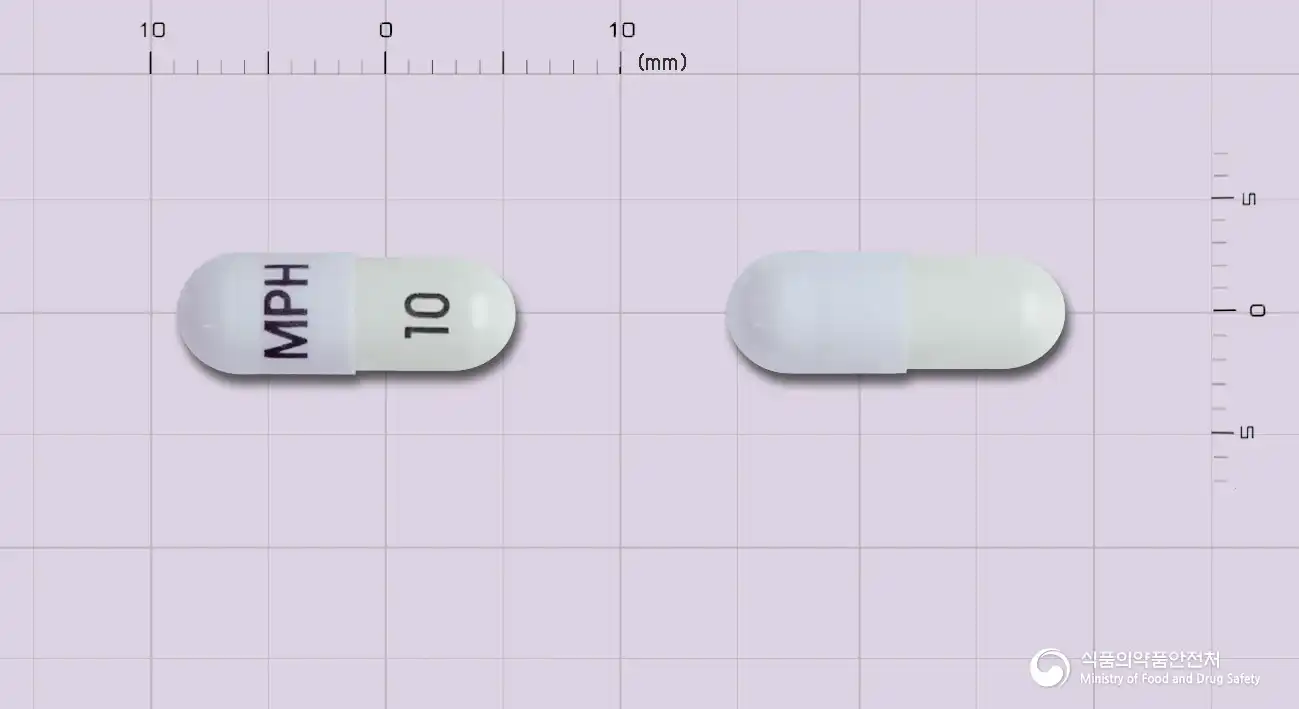
Methylphenidate Hydrochloride 5mg
Hard capsule · Prescription medication
Myeongin Pharmaceutical Co., Ltd.
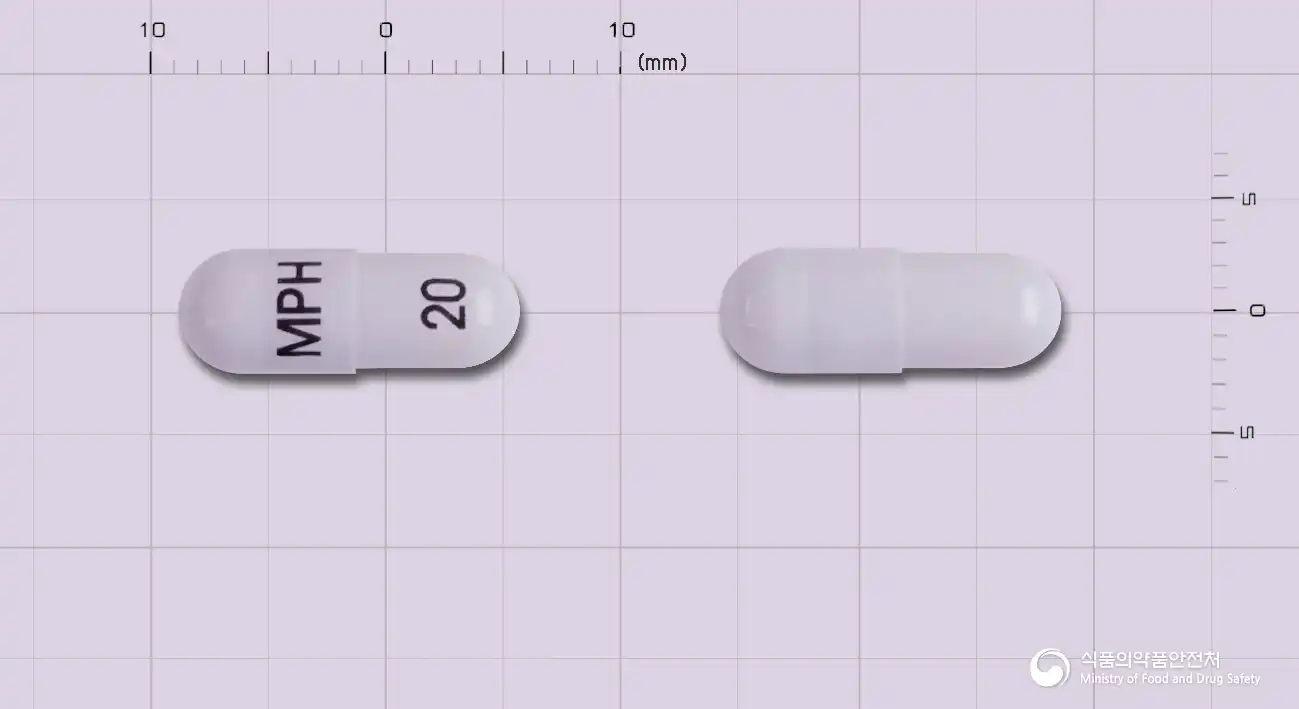
Methylphenidate Hydrochloride 10mg
Hard capsule · Prescription medication
Myungin Pharmaceutical Co., Ltd.
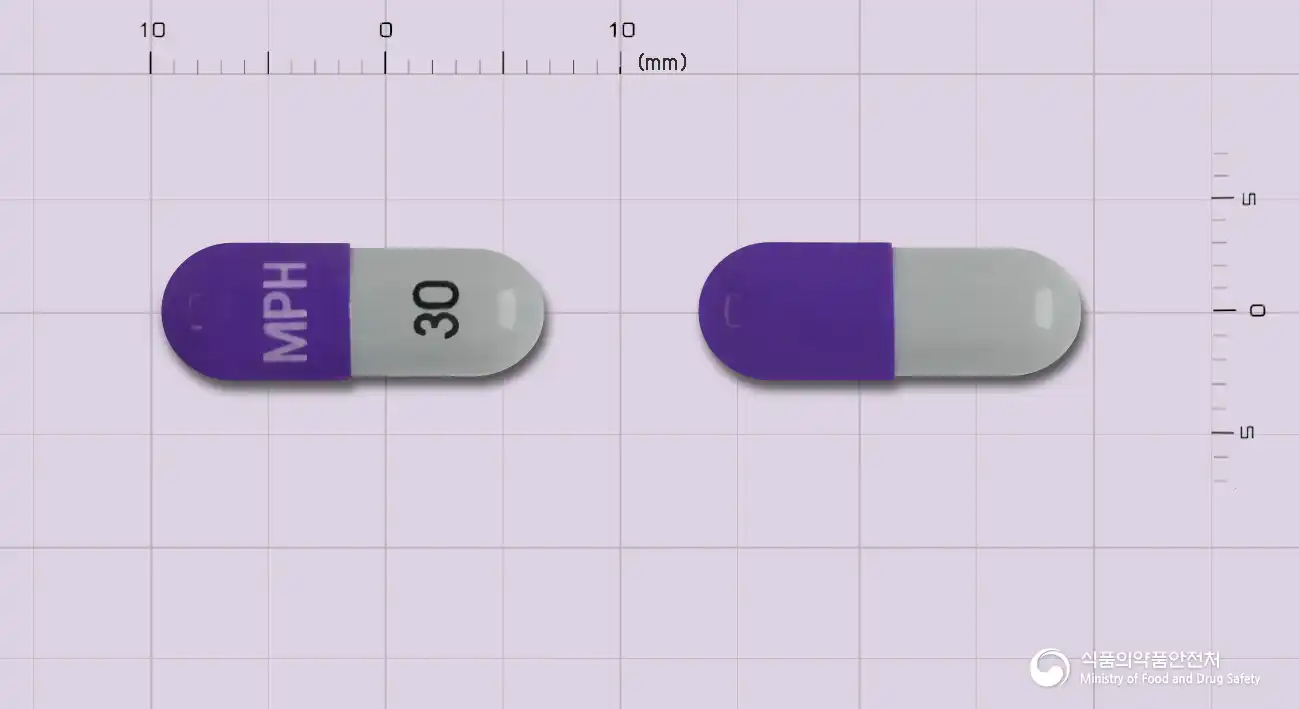
Methylphenidate Hydrochloride 15mg
Hard capsule · Prescription medication
Myungin Pharmaceutical Co., Ltd.
Even with the same ingredient, the dose and directions can differ by strength and dosage form. Talk to a doctor or pharmacist before switching from a medication you are already taking.
No questions yet.
For anything that needs medical judgment, consult a doctor or pharmacist.
This drug information is based on data provided by the Korea Ministry of Food and Drug Safety.
Consult a doctor or pharmacist for accurate dosage, administration, and usage instructions.