
 한국어
 English
 日本語
 中文(简体)
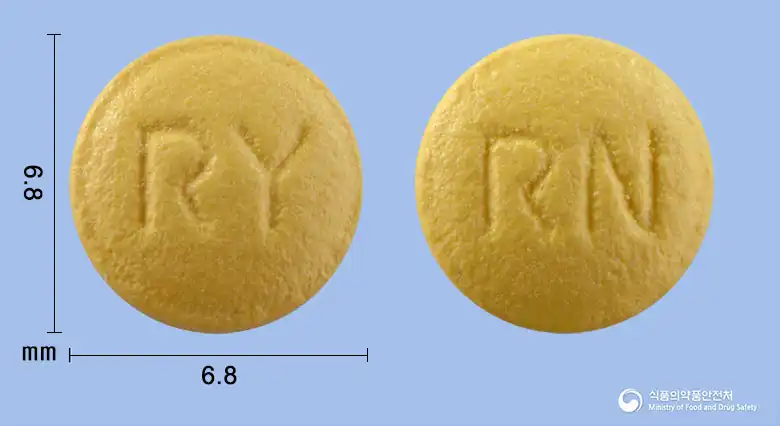 Viewing now
Neobet 10mg Tablet (Rabeprazole Sodium)
Rabeprazole Sodium 10mg
Tablet · Prescription medication
Iyun Pharmaceutical Co., Ltd.
MFDS item code 200704319 · Notified 2007.04.12 · Insurance code 658601140
Treatment of gastroesophageal reflux disease, peptic ulcers (including use in combination for eradication therapy), and Zollinger-Ellison syndrome
This medication is used to treat ulcers in the digestive tract, such as gastric and duodenal ulcers. It also helps relieve symptoms of erosive or ulcerative gastroesophageal reflux disease and is beneficial for long-term maintenance therapy in gastroesophageal reflux disease. For patients with gastric ulcers infected with Helicobacter pylori, it is used in combination with antibiotics, and it is effective, though rare, for Zollinger-Ellison syndrome. This medication works by regulating gastric acid secretion to improve gastrointestinal disorders.
Gastric ulcer, duodenal ulcer The usual dose for adults is 10 mg of rabeprazole sodium orally once daily. Depending on symptoms, 20 mg may be administered orally once daily. Treatment is usually given for up to 8 weeks for gastric ulcers and up to 6 weeks for duodenal ulcers. Erosive or ulcerative gastroesophageal reflux disease Administer 10 mg or 20 mg once daily for 4 ∼ 8 weeks. If the condition has not resolved after 8 weeks of proton pump inhibitor (PPI) treatment, 10 mg or 20 mg may be administered orally twice daily for an additional 8 weeks. However, 20 mg twice daily is limited to patients with confirmed severe mucosal damage. Symptom relief of gastroesophageal reflux disease Administer 10 mg once daily. If symptoms are not controlled after 4 weeks of treatment, further evaluation is required. After symptoms resolve, subsequent symptoms may be controlled, if needed, using on-demand therapy with 10 mg once daily. Long-term maintenance therapy for gastroesophageal reflux disease Administer 10 mg or 20 mg orally once daily, depending on the patient. Helicobacter pylori eradication Patients infected with Helicobacter pylori should receive eradication therapy. It is recommended that this medication 20 mg be administered in combination with clarithromycin 500 mg and amoxicillin 1 g twice daily for 7 days. Zollinger-Ellison syndrome The recommended initial dose for adults is 60 mg once daily. The dose may be adjusted according to the needs of each patient, up to 120 mg daily. Doses up to 100 mg may be administered once daily, while the 120 mg dose should be divided into 60 mg twice daily. Patients with Zollinger-Ellison syndrome have received this medication for up to 1 year.
Safety in pediatric patients has not been established.
This medication should not be used in patients who are allergic to this drug or its ingredients, or who have a history of hypersensitivity to benzimidazoles. Additionally, patients who are allergic to antibiotics such as amoxicillin or clarithromycin should not be treated concurrently for Helicobacter pylori eradication. It is advisable for patients taking specific cardiac-related drugs, some antivirals, or for pregnant or nursing women to avoid using this medication. Patients with impaired liver function, elderly patients, or those with a history of drug allergies should use this medication cautiously. Regular check-ups are necessary during treatment, as allergic symptoms such as skin rash or itching, blood abnormalities, liver function abnormalities, and cardiac or gastrointestinal symptoms may occur. If severe side effects are suspected, discontinue use immediately and consult with a healthcare professional. This medication can significantly suppress gastric acid secretion, increasing the risk of bacterial infections, so a hospital visit is necessary if diarrhea or respiratory symptoms persist. Be cautious as drowsiness may occur when driving or operating machinery. There may be interactions with other medications, so patients taking other drugs should inform their healthcare provider. Pregnant or nursing women should not take this medication, and regular check-ups are important during long-term use.
Rash, urticaria, itching, erythrocytopenia, leukopenia, leukocytosis, eosinophilia, neutrophilia, lymphocytopenia, anemia, petechiae, lymphadenopathy, hypochromic anemia, pancytopenia, agranulocytosis, thrombocytopenia, hemolytic anemia, elevated ALT, elevated AST, elevated ALP, elevated γ-GTP, elevated LDH, elevated total bilirubin, fulminant hepatitis, liver dysfunction, jaundice, hypertension, myocardial infarction, electrocardiogram abnormalities, migraine, syncope, angina pectoris, atrioventricular block, palpitations, bradycardia, tachycardia, pulmonary embolism, ventricular tachycardia, thrombophlebitis, vasodilation, prolonged QTc, ventricular tachycardia, diarrhea, constipation, abdominal pain, abdominal distension, dyspepsia, belching, nausea, rectal bleeding, bloody stools, anorexia, cholelithiasis, oral ulcers, dysphagia, gingivitis, cholecystitis, increased appetite, abnormal stool, colitis, esophagitis, glossitis, pancreatitis, proctitis, thirst, vomiting, lower abdominal pain, gastric mass, gastritis, stomatitis, taste distortion, hemorrhagic diarrhea, cholangitis, duodenitis, gastrointestinal bleeding, hepatic encephalopathy, hepatitis, liver cancer, hepatic steatosis, sialadenopathy, thirst, headache, insomnia, anxiety, dizziness, seizures, abnormal dreams, decreased libido, neuropathy, sensory disturbances, tremors, weakness, neural hyperreactivity, drowsiness, vertigo, depression, agitation, amnesia, confusion, extrapyramidal syndrome, hypervolemia, weakness of the limbs, sensory impairment, decreased grip strength, language confusion, staggering, delirium, disorientation, hypersomnia, cough, pharyngitis, rhinitis, dyspnea, asthma, epistaxis, laryngitis, hiccups, hyperventilation, bronchitis, sinusitis, apnea, respiratory depression, interstitial pneumonia, myalgia, low back pain, arthritis, leg cramps, bone pain, arthropathy, bursitis, hypertonia, neuralgia, myotonic contractions, sweating, alopecia, xeroderma, herpes zoster, psoriasis, skin color changes, toxic epidermal necrolysis, mucous membrane pemphigoid, erythema multiforme, cataract, amblyopia, glaucoma, dry eyes, abnormal visual fields, tinnitus, otitis media, corneal opacity, blurriness, diplopia, hearing loss, eye pain, retinal degeneration, strabismus, proteinuria, cystitis, polyuria, dysmenorrhea, dysuria, kidney stones, uterine bleeding, polyuria, gynecomastia, elevated thyroid-stimulating hormone, Clostridium difficile-associated diarrhea, systemic lupus erythematosus, cutaneous lupus erythematosus
Not everyone experiences these, and they can vary from person to person.
This medication should be stored in a tightly sealed container to prevent exposure to air or moisture. It is important to maintain the storage temperature between 1 and 30 degrees Celsius at room temperature.
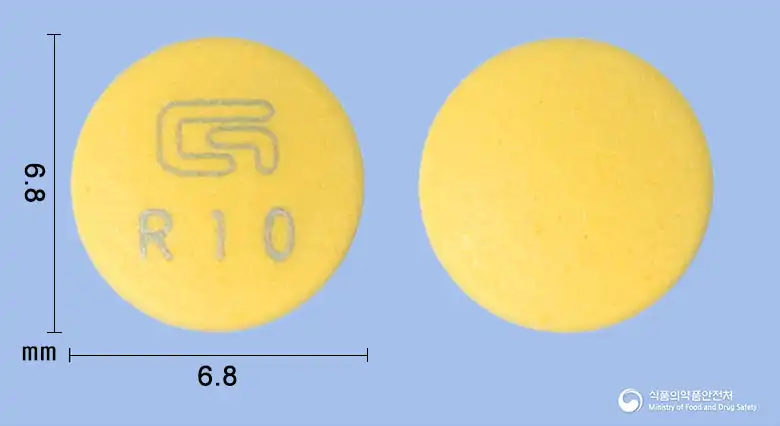
Pale yellow round enteric-coated tablet
28 tablets (14 tablets/AluAlu pack × 2)
Even with the same ingredient, strength, dosage form and how it is taken can differ.
Viewing nowRabeprazole Sodium 10mg
Tablet · Prescription medication
Iyun Pharmaceutical Co., Ltd.
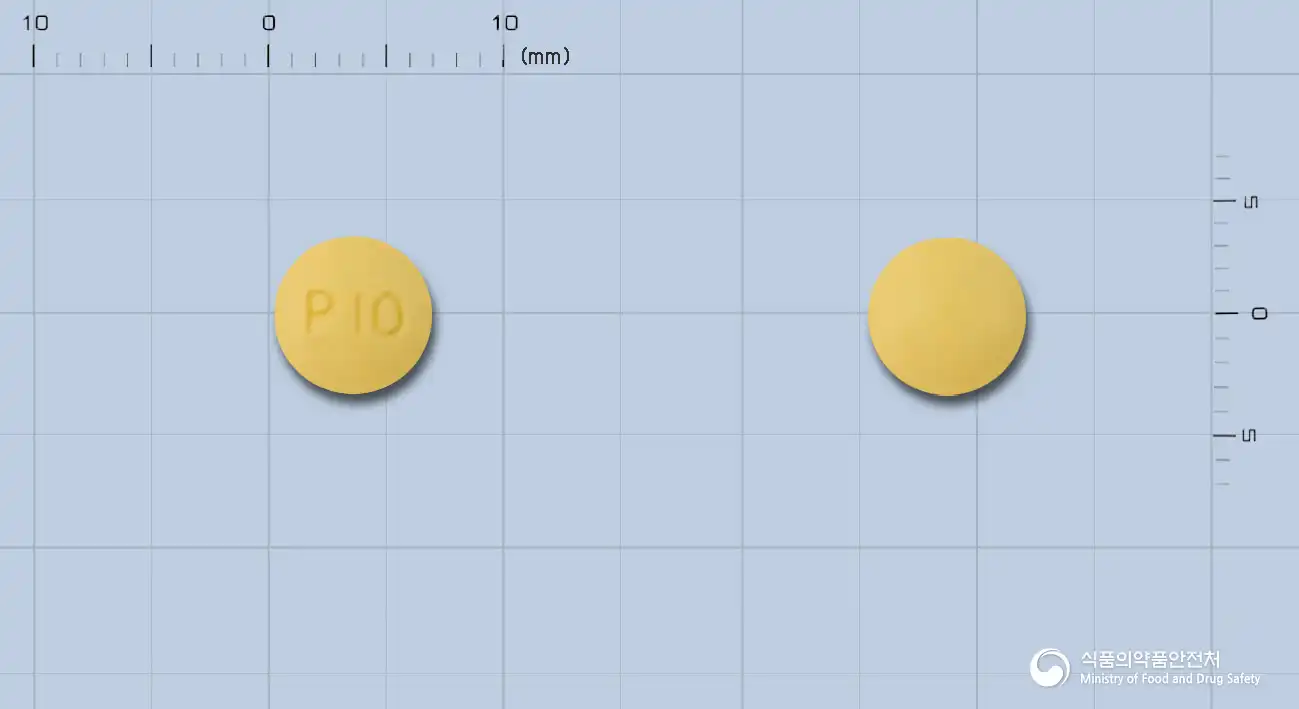
Rabeprazole Sodium 10mg
Tablet · Prescription medication
Genewon Sciences Co., Ltd.
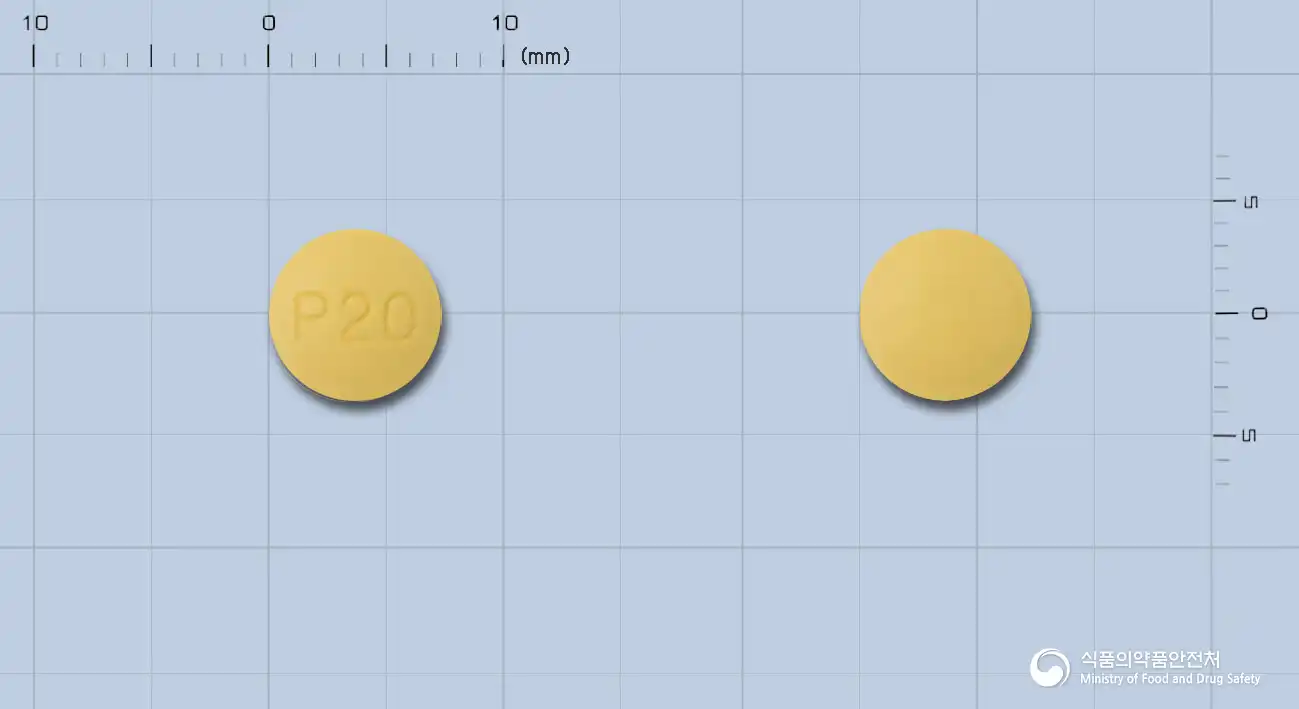
Rabeprazole Sodium 20mg
Tablet · Prescription medication
Genewell Science Co., Ltd.

Rabeprazole Sodium 20mg
Tablet · Prescription medication
Ilyun Pharmaceutical Co., Ltd.

Rabeprazole Sodium 10mg
Tablet · Prescription medication
Shinpoong Pharm. Co., Ltd.
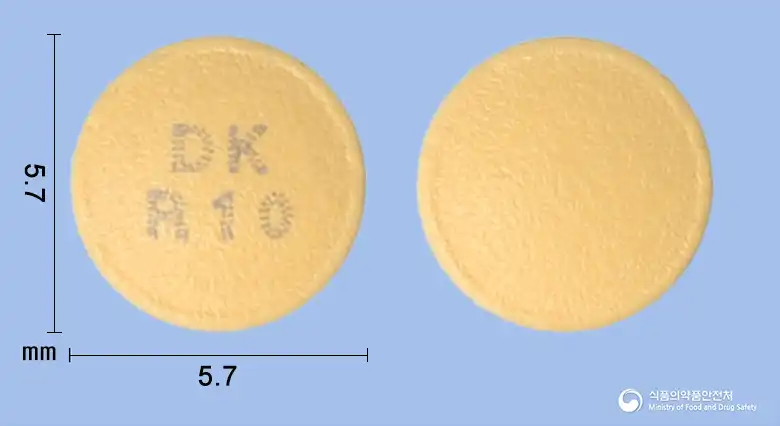
Rabeprazole Sodium 10mg
Tablet · Prescription medication
Dongkuk Pharmaceutical Co., Ltd.

Rabeprazole Sodium 20mg
Tablet · Prescription medication
Jongkundang Co., Ltd.
Rabeprazole Sodium 10mg
Tablet · Prescription medication
Donggwang Pharmaceutical Co., Ltd.
Even with the same ingredient, the dose and directions can differ by strength and dosage form. Talk to a doctor or pharmacist before switching from a medication you are already taking.
No questions yet.
For anything that needs medical judgment, consult a doctor or pharmacist.
This drug information is based on data provided by the Korea Ministry of Food and Drug Safety.
Consult a doctor or pharmacist for accurate dosage, administration, and usage instructions.