
 한국어
한국어 English
 日本語
日本語 中文(简体)
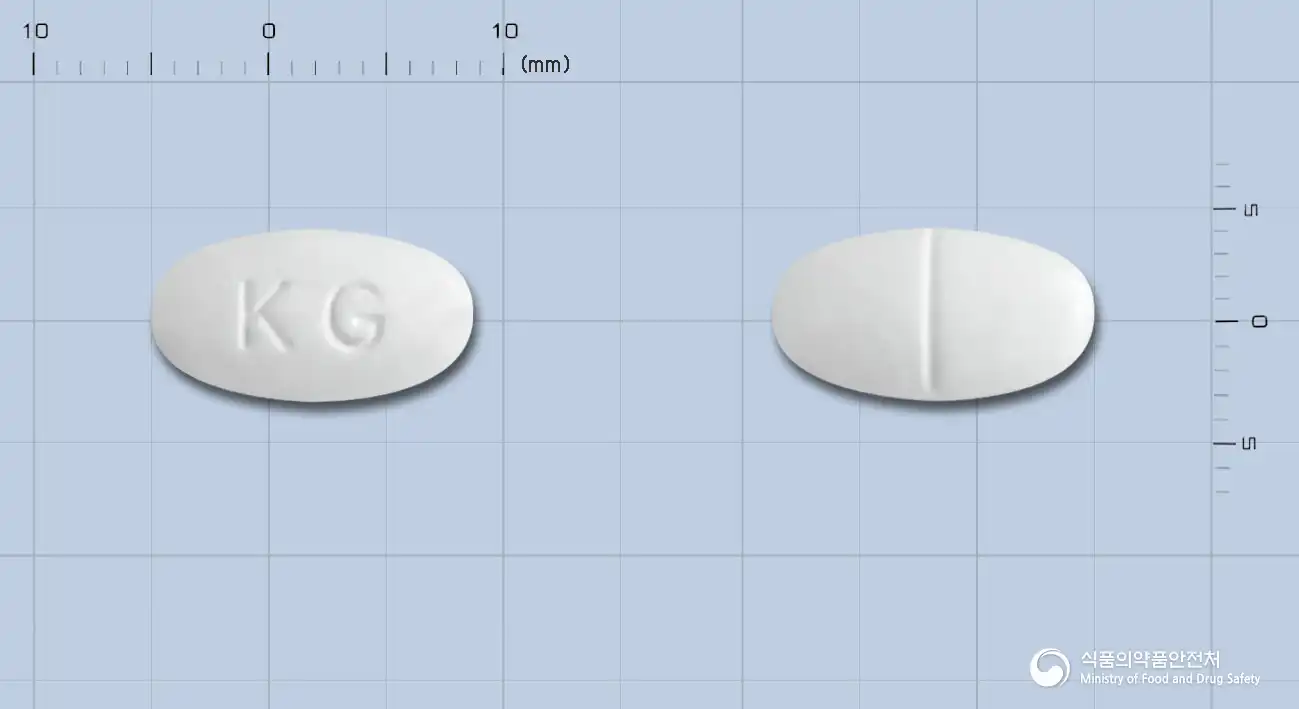 Viewing now
Irbel Tablet (Irbesartan)
Irbesartan 150mg
Tablet · Prescription medication
Kips Biopharma Co., Ltd.
MFDS item code 200703851 · Notified 2007.04.04 · Insurance code 693200340
Improvement of kidney disease in patients with essential hypertension and type 2 diabetes
This medication helps control blood pressure in patients with essential hypertension, and it is used for the prevention and treatment of kidney disease that may occur in patients with hypertension and type 2 diabetes.
For essential hypertension, 150 mg of Irbesartan is administered orally once daily, with the dose increased to 300 mg if the effect is insufficient. In special cases (such as early treatment, patients undergoing hemodialysis, or elderly patients over 75 years), 75 mg may be considered. For the treatment of kidney disease in patients with hypertension and type 2 diabetes, it is recommended to start at 150 mg once daily and maintain by increasing to 300 mg.
This medication may cause serious harm to the fetus or newborn, especially during pregnancy, so it should be discontinued immediately if pregnancy is confirmed. It should not be used in individuals with hypersensitivity to this drug, or in pregnant or breastfeeding women, severe liver impairment patients, or patients with specific hereditary diseases. Caution is advised for elderly patients or those with hyperkalemia, liver impairment, or heart disease, and blood pressure, kidney function, and electrolyte levels should be monitored regularly. Mild side effects such as dizziness, fatigue, headache, cough, and indigestion may occur during treatment, but they are mostly transient. Rarely, severe side effects may occur, such as angioedema, hyperkalemia, shock, renal failure, liver dysfunction, hypoglycemia, and myalgia, so if any unusual symptoms occur, medical advice should be sought immediately. This drug may interact with other antihypertensives, diuretics, potassium preparations, lithium, and nonsteroidal anti-inflammatory drugs (NSAIDs), so it is essential to inform about any concurrent medications. Women who are pregnant or planning to become pregnant should not take this medication, and nursing mothers are also advised to avoid it. The safety and efficacy in children have not been established, so it should not be used in pediatric patients. Elderly patients may be at risk of stroke and other complications due to blood pressure lowering, so treatment should start at a low dose and their condition should be carefully monitored. In cases of overdose, symptoms such as hypotension and tachycardia may occur, and appropriate treatment and monitoring should be provided according to the symptoms. Store out of reach of children, and do not transfer to other containers.
Hives, severe swelling (edema), angioedema, chest tightness, difficulty breathing, cold sweat, pallor, severe rash with high fever, blisters, skin peeling, pain in oral/ocular mucosa, breathlessness or difficulty breathing, asthma attacks, respiratory distress accompanied by cough and fever, jaundice (yellowing of skin or eyes), profound lethargy, sudden and severe headaches, lightning headaches, seizures, confusion of consciousness, visual disturbances,
Not everyone experiences these, and they can vary from person to person.
This medication should be stored in a tightly closed container to prevent exposure to air or moisture. It is also advisable to store it in a cool, dry place below 30 degrees Celsius.
White or almost white, convex oval tablet
30 tablets/bottle, 100 tablets/bottle
Even with the same ingredient, strength, dosage form and how it is taken can differ.
Viewing nowIrbesartan 150mg
Tablet · Prescription medication
Kips Biopharma Co., Ltd.
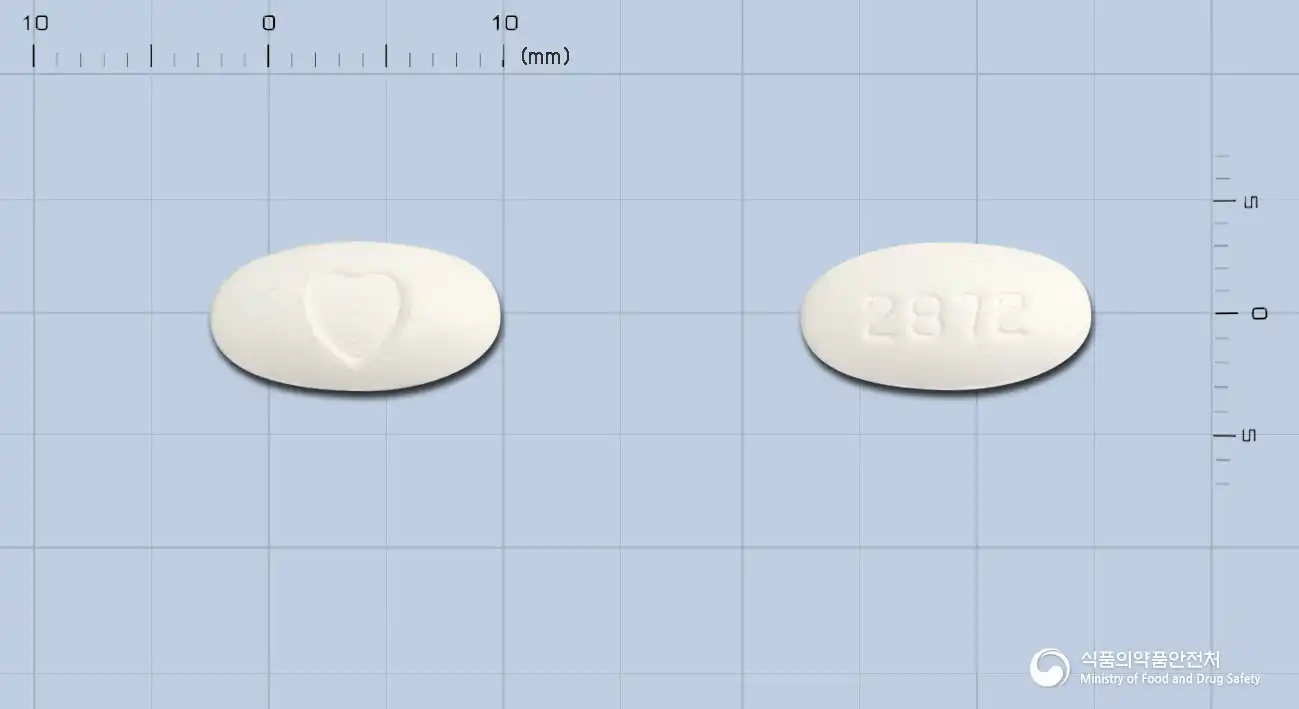
Irbesartan 150mg
Tablet · Prescription medication
Handok Co., Ltd.
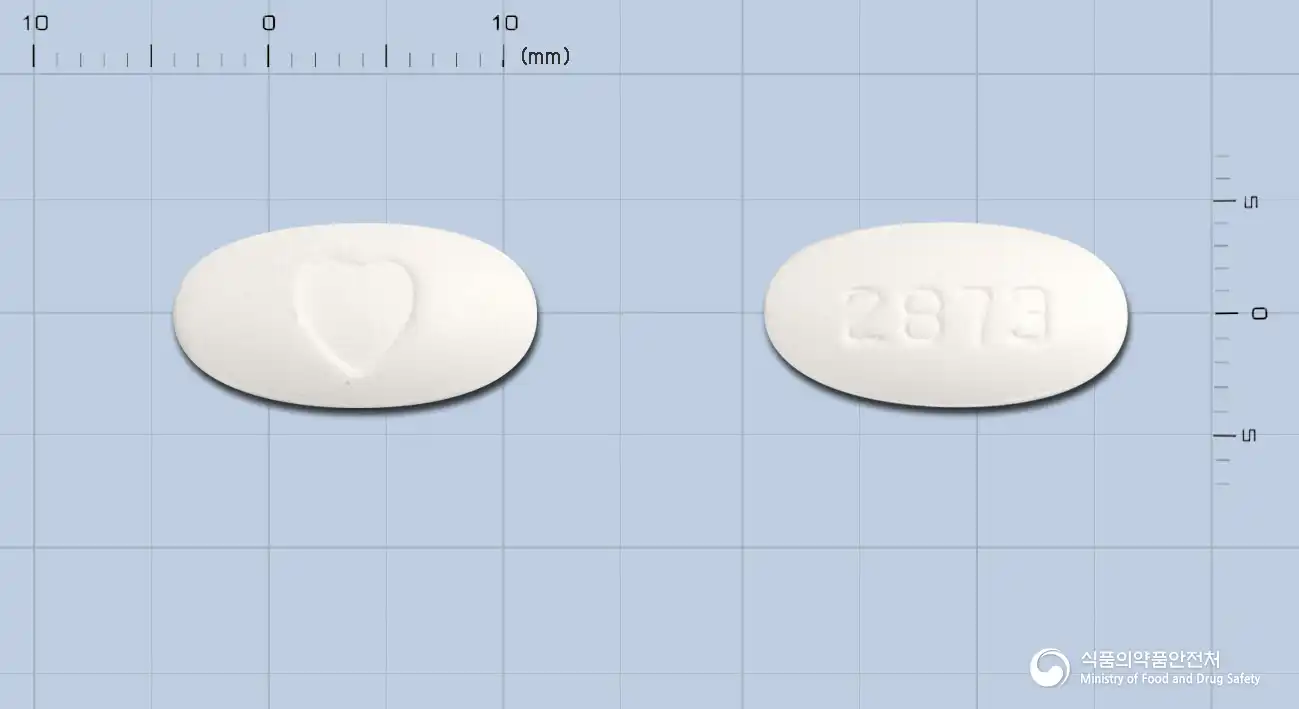
Irbesartan 300mg
Tablet · Prescription medication
Handok Co., Ltd.
Irbesartan 150mg
Tablet · Prescription medication
Hanwha Pharmaceutical Co., Ltd.
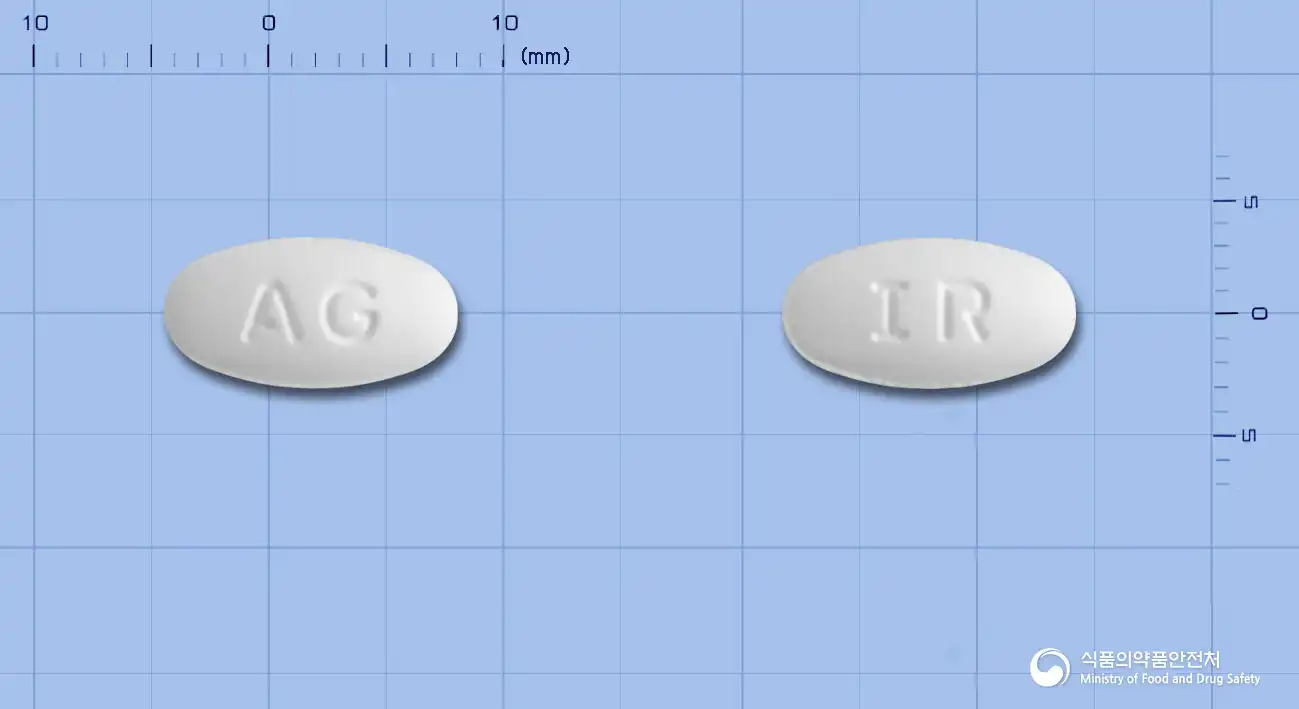
Irbesartan 150mg
Tablet · Prescription medication
Anguk Pharmaceutical Co., Ltd.
Irbesartan 150mg
Prescription medication
Bionex Co., Ltd.
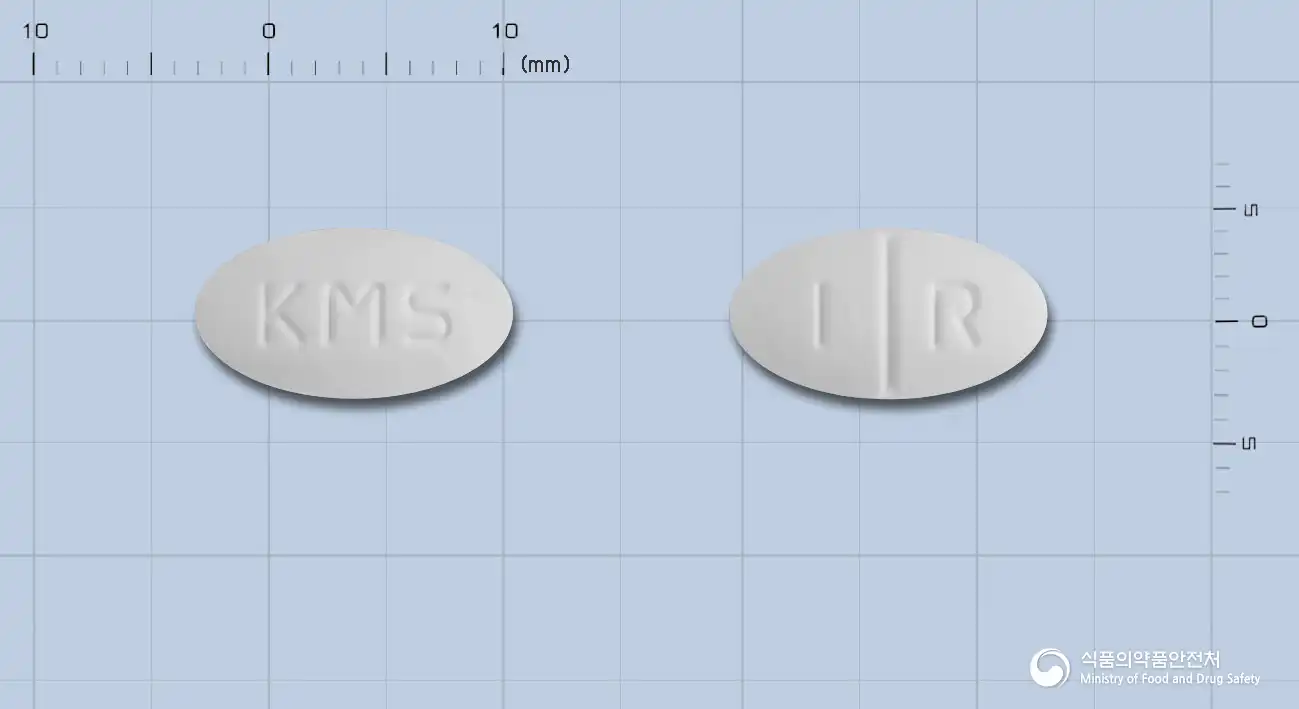
Irbesartan 150mg
Tablet · Prescription medication
KMS Pharmaceutical Co., Ltd.
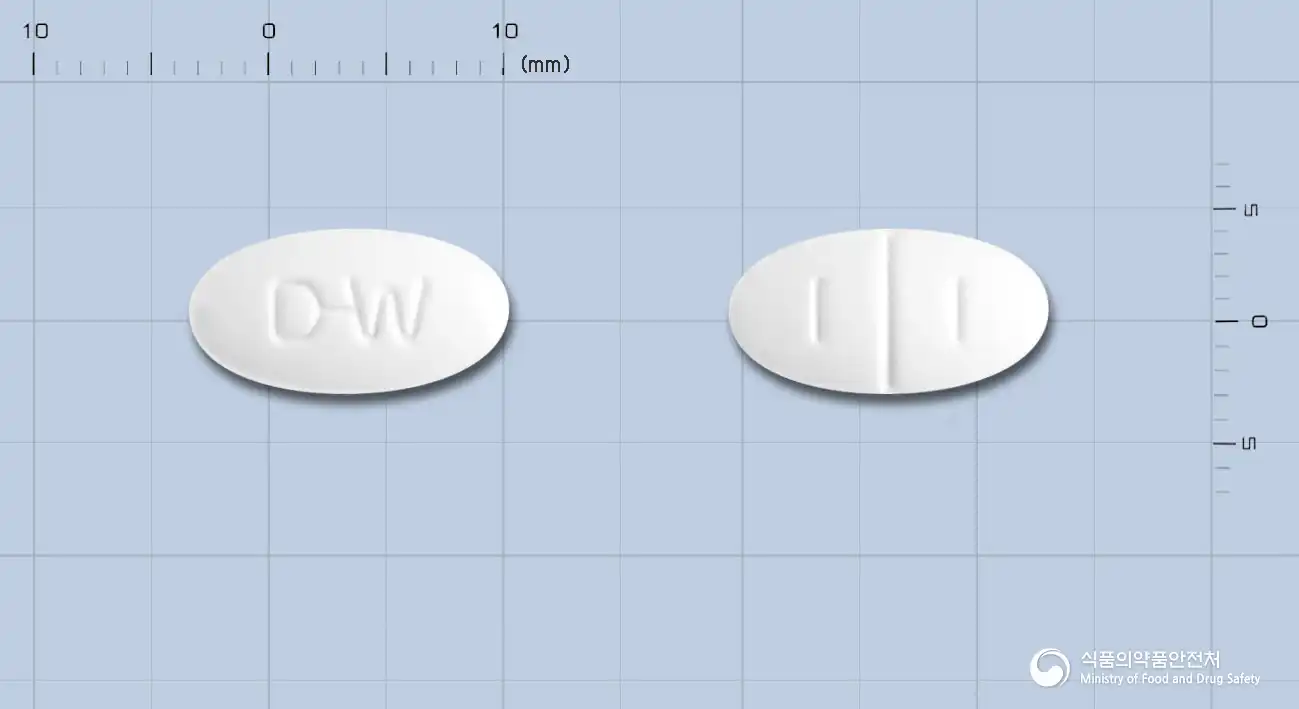
Irbesartan 150mg
Prescription medication
Dongwha Pharmaceutical Co., Ltd.
Even with the same ingredient, the dose and directions can differ by strength and dosage form. Talk to a doctor or pharmacist before switching from a medication you are already taking.
No questions yet.
For anything that needs medical judgment, consult a doctor or pharmacist.
This drug information is based on data provided by the Korea Ministry of Food and Drug Safety.
Consult a doctor or pharmacist for accurate dosage, administration, and usage instructions.