
 한국어
한국어 English
 日本語
日本語 中文(简体)
 Viewing now
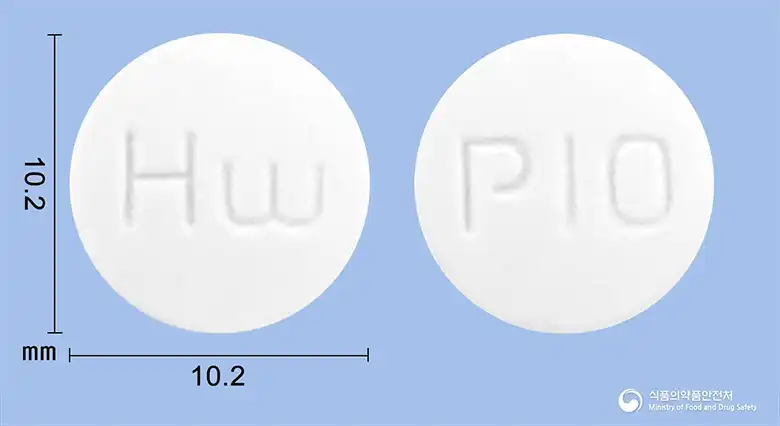
Pcliglon Tablet (Pioglitazone Hydrochloride)
Pioglitazone Hydrochloride 16.53mg
Tablet · Prescription medication
SS Pharm Co., Ltd.
MFDS item code 200703464 · Notified 2007.03.27 · Insurance code 652604810
Improves blood sugar control in type 2 diabetes
This medication assists in controlling blood sugar levels in patients with type 2 diabetes, functioning as an adjunct to dietary and exercise therapy. It can be used alone or in combination with other medications to enhance its effectiveness. This helps to improve blood sugar control and aids in diabetes management.
This medication is taken orally once a day, regardless of meals. It can be started at 15 mg once daily as monotherapy, and if the effect is insufficient, it can be increased to 30 mg once daily. In combination therapy, it is also administered at 15 mg once daily, not exceeding the maximum recommended dose of 30 mg once daily.
There is no experience with children under 18 years old; therefore, administration is not recommended.
This medication is used for the treatment of type 2 diabetes and helps to enhance insulin function. However, it may put a strain on the heart, so it should not be used in patients with or a history of heart failure. During treatment, sudden weight gain, shortness of breath, and swelling, which are symptoms of heart failure, should be carefully monitored. If these symptoms occur, consult a doctor immediately. Additionally, this medication can cause fluid retention and may lead to edema, so caution is required in patients with swelling. It should not be administered to bladder cancer patients or those with a history of bladder cancer, and if hematuria or urination disorders occur during treatment, inform your doctor immediately. Patients with impaired liver function or severe kidney disorders should avoid this medication. Women who are pregnant or may become pregnant should not take this medication, and premenopausal women should use appropriate contraception as this medication may stimulate ovulation, increasing the risk of pregnancy. The risk of hypoglycemia is present if this medication is used with insulin or other hypoglycemic agents, so monitor blood sugar levels closely. Furthermore, long-term use may lead to weight gain and an increased risk of fractures, hence regular health checks are necessary. While on this medication, regular blood sugar and liver function tests should be performed, and if any abnormal symptoms appear, consult healthcare staff immediately. The safety of this medication has not been established for children, and elderly patients should use with caution. Lastly, store this medication out of reach of children and keep in the original container.
Hives, severe swelling (edema), difficulty breathing, congestive heart failure, swelling, liver abnormalities (increased ALT and liver failure), bladder cancer, hypoglycemia (severe hypoglycemia), worsening heart failure, myocardial infarction, stroke, jaundice, serious neurological symptoms (confusion, seizures, etc.)
Not everyone experiences these, and they can vary from person to person.
This medication should be stored in a container that blocks light and air, avoiding areas with high humidity. It is best to maintain a storage temperature between 15 to 30 degrees Celsius, with around 25 degrees being optimal.
This is a round and convex tablet that is white to off-white in color.
30 tablets/bottle, 300 tablets/bottle
Even with the same ingredient, strength, dosage form and how it is taken can differ.
Viewing nowPioglitazone Hydrochloride 16.53mg
Tablet · Prescription medication
SS Pharm Co., Ltd.
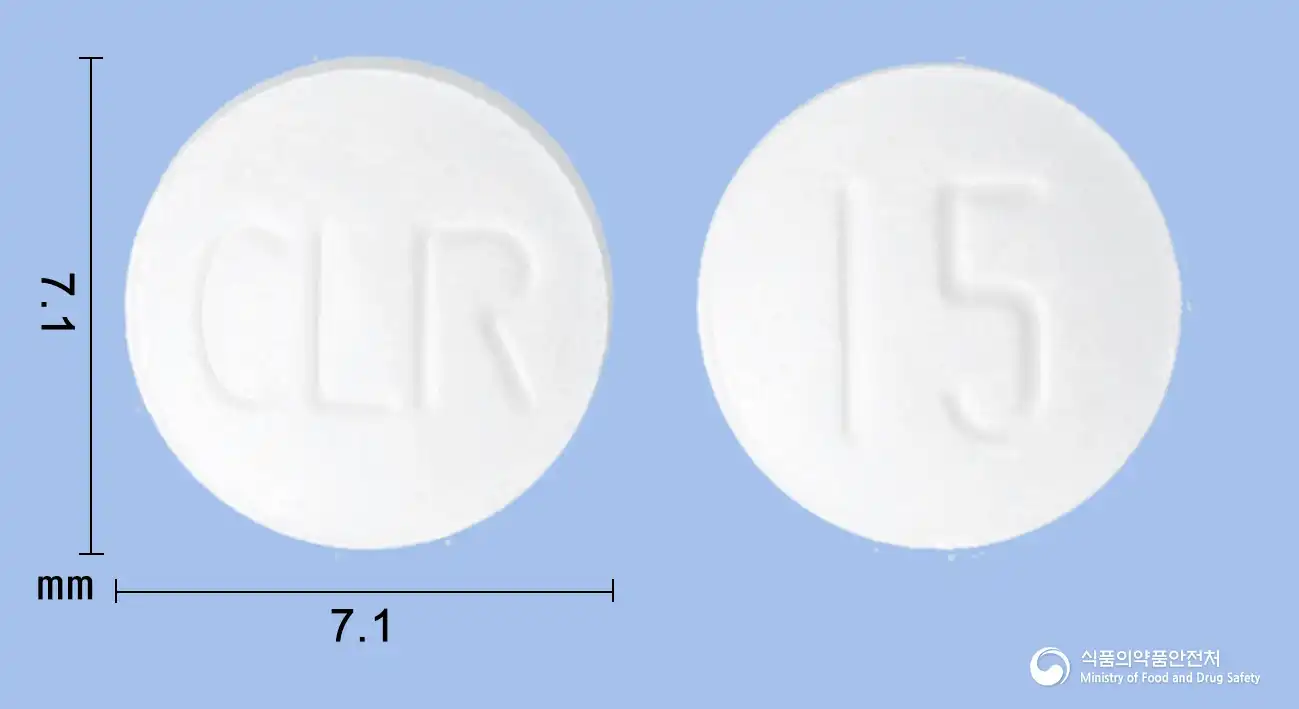
Pioglitazone Hydrochloride 16.53mg
Tablet · Prescription medication
Celltrion Pharmaceutical Co., Ltd.
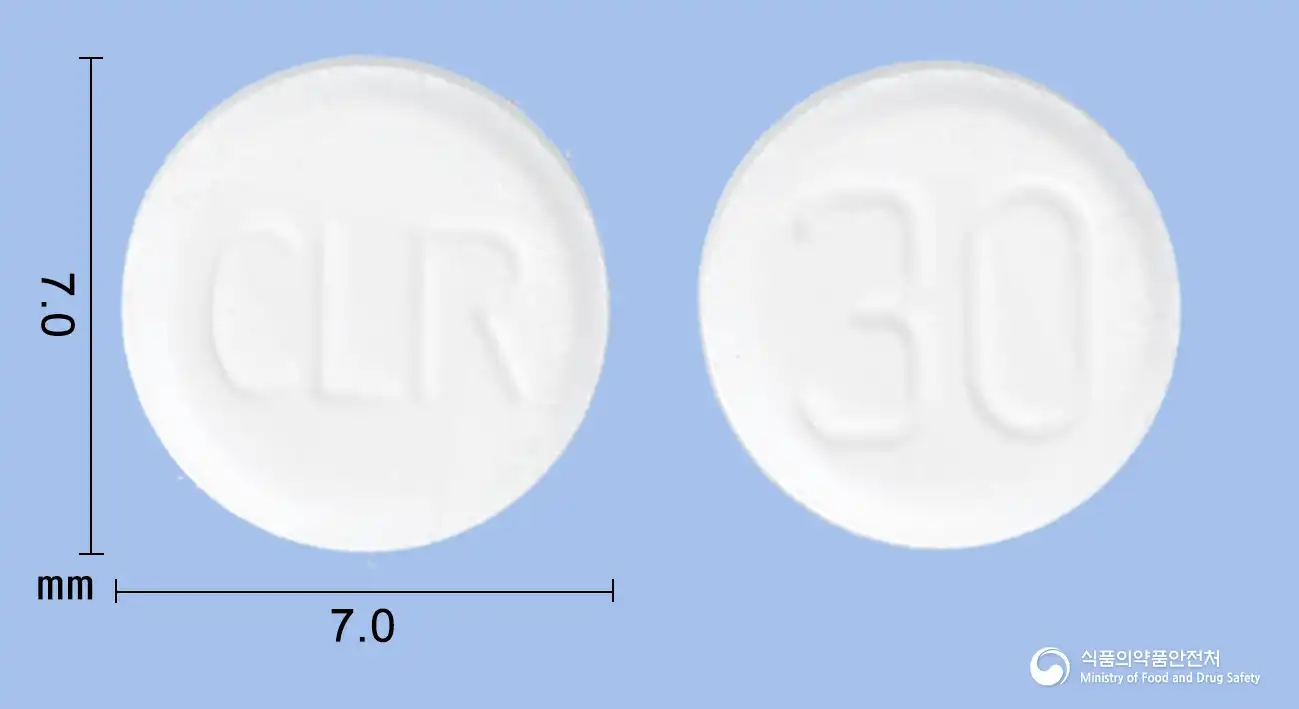
Pioglitazone Hydrochloride 33.06mg
Tablet · Prescription medication
Celltrion Pharmaceutical Co., Ltd.
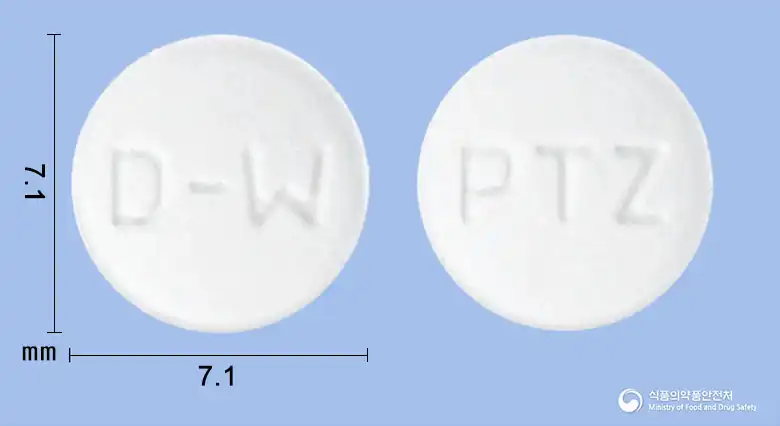
Pioglitazone Hydrochloride 16.53mg
Tablet · Prescription medication
Dongwha Pharmaceutical Co., Ltd.
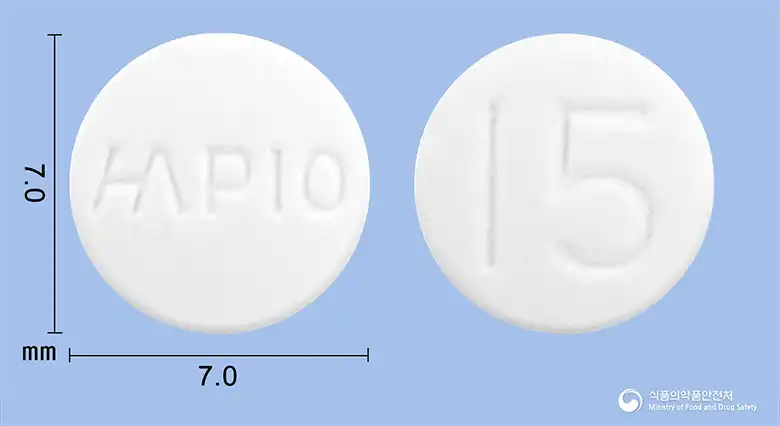
Pioglitazone Hydrochloride 16.53mg
Tablet · Prescription medication
Hanol Bio Pharma Co., Ltd.
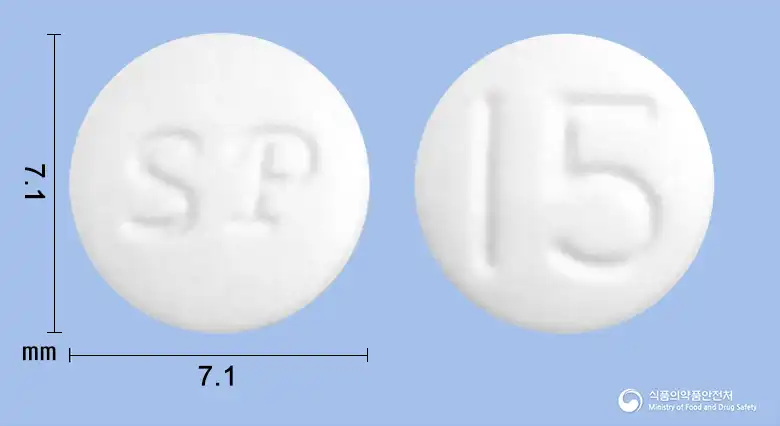
Pioglitazone Hydrochloride 16.53mg
Tablet · Prescription medication
Shinpoong Pharmaceutical Co., Ltd.
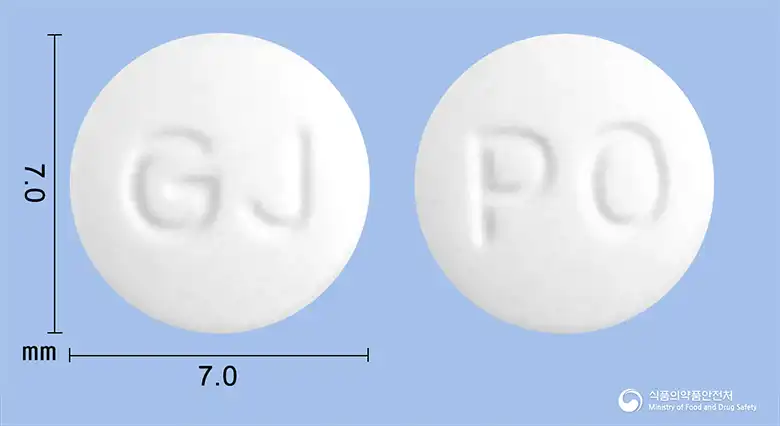
Pioglitazone Hydrochloride 16.53mg
Tablet · Prescription medication
Kujoo Pharmaceutical Co., Ltd.
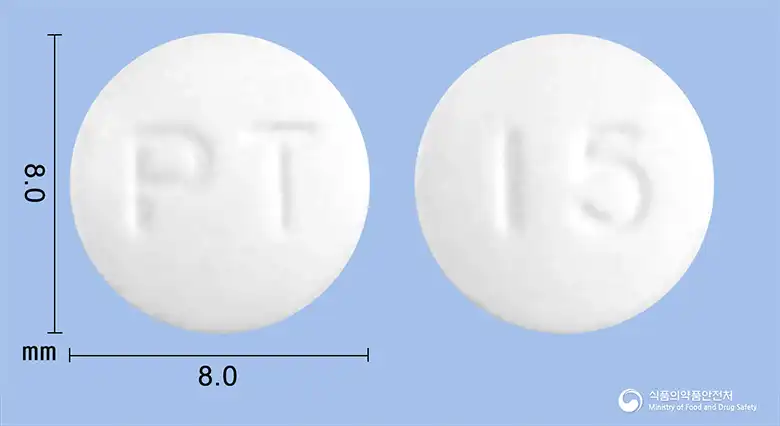
Pioglitazone Hydrochloride 16.53mg
Tablet · Prescription medication
Kyungdong Pharm Co., Ltd.
Even with the same ingredient, the dose and directions can differ by strength and dosage form. Talk to a doctor or pharmacist before switching from a medication you are already taking.
No questions yet.
For anything that needs medical judgment, consult a doctor or pharmacist.
This drug information is based on data provided by the Korea Ministry of Food and Drug Safety.
Consult a doctor or pharmacist for accurate dosage, administration, and usage instructions.