
 한국어
한국어 English
 日本語
日本語 中文(简体)
 Viewing now
Anaroksojeong (Loxoprofen Sodium Hydrate)
Loxoprofen Sodium Hydrate 68.1mg
Tablet · Prescription medication
Kukje Pharmaceutical Co., Ltd.
MFDS item code 200703461 · Notified 2007.03.27 · Insurance code 643701530
Anti-inflammatory and analgesic effect for chronic rheumatoid arthritis and osteoarthritis; antipyretic and analgesic effect for acute upper respiratory tract infection
This medication exhibits anti-inflammatory and analgesic effects in arthritis conditions such as chronic rheumatoid arthritis and osteoarthritis. It also helps relieve pain from lower back pain, periarthritis of the shoulder, and cervicobrachial syndrome. It reduces inflammation and pain after surgery, trauma, and tooth extraction. It is also used for antipyretic and analgesic action in acute upper respiratory tract infections and acute bronchitis accompanied by upper respiratory tract infections. In summary, it is effective for improving various inflammations and pains from arthritis to traumatic pain and cold symptoms.
1. For indications 1 and 2: Adult: Administer 60 mg of loxoprofen sodium (anhydrous) orally three times a day. For single-dose therapy, administer 60~120 mg orally. 2. For indication 3: Adult: Administer 60 mg of loxoprofen sodium (anhydrous) orally. In principle, it can be administered twice a day, with a maximum of 180 mg per day. It is advisable to avoid taking it on an empty stomach.
This medication may cause gastrointestinal bleeding if taken by people who regularly consume more than three glasses of alcohol per day, so it is essential to consult a doctor or pharmacist. This medication may increase the risk of cardiovascular diseases and may cause serious thrombotic reactions such as myocardial infarction or stroke, so patients with cardiovascular diseases or risk factors should be particularly careful. Serious adverse reactions affecting the gastrointestinal tract, such as gastrointestinal bleeding, ulcers, and perforations, may occur while taking this medication, so those with a history of gastrointestinal diseases or the elderly should be especially cautious and should inform medical personnel immediately if symptoms appear. This medication should not be used in specific patients, such as those with a history of peptic ulcers, severe blood disorders, serious liver or kidney diseases, severe heart failure, pregnant women in late pregnancy, and nursing mothers. Patients with a history of peptic ulcer, liver, kidney, or blood disorders, the elderly, and patients with hypertension should take this medication with caution and closely monitor for adverse reactions. This medication may cause allergic reactions, rashes, hives, or breathing difficulties; if these symptoms occur, immediate discontinuation and consultation with medical personnel is required. Long-term use may require regular liver function, kidney function, and blood tests to monitor for abnormalities, and if any signs are found, the administration should be stopped or adjusted. This medication may interact with other non-steroidal anti-inflammatory drugs, anticoagulants, diuretics, lithium, and methotrexate, so if there are other medications being taken, this should be reported, and caution is advised in combined use. During pregnancy, especially in the later stages, it may pose a risk to the fetus; hence, it should not be used. During the early or mid-pregnancy, it should only be administered at the minimum dosage under the judgment of a doctor. Safety for use in children has not been established, so caution is necessary, and the elderly are at higher risk for side effects, requiring more careful administration. This medication must be stored out of reach of children, and transferring it to another container is not advisable for quality maintenance.
Hives, severe swelling (edema), chest tightness, difficulty breathing → severe allergic reactions. Shock, symptoms resembling anaphylaxis. Peptic ulcer, perforation, hematemesis, melena, blood in stool, shock → significant gastrointestinal adverse reactions. Symptoms and signs of gastrointestinal ulcers or bleeding. Symptoms of intestinal perforation. Thrombotic reactions in the cardiovascular system, myocardial infarction, stroke. Congestive heart failure. Liver dysfunction (including jaundice), fulminant hepatitis. Acute renal failure, nephrotic syndrome, liver.
Not everyone experiences these, and they can vary from person to person.
This medication must be stored in a tightly sealed container to avoid exposure to air and moisture. Additionally, storing the medication at room temperature between 1°C and 30°C is the safest.
White round tablet
30 tablets/bottle, 300 tablets/bottle
Even with the same ingredient, strength, dosage form and how it is taken can differ.
Viewing nowLoxoprofen Sodium Hydrate 68.1mg
Tablet · Prescription medication
Kukje Pharmaceutical Co., Ltd.
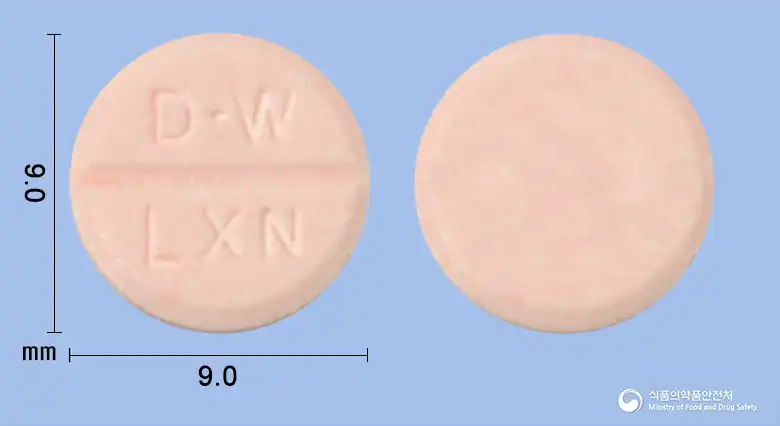
Loxoprofen Sodium Hydrate 68.1mg
Tablet · Prescription medication
Dongwha Pharmaceutical Co., Ltd.
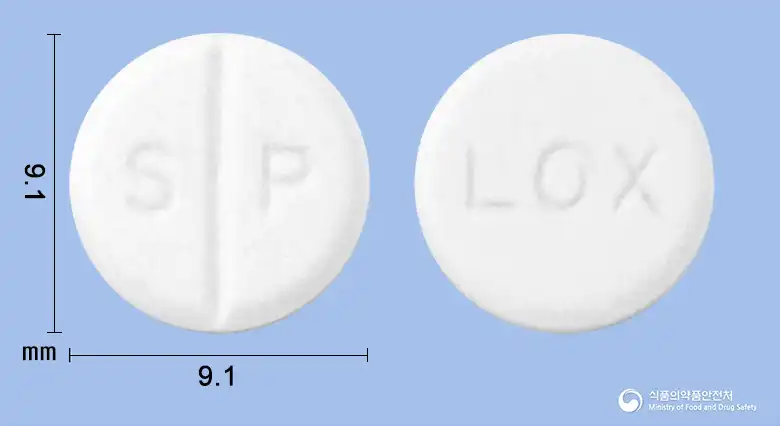
Loxoprofen Sodium Hydrate 68.1mg
Tablet · Prescription medication
Shinpoong Pharmaceutical Co., Ltd.
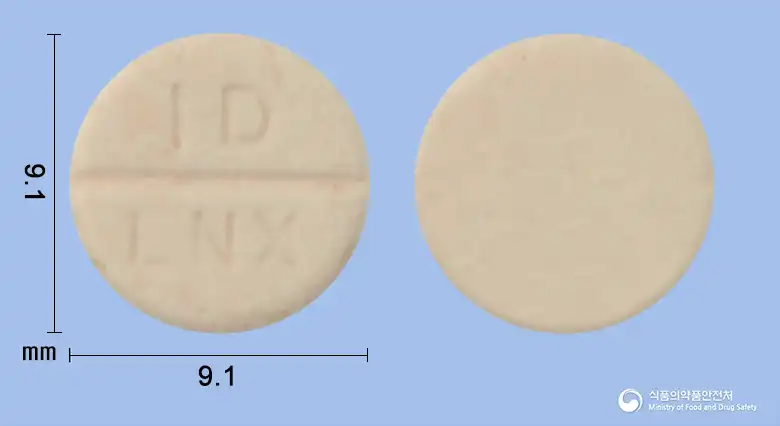
Loxoprofen Sodium Hydrate 68.1mg
Tablet · Prescription medication
Ildong Pharmaceutical Co., Ltd.
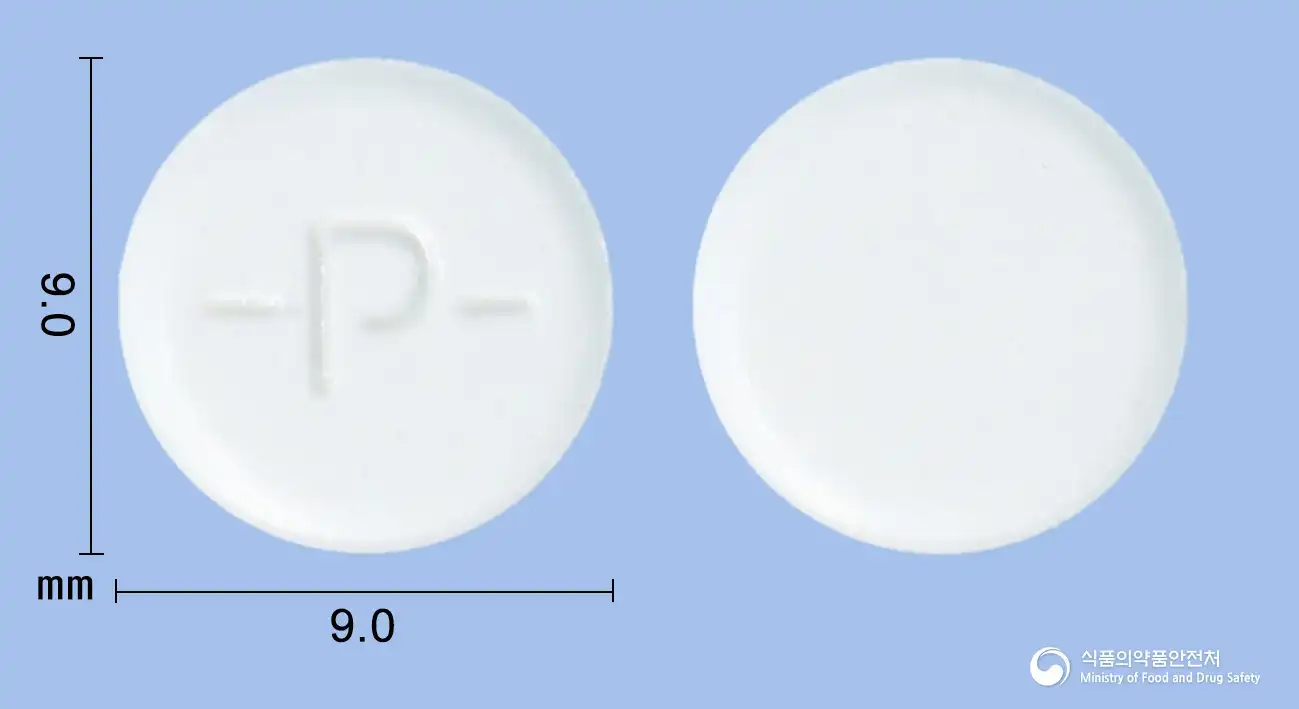
Loxoprofen Sodium Hydrate 68.1mg
Tablet · Prescription medication
Medica Korea Co., Ltd.
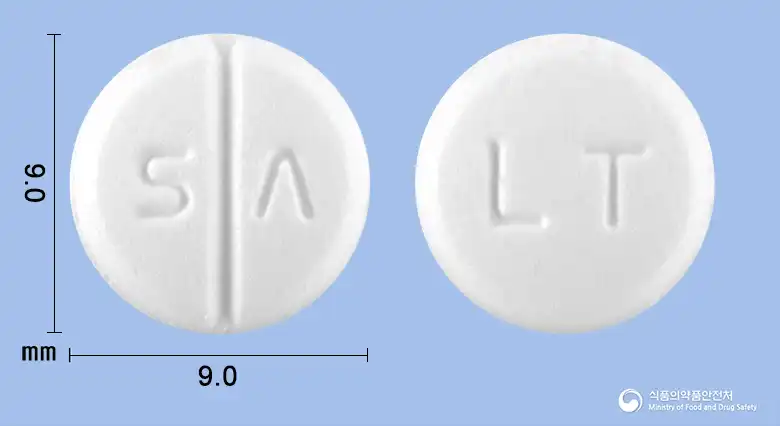
Loxoprofen Sodium Hydrate 68.1mg
Tablet · Prescription medication
Sama Pharmaceutical Co., Ltd.
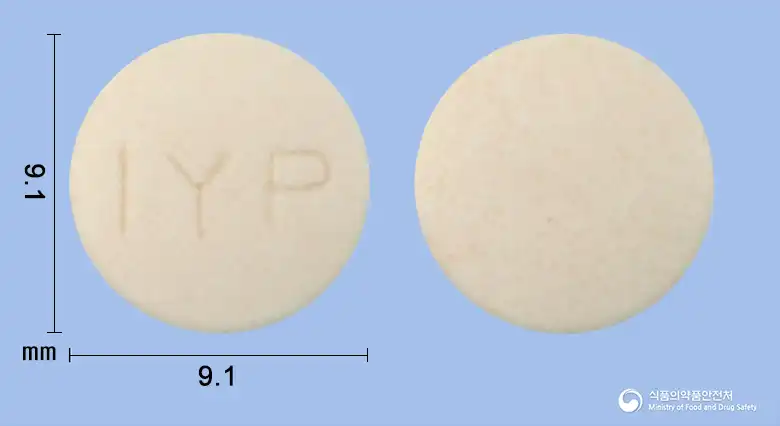
Loxoprofen Sodium 68.1mg
Tablet · Prescription medication
Il Yang Pharmaceutical Co., Ltd.
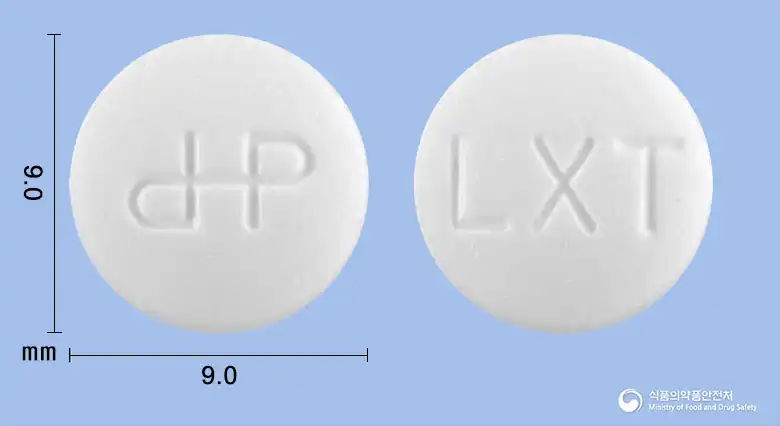
Loxoprofen Sodium Hydrate 68.1mg
Tablet · Prescription medication
Daehwa Pharmaceutical Co., Ltd.
Even with the same ingredient, the dose and directions can differ by strength and dosage form. Talk to a doctor or pharmacist before switching from a medication you are already taking.
No questions yet.
For anything that needs medical judgment, consult a doctor or pharmacist.
This drug information is based on data provided by the Korea Ministry of Food and Drug Safety.
Consult a doctor or pharmacist for accurate dosage, administration, and usage instructions.