
 한국어
 English
 日本語
 中文(简体)
 Viewing now
Carol F Tablet (Ibuprofen Arginine)
Ibuprofen Arginine 368.9mg
Tablet · OTC medication
Ildong Pharmaceutical Co., Ltd.
MFDS item code 200703429 · Notified 2007.03.26
Relief of pain (headache, menstrual cramps, etc.), fever associated with colds, and inflammation due to arthritis or trauma
This medication is used to relieve pain and inflammation from joint diseases such as rheumatoid arthritis and osteoarthritis. It is also effective for various types of pain including abdominal pain, headaches, and menstrual pain, and helps reduce inflammation and pain following trauma. It is also used to alleviate fever and pain caused by influenza.
Adults: Take 1~2 tablets with water every 4~6 hours. You may take up to 6 tablets per day (equivalent to 1,200mg of ibuprofen).
Children aged 12 years and older: Take 1~2 tablets with water every 4~6 hours. You may take up to 6 tablets per day (equivalent to 1,200mg of ibuprofen).
This medication should not be taken by patients with peptic ulcers, severe blood disorders, or those requiring blood coagulation. Patients allergic to the ingredients in this medication or with bronchial asthma should also avoid use. Patients who have had allergic reactions to aspirin or other non-steroidal anti-inflammatory drugs may experience serious allergic reactions when using this medication, so caution is advised. It is also not suitable for pain management before or after myocardial infarction or coronary artery bypass surgery. Pregnant women, especially in late pregnancy, should avoid this medication as it may harm the fetus, and it is advisable for women who may become pregnant to refrain from use. During the use of this medication, it is important to avoid or use it cautiously with certain drugs. For instance, potential interactions may occur with probenecid, sulfinpyrazone, digoxin, phenytoin, baclofen, antihypertensives, diuretics, ACE inhibitors, furosemide, aspirin, lithium, oral anticoagulants, etc. Particularly, co-administration with aspirin may increase the risk of gastrointestinal bleeding and reduce heart-protective effects, so caution is required. During treatment, individuals consuming more than three glasses of alcohol daily should consult a physician or pharmacist, and patients at risk for cardiovascular disease should use this medication with increased caution. This medication may cause serious gastrointestinal adverse reactions such as gastrointestinal bleeding, ulcers, and perforations, so symptoms should be carefully monitored. Elderly patients or those with a history of gastrointestinal disease should be particularly careful. This medication can be excreted in breast milk, so if you are breastfeeding, it is necessary to discontinue breastfeeding or stop the medication. Before taking this medication, individuals with a history of peptic ulcer, liver dysfunction, kidney dysfunction, or heart failure must consult a physician or pharmacist. Elderly patients should also take special care when using this medication. If you experience unusual symptoms such as nausea, abdominal pain, bleeding, headache, dizziness, or rash during treatment, stop taking the medication immediately and consult healthcare personnel. It is advisable to use this medication at the minimum effective duration and dose, and regular monitoring of liver function, kidney function, and blood tests should be conducted if used for an extended period. Finally, store this medication out of reach of children and ensure it is kept in its original container to use it safely.
Nausea, abdominal bloating, stomach pain, heartburn, loss of appetite, diarrhea, constipation, vomiting, gastritis, gastrointestinal ulcers accompanied by bleeding, suppression of responsiveness, headache, depression, dizziness, insomnia, panic, consciousness disorders, neurogenic seizures, aseptic meningitis, tinnitus, hearing loss, amblyopia, hives, purpura, itching, rash, Stevens-Johnson syndrome, photosensitive reactions, erythema multiforme, exfoliative dermatitis, toxic epidermal necrolysis, drug rash accompanied by eosinophilia and systemic syndrome, acute generalized pustular psoriasis, jaundice, elevated GOT, elevated GPT, elevated AL-P, aplastic anemia, hemolytic anemia, autoimmune hemorrhagic anemia, bleeding, granulocytopenia, thrombocytopenia, impaired platelet function, acute renal failure, decreased urination, hematuria, urinary protein, elevated BUN, elevated serum creatinine, hyperkalemia, kidney failure, nephritis, edematous kidney dysfunction, generalized edema, acute pulmonary edema, bronchospasm, Conn's syndrome, metabolic acidosis
Not everyone experiences these, and they can vary from person to person.
Do not take this medication with baclofen or methotrexate. Consult your physician or pharmacist if you are taking other antipyretic analgesics, probenecid, sulfinpyrazone, digoxin, phenytoin, antihypertensives, diuretics, ACE inhibitors, furosemide, aspirin, lithium, or oral anticoagulants (such as warfarin).
This medication may be sensitive to air and moisture, so it should be stored in a tightly sealed container. It is advisable to maintain a storage temperature between 1 to 30 degrees Celsius at room temperature to preserve the medication's effectiveness.
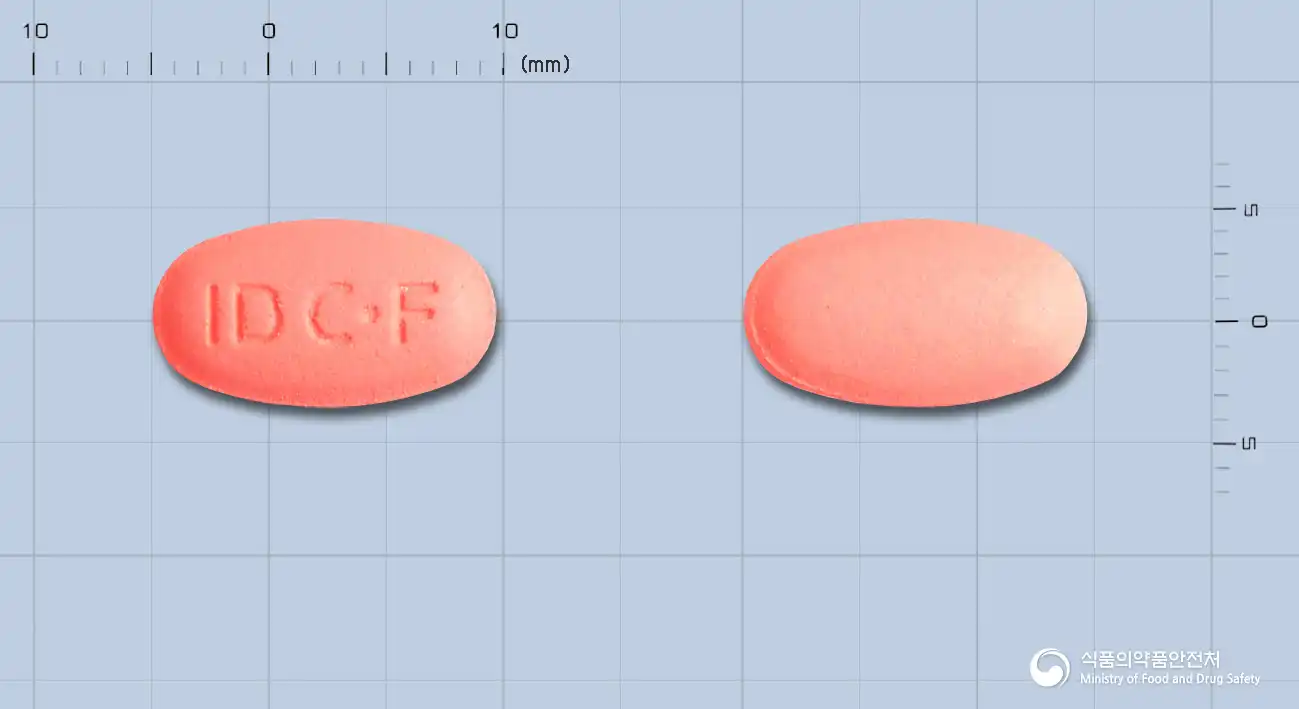
This medication is a rectangular film-coated tablet in light pink color.
10 tablets/box [10 tablets/PTP x 1], 300 tablets/bottle
Even with the same ingredient, strength, dosage form and how it is taken can differ.
Viewing nowIbuprofen Arginine 368.9mg
Tablet · OTC medication
Ildong Pharmaceutical Co., Ltd.

Ibuprofen Arginine 368.9mg
Tablet · OTC medication
Mothers Pharmaceutical Co., Ltd.
Ibuprofen Arginine
OTC medication
Ilhwa Co., Ltd.
Ibuprofen Arginine
OTC medication
Ildong Pharmaceutical Co., Ltd.
Even with the same ingredient, the dose and directions can differ by strength and dosage form. Talk to a doctor or pharmacist before switching from a medication you are already taking.
No questions yet.
For anything that needs medical judgment, consult a doctor or pharmacist.
This drug information is based on data provided by the Korea Ministry of Food and Drug Safety.
Consult a doctor or pharmacist for accurate dosage, administration, and usage instructions.