
 한국어
 English
 日本語
 中文(简体)
 Viewing now
Panprazole Tablets 20 mg (Pantoprazole Sodium Sesquihydrate)
Pantoprazole Sodium Sesquihydrate 22.6mg
Tablet · Prescription medication
Youngjin Pharmaceutical Co., Ltd.
MFDS item code 200702970 · Notified 2007.03.09 · Insurance code 642401550
Treatment of gastroesophageal reflux; prevention of recurrence of reflux esophagitis; prevention of NSAID-induced gastric and duodenal ulcers
This medication is used to treat mild gastroesophageal reflux disease and associated symptoms such as heartburn, acid reflux, and dysphagia. It is also helpful for long-term maintenance therapy to prevent recurrence of reflux esophagitis. Additionally, it serves to prevent gastric and duodenal ulcers in patients who need to take non-steroidal anti-inflammatory drugs (NSAIDs) for extended periods. Effectively managing these various gastrointestinal issues improves patients' digestive health.
1. Treatment of mild reflux esophageal disease and related symptoms Administer pantoprazole 20 mg orally once daily before breakfast. Symptom relief generally occurs within 2 ∼ 4 weeks, and healing is usually achieved with 4 weeks of treatment. If healing does not occur, an additional 4 weeks of treatment may achieve healing. 2. Long-term maintenance therapy to prevent recurrence of reflux esophagitis Administer pantoprazole 20 mg once daily before breakfast. If recurrence occurs, increase the dose to pantoprazole 40 mg per day, then reduce it back to 20 mg per day after healing. 3. Prevention of gastroduodenal ulcers caused by nonsteroidal anti-inflammatory drugs in patients who require continuous administration of nonsteroidal anti-inflammatory drugs Administer pantoprazole 20mg once daily. No dose adjustment is required in elderly patients or patients with renal impairment. Do not exceed 20 mg of this medicine once daily in patients with severe hepatic impairment.
This medication should not be administered to certain patients. For example, patients who have allergies or experienced hypersensitivity reactions to this medication or its components, those taking specific antiviral drugs (Atazanavir, Nelfinavir, Rilpivirine), pregnant women in the early stages, nursing mothers, and patients with genetic issues like lactose intolerance should not take this medication. Additionally, this medication contains a colorant called Yellow No. 5, so patients with allergic reactions or hypersensitivity to this colorant should use it with caution. Taking this medication may result in various adverse reactions. Common symptoms include abdominal pain, constipation, diarrhea, nausea, fatigue, and headache, while rare but serious symptoms may include severe liver damage, allergic reactions, skin rash, and blood abnormalities. Long-term intake of this medication requires regular check-ups, particularly due to the potential for liver function abnormalities. Moreover, prolonged use may lead to vitamin B12 absorption issues and an increased risk of fractures. As this medication inhibits gastric acid secretion, there may be a slightly increased risk of bacterial infections in the stomach. If symptoms persist, further examination may be necessary. Symptoms such as dizziness or visual disturbances may occur, so caution is advised when driving or operating machinery. Additionally, this medication can interact with other drugs, so patients taking antiviral drugs, anticoagulants, or methotrexate should consult their doctor or pharmacist. It is advisable to avoid use during early pregnancy and nursing mothers should also refrain from taking it. There is limited experience using this medication in children under 12 years old, so it is not recommended. In case of overdose, there is no specific antidote, so appropriate treatment should be given based on symptoms, and this medication should be taken whole without chewing or crushing. For long-term use, it is important to use the minimum dosage and duration as directed by your doctor. Finally, keep this medication out of reach of children, and do not transfer it to other containers for safety.
Anaphylaxis, anaphylactic shock, angioedema, bronchospasm, acute interstitial nephritis, urticaria, epigastric pain, constipation, abdominal distension, diarrhea, gastric polyps, nausea, vomiting, belching, dry mouth, fatigue, weakness, malaise, edema, elevated body temperature, fever, elevated liver enzymes, increased bilirubin, jaundice, arthralgia, myalgia, rhabdomyolysis, bone fracture, headache, dizziness, visual disturbances, taste disorder, insomnia, sleep disturbances, depression, hallucinations, confusion, disorientation, interstitial nephritis, itching, skin erythema, angioedema, Stevens-Johnson syndrome, erythema multiforme, toxic epidermal necrolysis, photosensitivity, hyperglycemia, agranulocytosis, leukopenia, thrombocytopenia, pancytopenia, gynecomastia, hyperlipidemia, hyperlipidemia, weight change, hyponatremia, hypomagnesemia, elevated CK, anxiety, lethargy, low back pain, bronchitis, chest pain, increased cough, dyspepsia, dyspnea, flu-like symptoms, gastroenteritis, gastrointestinal disturbances, tension, infection, migraine, cervical pain, pain, pharyngitis, rectal disorders, rhinitis, elevated AST, sinusitis, upper respiratory infection, dysuria, urinary tract infection, abscess, allergic reactions, chills, fistula, facial edema, general edema, warmth, hernia, abnormal laboratory results, malaise, moniliasis, tumors, nonspecific drug reactions, ECG abnormalities, angina, arrhythmia, atrial fibrillation, coronary artery disease, congestive heart failure, bleeding, hypertension, hypotension, myocardial infarction, myocardial ischemia, palpitations, retinal vascular disease, syncope, tachycardia, phlebitis, thrombosis, vasodilation, decreased appetite, aphthous stomatitis, colitis, duodenitis, dysphagia, enteritis, esophageal bleeding, esophagitis, gastric and duodenal tumors, gastric and duodenal bleeding, gastric and duodenal moniliasis, gingivitis, halitosis, hematemesis, increased appetite, melena, oral ulcers, oral moniliasis, periodontal abscess, periodontitis, rectal bleeding, gastric ulcer, abnormal bowel movements, tongue discoloration, ulcerative colitis, diabetes, goiter, gallbladder pain, hyperbilirubinemia, cholecystitis, cholelithiasis, jaundice, hepatitis, elevated ALP, anemia, petechiae, eosinophilia, iron deficiency anemia, leukocytosis, dehydration, gout, thirst, weight gain, weight loss, arthritis, bone disease, joint disease, leg cramps, synovitis, tendinitis, abnormal dream, confusion, convulsions, dry mouth, speech disorders, hyperactivity, decreased libido, restlessness, neuralgia, neuritis, neurological disorders, abnormal sensations, decreased reflexes, abnormal perceptions, tremor, asthma, epistaxis, hiccups, laryngitis, respiratory distress, pneumonia, voice changes, acne, alopecia, contact dermatitis, eczema, fungal dermatitis, bleeding, herpes simplex, herpes zoster, lichen planus dermatitis, papular rash, skin diseases, skin ulcers, sweating, amblyopia, cataracts, hearing loss, diplopia, otalgia, paralysis, glaucoma, external otitis, tinnitus, albuminuria, balanitis, mastalgia, cystitis, menstrual irregularities, urination disorders, epididymitis, hematuria, erectile dysfunction, kidney stones, renal pain, nocturia, prostate disorders, pyelonephritis, scrotal edema, urethral pain, urethral disease, urological abnormalities, vaginitis, Clostridium difficile-associated diarrhea, hypocalcemia, hypokalemia, DRESS syndrome, microscopic colitis, systemic lupus erythematosus, discoid lupus erythematosus, gastric polyps
Not everyone experiences these, and they can vary from person to person.
This medication is sensitive to light, so it should be stored in a special container that does not allow light to enter. Additionally, it is important to maintain a room temperature of between 1 degree Celsius and 30 degrees Celsius when storing the medication to ensure its efficacy and prevent deterioration.
Yellow enteric-coated oval tablets
28 tablets/bottle
Even with the same ingredient, strength, dosage form and how it is taken can differ.
Viewing nowPantoprazole Sodium Sesquihydrate 22.6mg
Tablet · Prescription medication
Youngjin Pharmaceutical Co., Ltd.
Pantoprazole Sodium Sesquihydrate 45.1mg
Injections · Prescription medication
Takeda Korea Pharmaceutical Co., Ltd.
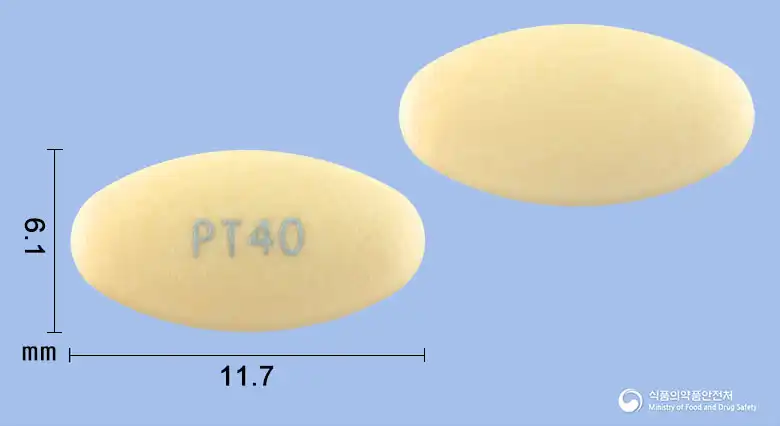
Pantoprazole Sodium Sesquihydrate 45.1mg
Tablet · Prescription medication
Dong-A ST Co., Ltd.
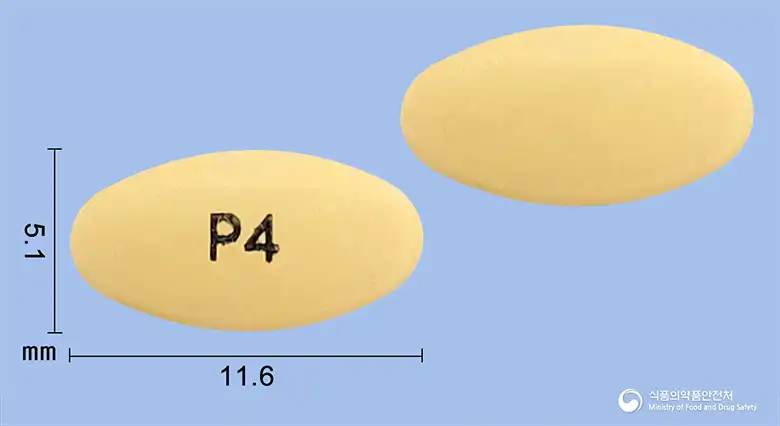
Pantoprazole Sodium Sesquihydrate 45.1mg
Tablet · Prescription medication
Youngjin Pharmaceutical Co., Ltd.
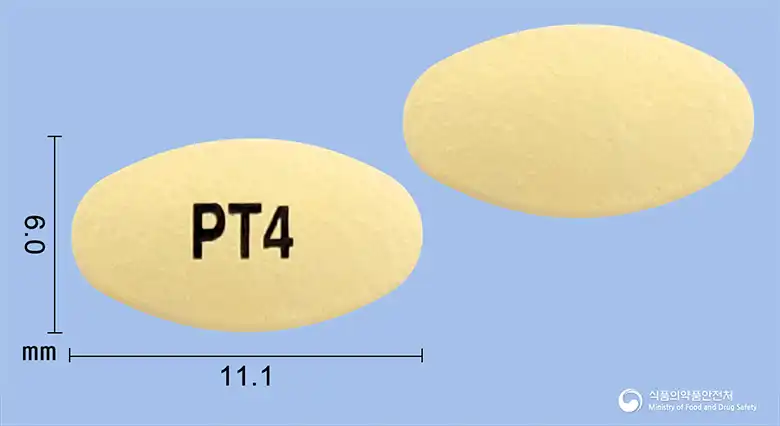
Pantoprazole Sodium Sesquihydrate 45.1mg
Tablet · Prescription medication
Albozen Korea Co., Ltd.
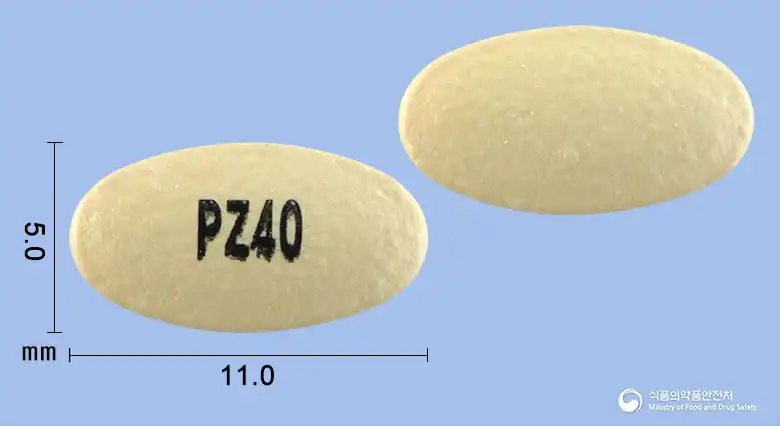
Pantoprazole Sodium Sesquihydrate 45.1mg
Tablet · Prescription medication
Daewoo Pharmaceutical Co., Ltd.
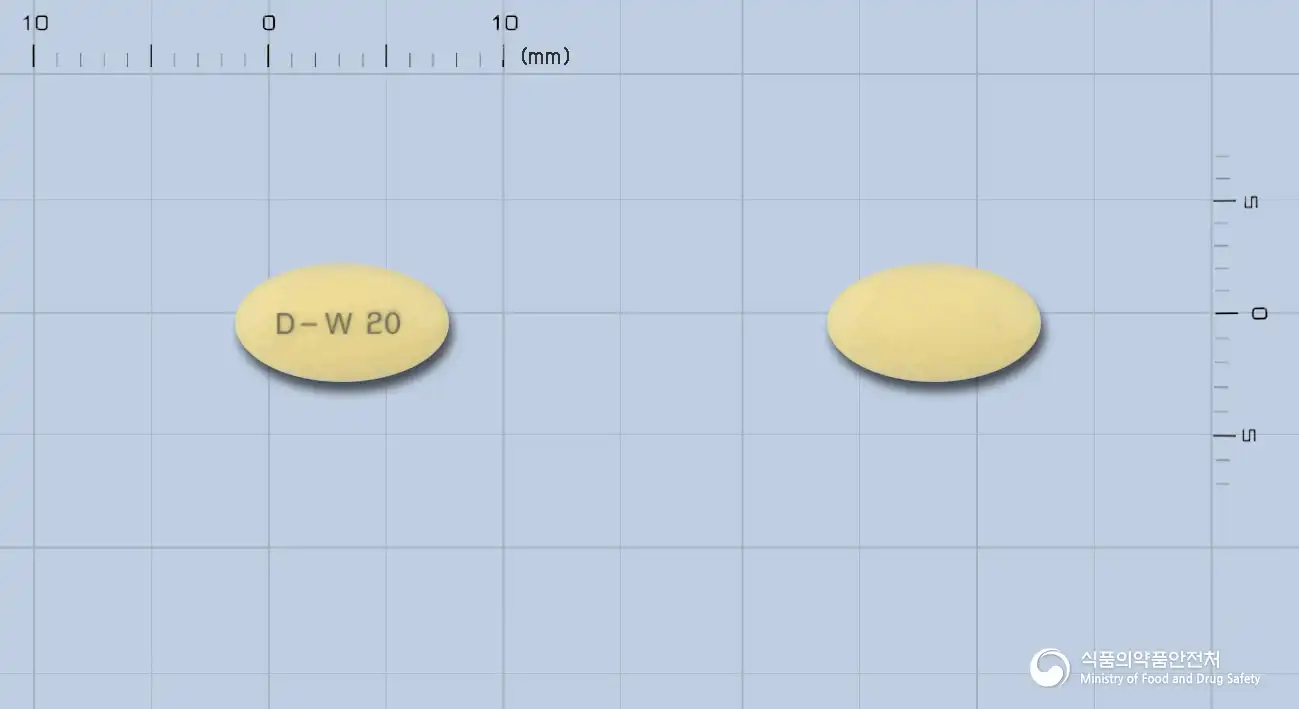
Pantoprazole Sodium Sesquihydrate 22.6mg
Tablet · Prescription medication
Dongwha Pharm Co., Ltd.
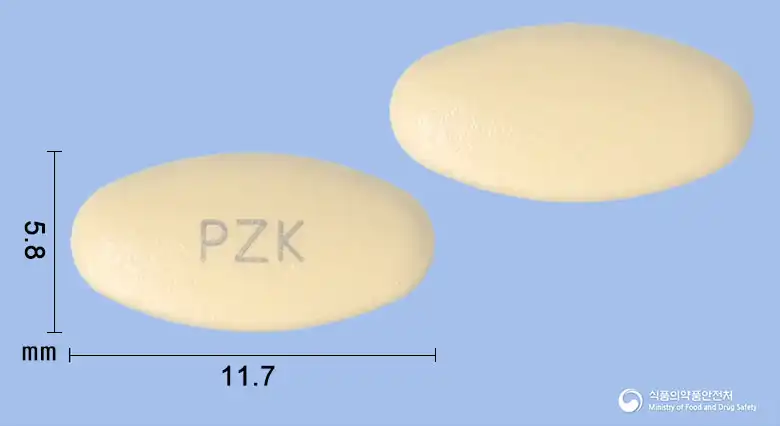
Pantoprazole Sodium Sesquihydrate 45.1mg
Tablet · Prescription medication
Genewon Sciences Co., Ltd.
Even with the same ingredient, the dose and directions can differ by strength and dosage form. Talk to a doctor or pharmacist before switching from a medication you are already taking.
No questions yet.
For anything that needs medical judgment, consult a doctor or pharmacist.
This drug information is based on data provided by the Korea Ministry of Food and Drug Safety.
Consult a doctor or pharmacist for accurate dosage, administration, and usage instructions.