
 한국어
한국어 English
 日本語
日本語 中文(简体)
 Viewing now
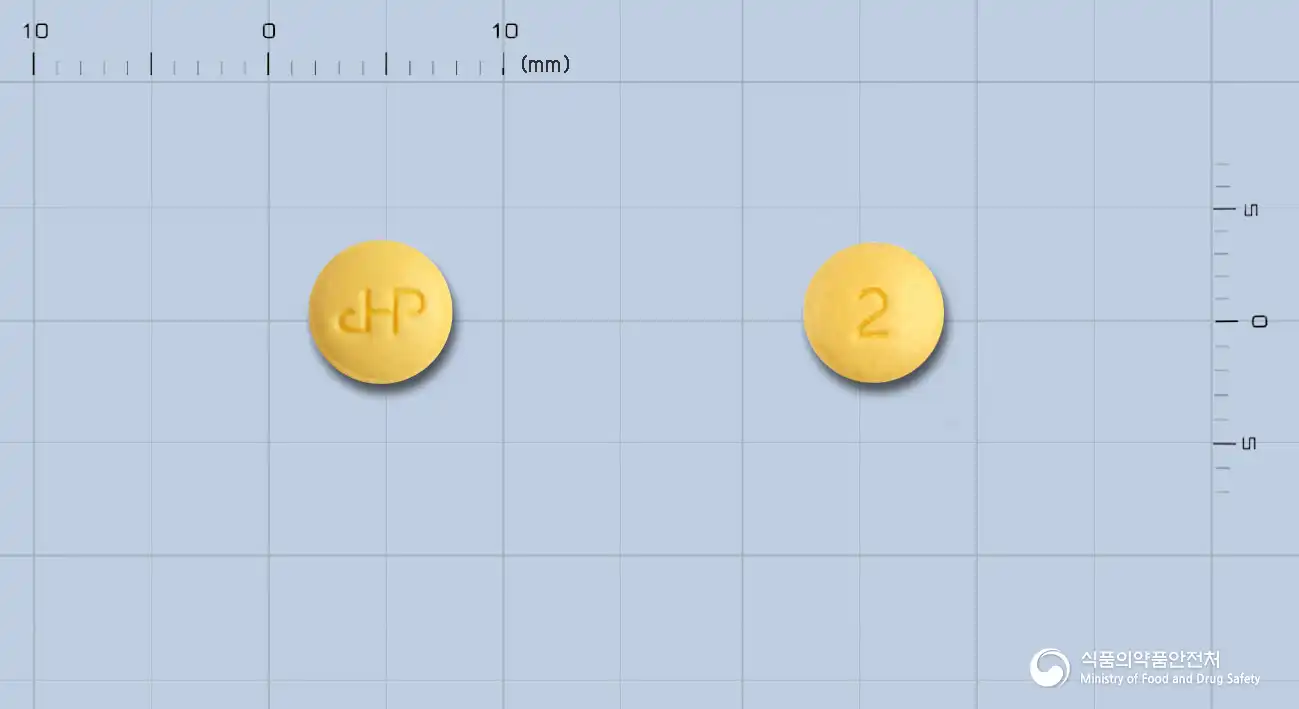
Raberaton Tablet 20 mg (Rabeprazole Sodium)
Rabeprazole Sodium 20mg
Tablet · Prescription medication
Daehwa Pharmaceutical Co., Ltd.
MFDS item code 200702543 · Approved 2007.02.28 · Insurance code 645600740
Relief of symptoms of gastric ulcers, gastroesophageal reflux disease, and treatment of Helicobacter pylori infection
This medication is effective for the treatment of gastric ulcers and duodenal ulcers and is used for the relief of symptoms of erosive or ulcerative gastroesophageal reflux disease. It is also suitable for long-term maintenance therapy for gastroesophageal reflux disease. In patients with gastrointestinal ulcers with Helicobacter pylori infection, it is used in combination with antibiotics and can also assist patients with Zollinger-Ellison syndrome. This medication improves gastrointestinal disorders.
For gastric ulcers and duodenal ulcers: Typically, rabeprazole sodium is taken orally once daily at 10 mg for adults. Depending on symptoms, it may be taken at 20 mg once daily. Generally, for gastric ulcers, treatment duration is up to 8 weeks, and for duodenal ulcers, up to 6 weeks. For erosive or ulcerative gastroesophageal reflux disease: Administer 10 mg or 20 mg once daily for 4 to 8 weeks. If not treated, an additional 8 weeks of 10 mg or 20 mg may be administered twice daily orally. However, dosing 20 mg twice daily is only for patients with confirmed severe mucosal damage.
Safety in pediatric patients has not been established.
This medication should not be used in patients with allergies to specific drugs or ingredients. Those with hypersensitivity to penicillin or macrolide antibiotics should use caution. Pregnant or breastfeeding women should not take this medication. Patients with impaired liver function or the elderly should use this medication carefully. If allergic symptoms such as skin rash or itching occur while taking this medication, discontinue use immediately. It is important to regularly perform blood tests or liver function tests to check for abnormalities. Various side effects such as cardiovascular, gastrointestinal, and neurological symptoms may occur, thus consultation with healthcare professionals is necessary when symptoms appear. There is an increased risk of bone fractures with long-term use, so caution is advised. This medication can interact with other drugs, therefore, inform your healthcare provider of any medications you are taking. Caution should be exercised particularly when used in conjunction with antiviral drugs or antibiotics, and it should not be taken with certain medications. Drowsiness may occur while driving or operating machinery, so caution is advised. When taking the tablet, do not chew or crush it; swallow it whole. Keep out of the reach of children, and do not transfer to other containers.
Hives, chest tightness, difficulty breathing, severe rash with fever, blisters, skin peeling, pain in mucous membranes of mouth/eyes, shortness of breath or difficulty breathing, asthma attack, respiratory distress accompanying cough and fever, jaundice (yellowing of skin or eyes), extreme lethargy, sudden and severe headache, thunderclap headache, seizures, confusion, visual disturbances, paralysis, significantly reduced urine output, severe swelling throughout the body
Not everyone experiences these, and they can vary from person to person.
This medication should be stored in a tightly closed container to protect from air and light, at temperatures between 1 degree and 30 degrees Celsius. Proper storage preserves the efficacy of the medication over time.
Pale yellow round enteric-coated tablet
28 tablets/box [(14 tablets/blister x 2)]
Even with the same ingredient, strength, dosage form and how it is taken can differ.
Viewing nowRabeprazole Sodium 20mg
Tablet · Prescription medication
Daehwa Pharmaceutical Co., Ltd.
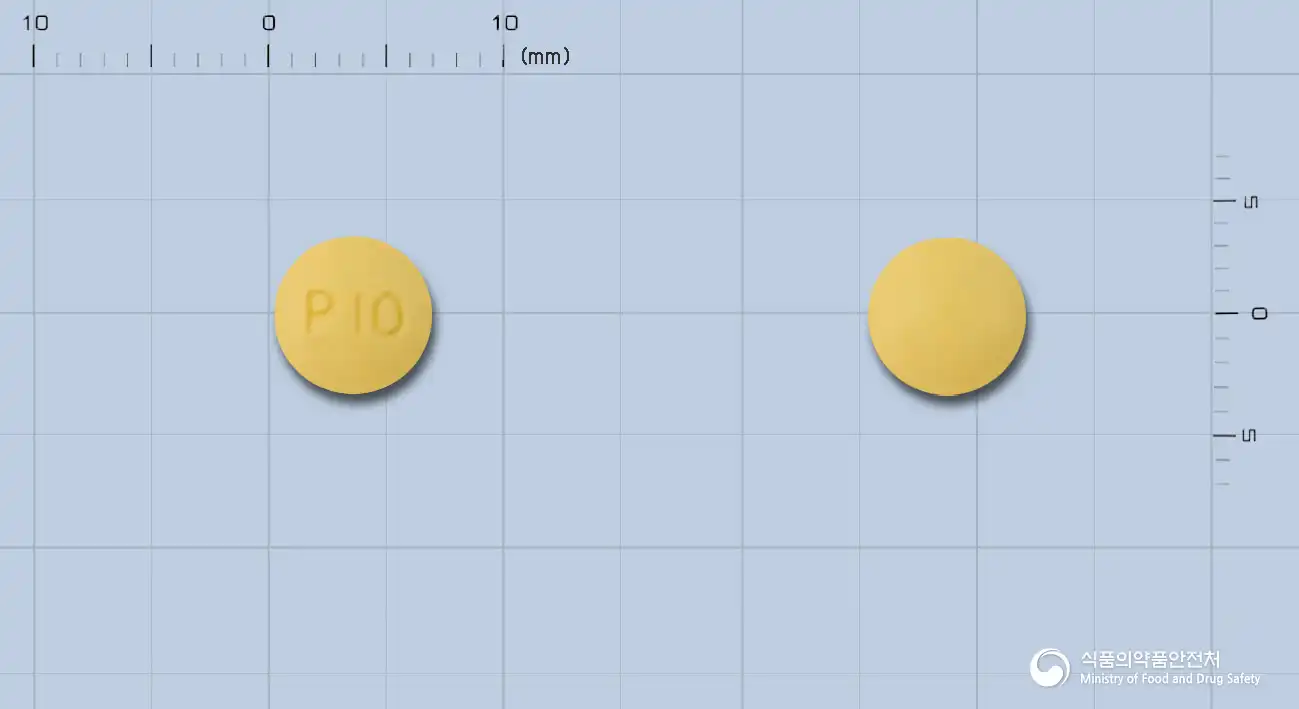
Rabeprazole Sodium 10mg
Tablet · Prescription medication
Genewon Sciences Co., Ltd.
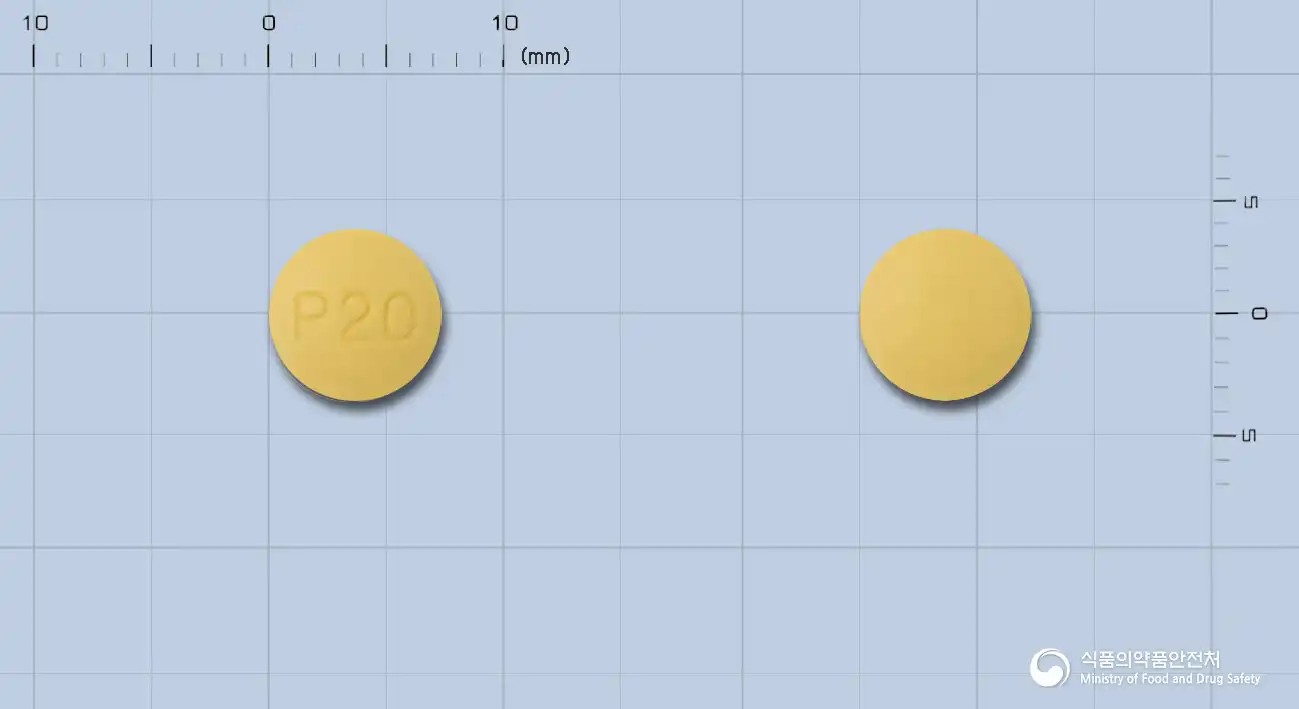
Rabeprazole Sodium 20mg
Tablet · Prescription medication
Genewell Science Co., Ltd.
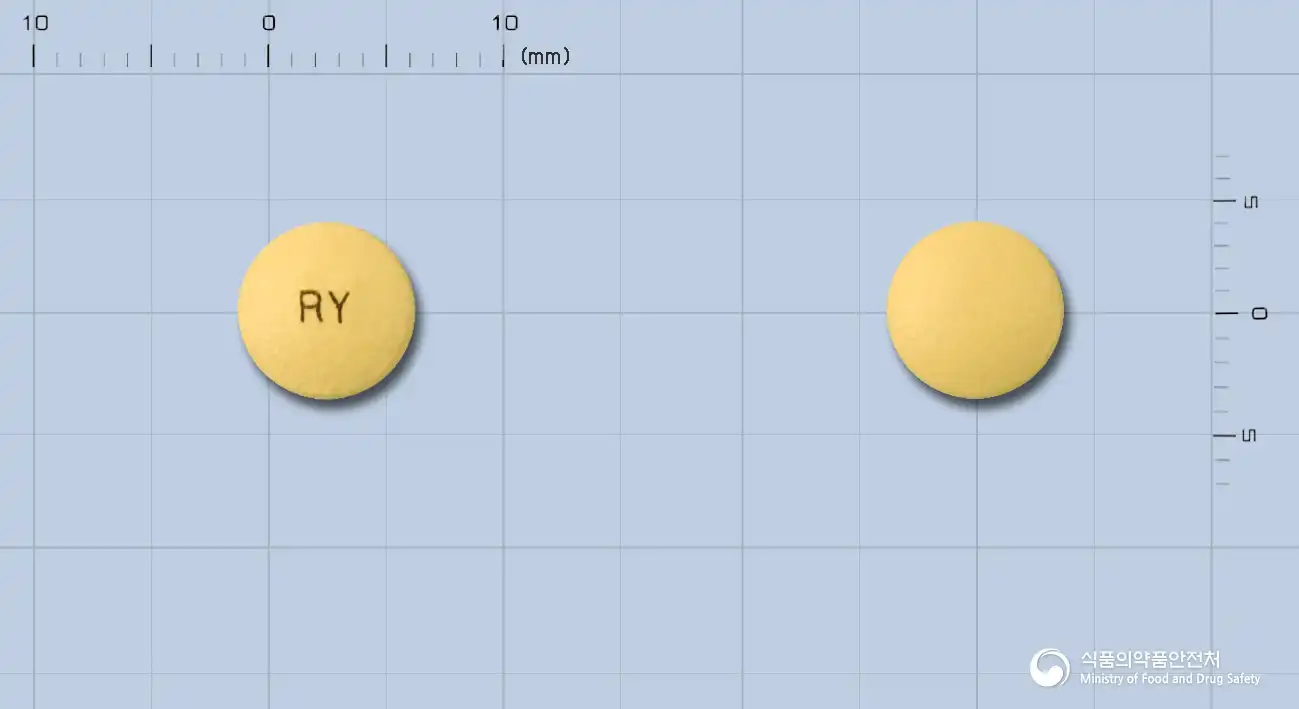
Rabeprazole Sodium 20mg
Tablet · Prescription medication
Ilyun Pharmaceutical Co., Ltd.
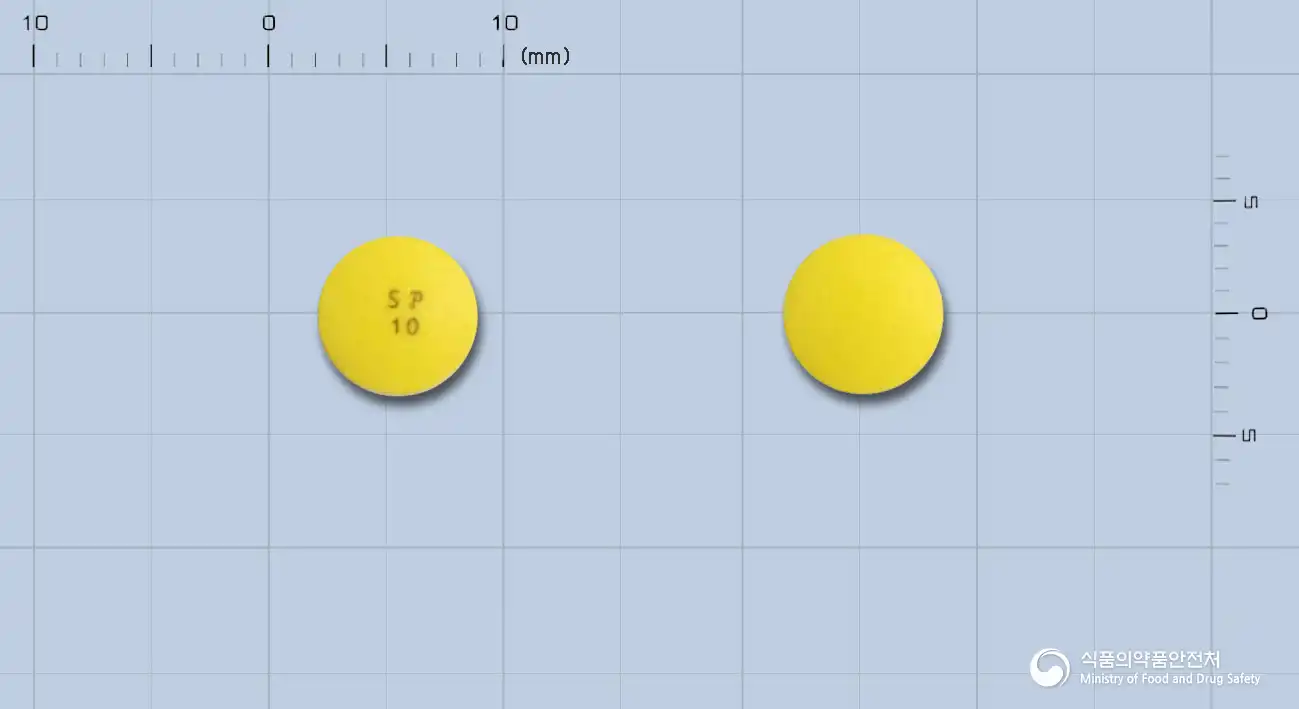
Rabeprazole Sodium 10mg
Tablet · Prescription medication
Shinpoong Pharm. Co., Ltd.
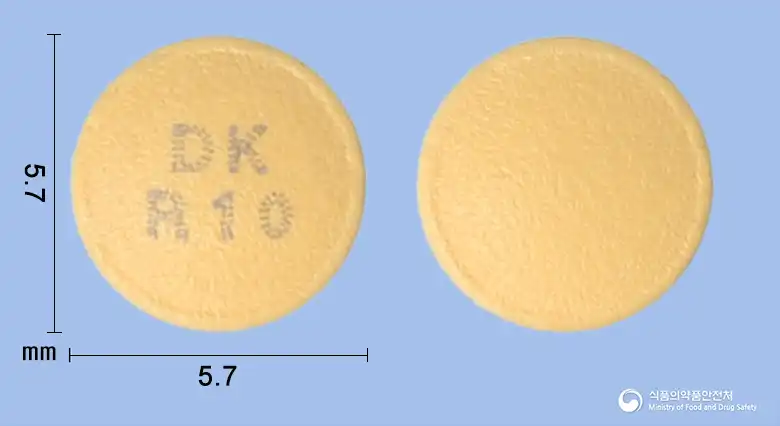
Rabeprazole Sodium 10mg
Tablet · Prescription medication
Dongkuk Pharmaceutical Co., Ltd.
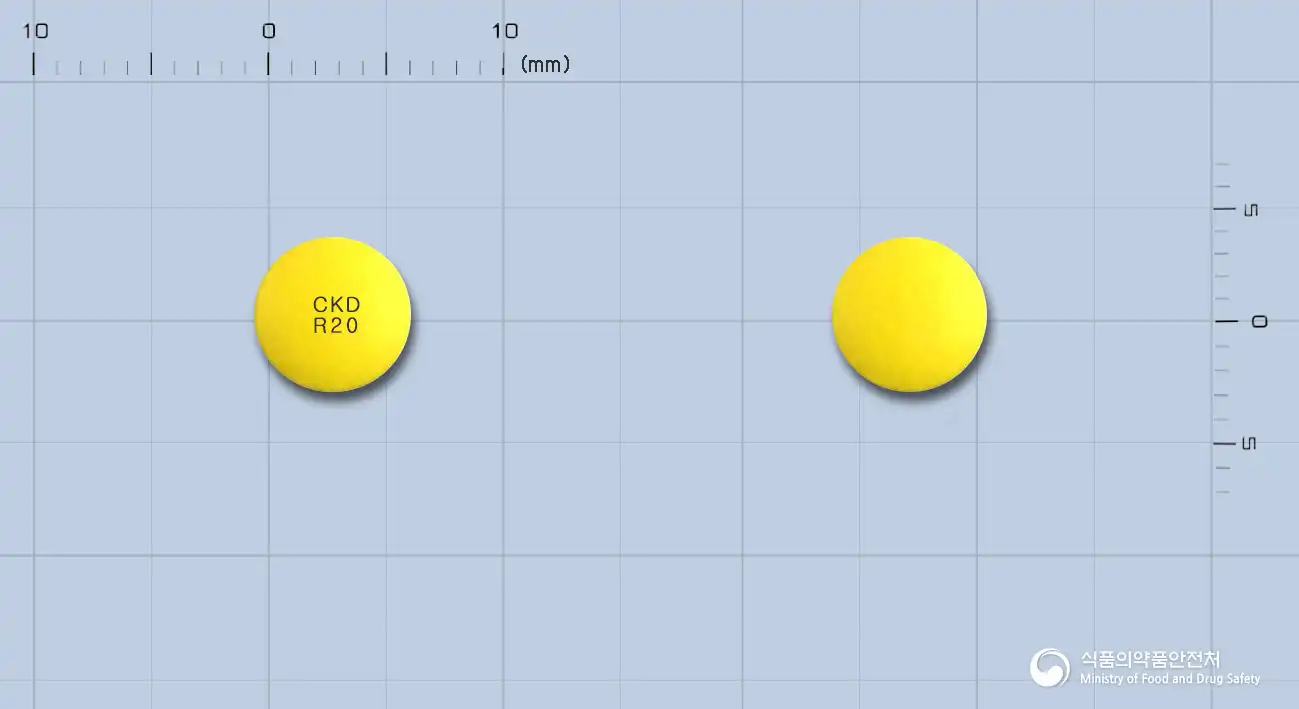
Rabeprazole Sodium 20mg
Tablet · Prescription medication
Jongkundang Co., Ltd.
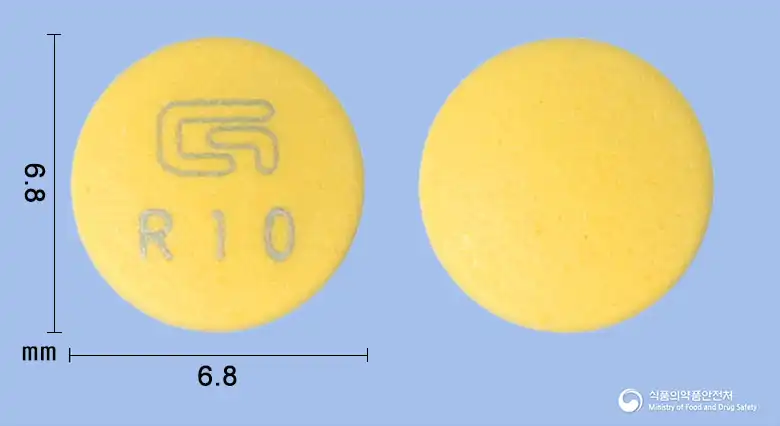
Rabeprazole Sodium 10mg
Tablet · Prescription medication
Donggwang Pharmaceutical Co., Ltd.
Even with the same ingredient, the dose and directions can differ by strength and dosage form. Talk to a doctor or pharmacist before switching from a medication you are already taking.
No questions yet.
For anything that needs medical judgment, consult a doctor or pharmacist.
This drug information is based on data provided by the Korea Ministry of Food and Drug Safety.
Consult a doctor or pharmacist for accurate dosage, administration, and usage instructions.