
 한국어
한국어 English
 日本語
日本語 中文(简体)
Dosage form image
Viewing nowMetagel Cream (Indomethacin)
Indometacin 10mg
Cream · OTC medication
Taegeuk Pharmaceutical Co., Ltd.
MFDS item code 200702486 · Notified 2007.02.27
Analgesic and anti-inflammatory effects for degenerative arthritis (osteoarthritis) and muscle pain.
This medication is used to relieve muscle pain and swelling that occurs after trauma, as well as inflammatory diseases such as degenerative arthritis (osteoarthritis), adhesive capsulitis (frozen shoulder), tendonitis, and lateral epicondylitis (tennis elbow).
Apply an appropriate amount to the affected area 1 to several times a day and gently rub it in until well absorbed.
This medication should not be used in certain patients. First, individuals who have had allergic reactions or hypersensitivity to this medication or other indomethacin products should not use it. Additionally, patients who have experienced asthma attacks triggered by non-steroidal anti-inflammatory drugs known as aspirin-induced asthma or have a history of such events should not use this product. Patients who have had symptoms like bronchospasm, rhinitis, or angioedema due to aspirin or non-steroidal anti-inflammatory drugs should also exercise caution, and it is not recommended for children under 14 years of age. Patients with bronchial asthma should use this product cautiously, and those allergic to or who have had hypersensitive reactions to propylene glycol, one of the ingredients, should use it carefully as well. When using this medication, patients may experience skin symptoms such as itching, redness, rash, contact dermatitis, and eczema, which usually resolve upon discontinuation of the drug. Rarely, side effects such as warmth, swelling, flush, anaphylaxis, photosensitivity, burning sensation, irritation, dryness, numbness, gastrointestinal discomfort, headache, and dizziness may occur, so use should be stopped if symptoms are severe. Patients with psoriasis should take care as symptoms may worsen. Hypersensitive reactions may occur, including skin reactions or bronchospasm, and in severe cases, hypotension may develop. Rarely, aseptic meningitis, which accompanies headache, stiffness of the neck, and altered consciousness, may occur. This medication alleviates inflammation but is not a cure for the underlying cause, so it is essential to remember this. When used on areas with skin infections, it may conceal the infection, therefore it should be used in conjunction with antibiotics or antifungals and the condition should be monitored closely. When used for chronic conditions such as degenerative arthritis, it is advisable to consider other treatment modalities in addition to drug therapy and to carefully monitor the patient’s condition and occurrence of side effects. Using this medication excessively or on large areas for prolonged periods may lead to systemic side effects, so caution is necessary. When applied to postoperative wound areas, it may lead to hypersensitive shock, so care is required, and slight irritation of the skin, eyes, or mucous membranes may occur due to the sodium benzoate included in this product. In the case of overdose, interactions may occur with anticoagulant agents that control blood coagulation, hypoglycemic agents, and thyroid hormones, so caution is needed. During pregnancy, especially in the third trimester, this medication may delay childbirth or cause excessive bleeding during delivery, neonatal bleeding, fetal cardiopulmonary toxicity, and renal impairment; therefore, it should not be used. Although fetal toxicity has not been confirmed in animal studies during the early and mid-pregnancy, there is not enough research on humans, so caution is necessary. This medication may be excreted in breast milk; hence, nursing mothers are also advised against using it. Safety has not been established for children, so use is not recommended. In cases of overdose, symptoms such as nausea, vomiting, abdominal distension, diarrhea, gastrointestinal bleeding, severe headache, dizziness, confusion, drowsiness, insomnia, fatigue, anxiety, visual impairment, sensory disturbances, convulsions, hypotension, shortness of breath, and cyanosis may appear, so immediate medical attention is required. Treatment may include supportive care such as gastric lavage, activated charcoal administration, and electrolyte balance corrections based on symptoms. Additionally, there is a risk of gastrointestinal ulcers and bleeding, necessitating careful monitoring of the condition over several days, and antacids may be used for symptom relief. This medication should not be applied to areas with hemorrhagic skin conditions, eczema, infected areas, burns, or wounds. Caution is advised as there may be temporary irritation or numbness when applied to damaged skin, and it should only be used externally. The use of occlusive dressings is also to be avoided.
Anaphylaxis (hives, severe swelling, difficulty breathing, chest tightness, cold sweat, pallor), severe skin adverse reactions (severe rash, blisters, skin peeling, pain in the mouth/eyes mucosa), bronchospasm, asthma attack, aseptic meningitis (headache, stiffness of the neck, altered consciousness), severe swelling, hypotension (though opposite of hypertension, associated with severe swelling), shortness of breath, cyanosis.
Not everyone experiences these, and they can vary from person to person.
This medication is sensitive to air and moisture, so it must be stored in a tightly sealed container. It is important to maintain a storage temperature between 1 and 30 degrees Celsius to keep the medication effective and safe for a long period.
White cream
25 grams/tube
Even with the same ingredient, strength, dosage form and how it is taken can differ.
Indometacin 10mg
Cream · OTC medication
Taegeuk Pharmaceutical Co., Ltd.
Indometacin 10mg
Cream · OTC medication
Chodang Pharmaceutical Co., Ltd.
Indometacin 35mg
Patch · OTC medication
Shinshin Pharmaceutical Co., Ltd.
Indometacin 35mg
Patch · OTC medication
Daehwa Pharmaceutical Co., Ltd.
Indometacin 70mg
Ointment · OTC medication
Ohyeon Pharmacophytation Co., Ltd.
Indometacin 70mg
Ointment · OTC medication
Jaeus Pharm Co., Ltd.
Indometacin 70mg
Ointment · OTC medication
Jaewoo Pharm Co., Ltd.
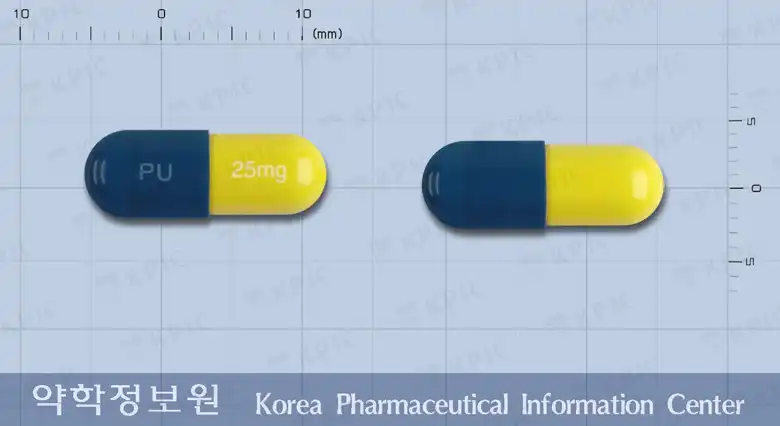
Indometacin 25mg
Hard capsule · Prescription medication
Korea PMG Co., Ltd.
Even with the same ingredient, the dose and directions can differ by strength and dosage form. Talk to a doctor or pharmacist before switching from a medication you are already taking.
No questions yet.
For anything that needs medical judgment, consult a doctor or pharmacist.
This drug information is based on data provided by the Korea Ministry of Food and Drug Safety.
Consult a doctor or pharmacist for accurate dosage, administration, and usage instructions.